
Gold Traveling Clock
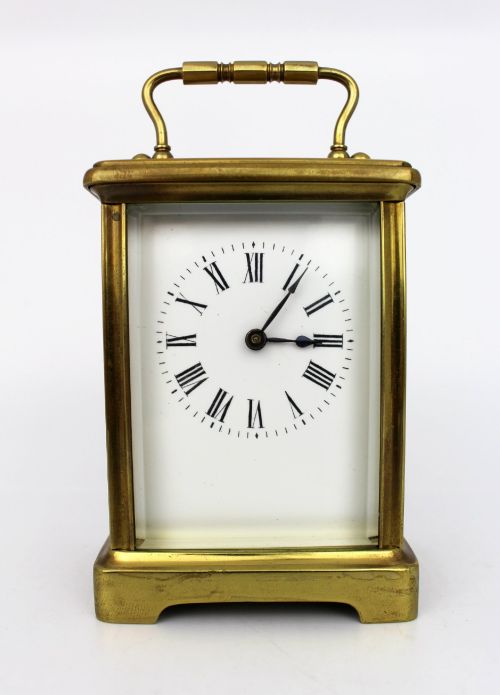
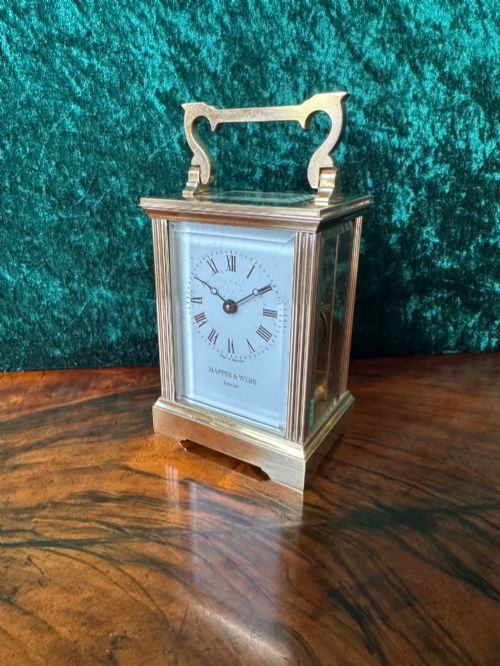
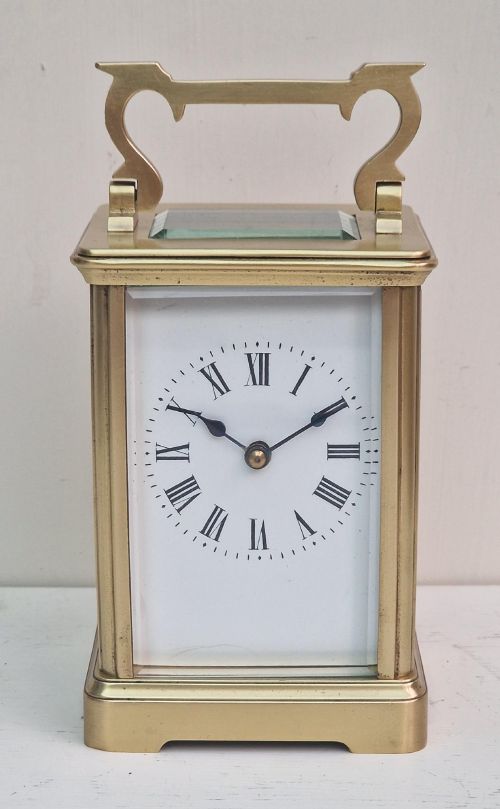
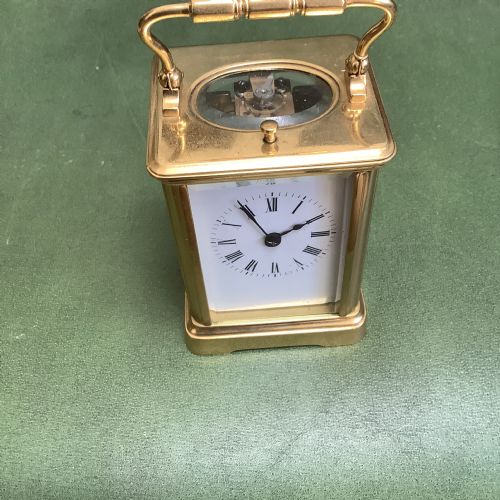
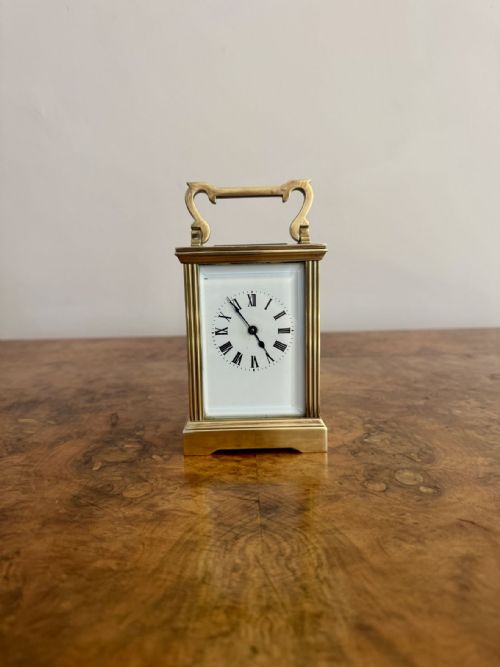
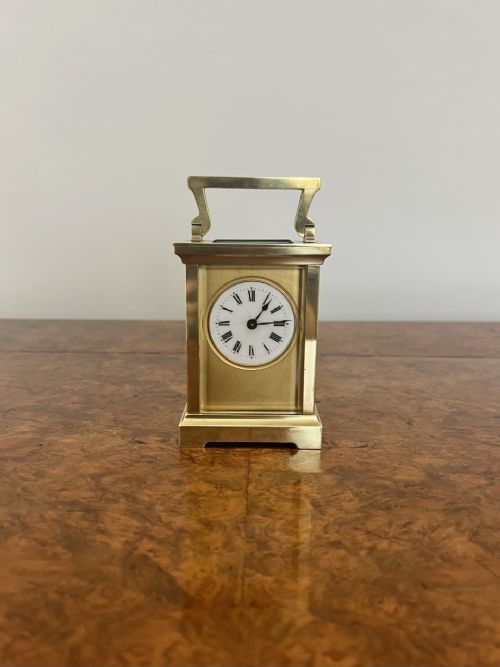
A gold travelling clock is a portable timepiece housed in gilt brass and glass, designed for journeys and bedside tables alike.
Gold Traveling Clock
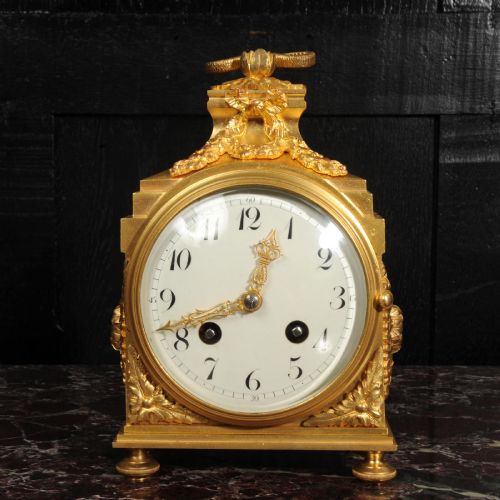
When buyers search for a gold travelling clock, they encounter portable timepieces produced primarily during the nineteenth and early twentieth centuries. These objects span periods from the Victorian era and the Edwardian period through to French Second Empire and French Empire styles, reflecting both English and continental origins.
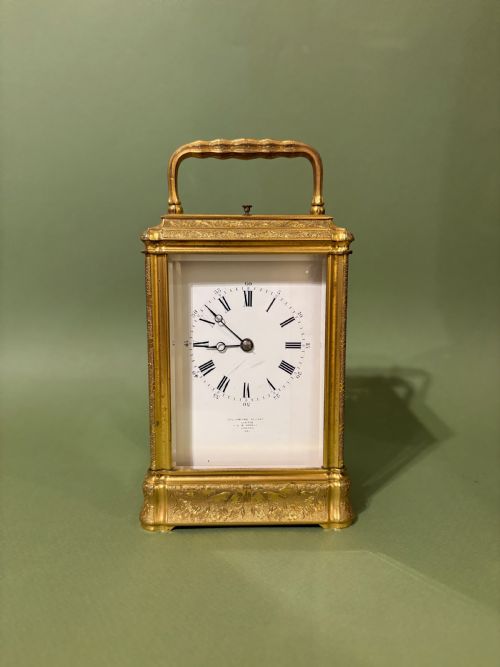
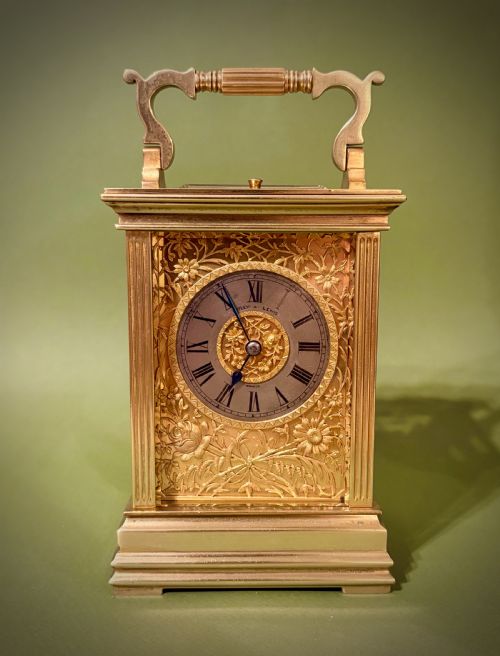
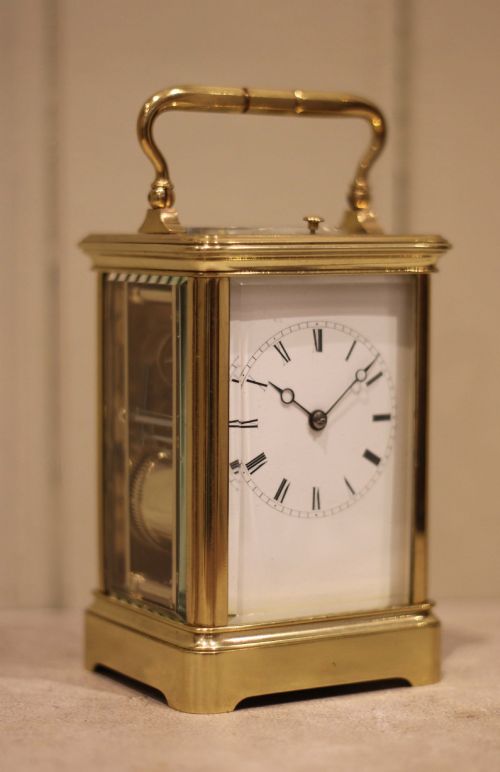
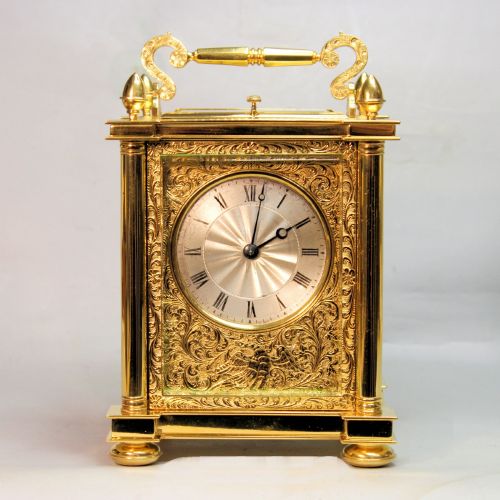
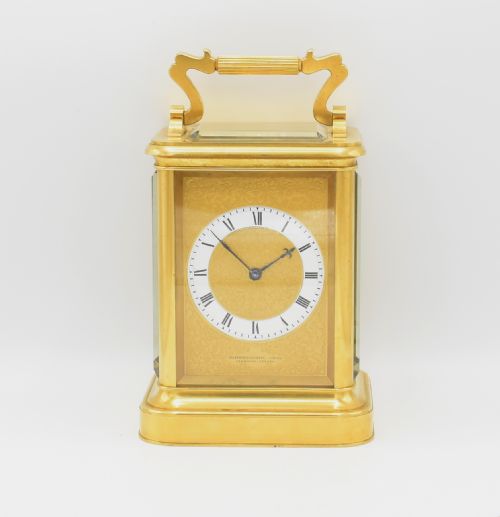
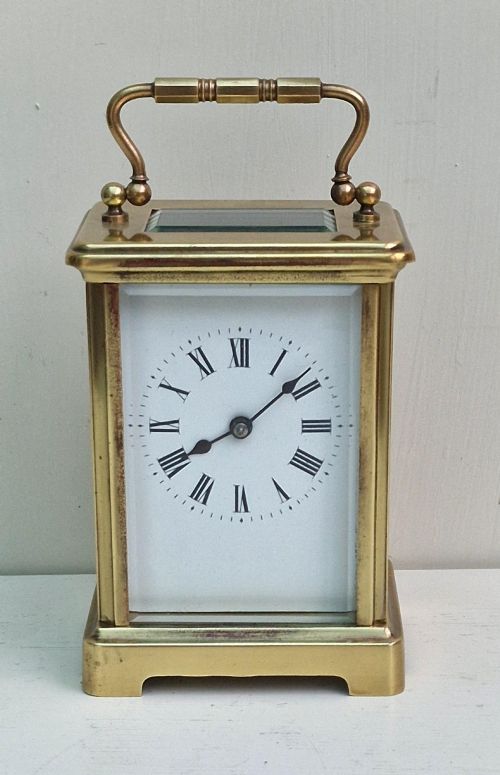
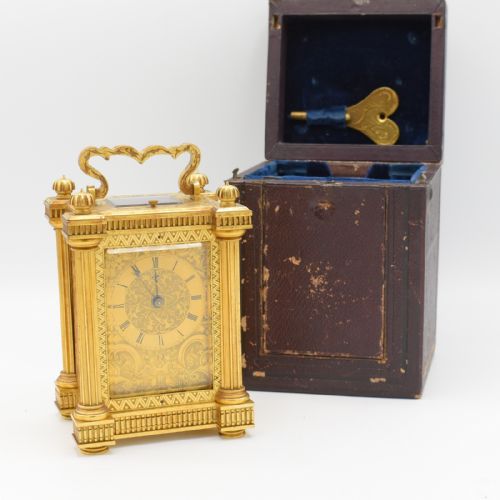
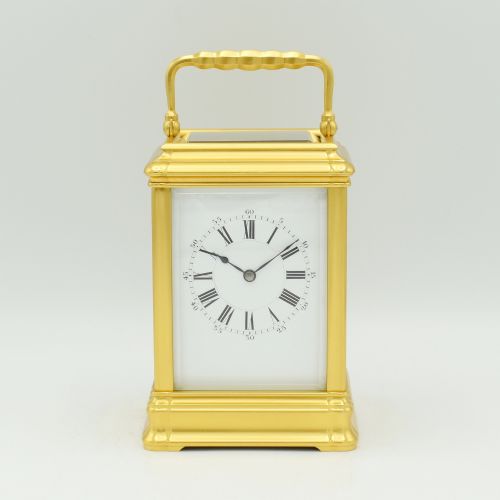
The selection on this page consists predominantly of carriage clocks and desk clocks framed in gilt brass, gilt bronze, or ormolu. Pieces range from substantial striking and repeating carriage clocks to miniature carriage clocks housed in leather travel cases.
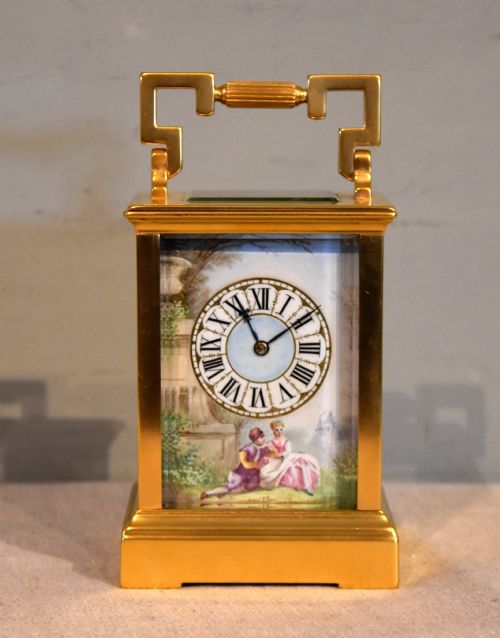
Examples include signed French and British works, featuring porcelain mounted panels, gorge cases, and serpentine forms. Buyers frequently meet items bearing the signatures of prominent makers alongside simpler timepieces from the same decades.
Materials and construction
These clocks are built primarily from brass, gilt brass, and gilt bronze, often styled as ormolu, combined with glass panels that reveal the mechanical movement within. Cases incorporate steel components for internal gears alongside silvered metal dials and occasional enamel or porcelain elements.
Many specimens feature elaborate outer leather travel cases designed to protect the gilt metal framework during transit. Engraved decoration frequently adorns the solid brass cases, while movements rely on precision gear trains developed in French and British workshops.
Listings feature brass, gilt bronze, and glass carriage clocks spanning the Victorian, Edwardian, and French nineteenth-century periods.
Distinctions in craftsmanship
Quality in these timepieces rests upon the complexity of the movement and the crispness of the gilt brass casting. Fine examples exhibit fully engraved gilt cases and sophisticated complications such as striking mechanisms, quarter repeaters, alarms, and grand sonnerie functions.
The weight and thickness of the brass case distinguish sturdier productions from lighter variants. Furthermore, the presence of original signed movements by established makers elevates the stature of a piece above standard unmarked workshop output.
HENRI JACOT·COUSENS & WHITESIDE·Goldsmiths Alliance Ltd·Howell & James·Mappin and Web·DROCOURT·T. MARTIN & CO·C. DETOUCHE·Antoine Redier·Duverdrey & Bloquel
The Gold Traveling Clock Glossary
- Carriage clock
- A small, spring-driven portable clock designed for travellers during the nineteenth century. These items typically feature a rectangular brass and glass case with a handle on top.
- Repeating movement
- A mechanism that sounds the hours and quarters when a button or cord on the case is pressed. This complication allowed owners to tell the time in the dark without lighting a candle.
- Gorge case
- A specific style of carriage clock housing characterised by a stepped, tiered top and base frame. It represents a classic French casework design from the Victorian period.
- Pendule d'officier
- An early French military or travelling clock style that often precedes the standard rectangular carriage clock shape. These pieces possess distinct architectural proportions.
- Grand sonnerie
- A complex striking train that chimes the hours and the quarters automatically as they pass, alongside a repeating function. It is found on higher grade nineteenth-century French clocks.
Gold Traveling Clock: Frequently Asked Questions
How do I wind a gold travelling clock?
Most of these items use a dedicated metal key inserted into apertures on the backplate or underneath the base. Turn the key gently until resistance indicates the mainspring is fully tensioned.
Take care not to overwind the movement, as this can strain the internal spring. Regular winding maintains steady tension for accurate timekeeping across the day.
What is a gorge case?
A gorge case refers to the distinct stepped moulding found around the top and bottom of certain nineteenth-century carriage clock frames. This structural design adds architectural depth to the gilt brass exterior.
Clocks featuring this style are typically associated with French manufacture during the Victorian era. The refined stepped profile marks out a higher standard of decorative casework.
How do repeaters work?
A repeating mechanism sounds the last elapsed hour and quarter hours upon manual activation. Pressing a plunger on the top of the case triggers tiny hammers to strike internal gongs.
This function was essential before reliable electric lighting became common in bedrooms. It allowed travellers to check the time during the night simply by touch and sound.