




Gold Tooling Books
Gold tooling books bring centuries of literary history to your shelves through the enduring art of decorative leather and leaf.
Gold Tooling Books
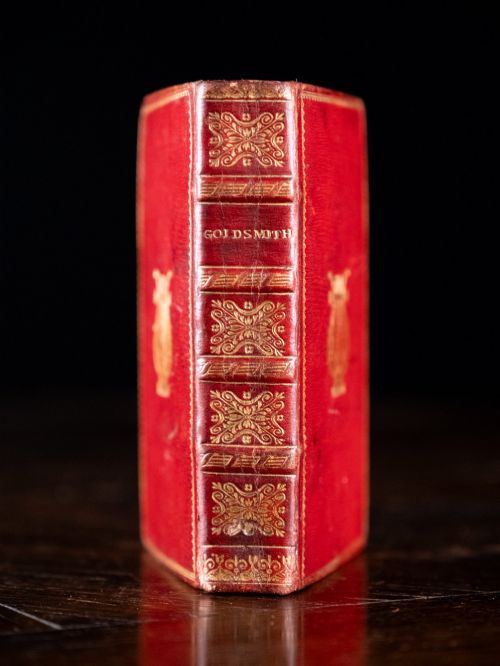
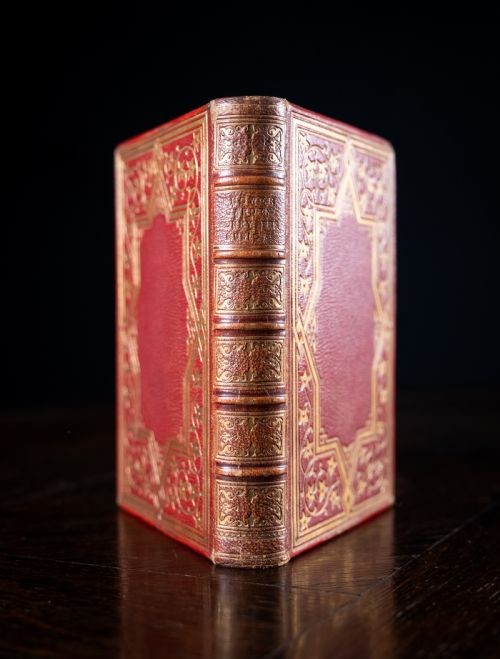
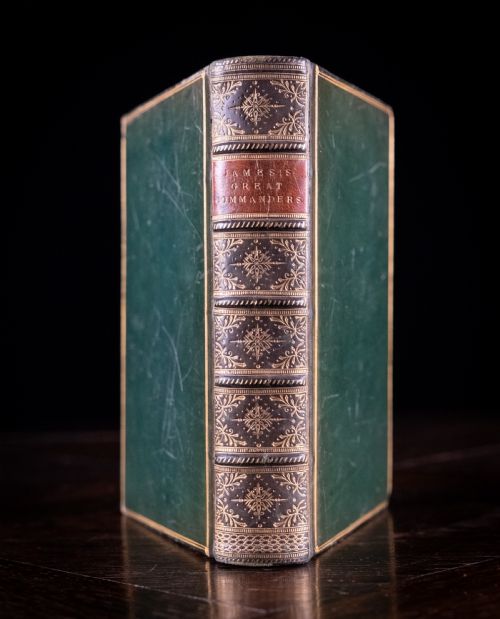
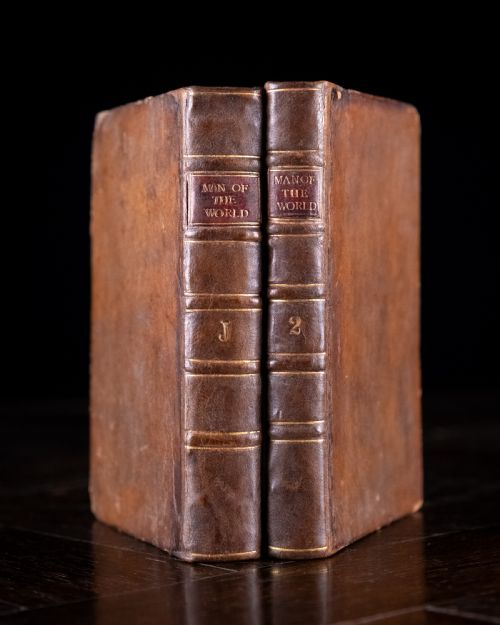
When you search for gold tooling books, you encounter antique volumes, poetry collections, historical sets, and desk accessories spanning several centuries. These pieces represent the traditional craft of bookbinding where decorative metallic elements embellish leather covers.
The selections available here range from eighteenth-century volumes and Regency miniature books to Victorian literature and nineteenth-century novel sets. You also find larger book-tables and desk blotters incorporating similar decorative leather techniques.
Most items you meet on this page hail from the nineteenth century, featuring calfskin and marbled paper alongside their metallic embellishments. They serve both as functional reading material and as decorative objects for period interiors.
How they were made
Binders constructed these volumes using leather, calfskin, paper, cardboard, and wood to form the core structures. Workers then applied gold leaf to the covers, pressing heated brass tools into the hide to create permanent metallic impressions.
Marbled paper often lined the endpapers of these volumes, adding internal colour and pattern to match the exterior bindings. Gilt edges and intricate spine decorations completed the process, uniting durability with ornamental design.
Materials span leather, calfskin, wood, cardboard, marbled paper, and gold leaf.
What varies in quality
The crispness and depth of the metallic impression on the hide separate standard volumes from finer examples. Artisans who maintained consistent heat and pressure achieved sharp, lasting designs that resisted fading over time.
The selection of the leather hide and the uniformity of the marbled paper also influence the overall character of each piece. Matching sets display cohesive binding styles across multiple volumes, reflecting greater initial investment by the original owner.
The Gold Tooling Books Glossary
- Calfskin
- A fine, smooth leather derived from the skin of a calf, frequently used for high-quality bookbindings. It accepts detailed tooling impressions with great clarity.
- Gold leaf
- Extremely thin sheets of gold beaten from metal, applied to book covers during the tooling process. It provides a permanent metallic finish that does not tarnish.
- Marbled paper
- Paper decorated with colourful swirling patterns resembling marble, commonly used for endpapers and book covers. It protects the interior boards while adding visual interest.
- Gilt
- A thin layer of gold applied to the edges of book pages or leather covers for decoration and protection. It gives the trimmed edges a metallic sheen.
- Regency
- A stylistic period spanning the early nineteenth century, known for specific decorative arts and classic proportions. Bindings from this era often show distinct neoclassical influences.
Gold Tooling Books: Frequently Asked Questions
How do I care for leather bound books?
Keep leather bound volumes away from direct sunlight and excessive moisture to prevent the hide from drying out. Handle them gently by the body of the book rather than pulling them off the shelf by the top of the spine.
Allow adequate airflow around your bookcase to protect the paper and leather materials from humidity. Regular dusting with a soft, dry cloth preserves the exterior finish.
Can I read these antique books?
Most antique volumes remain suitable for careful reading, provided you support the spine and open the pages gently. Multi-volume sets and poetry books from the eighteenth and nineteenth centuries invite close study of their historical texts.
Some delicate miniature books or heavily bound sets are better suited for display rather than daily reading. Assess the physical condition of the binding before opening older volumes fully.
What periods do these books cover?
The listings span from the eighteenth century through the Regency era and deep into the Victorian period. You encounter items dated from the seventeen-seventies up to the early twentieth century.
Nineteenth-century publications form the largest group, including novels, poetry, and multi-volume sets. Occasional pieces stretch back to the Georgian era or forward to early twentieth-century desk furniture.
What is a book table?
A book table is a piece of furniture designed to incorporate leather-bound storage or display surfaces into a room. These items often feature tooled leather tops and specialised compartments for desk accessories.
They combine the utility of a small table with the decorative motifs found on traditional bookbindings. French and Victorian examples utilise inset work and gilded leather to accent living spaces.