


Gold Table Light
A gold table light brings warmth and period character to a room, offering functional illumination through cast metals and rich gilt finishes.
Gold Table Light
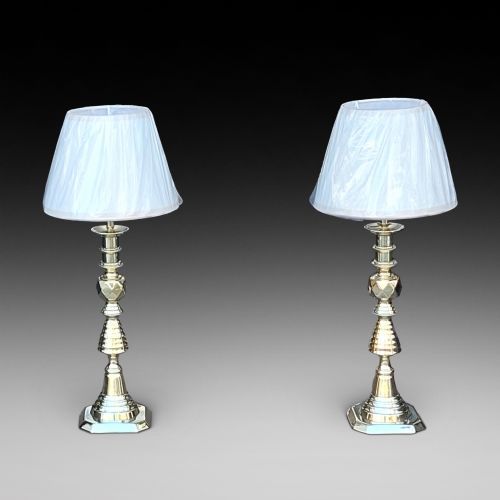
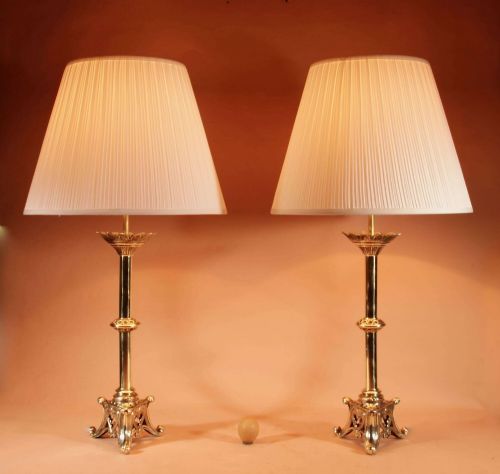
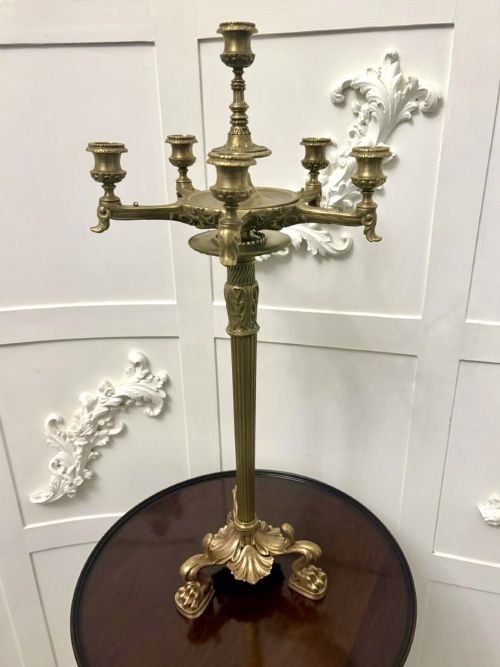
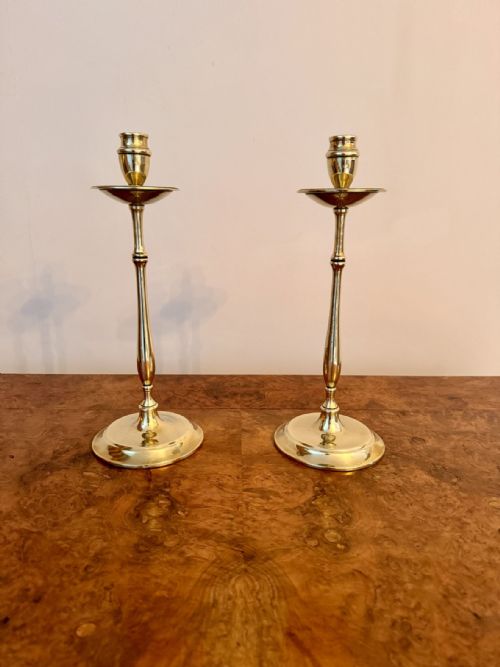
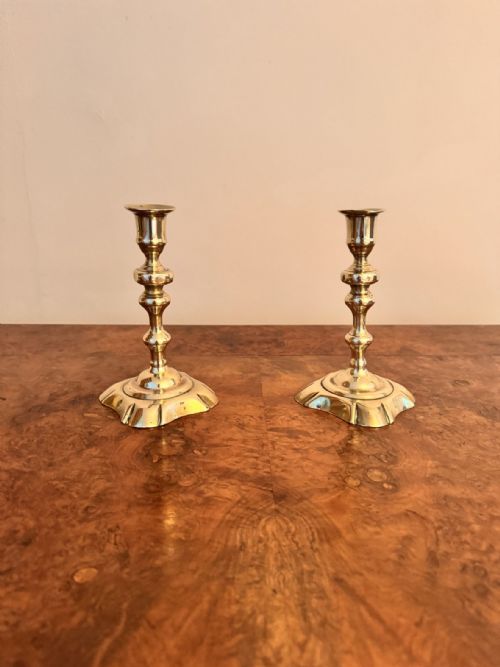
When searching for a gold table light, collectors encounter a diverse selection of antique and period lighting fixtures spanning several centuries. These pieces encompass table lamps, converted candlesticks, and multi-armed candelabra finished in warm metallic tones.
The specimens seen on this page predominantly date from the nineteenth and early twentieth centuries, drawing upon Victorian, Edwardian, and earlier revival aesthetics. Many started life as oil lamps or ceremonial candlesticks before receiving modern electrical conversions.
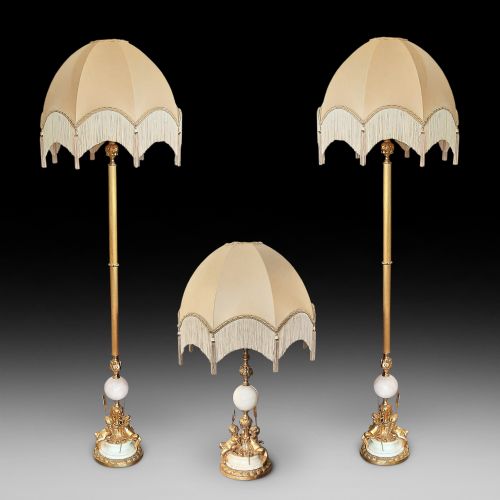
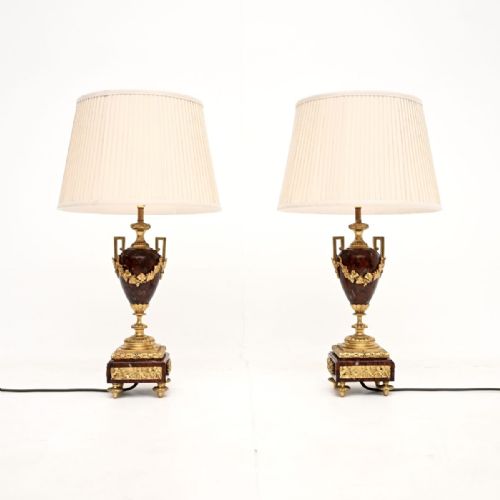
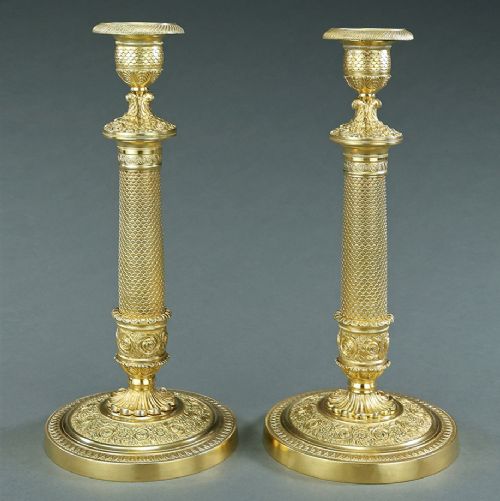
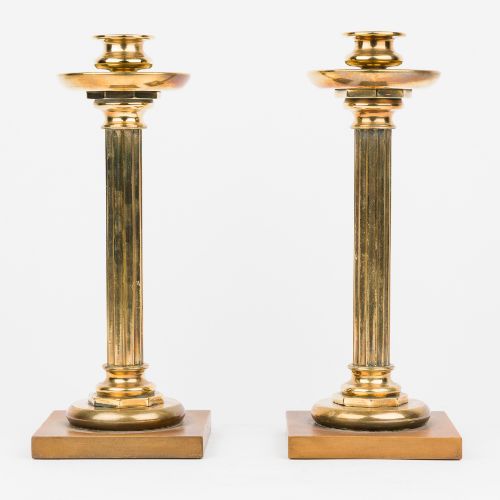
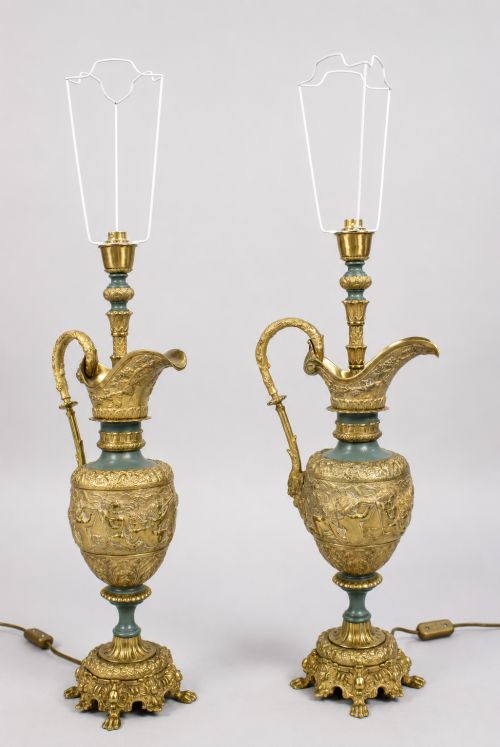
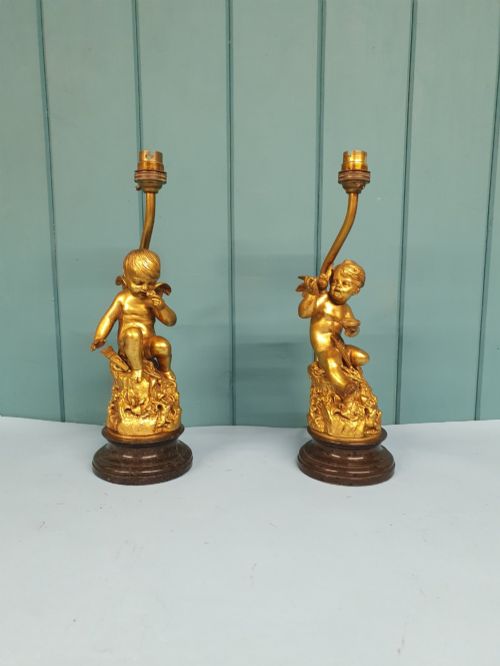
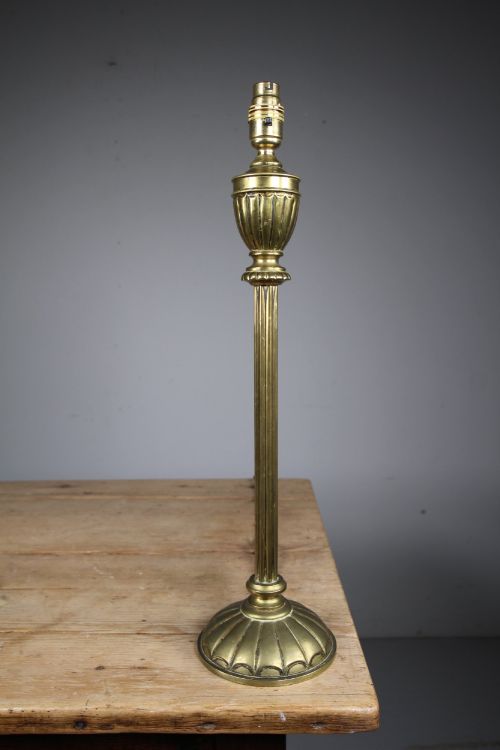
The forms range from classical Corinthian columns and urns to figural designs and ornate French ormolu mounts. Buyers select these items to anchor a room with period authenticity while providing practical tabletop illumination.
How they were made
The construction of these lamps relies heavily on cast brass, ormolu, and gilt bronze, often shaped into intricate decorative components. Artisans utilised skilled metalworking techniques, such as chasing and gilding, to impart a rich, reflective surface to the base materials.
Many designs incorporate secondary elements like carved wood, white marble, cut glass, and fabric shades to complement the golden metallic framework. These mixed media pieces demonstrate the high standard of craftsmanship typical of European workshops during the Victorian and Edwardian eras.
Listings feature items spanning the 18th, 19th, and early 20th centuries, utilising brass, marble, and gilt bronze.
What varies in quality
Quality in these gilt metal pieces rests upon the crispness of the casting and the depth of the original gilding. Finer examples display sharp, hand-finished detailing on acanthus leaves, figures, and classical mouldings, whereas lesser items show softer contours from worn moulds.
The integrity of the construction and the weight of the base materials also determine the caliber of a piece. Substantial cast brass or heavy bronze foundations provide stability and longevity that lighter pressed metal alternatives lack.
W.A.S. Benson·E Rousseau·Pierre Philippe Thomire·Franz Bergman·L & F Moreau
The Gold Table Light Glossary
- Ormolu
- Gilded bronze, typically produced using a mercury-gilding technique on a copper alloy base. This finish provides a bright, durable golden lustre characteristic of French decorative arts.
- Corinthian column
- A classical architectural column style featuring an ornate capital decorated with acanthus leaves. It forms a popular upright motif for nineteenth-century brass table lamps.
- Candelabra
- A branched lighting fixture designed to hold multiple candles. Many antique examples undergo careful conversion to electricity for modern household use.
- Giltwood
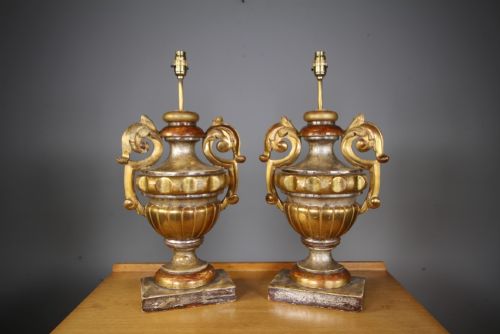
- Timber that has been coated with a thin layer of gold leaf or powder. This technique appears frequently on carved decorative bases and urn lamps.
- Chasing
- The process of refining metal castings by hand using punches and hammers. This technique enhances surface textures and sharpens ornamental details.
Gold Table Light: Frequently Asked Questions
How do I wire an antique brass lamp safely?
Wiring an antique lamp requires running modern electrical flex through the existing internal channels while preserving the historical hardware. Many pieces arrive already rewired for contemporary use.
For un-rewired specimens, a qualified electrician should install modern cordsets and certified lamp holders to ensure safety without altering the outer metal body.
Were these always electric lamps?
Most pieces from the eighteenth and nineteenth centuries began as candlesticks or oil-burning lamps before modern conversions. The presence of threaded components or adapted burners indicates a later electrification.
Original candelabra and candlesticks often received discreet wiring during the twentieth century to meet contemporary domestic lighting requirements.
How do I clean gilt bronze and ormolu?
Maintenance of gilt bronze requires only gentle dusting with a soft, dry brush to prevent the accumulation of dirt. Moisture and harsh chemical cleaners can strip the delicate gold layer from the base metal.
If deeper cleaning is necessary, a damp cloth with mild soap should be used sparingly, followed immediately by thorough drying with a lint-free cloth.
How can I tell a Victorian lamp from an Edwardian one?
Victorian lighting tends to feature heavier, highly ornate ornamentation drawn from Gothic, Rococo, or Renaissance revivals. The forms are substantial, often incorporating classical columns or rich figural elements.
Edwardian examples generally display lighter proportions and cleaner neoclassical lines, reflecting a shift toward restrained elegance in domestic interiors at the turn of the twentieth century.