





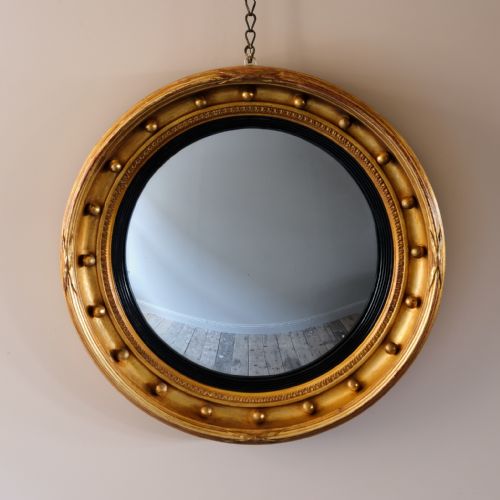

Gold Slip Frame
Gold slip frame mouldings bring depth and focus to historical canvases and mirrors.
Gold Slip Frame
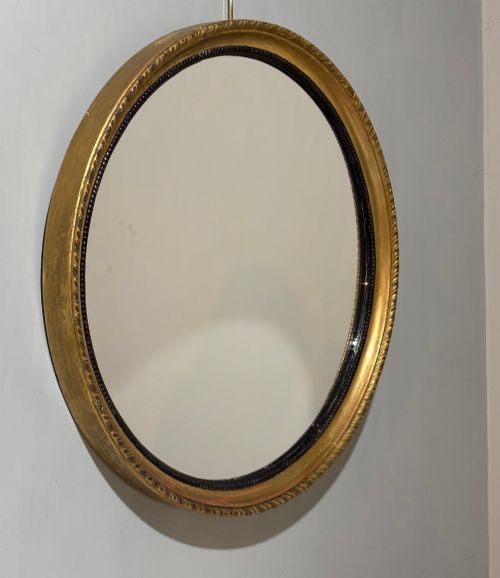
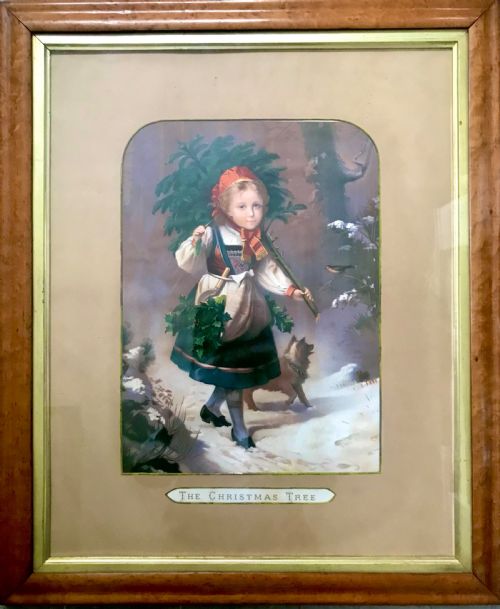
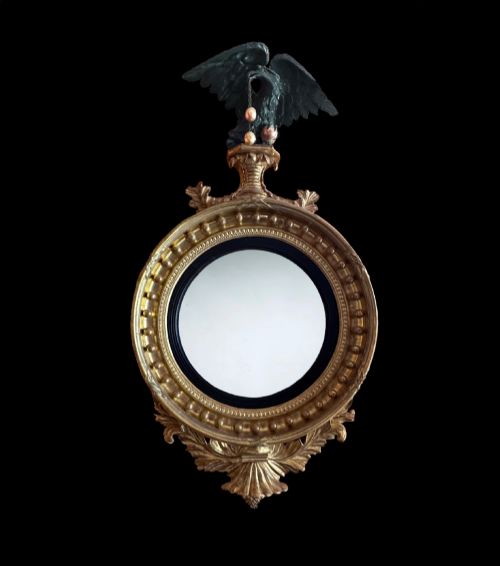
A gold slip frame functions as an internal liner or narrow moulding, sitting snugly between the primary outer frame and the canvas or mirror plate. When searching for a gold slip frame, buyers typically encounter examples fashioned from wood and gesso, often housing oil paintings, watercolours, or convex mirrors.
The selections span multiple eras, stretching from the eighteenth century through the Regency period and into the twentieth century. Regency and Victorian specimens appear frequently alongside earlier Georgian and Edwardian works, demonstrating how these narrow inner borders were utilised across diverse decorative contexts.
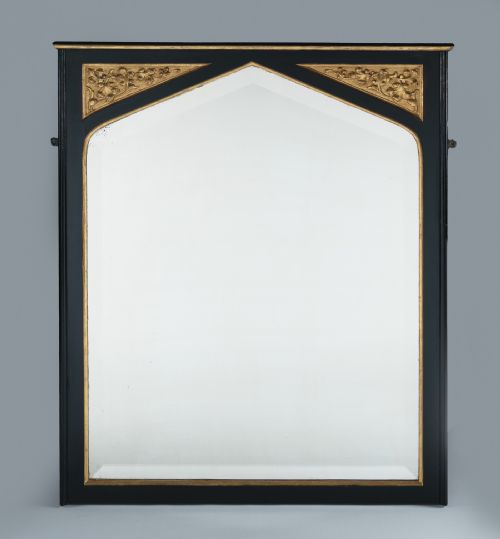
Many listings pair these slips with substantial giltwood outer mouldings, ebonised wood elements, or panoramic oil on canvas scenes. The inner gold slip provides a deliberate visual pause that draws the eye inward toward the artwork.
Materials and construction
Makers constructed these frames primarily using wood, applying layers of gesso to build up smooth surfaces or crisp decorative profiles before gilding. Gold leaf provided a luminous metallic finish that caught ambient light within period interiors.
Ebonised wood occasionally appears alongside gilt elements, creating strong contrasts in nineteenth-century and Regency pieces. Glass plates and canvas supports complete the assemblies, secured within robust timber structures.
Gold Slip Frame Retail Price Guide 2026
Typical asking prices for gold slip frame among the pieces listed under this phrase on Sellingantiques today, from the lower quarter to the upper quarter. They describe what is for sale here now, not the wider market.
Listings feature items from the eighteenth century, Regency era, and Victorian period, executed in giltwood, ebonised wood, and glass.
Assessing quality and craftsmanship
Quality rests upon the crispness of the carved wooden profiles and the finesse applied during the gilding process. Hand-applied gold leaf yields a warmer, more nuanced reflection than modern chemical alternatives.
The integrity of the underlying gesso layer determines how well the inner slip resists cracking or chipping over generations. Substantial timber construction in the main frame and clean joinery distinguish superior examples.
The Gold Slip Frame Glossary
- Slip
- A narrow inner frame or border placed between the main picture frame and the artwork. It isolates the image from the outer moulding.
- Giltwood
- Timber that has been coated with gold leaf or gold paint. This technique defined luxurious framing traditions for centuries.
- Gesso
- A plaster mixture spread over wood to create a smooth surface for gilding. It allows for intricate carved details.
- Convex mirror
- A round mirror with a curved glass plate that widens the field of vision in a room. These frequently incorporate gilt frames.
- Ebonised wood
- Timber treated to resemble ebony, providing a deep black finish. It often contrasts against bright gold slip elements.
Gold Slip Frame: Frequently Asked Questions
What is a gold slip frame?
A gold slip frame is the narrow inner liner set inside a larger picture frame or mirror border. It acts as a visual transition between the artwork and the surrounding wall.
These slips use gold leaf over gesso and wood. They appear across eighteenth, nineteenth, and early twentieth-century decorative pieces.
How do I hang a convex mirror?
Convex mirrors require secure wall anchorings due to the substantial weight of their timber frames and heavy glass plates. Planners should select fixings rated for substantial loads.
Position the mirror at eye level to maximise the panoramic reflection of the room. Adequate wall space allows the gilt frame and inner slip to command attention.
How do I clean giltwood frames?
Giltwood and gold leaf surfaces demand gentle maintenance using a soft, dry brush to remove dust. Moisture can damage underlying gesso and historical finishes.
Avoid chemical cleaning solutions entirely. Professional conservation advice is recommended for historic frames showing structural weakness.
How do I date an antique frame?
Dating relies on examining the timber species, joinery techniques, and the composition of the gesso beneath the gold leaf. Eighteenth-century and Regency mouldings display distinct profiles compared to Victorian or Edwardian counterparts.
Associated artworks, paper backings, and handwritten labels often provide corroborating clues for the period of manufacture.