




Gold Rococo Picture Frame
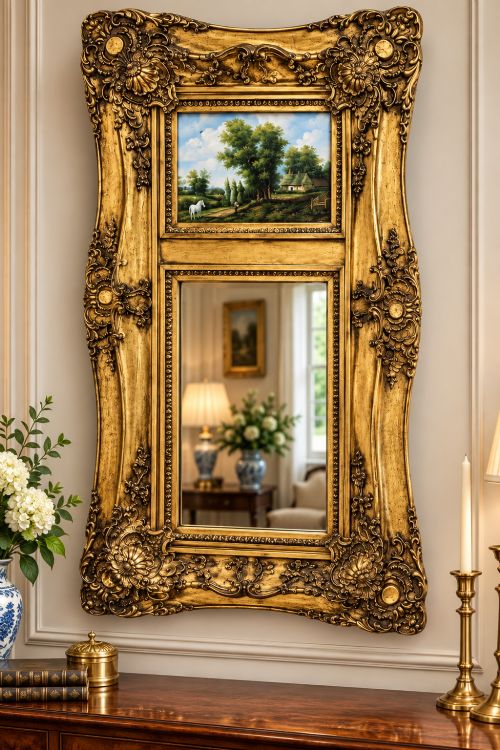
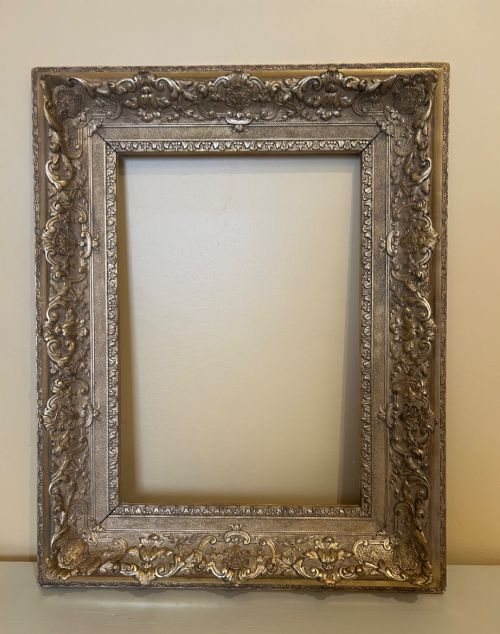
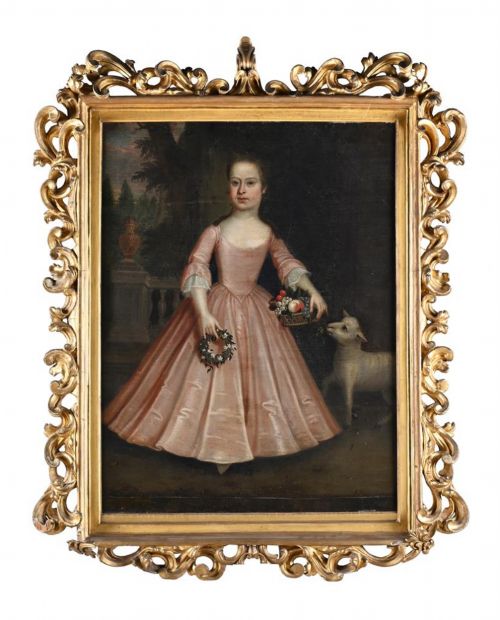
A gold rococo picture frame brings exuberant, organic curves and gilded ornamentation to portraits, landscapes and mirrors.
Gold Rococo Picture Frame
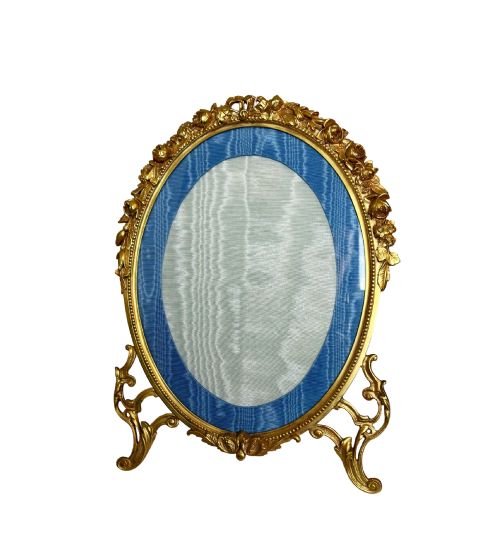
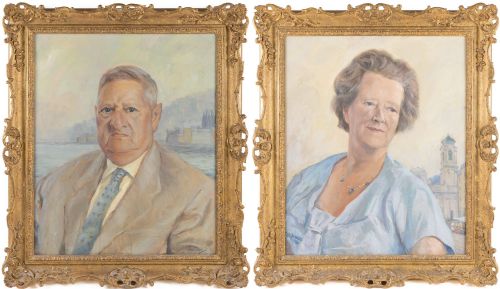
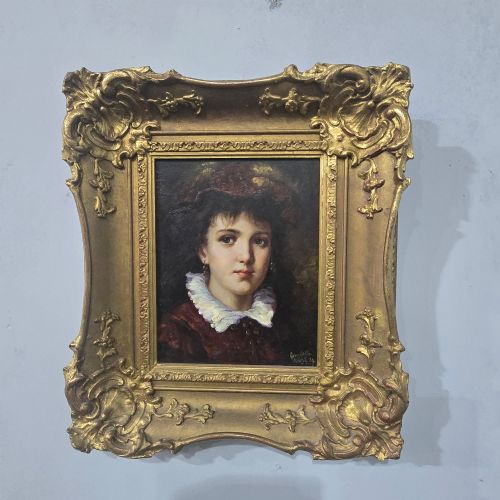
A gold rococo picture frame is an ornate enclosure designed to house oil paintings, watercolours, prints and wall mirrors. These pieces originate from various periods including the eighteenth century, the Victorian era and the twentieth century.
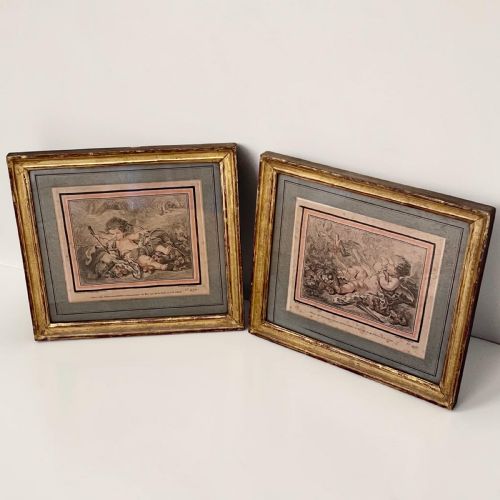
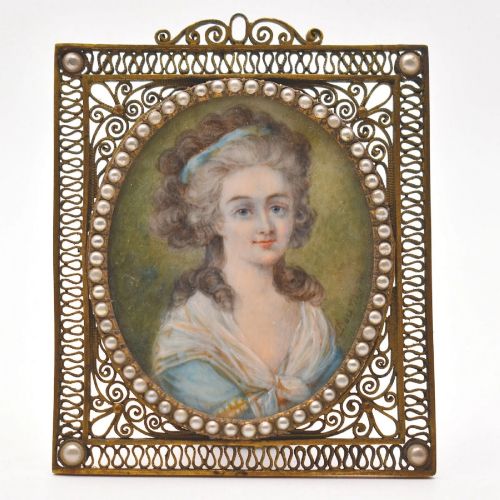
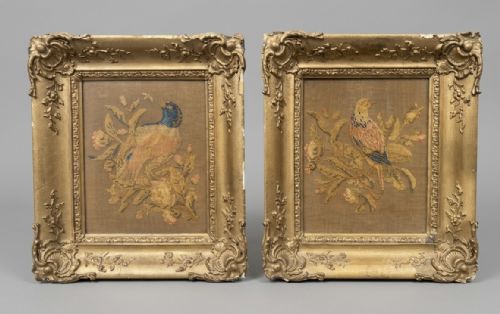
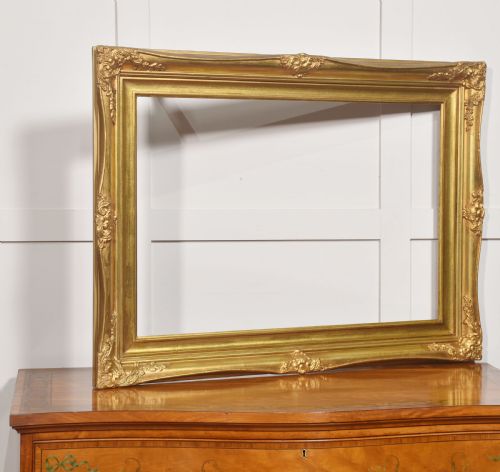
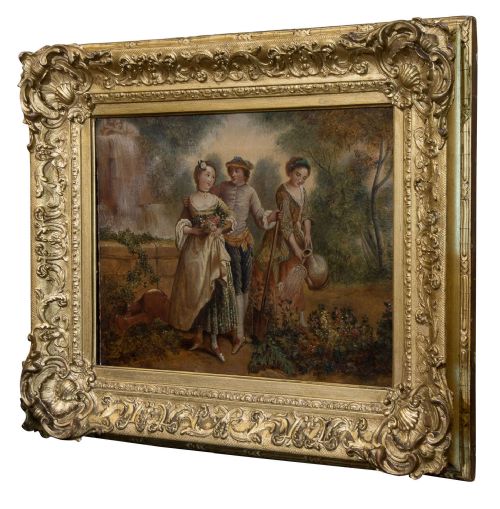
The objects seen here span styles such as Rococo Revival, French Rococo, Victorian and Georgian. They appear as picture frames, wall mirrors, and housings for framed artwork and portrait miniatures.
How They Were Made
Makers constructed these frames using timber bases covered in layers of gesso to build up the intricate relief decoration. Giltwood, gold leaf and gilt bronze were applied to the surfaces to achieve a brilliant metallic finish.
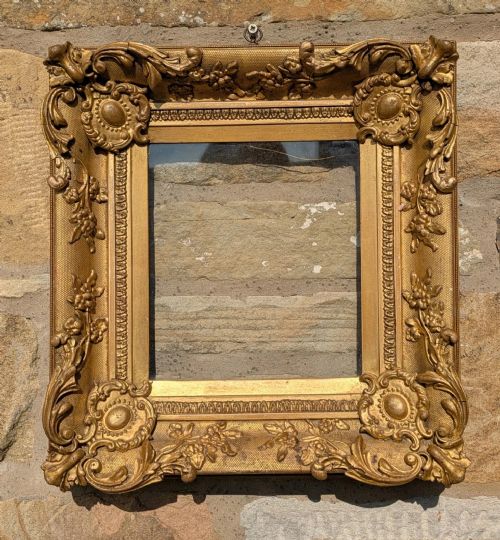
Carvers shaped the wooden mouldings by hand, incorporating C-scrolls, asymmetric foliage and shell motifs characteristic of the rococo taste. Plaster composition and gesso were frequently moulded onto the wooden frames to form complex corner and centre ornaments.
Listings include items spanning the eighteenth, nineteenth and twentieth centuries, incorporating materials such as gesso, giltwood, brass and glass.
What Varies in Quality
Quality depends upon the depth of the carving and the crispness of the gesso ornament. Hand-carved wooden details and well-defined gilding distinguish finer pieces from simpler moulded variants.
The integrity of the original gold leaf and the preservation of the underlying gesso shape the overall character of the piece. Deep, substantial profiles with complex swept corners indicate superior craftsmanship compared to shallow or flat mouldings.
Demarteau·Jonny Gaston·Martinetti·Arturo Orselli·William Miller Frazer
The Gold Rococo Picture Frame Glossary
- Gesso
- A plaster mixture applied to wood frames to create a smooth surface for gilding. It allows craftsmen to carve intricate relief ornaments.
- Giltwood
- Timber that has been coated with a thin layer of gold leaf. This material gives frames their characteristic bright metallic appearance.
- Swept frame
- A moulding style featuring undulating, concave curves that flare outwards towards the corners. It creates a dramatic sense of movement.
- Rococo Revival
- A nineteenth-century design movement that resurrected the asymmetrical scrolls and naturalistic motifs of the eighteenth-century French style.
- Gold leaf
- Extremely thin sheets of beaten gold used to cover the gesso and wood substrate. It provides a durable and luminous finish.
Gold Rococo Picture Frame: Frequently Asked Questions
What periods do these frames come from?
The pieces span the eighteenth century, the nineteenth century and the early twentieth century. Many examples reflect Victorian revivals of earlier French aesthetics.
Craftsmen produced these items across various decades, incorporating Georgian influences and mid-twentieth-century Italian interpretations into the selection.
How do I know if a frame is genuine antique?
Examine the construction methods, materials and surface wear visible on the wood and gesso. Genuine older pieces display hand-carving or period composition ornament beneath layers of gold leaf.
Older frames often show age-related craquelure in the gesso and subtle oxidation on the metallic surfaces that modern reproductions lack.
Can I hang a heavy giltwood frame on any wall?
Substantial nineteenth-century frames constructed from solid wood and thick gesso require secure wall fixings. Their weight demands appropriate anchors to support the load safely.
Checking the structural integrity of the corners and hanging hardware ensures the piece remains secure once mounted.
Were these always used for mirrors or pictures?
Makers designed these gilt surrounds to house oil paintings, watercolours, portrait miniatures, engravings and glass mirrors alike. Many frames have accommodated different artworks or mirrors over their long histories.
The deep profiles and ornate corners suited both reflective glass and painted canvases intended for formal rooms.