
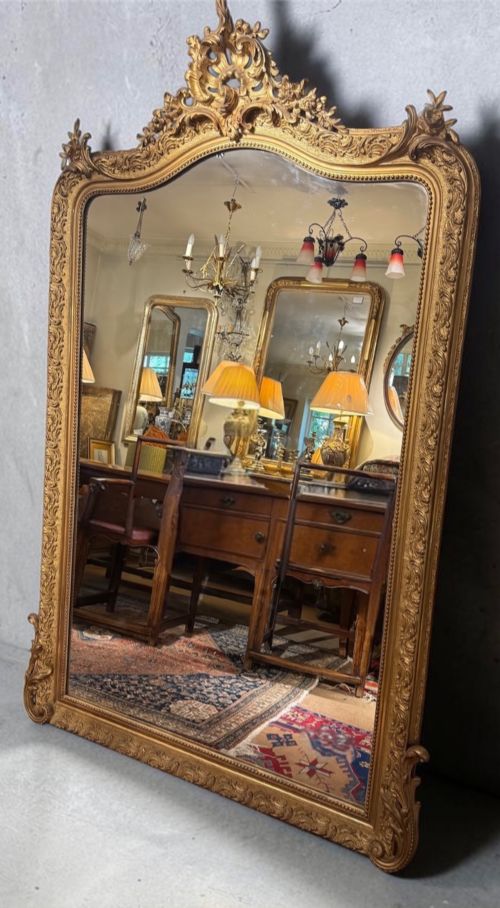
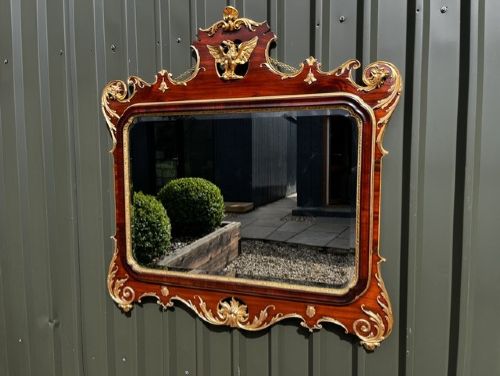
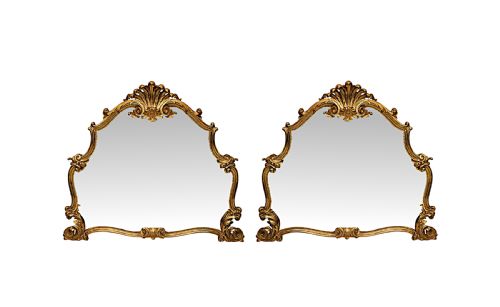

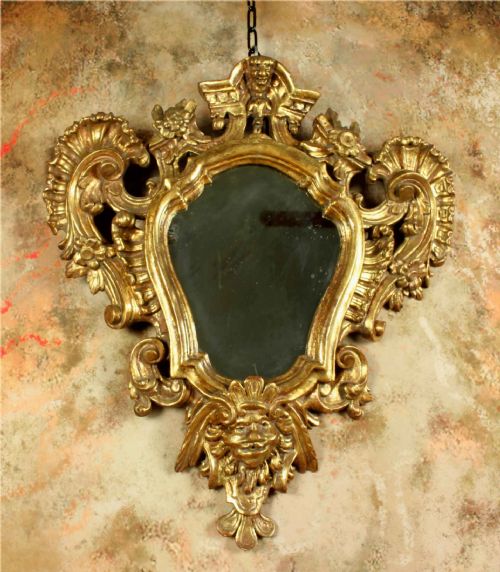
Gold Rococo Mantle Mirror
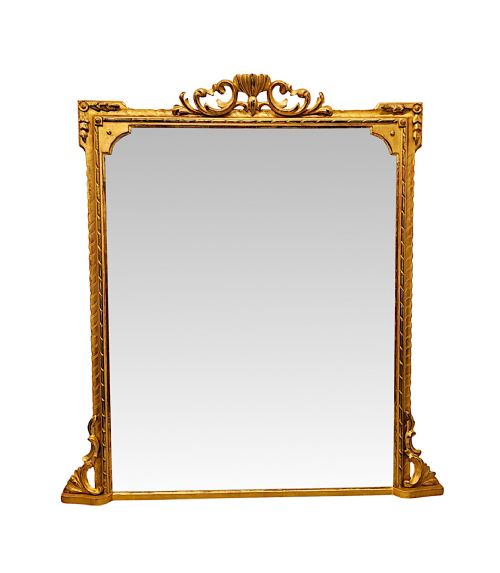
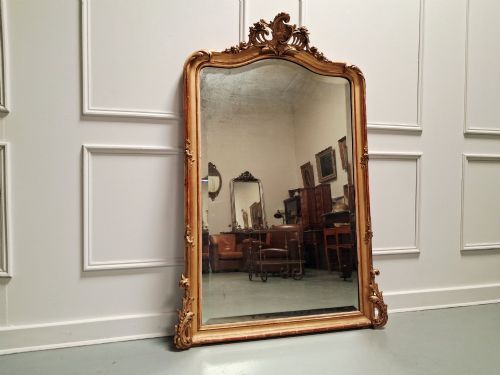
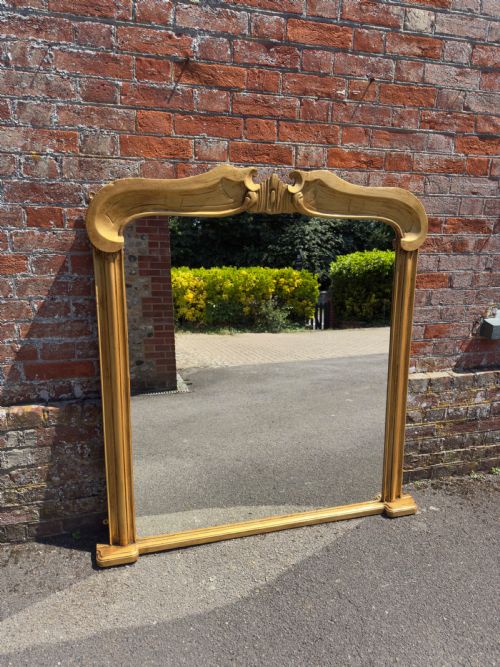
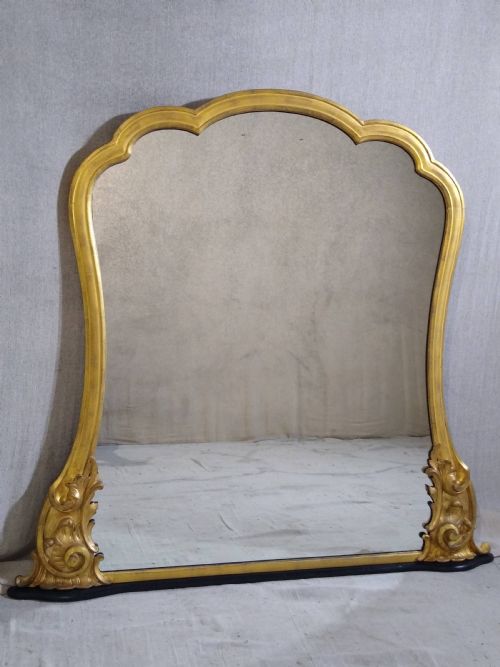
Gold rococo mantle mirror selections bring exuberant, fluid ornament and grand scale into a room, originating primarily from the nineteenth century.
Gold Rococo Mantle Mirror
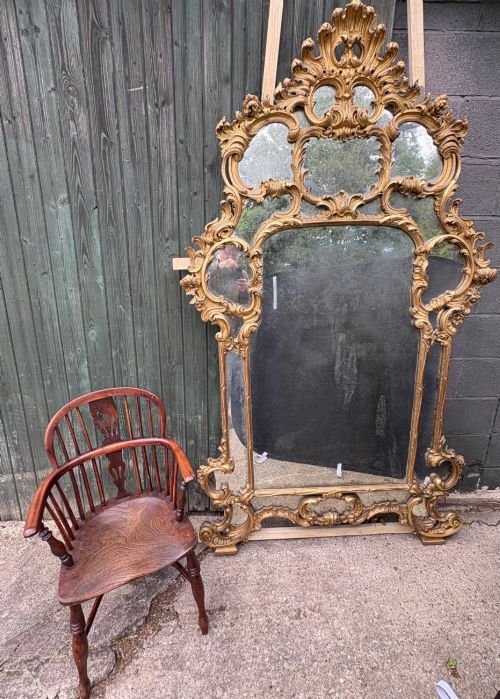
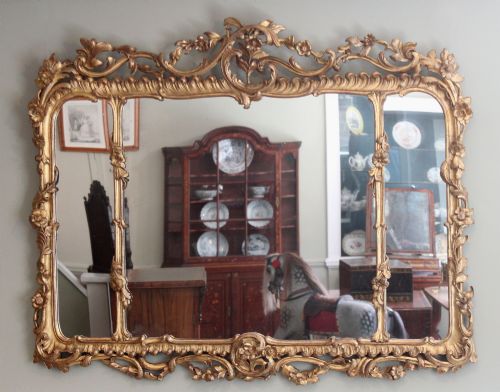
A gold rococo mantle mirror serves as a grand decorative focus above a fireplace, taking the form of large wall mirrors, overmantels, and pier mirrors. These objects command attention through sweeping, asymmetric curves and ornate scrolling frames designed to reflect light and space within a chamber.
Buyers will most frequently encounter nineteenth-century interpretations on this page, alongside earlier eighteenth-century examples and revival pieces. The selection spans French, English, and Italian origins, capturing styles from the Victorian era to Louis XV revivals.
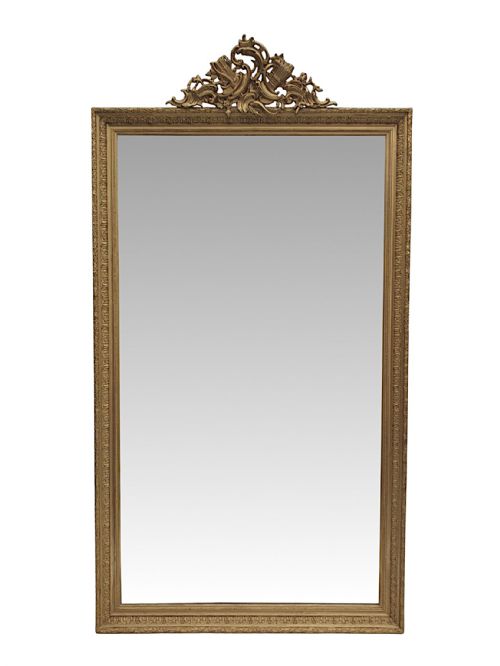
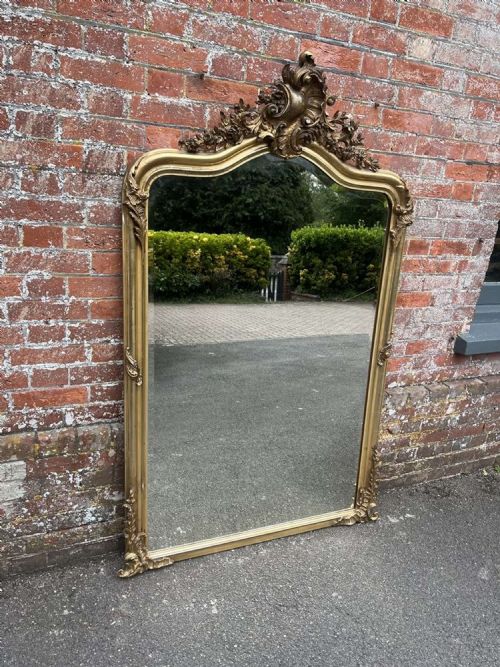
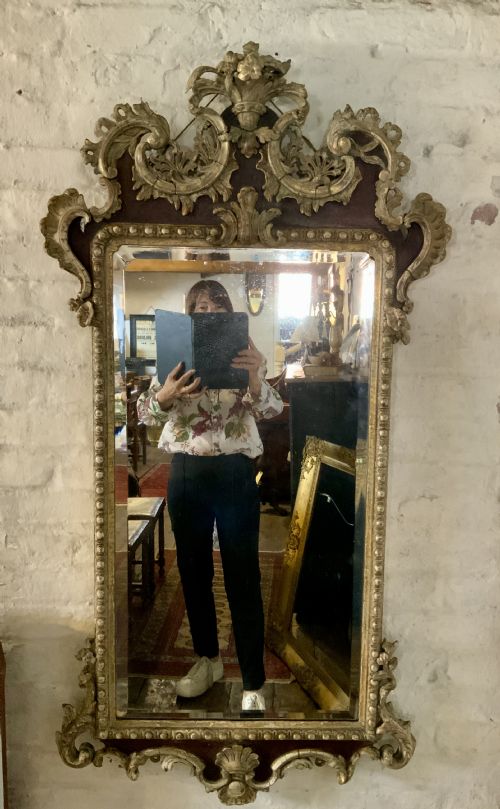
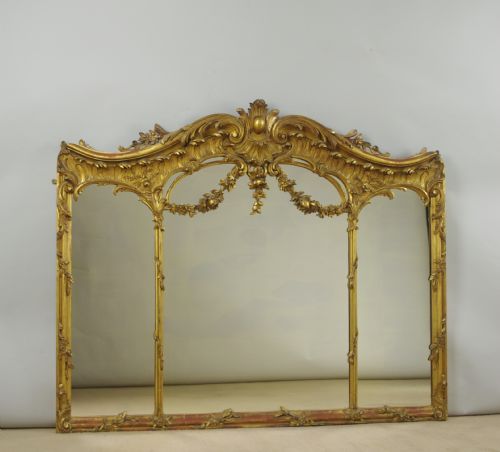
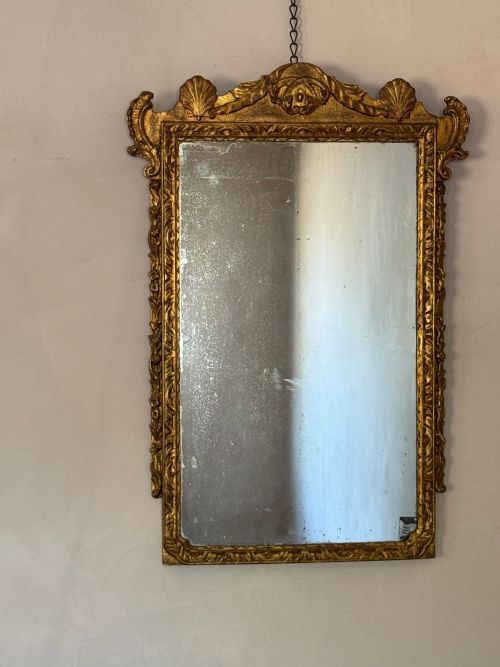
Forms range from simple archtops to massive triple-plate compositions and elaborate frames crowned with central cartouches or decorative masks. Each piece demonstrates the enduring appeal of asymmetrical design and heavy gilding in domestic interiors.
How they were made
Makers shaped these frames from timber such as oak, walnut, mahogany, and carved wood, building up intricate relief details with gesso and composition material. Artisans then applied gold leaf or silver and gold leaf surfaces to achieve a brilliant metallic sheen across the elaborate scrollwork.
The construction of large overmantel mirrors required sturdy joinery to support heavy glass plates, which were often bevelled or arranged as marginal plates. Carvers relied on hand-chiselling to define the deep C-scrolls, foliage, and shell motifs characteristic of the rococo idiom.
Several mirrors here stand taller than a full-grown person, ensuring your reflection comes with a generous serving of nineteenth-century drama.
What varies in quality
The depth and crispness of the carved detail separate exceptional frames from simpler moulded compositions, with hand-carved wood offering greater definition than pressed ornament. Superior examples maintain a harmonious balance between the organic asymmetry of the foliage and the structural integrity of the heavy wooden carcass.
The quality of the gilding and the preservation of the original gold leaf surface dictate the visual richness of the piece over time. Finer mirrors retain subtle variations in burnishing and tone across the gesso ground, whereas lesser items show flat or uniform modern refinishing.
The Gold Rococo Mantle Mirror Glossary
- Giltwood
- Wood that has been coated with gold leaf or gold paint. This finish creates the luminous surface seen on traditional antique frames.
- Gesso
- A plaster-like mixture applied to wood frames to create a smooth surface for carving and gilding. It allows artisans to model fine decorative reliefs.
- Overmantel mirror
- A large mirror specifically designed to be hung or placed on the mantelpiece above a fireplace. These pieces often span the width of the hearth.
- Cartouche
- An ornamental tablet or frame resembling a rolled-up scroll, frequently placed at the centre crest of rococo mirror frames.
- Composition
- A moulded material made from Whiting, oil, glue, and resin pressed into moulds to form decorative details. It was widely used as a cost-effective alternative to hand carving.
Gold Rococo Mantle Mirror: Frequently Asked Questions
How do I distinguish original gilding?
Original gilt surfaces typically exhibit fine craquelure, subtle wear revealing the red bole or white gesso underneath, and a softer metallic sheen. Modern metallic paints tend to appear uniform and lack the tonal depth of genuine gold leaf.
Close inspection under natural light helps reveal the microscopic layers accumulated over centuries of existence.
What periods do these mirrors represent?
The selection encompasses eighteenth-century originals alongside nineteenth-century revivals such as Victorian and Louis XV styles. Makers across the eighteen-fifties through the early twentieth century continuously reinterpreted these opulent designs.
Each era introduced subtle shifts in carving depth, frame thickness, and preparation materials.
Are these mirrors suitable for modern interiors?
Their dramatic scale and ornate frames provide a striking contrast against minimalist contemporary decor, acting as a focal art piece. The reflective glass enhances spatial depth in both traditional and modern settings.
Interior designers frequently utilise them to break up large expanses of plain wall.