



Gold Rococo Brackets
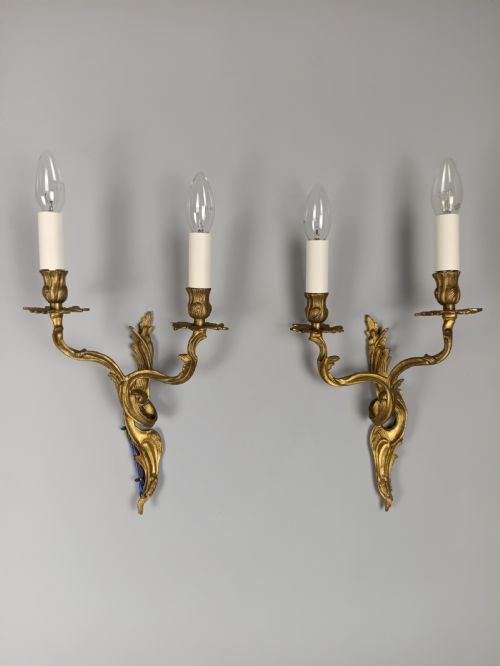
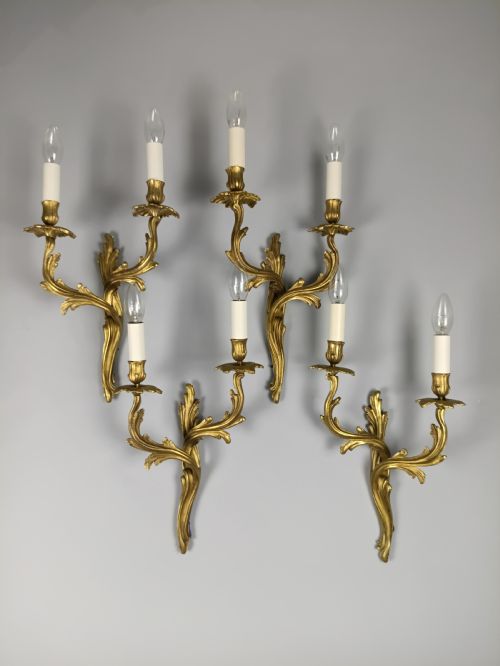
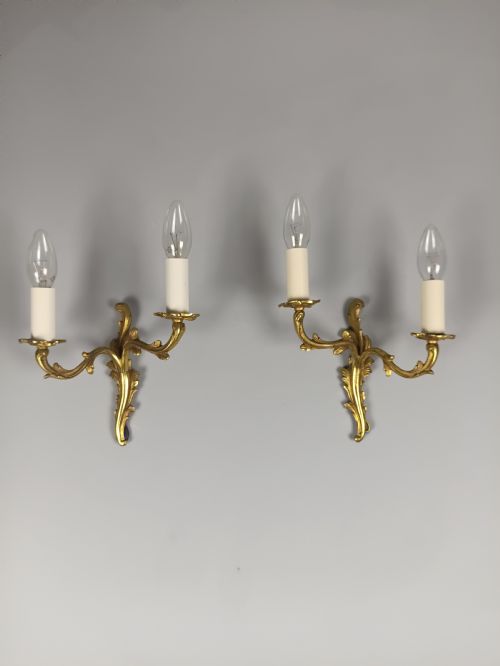
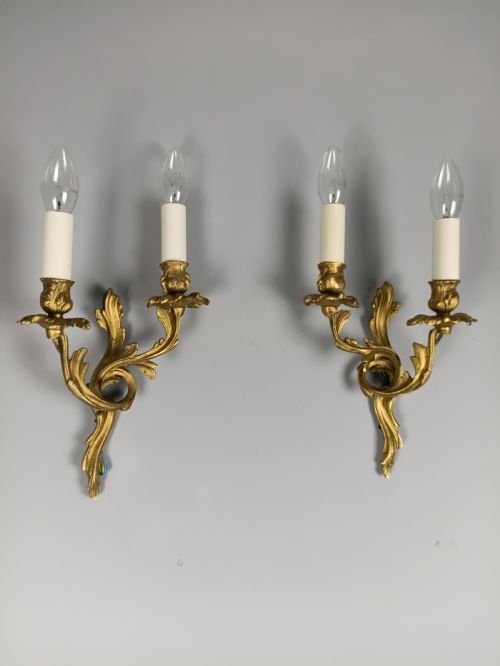
Gold rococo brackets bring exuberant C18th curves and gilded surfaces to interior walls.
Gold Rococo Brackets
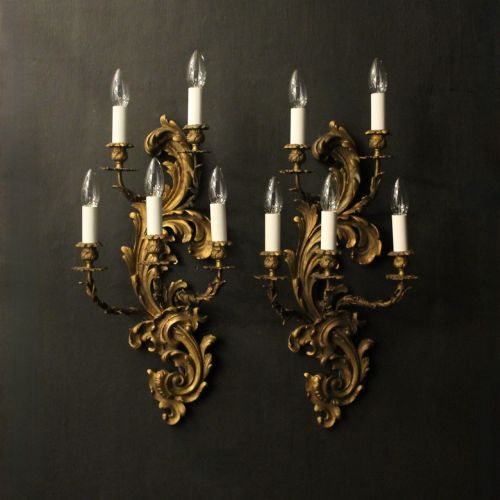
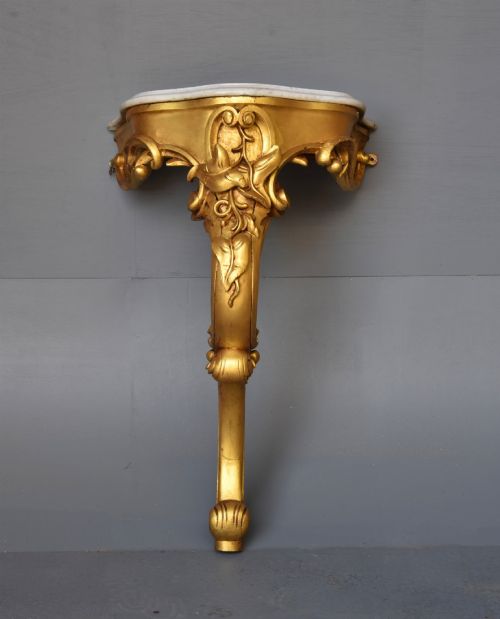
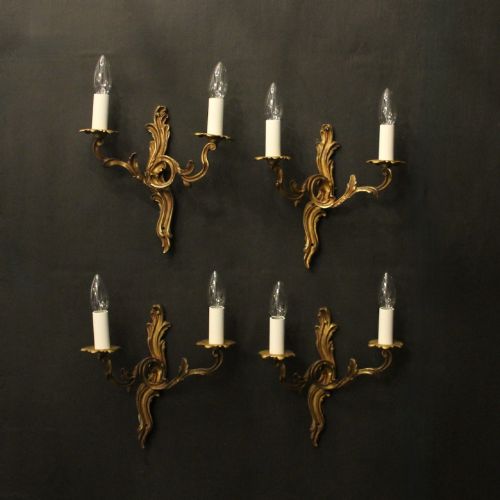
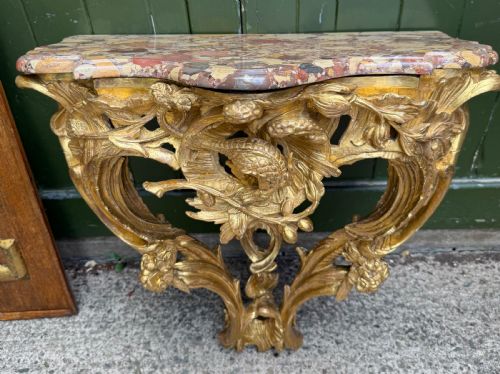
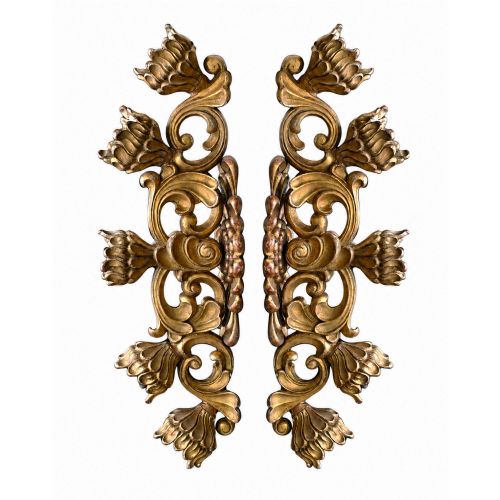
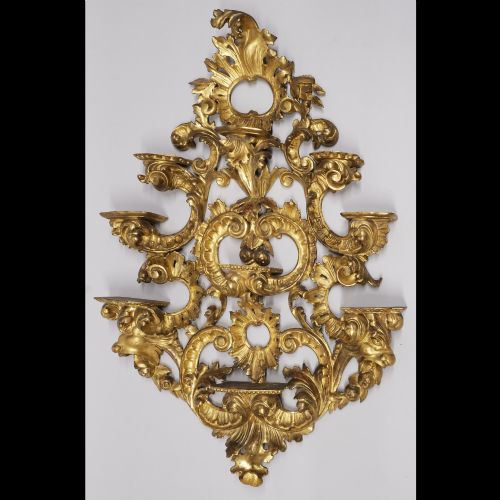
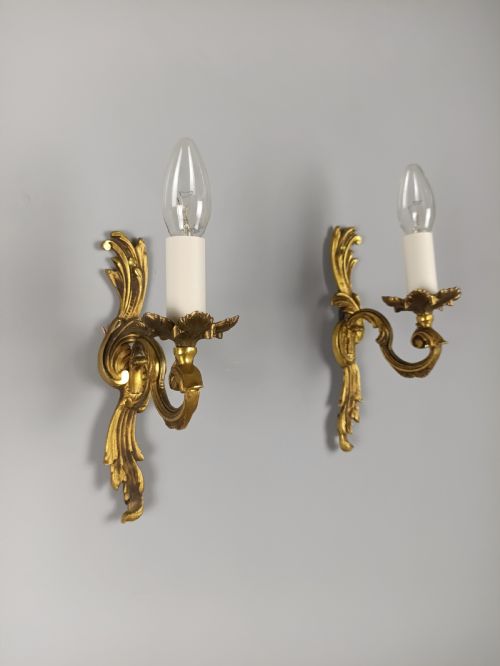
Gold rococo brackets encompass architectural ledges, wall lights, and small console tables originating across periods from the eighteenth century to the early twentieth century. Buyers searching this phrase meet heavily ornamented giltwood and gilt brass pieces bearing asymmetric C-scrolls, floral motifs, and shell work.
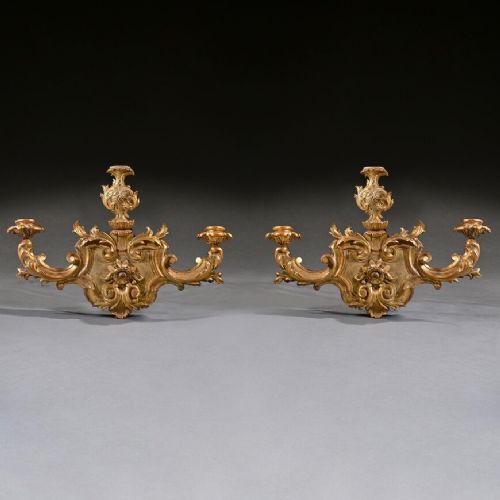
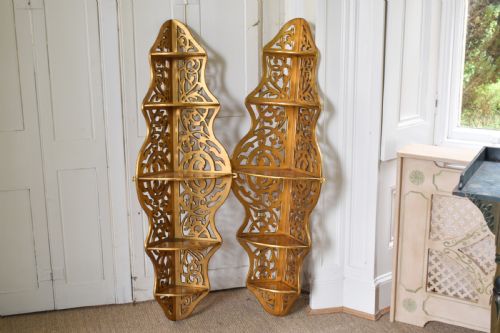
The selections span English, French, and Italian workshops, with French rococo revival and Florentine designs dominating the current grouping. Forms range from single arm sconces and corner shelves to carved wooden wall brackets designed to support clocks or porcelain.
How they were made
Carvers shaped wood like gesso and giltwood using dense timbers, applying layers of plaster and gold leaf to create reflective surfaces. Foundries cast ormolu, brass, and gilt bronze elements, frequently chasing the metal by hand to sharpen leaf and scroll details.
Makers integrated various components using traditional joinery and metal pins, mounting arms securely to backplates. Gilding methods varied from water gilding on bole to oil size applications on bronze and brass.
Gold Rococo Brackets Retail Price Guide 2026
Typical asking prices for gold rococo brackets among the pieces listed under this phrase on Sellingantiques today, from the lower quarter to the upper quarter. They describe what is for sale here now, not the wider market.
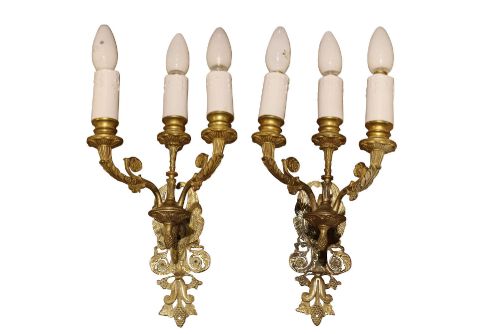
Winged cherub putti peer out from multiple gilt metal wall lights across the selection.
What varies in quality
The crispness of the carving and the depth of the metal chasing separate superior pieces from simpler castings. Hand-carved giltwood reveals precise undercut foliage, whereas lesser items rely on heavy moulded composition.
The integrity of the gilded surface alters the visual weight, with original gold leaf patinating differently than modern paint or re-gilding. Structural joins on arm fittings and console supports indicate the original maker's standard of construction.
Leon Message·Jollet et Cie
The Gold Rococo Brackets Glossary
- Giltwood
- Timber coated with gold leaf over a prepared gesso ground. This technique creates a warm, matte metallic finish typical of antique Italian and French frames and brackets.
- Ormolu
- Finely ground high-purity gold amalgamated with mercury and fired onto a bronze base. The process produces a durable, rich golden lustre common on C19th mounts.
- Gesso
- A plaster mixture applied to wood surfaces as a base for carving and gilding. It allows craftsmen to model sharp relief details before applying gold leaf.
- Rococo Revival
- A C19th decorative movement imitating the curved, asymmetric forms of the mid-C18th French court. Pieces in this style emphasise naturalistic asymmetry and scrollwork.
Gold Rococo Brackets: Frequently Asked Questions
What supported these gold rococo brackets?
These brackets typically supported mantel clocks, decorative porcelain, or smaller bronze figures on interior walls. Many items functioned as architectural shelf units or functional wall sconces.
Heavier console tables required direct attachment to wall studs beneath the marble tops. Wall lights screwed securely into timber framing to bear the weight of multiple candle branches.
How do I date giltwood pieces?
Dating relies on examining the timber species beneath the gesso and the wear patterns on the gold leaf. Eighteenth-century examples display hand-cut tool marks and thinner preparation layers.
Later revival periods from the Victorian era and early 1900s often employ machine-sawn backing timbers and heavier composition ornaments. Tool execution and style variations distinguish authentic C18th work from later reproductions.
Where should I hang wall sconces?
Wall lights suit flanking positions beside large mirrors, doorways, or mantelpieces within living spaces. Placing them at eye level maximises the reflective quality of the gilt bronze and ormolu.
Ensure adequate wall anchoring for heavier multi-branch metal fixtures. Electrical rewiring allows safe integration into modern lighting circuits.
How do I clean gilded surfaces?
Dust giltwood and ormolu gently using a soft, dry brush to avoid disturbing fragile gold leaf. Moisture can damage underlying gesso and historical patination.
Avoid chemical polishes on gilded bronze or brass mounts. Professional conservation prevents accidental removal of original gilding.