






Gold Reeded Mirror
A gold reeded mirror brings architectural structure and bright reflection into a room, channelling classical proportion through linear moulding.
Gold Reeded Mirror
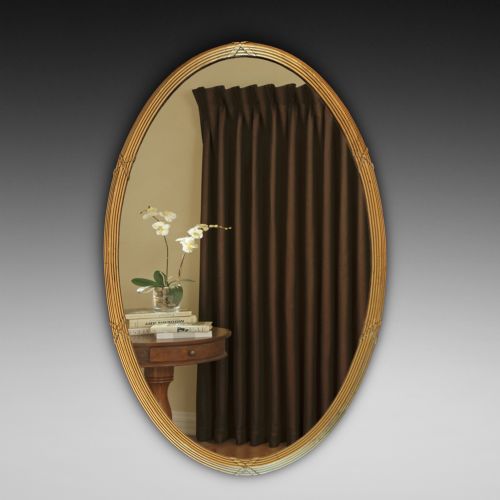
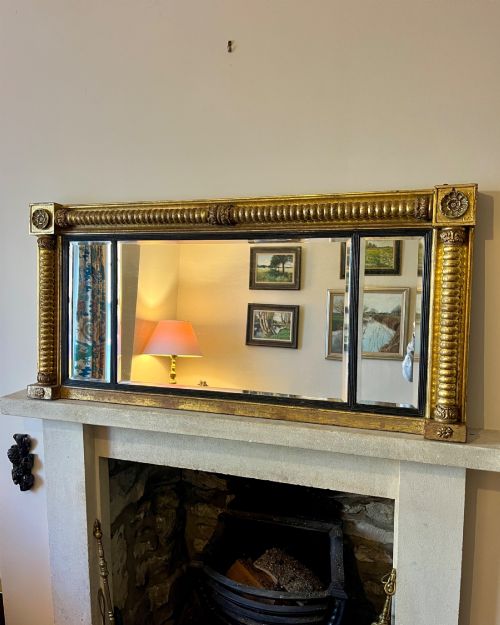
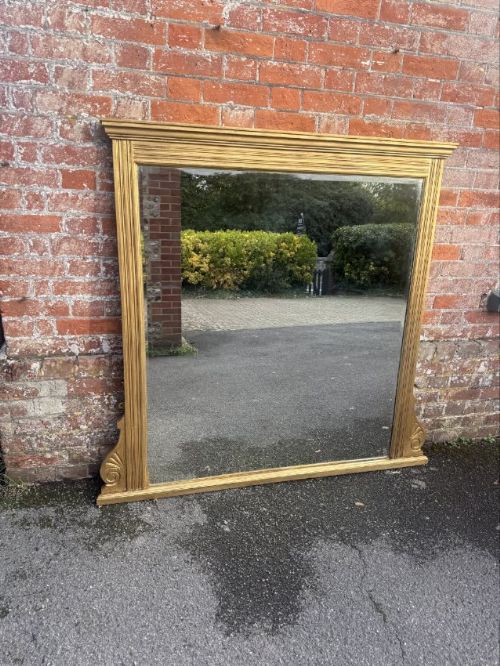
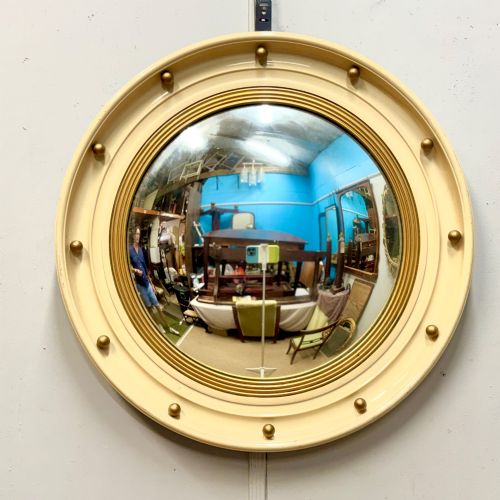
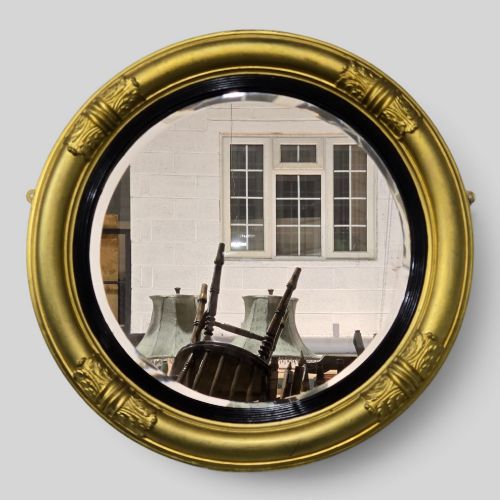
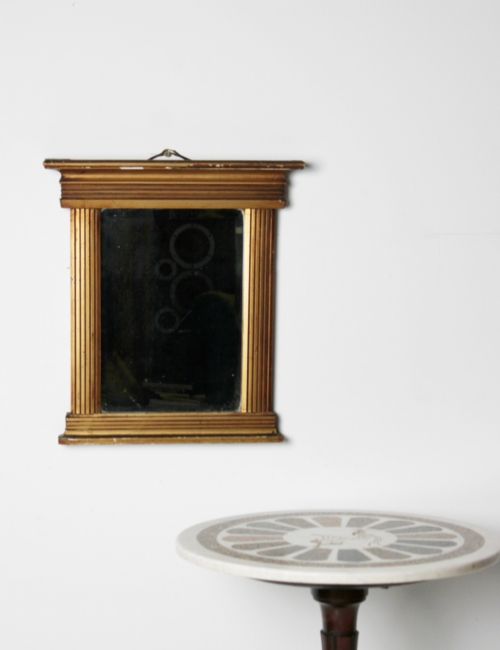
A gold reeded mirror delivers structural definition through parallel convex mouldings that frame the glass. Buyers searching for a gold reeded mirror encounter formats ranging from tall pier glasses to round convex butler mirrors and wide overmantels.
The selections span nineteenth century Regency and Victorian periods alongside Edwardian and Art Deco pieces. Round frames and rectangular wall mirrors dominate the forms currently available on this page.
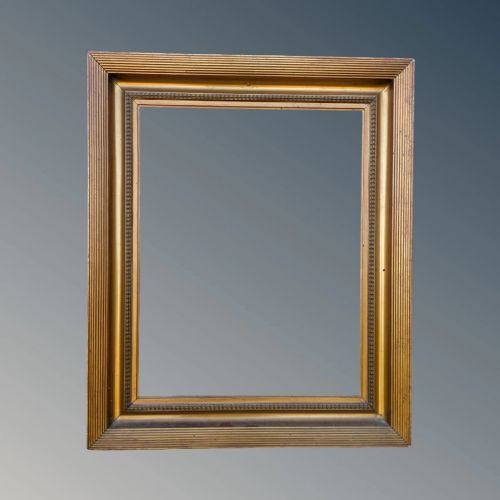
Origins vary between English workshops and French ateliers, encompassing Neoclassical and French Chateau styles. Pier mirrors and picture frames adapted as looking glasses appear frequently in the inventory.
Materials and construction methods
Carved wood provides the foundational structure for many frames, shaped to create the characteristic parallel reeds. Gesso and composition paste are applied over the timber base to build up crisp architectural details before gilding.
Giltwood, gold leaf, and applied gilt finishes coat the moulded surfaces to impart a metallic sheen. Glass plates are set within these frames, occasionally showing historical distress or convex curvature.
Gold Reeded Mirror Retail Price Guide 2026
Typical asking prices for gold reeded mirror among the pieces listed under this phrase on Sellingantiques today, from the lower quarter to the upper quarter. They describe what is for sale here now, not the wider market.
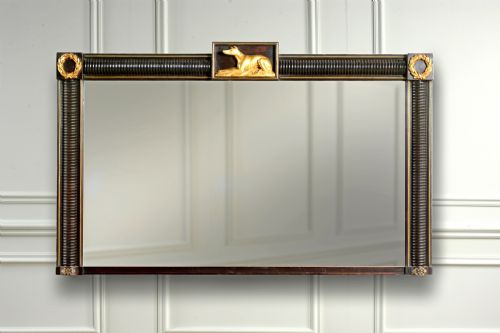
Keep an eye out for a gilded greyhound keeping watch from the top of an ebonised overmantel.
Distinctions in craftsmanship
Superior examples demonstrate hand-carved wooden reeds rather than moulded composition paste alone. The crispness of the reeding and the depth of the gilt surface determine the visual presence of the piece.
Original mirror plates with natural oxidation separate authentic period examples from later replacements. The integrity of the underlying wood and gesso construction dictates long-term stability.
The Gold Reeded Mirror Glossary
- Reeded
- Formed of parallel convex mouldings resembling bundled plant stems. This decorative surface treatment adds linear texture to the frame edge.
- Gesso
- A plaster-like mixture applied to wood frames to create a smooth surface for gilding. It allows intricate relief work to be cast or carved.
- Giltwood
- Timber that has been coated with gold leaf or metallic powder over a prepared base. It provides a durable and luminous finish.
- Pier Mirror
- A tall looking glass designed to hang on the wall space between windows. These pieces often feature extended vertical proportions.
- Overmantel Mirror
- A wide looking glass proportioned to sit above a fireplace mantel. They frequently incorporate multiple plate sections or decorative crests.
Gold Reeded Mirror: Frequently Asked Questions
Where should I hang a pier mirror?
Pier mirrors work best on narrow wall spaces between architectural openings or above low console tables. Their vertical proportions help reflect light into darker corners of a room.
Ensure the wall anchors are rated to support the weight of the wood and gesso frame securely.
How do I clean a gilded frame?
Dust gilded surfaces gently with a soft, dry brush to prevent damage to the delicate gold leaf. Avoid using liquid cleaners or chemical sprays that can strip the metallic finish.
Routine maintenance requires only light brushing to remove accumulated dust without disturbing the underlying gesso.
What is a convex mirror used for?
Convex mirrors provide a wide-angle reflection that captures the entirety of a room in miniature. Historically placed in public rooms or butlers pantries to monitor activity.
Their curved glass creates a distinct optical effect that differentiates them from flat wall mirrors.
How can I date an antique mirror?
Examine the construction methods behind the frame, including the type of wood and the application of gesso. Hand-carved details and old joinery point towards nineteenth-century production.
Inspect the glass plate for foxing, beveling styles, and how it is secured into the rebate of the frame.