



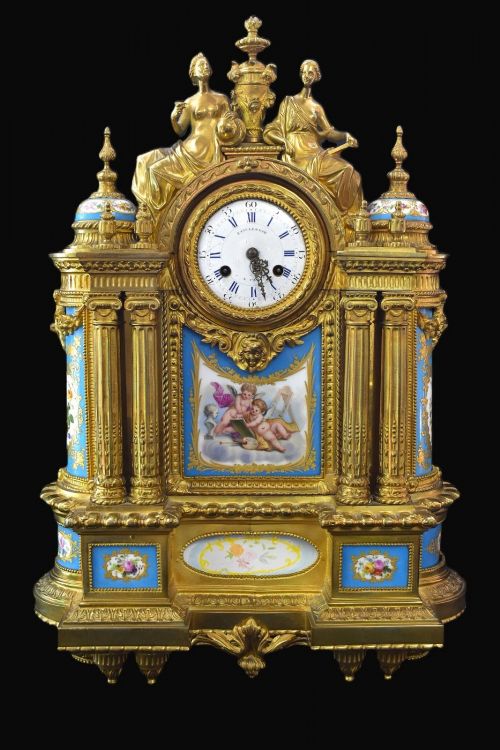


Gold Porcelain Figure
A gold porcelain figure combines delicate ceramic modeling with metallic enrichment, offering rich decorative detail from the nineteenth and early twentieth centuries.
Gold Porcelain Figure
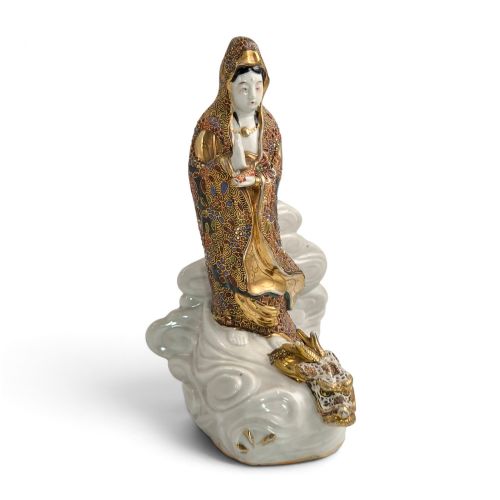
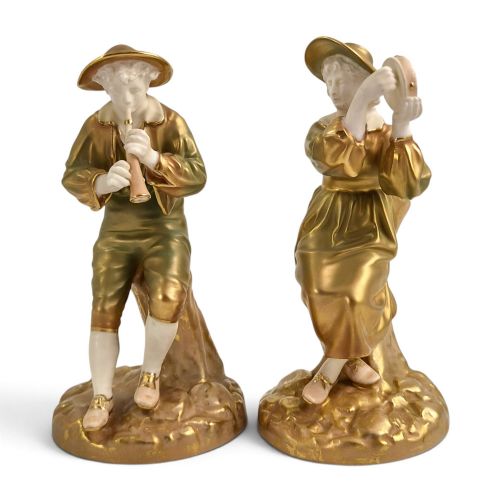
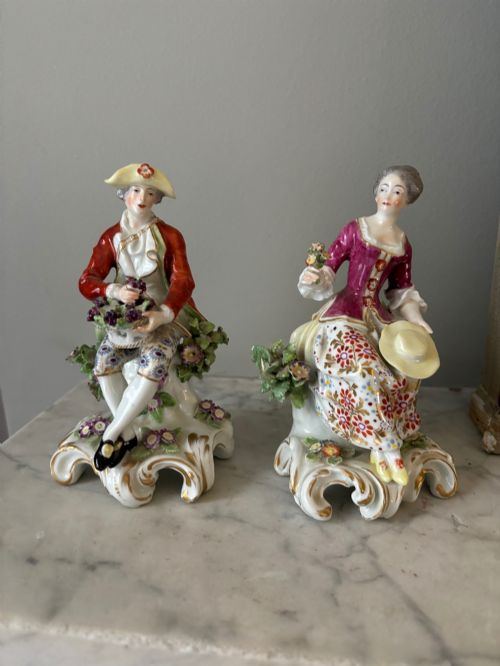
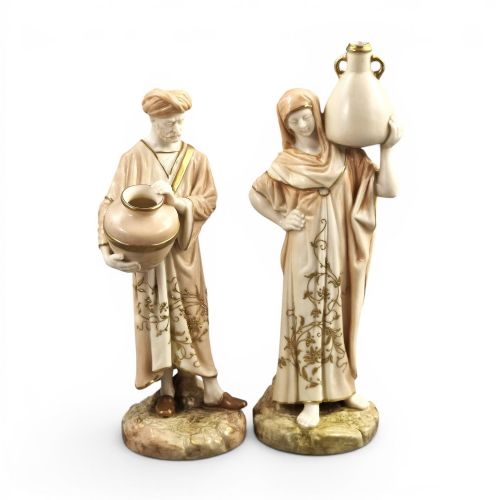
A gold porcelain figure spans European studio works and Japanese Satsuma or Kutani traditions originating across the nineteenth and early twentieth centuries. These objects take the form of human figures, deities, and mythological representations often accompanied by vases and mantle clocks.
English factories such as Chelsea and Royal Worcester dominate the European examples, whilst Japanese artisans contribute finely painted figural okimono and ceramic deities. Buyers frequently encounter nineteenth-century Victorian and Edwardian iterations featuring intricate hand-painted enamels and gilt highlights.
The phrase gold porcelain figure encompasses both standalone sculptures and decorative figures integrated into French or Japanese domestic pieces. Most specimens date from the Victorian era up to the nineteen-twenties, reflecting diverse global manufacturing styles.
Materials and Technique
Manufacturers utilise hard-paste or soft-paste porcelain bodies, shaping them into detailed figural forms before applying cobalt blue, pastel hues, and polychrome enamels. Firing fixes the base ceramic glaze prior to subsequent decoration.
Gold Porcelain Figure Retail Price Guide 2026
Typical asking prices for gold porcelain figure among the pieces listed under this phrase on Sellingantiques today, from the lower quarter to the upper quarter. They describe what is for sale here now, not the wider market.
Materials recorded across the inventory include ormolu, enamel, earthenware, and gold leaf.
Standards of Execution
The depth and application of the gilding, whether through heavy gold leaf or precise brushwork, determine the visual impact of the object. Heavier ormolu mounts and signed artist marks denote higher execution standards.
Royal Worcester·Chelsea Porcelain·Edme Samson·Ernst Wahliss·Royal Dux·Kinkozan Kyoto·Tokyo Taizan
The Gold Porcelain Figure Glossary
- Okimono
- A Japanese freestanding decorative carving or figure designed for display on a shelf or in a tokonoma. These objects often depict deities, historical figures, or daily scenes.
- Ormolu
- Gilded bronze used as a decorative mount or structural base for nineteenth-century porcelain clocks and lamps. This technique involves applying a gold amalgam to bronze.
- Satsuma
- A type of Japanese pottery originating from Satsuma Province, characterised by an ivory crackle-glaze and dense polychrome and gilt decoration. Artisans often applied these designs to vases, jars, and figures.
- Soft-paste porcelain
- An early European ceramic composition made from clay, glass frit, and alabaster, fired at lower temperatures than hard-paste porcelain. English factories utilised this material extensively in the eighteenth and nineteenth centuries.
Gold Porcelain Figure: Frequently Asked Questions
How do I identify a gold porcelain figure?
Examine the base for factory stamps, anchor marks, or artist signatures that indicate the origin and period of manufacture. Look closely at the application of the gilding and enamel painting to assess the hand-finished details.
Compare the style of the figure, whether Japanese Meiji or European Victorian, against known historical patterns and ceramic bodies. Handle the piece to inspect the weight and the integration of any gilt bronze or ormolu mounts.
Where were these figures displayed historically?
These decorative objects were traditionally placed on mantlepieces, sideboards, and display cabinets within Victorian and Edwardian drawing rooms. They served as conversation pieces and symbols of refined taste.
Collectors arranged them alongside matching vases, clocks, and garniture sets to create balanced interior displays. Their reflective gold surfaces caught the gas or natural light of the room.
How should I clean my porcelain figure?
Dust the surface gently with a soft, dry brush to remove particulate matter without abrading the delicate enamel or gold leaf. Avoid using harsh chemical cleaners or submerging pieces with metallic mounts in water.
Professional conservation is recommended for older items with unstable or flaking gilding. Regular, careful maintenance preserves the integrity of the hand-painted details.
What distinguishes Japanese from European figures?
Japanese pieces from the Meiji period often feature intricate crackle-glazes and dense narrative scenes depicting deities or historical figures. European examples typically employ crisp white porcelain bodies with pastel or cobalt enamels and distinct neoclassical or rococo styling.
The gold application also differs, with Japanese makers using fine moriage and heavy gilding over earthenware or porcelain, whilst European factories like Chelsea and Royal Worcester utilised refined gold leaf and anchor marks.