




Gold Porcelain Clock
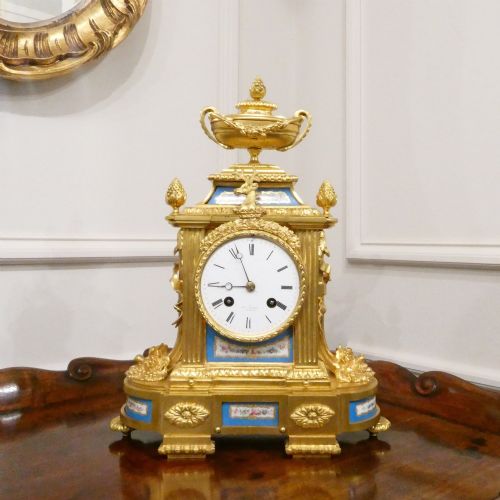
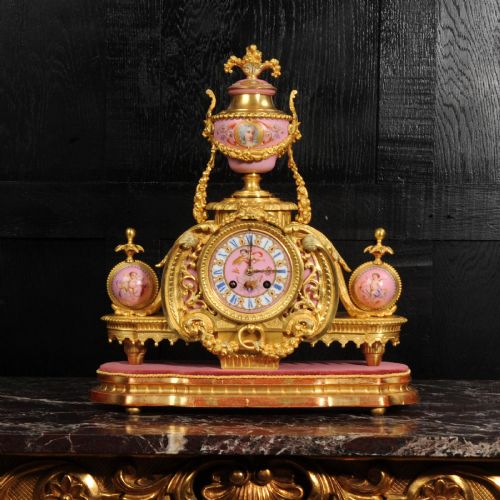
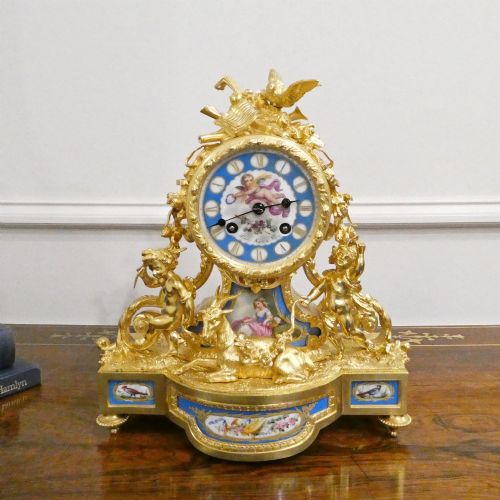
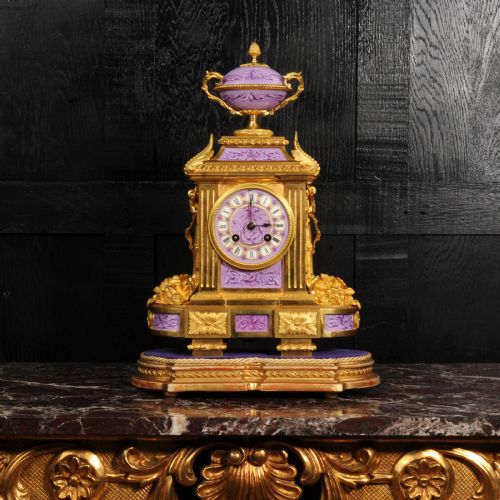
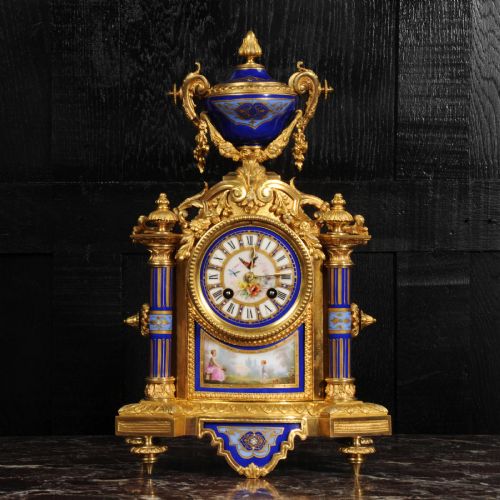
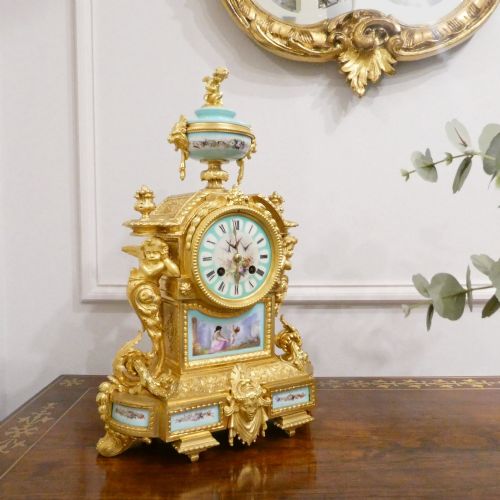
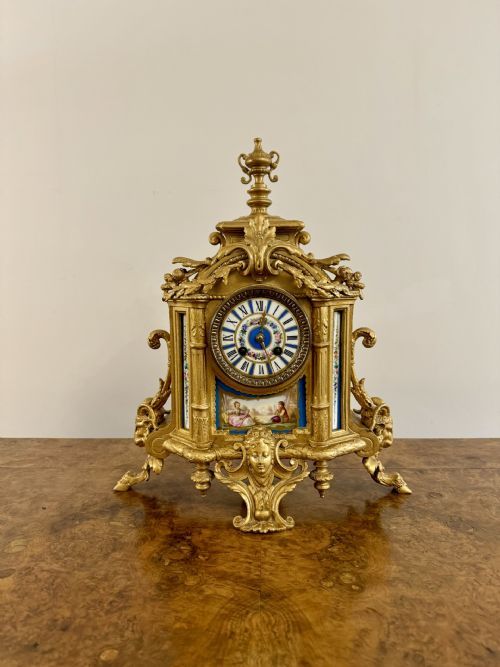
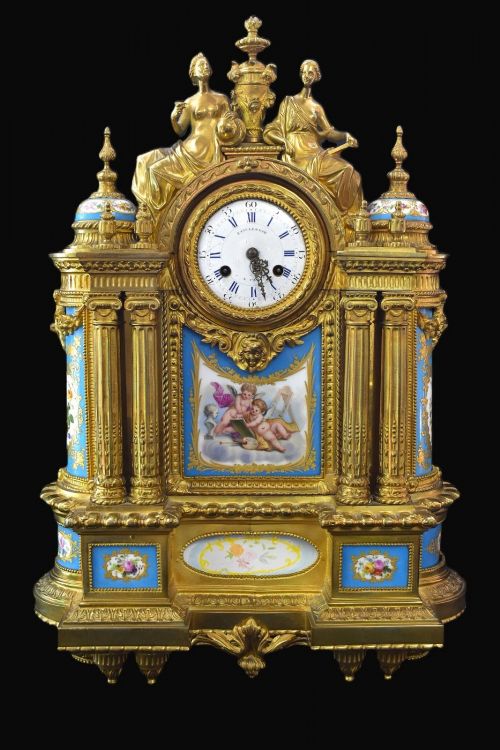
A gold porcelain clock brings the ornate confidence of nineteenth-century French workshops into a room through gilded metal and hand-painted ceramic panels.
Gold Porcelain Clock
A gold porcelain clock is fundamentally a nineteenth-century mantel timepiece that combines cast metal mounts with ceramic elements, predominantly originating from French makers during the Victorian era. These objects function primarily as decorative centrepieces for drawing rooms, utilising striking mechanisms alongside elaborate visual displays.
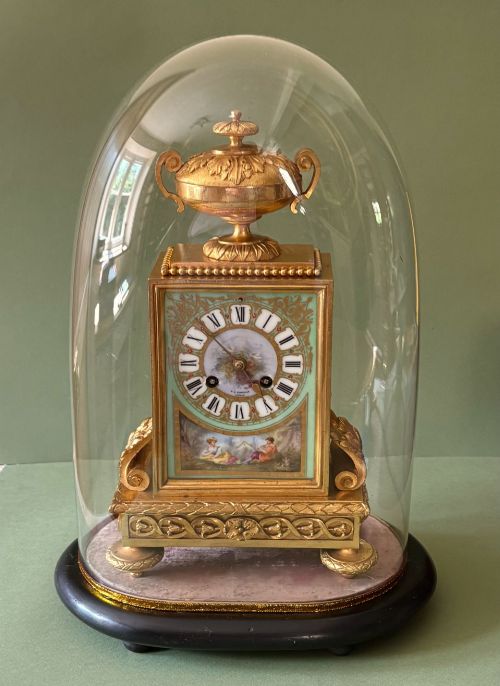
The version most commonly encountered on this page is the French mantel clock from the middle to late decades of the nineteenth century, often styled in Louis XVI or Rococo revival aesthetics. These pieces typically pair gilt bronze or ormolu frames with painted ceramic dials and decorative plaques depicting pastoral scenes or floral motifs.
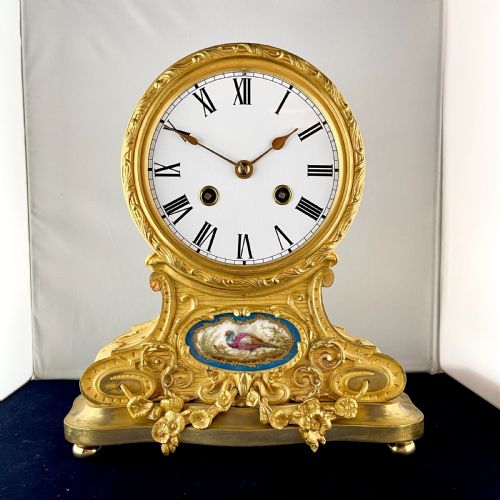
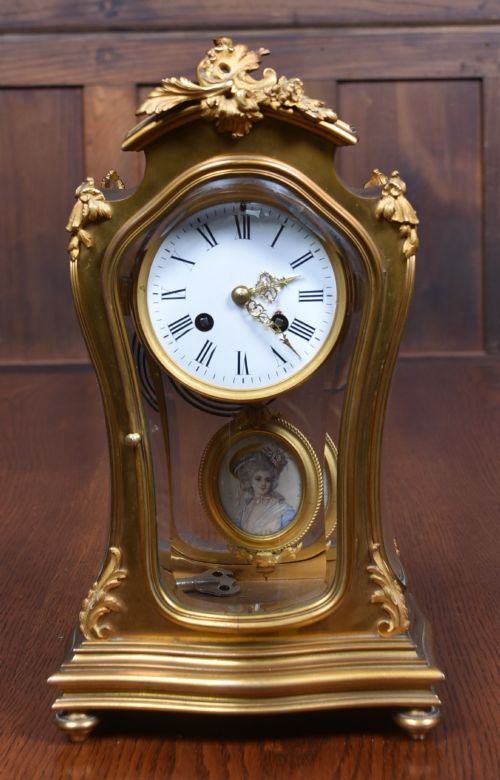
Beyond standard mantel clocks, buyers will also encounter drumhead designs and portable carriage clocks fitted with enamel panels or porcelain dials. Each variant shares a common architectural vocabulary rooted in nineteenth-century European horology, blending metallic structure with delicate ceramic surfaces.
Materials and construction
Makers constructed the structural frames of these timepieces using bronze, brass, and gilt metal, frequently applying mercury gilding or modern electroplating to achieve the characteristic golden surface. Ormolu mounts were intricately cast and chased by hand before being assembled around the central clockwork and ceramic components.
The ceramic portions, often associated with Sevres porcelain, were shaped, fired, and hand-painted with mineral colours before undergoing a final glaze firing. Enamel panels and porcelain dials received meticulous hand-lettering for numerals and delicate detailing around the bezel and border.
Gold Porcelain Clock Retail Price Guide 2026
Typical asking prices for gold porcelain clock among the pieces listed under this phrase on Sellingantiques today, from the lower quarter to the upper quarter. They describe what is for sale here now, not the wider market.
Materials documented across these timepieces include Sevres porcelain, gilt bronze, ormolu, crystal glass, and traditional enamel.
Distinctions in standard and execution
The division between standard production and superior work lies in the depth of the metal chasing and the artistic merit of the painted porcelain. Workshops that employed skilled modellers produced bronze mounts with crisp, sharp relief, whereas lesser examples show softened edges and simplified casting.
Movement sophistication also separates the tiers of these timepieces, with notable makers incorporating better escapements, repeater functions, or signed mechanical plates. The crispness of the hand-painted enamel and the preservation of the original mercury gilt finish determine the overall integrity of the piece.
Japy Freres·Achille Brocot·Henry Marc·Etienne Lenoir·Delettrez·Drocourt·Le Roy Et Fils·Rodier
The Gold Porcelain Clock Glossary
- Ormolu
- A method of applying finely ground high-carat gold to an bronze object using a mercury amalgam. This technique creates a deep, warm metallic lustre characteristic of luxury French metalwork.
- Sevres
- A historic French porcelain manufactory known for soft-paste and hard-paste ceramic luxury goods. Plaques and dials from this tradition frequently decorate nineteenth-century mantel timepieces.
- Carriage clock
- A small, portable spring-driven timepiece designed for travellers during the nineteenth century. They often feature glass panels and elaborate brass or gilt bronze framing.
- Drumhead clock
- A mantel clock featuring a circular dial housing mounted upon a distinct pedestal or base. This specific configuration places visual emphasis entirely on the porcelain dial.
- Repeater
- A mechanical complication in a clock that chimes the hours and quarters upon demand when a lever or cord is activated. This feature requires complex internal gearing alongside standard timekeeping trains.
Gold Porcelain Clock: Frequently Asked Questions
How do I wind a nineteenth century mantel clock?
Wind the clock using the appropriate key provided for the spring arbours on the dial face, turning gently until resistance increases. Avoid over-winding to protect the historical tension springs inside the movement.
Ensure you set the time by moving only the minute hand clockwise, as reversing the mechanism can damage the striking train and delicate internal linkages.
Where should I place a gilt bronze clock?
Position the clock on a stable, level mantelpiece or sturdy console table away from direct sunlight and fluctuating heat sources. This protects the delicate enamel and prevents the wooden structure behind the bronze from warping.
Keep the piece away from damp environments to preserve the integrity of the mercury gilt surface and prevent oxidation of the brass and bronze components.
How can I tell a Louis XVI style clock apart from Rococo?
Louis XVI style clocks rely on neoclassical symmetry, straight architectural lines, urn motifs, and restrained geometric gilt bronze mounts. They reflect a structured adherence to classical Greek and Roman design principles.
Rococo revival pieces embrace asymmetry, flowing scrollwork, naturalistic shell motifs, and exuberant, curving organic forms. These designs prioritize theatrical movement over rigid architectural balance.
What is a crystal regulator clock?
A crystal regulator is a mantel clock featuring glazed glass panels on all four sides, allowing an unobstructed view of the mechanical movement and swinging pendulum from multiple angles. These pieces emerged during the later decades of the nineteenth century.
They combine heavy gilt brass or bronze frameworks with delicate porcelain dials, creating a transparent housing that showcases both horological engineering and decorative metalwork.