
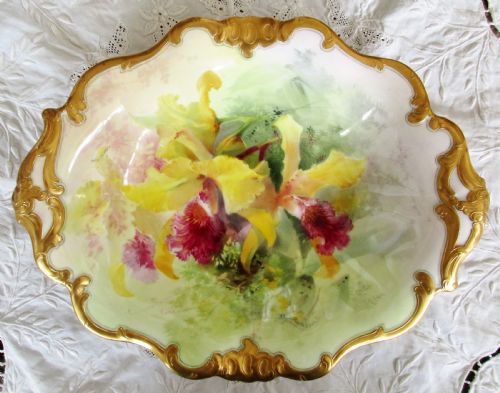
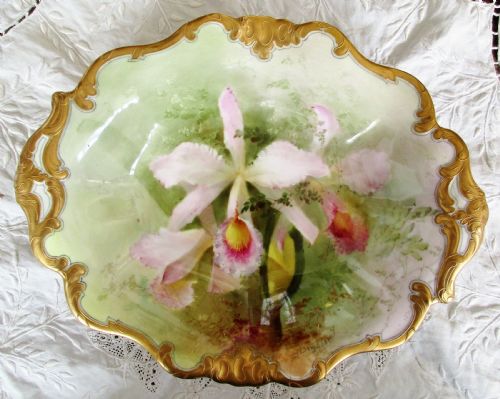
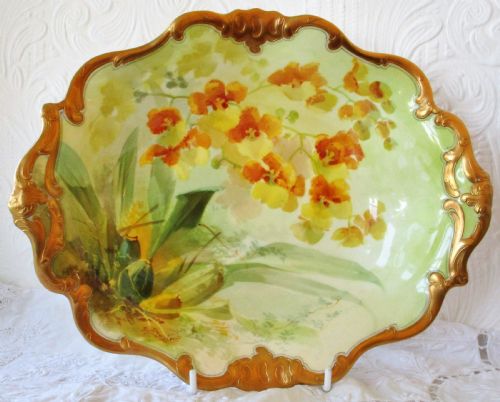
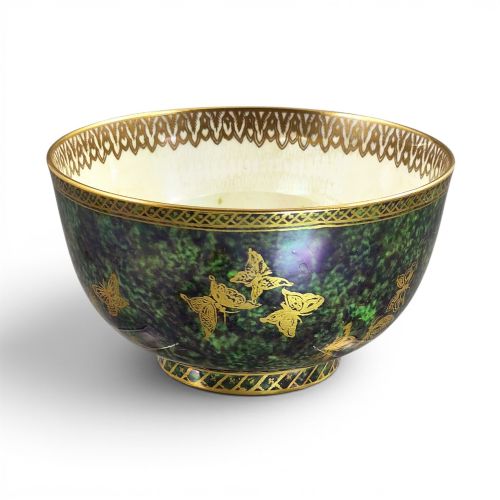

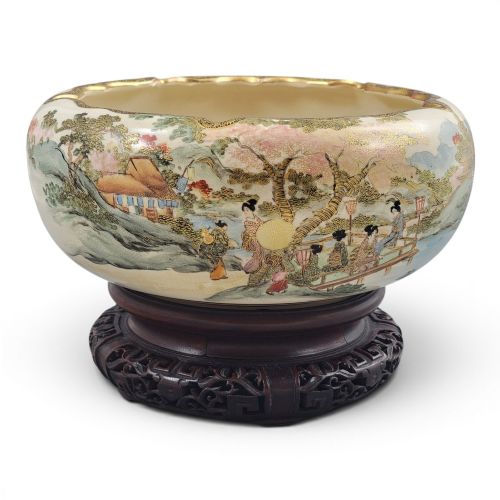


Gold Porcelain Bowl
When you search for a gold porcelain bowl, you are looking at ceramic vessels brought to life with metallic leaf or fine gilding from the Georgian era through to the mid-twentieth century.
Gold Porcelain Bowl
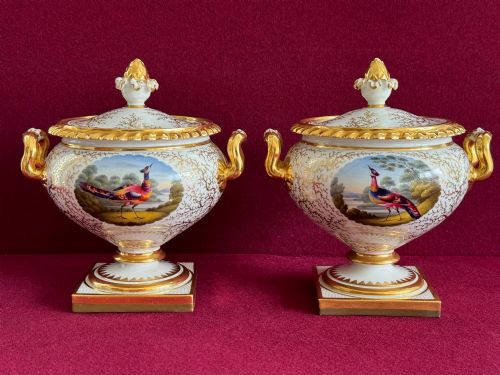
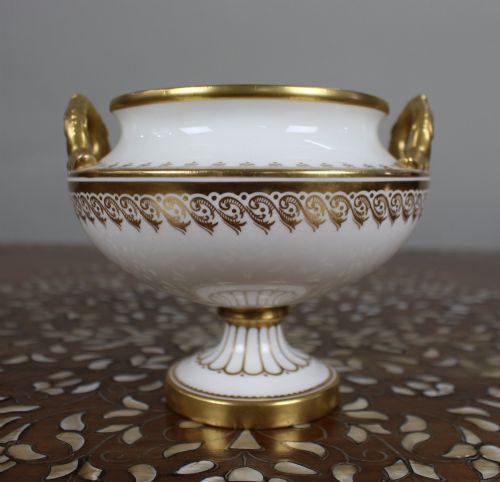
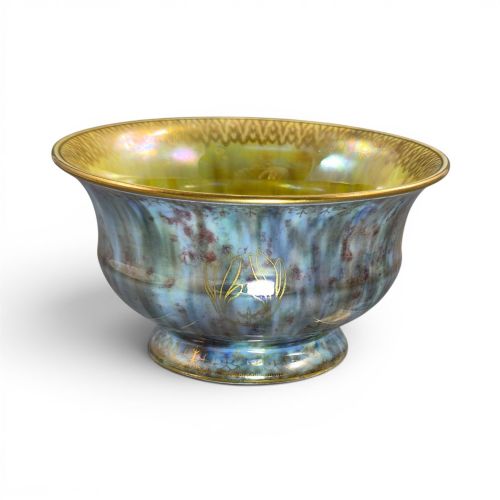
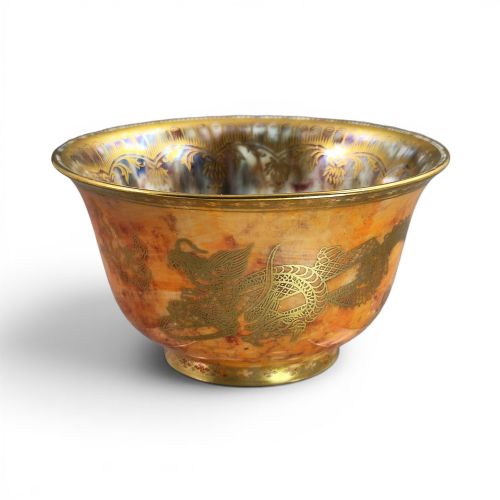
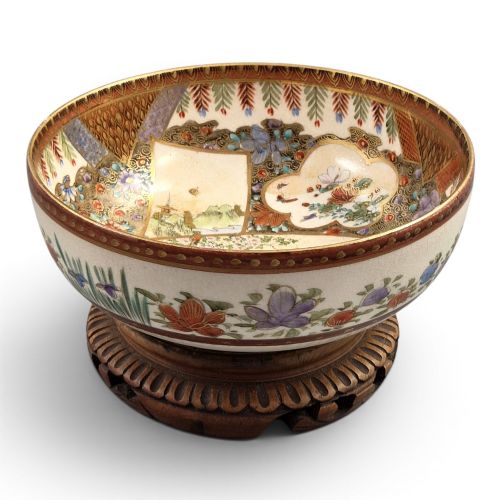
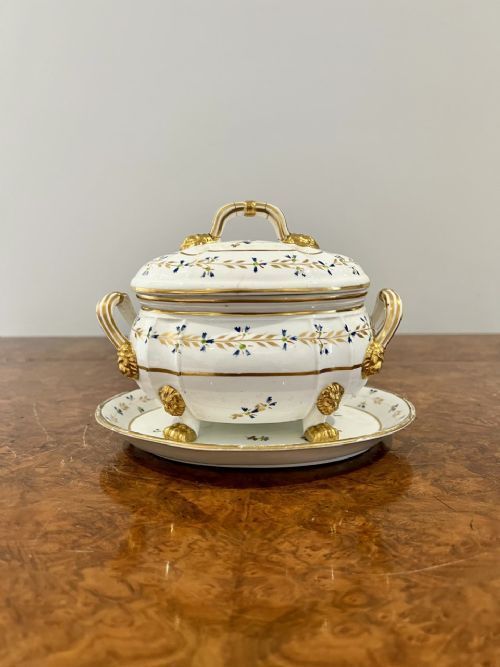
A gold porcelain bowl covers a diverse array of decorative and utilitarian vessels, ranging from early nineteenth-century English cabinet pieces to elaborate Japanese Satsuma wares and Edwardian lustre items. You will frequently encounter decorative bowls, sucriers, and serving dishes that integrate metallic lustre or gilt detailing across varied periods.
The selection on this page spans foundational factories and studios from English, European, and Japanese traditions. Pieces appear from historical periods including the Georgian and Regency eras, through the Victorian decades and into the twentieth century.
How they were made
Makers shaped porcelain, bone china, earthenware, and ironstone before applying glazes, enamel colours, and metallic embellishments. Artisans utilised gold leaf and fine gilding techniques alongside hand-painted botanical or landscape motifs.
Firing methods varied from traditional kiln processes for fine English porcelain to the intricate crackle glazes and dense enamel work characteristic of Meiji period Satsuma earthenware and porcelain.
Materials represented across the selection include porcelain, bone china, ironstone, earthenware, and gold leaf.
What varies in quality
The degree of artistic execution in hand-painted details, such as botanical studies or figurative battle scenes, separates standard production from exceptional studio outputs. The crispness of the moulding and the depth of the gilding also distinguish finer examples.
The prestige of the maker or studio, alongside signed attribution from renowned designers, marks out the upper tier of the range.
Chamberlains Worcester·Royal Doulton·Wedgwood·Spode·Meissen·Crown Derby·Sevres·Coalport·Kinkozan·Royal Worcester·Mason·Limoges
The Gold Porcelain Bowl Glossary
- Sucrier
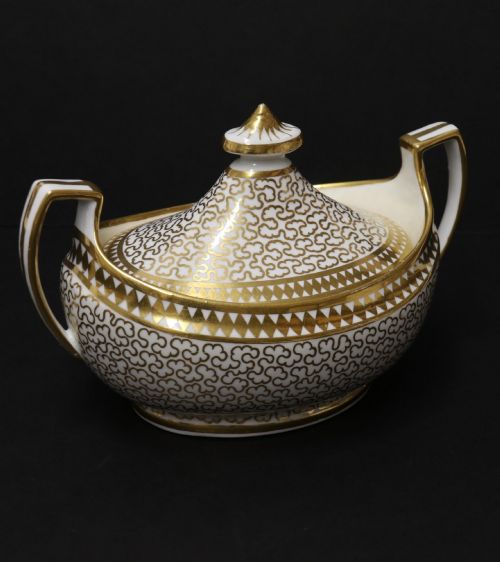
- A small sugar bowl, often provided with a matching cover, designed for use at the tea table. These vessels frequently feature detailed handles and gilt accents.
- Lustre
- A ceramic glaze containing metallic elements that produce an iridescent or reflective sheen upon firing. This technique creates shimmering surface effects across decorative bowls.
- Satsuma
- Japanese earthenware traditionally characterised by an ivory crackle glaze decorated with rich enamels and raised gold. Many fine examples carry artist signatures and the Shimazu crest.
- Ironstone
- A heavy, durable type of ceramic developed in the nineteenth century as a robust alternative to porcelain. It readily accepts coloured glazes and gilding.
- Champlevé
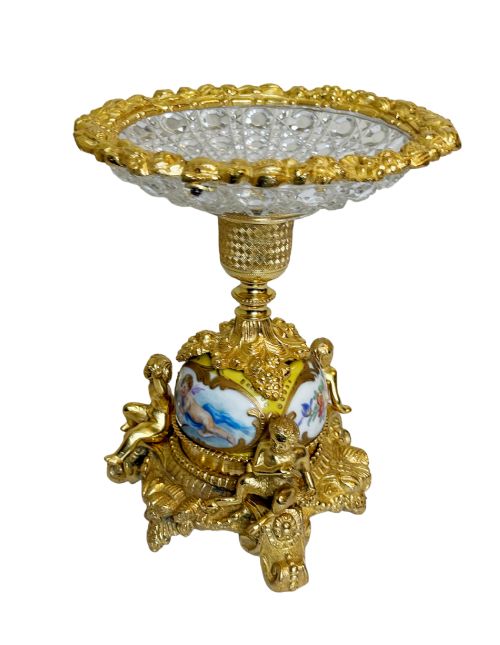
- An enamelling technique where depressions are carved into a metal base and filled with enamel paste before firing. This method appears on mounts framing porcelain centrepieces.
Gold Porcelain Bowl: Frequently Asked Questions
How do I date an antique gold porcelain bowl?
Dating relies primarily on factory backstamps, ceramic bodies, and stylistic indicators such as Edwardian lustre patterns or Georgian forms. Comparing the glaze and decoration style to documented studio periods helps narrow the manufacturing window.
Changes in raw materials, from early bone china to later ironstone bodies, also offer reliable chronological clues when combined with the specific signature or mark of the maker.
Were these bowls used for food or display?
Many items, such as fruit dishes, sugar bowls, and punch bowls, originated as functional tablewares for dining and tea service. Others served strictly as cabinet pieces or decorative centrepieces.
Heavily gilt or enamelled cabinet dishes were generally intended for visual appreciation rather than daily culinary service, preserving their delicate surfaces.
How should I clean a gilt porcelain bowl?
Care requires gentle dusting with a soft, dry cloth to protect fragile surface gilding and enamel work. Water and cleaning agents should be avoided unless handled with extreme caution.
Avoid abrasive materials entirely, as modern cleaners can easily strip historic gold leaf and delicate hand-painted overglaze details from the ceramic body.
What is the difference between porcelain and earthenware bowls?
True porcelain utilises refined kaolin clay fired at high temperatures to create a vitrified, non-porous body that often rings when struck. Earthenware, such as Satsuma ware, uses a softer, more porous clay body.
Earthenware pieces frequently feature a characteristic crackle glaze beneath their enamel and gold decoration, distinguishing them from the smooth, dense surface of porcelain.