
Gold Pocket Watch Albert
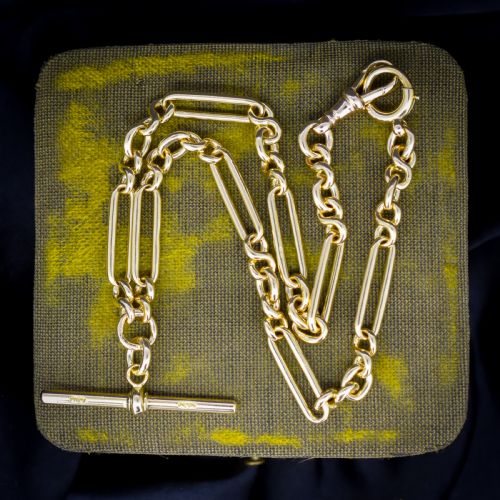
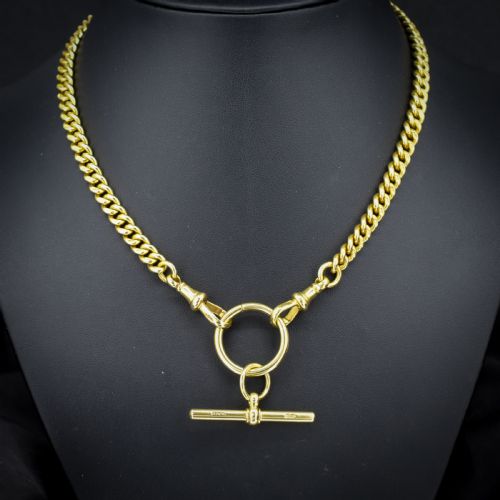
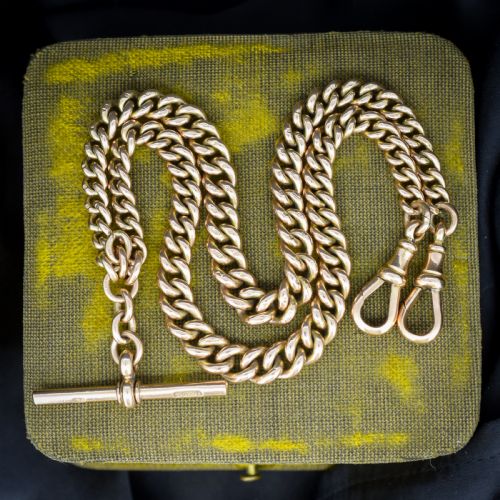
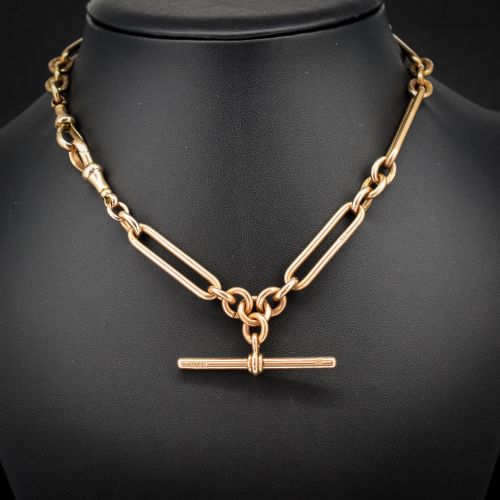
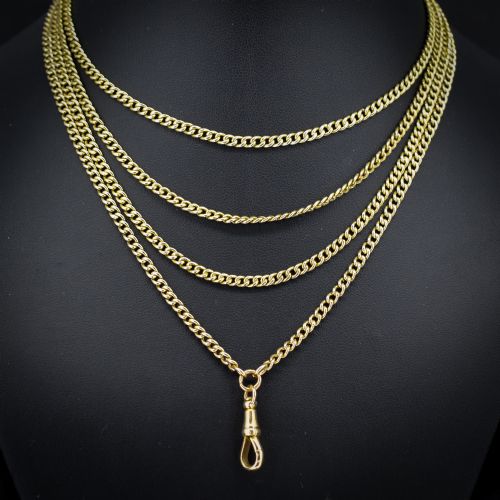
A gold pocket watch albert represents an intricate piece of Victorian and twentieth-century craftsmanship designed to secure a timepiece while serving as a distinguished chain necklace.
Gold Pocket Watch Albert
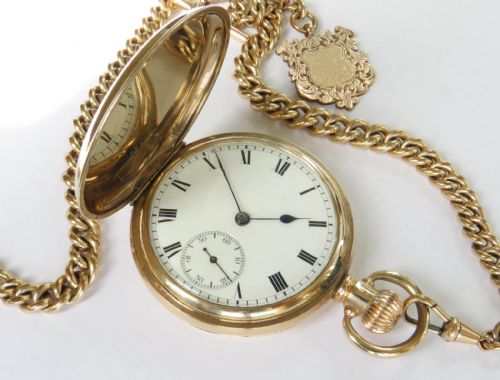
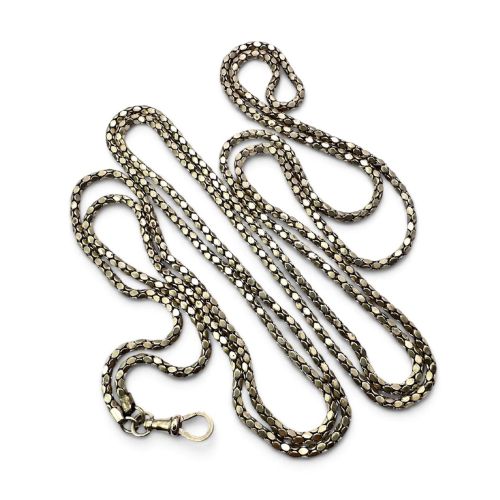
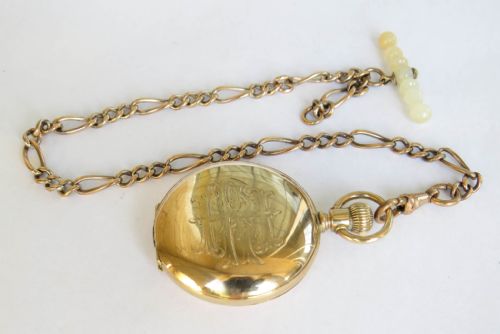
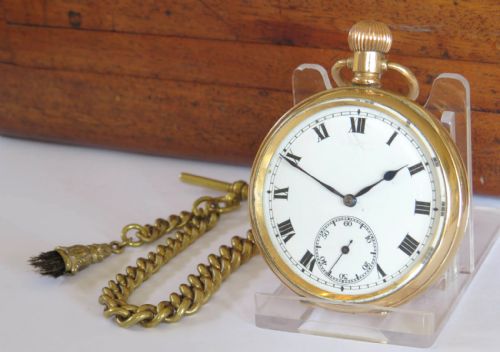
A gold pocket watch albert search reveals a specialised category of antique watch chains, curb links, and related timepieces originating from the Victorian, Edwardian, and Art Deco eras. Buyers frequently encounter solid nine-carat and eighteen-carat gold chains alongside rolled gold and gold-filled alternatives.
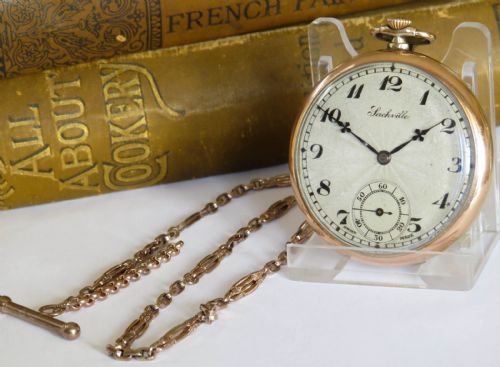
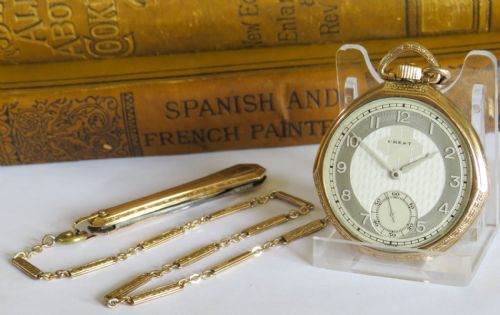
The inventory encompasses single and double albert chains, often accompanied by traditional dog clips, T-bars, swivel fobs, and matching pocket watches such as full hunters and open-faced designs from makers like Waltham, Elgin, and Tavannes.
How They Were Made
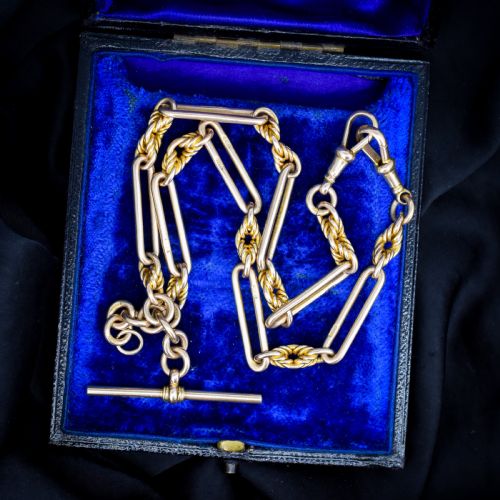
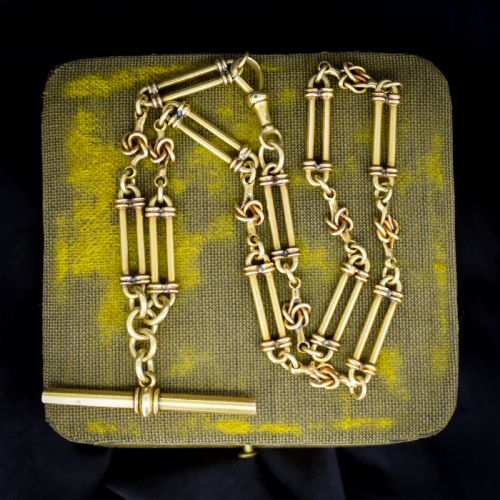
Goldsmiths constructed these chains using solid gold alloys, typically nine-carat, fifteen-carat, or eighteen-carat yellow and rose gold, alongside rolled gold and gold plate over base metals. Individual links, such as trombone, curb, oval, and fetter patterns, were meticulously formed, assembled, and soldered by hand.
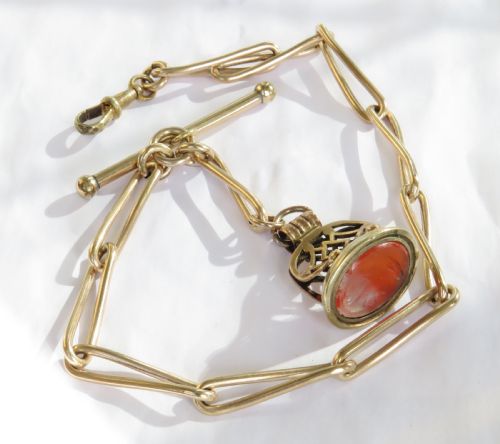
Many surviving pieces incorporate functional components including swivelling dog clips, bolt rings, and T-bars designed to fasten securely through a waistcoat buttonhole or attach to a pocket watch.
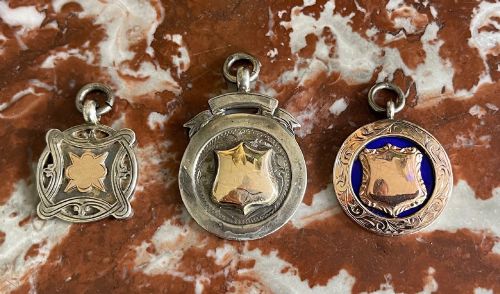
Some chains still carry specialised sporting club fobs, reminding us of forgotten nineteenth-century rifle competitions.
What Varies in Quality
Quality differentiates through the integrity of the gold standard, ranging from solid high-carat formations to thinner layers of rolled gold or gold plate over base metal. Substantial weight, uniform link grading, and intact original hallmarks contribute significantly to an item's standard.
The presence of original associated components, such as matching T-bars, dog clips, fobs, and functional clasps, distinguishes superior examples from altered or incomplete assemblies.
Waltham·Tavannes·Elgin·Syren·Cyma·Revue·Hopwood·Zenith
The Gold Pocket Watch Albert Glossary
- Albert chain
- A short watch chain designed to secure a pocket watch in a waistcoat pocket, featuring a T-bar at one end and a swivel clasp at the other.
- Dog clip
- A spring-loaded snap hook attached to the end of a watch chain for securing a pocket watch or pendant fob.
- T-bar
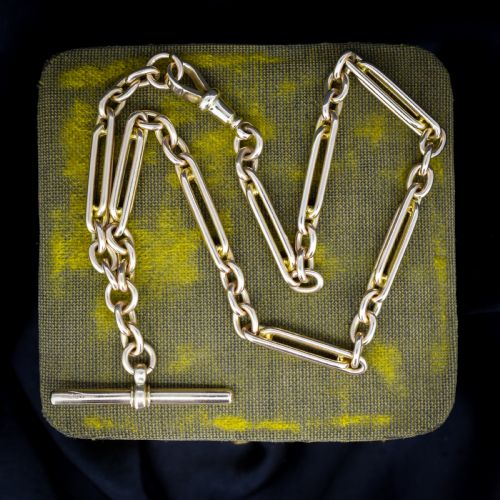
- A short transverse bar attached to the centre of an albert chain, slipped through a buttonhole to anchor the chain securely.
- Fetter link
- A chain design alternating long oval links with smaller circular or oval links.
- Trombone link
- A distinctive watch chain link style composed of rectangular or elongated flat loops connected by smaller circular links.
Gold Pocket Watch Albert: Frequently Asked Questions
How do you wear an albert chain today?
These pieces function versatilely as necklaces or choker collars, often worn directly around the neck using the original dog clip and spring ring fasteners.
Many collectors adapt the lengths to showcase the graduated links and attached fobs as contemporary jewellery.
What does rolled gold mean?
Rolled gold involves a sheet of solid gold mechanically bonded to a base metal core under heat and pressure, providing the appearance and durability of solid gold at a different weight.
This technique was common in watch chain production throughout the late nineteenth and early twentieth centuries.
How are periods identified?
Periods are determined through hallmarks, manufacturing techniques, and specific link styles such as heavy Victorian curb links or geometric Art Deco motifs.
Assay office marks and stamped maker stamps provide precise chronological verification.