

Gold Painted Porcelain
Gold painted porcelain unites delicate ceramic forms with metallic lustre, offering collectors refined Regency and Victorian decorative objects.
Gold Painted Porcelain
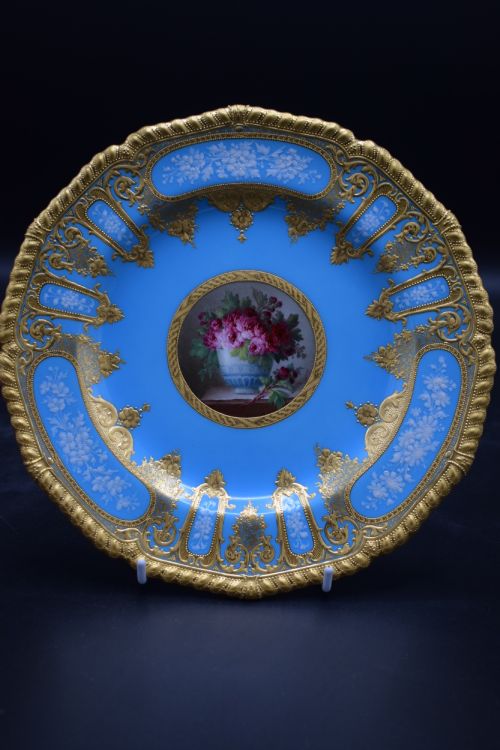
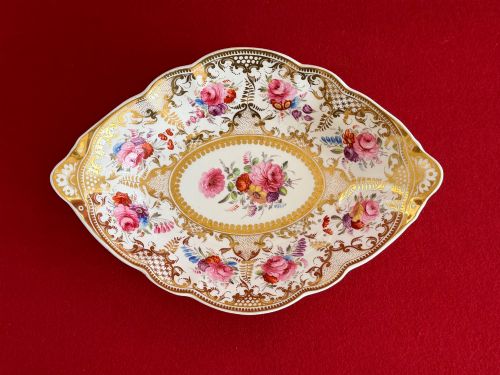
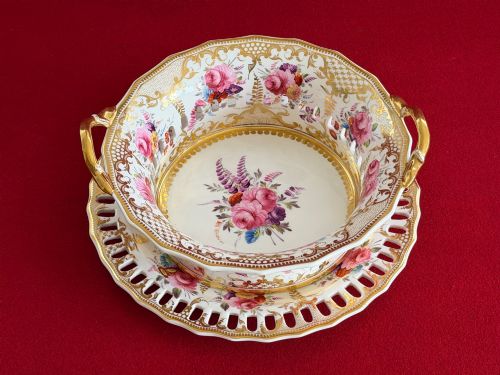
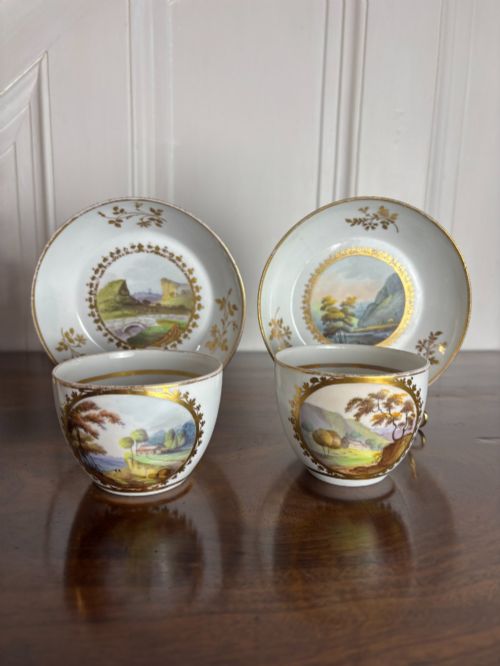
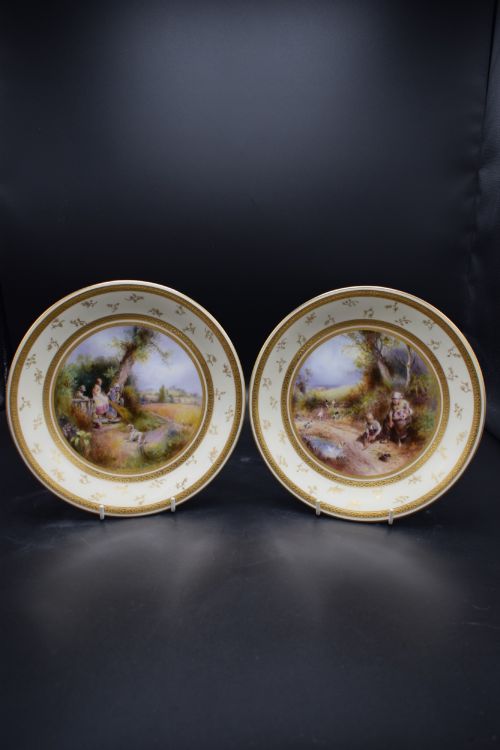
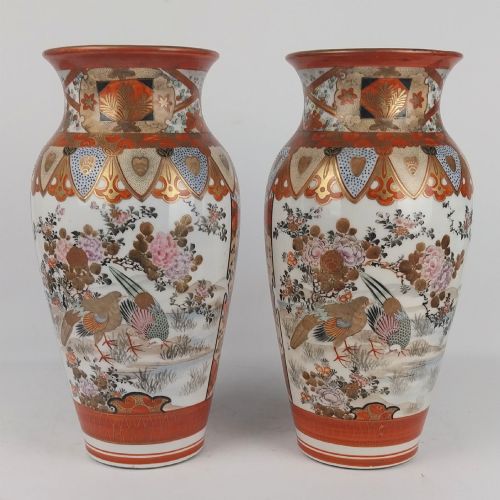
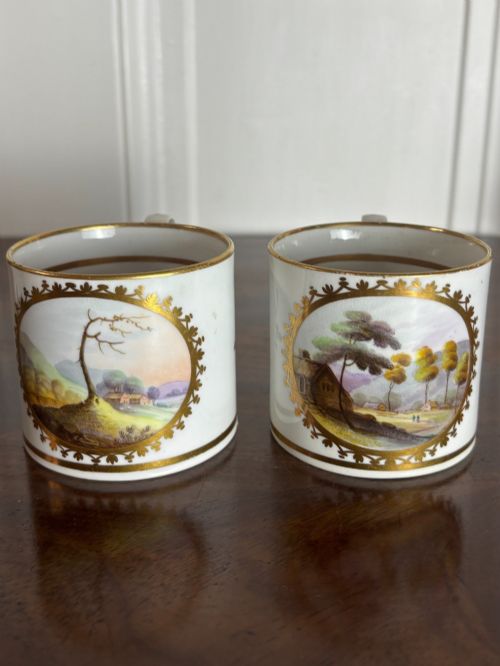
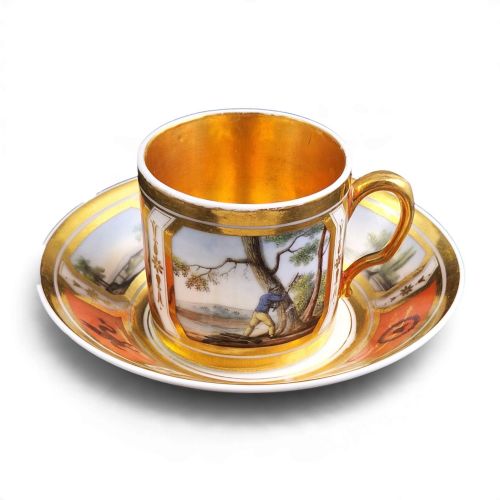
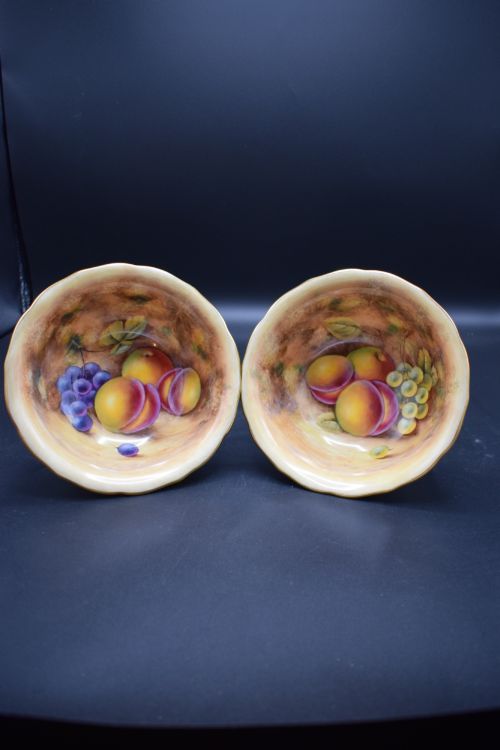
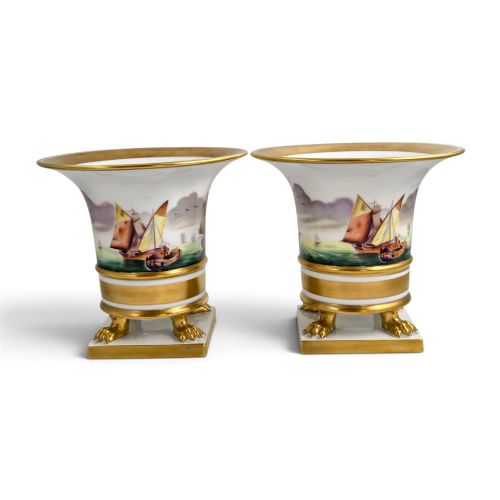
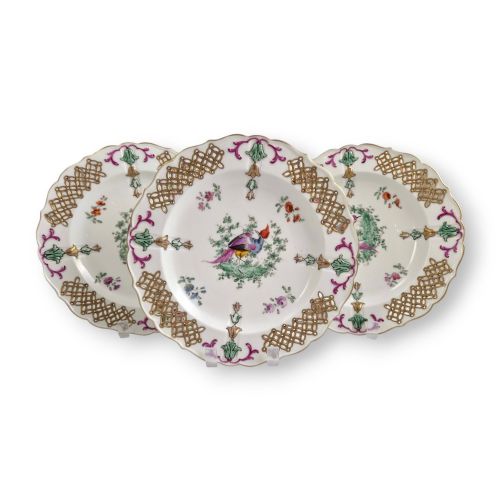
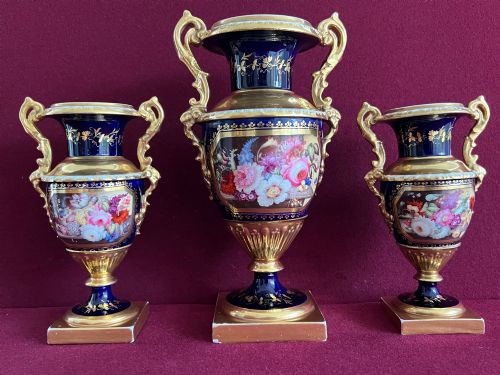
When you search for gold painted porcelain, you encounter a varied selection of functional vessels and decorative items spanning the Georgian, Regency, and Victorian eras. These pieces combine glazed ceramic bodies with metallic embellishment, often taking the form of cabinet plates, tea wares, and garniture vases.
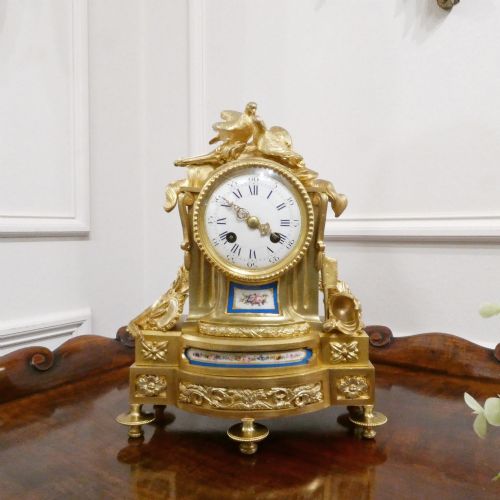
The most common versions met on this page originate from prominent English factories such as Worcester, Spode, and Derby, alongside continental works. They range from utilitarian teacups and saucers to ambitious campana shaped vases and mounted mantel clocks fitted with ormolu.
How gold painted porcelain was made
Makers utilised hard-paste porcelain, bone china, and earthenware bodies as the foundation for their work, applying white glazes before firing the ceramic substrate. Artisans then painted rural views, floral motifs, or martial subjects using enamels, sealing the pigments in subsequent kiln firings.
Gilding was applied using gold leaf or powdered gold mixtures suspended in a medium, which bonded to the surface during a lower temperature firing. Once fixed, the metallic areas were burnished with agate stones to achieve a brilliant shine that contrasted against the white or coloured porcelain ground.
Gold Painted Porcelain Retail Price Guide 2026
Typical asking prices for gold painted porcelain among the pieces listed under this phrase on Sellingantiques today, from the lower quarter to the upper quarter. They describe what is for sale here now, not the wider market.
Some tea sets include toy teapots made in miniature scale, originally intended for doll displays or cabinet collections.
What varies in quality
The standard of painting largely dictates the value and distinction of each piece, distinguishing factory work by named artists like William 'Quaker' Pegg or Thomas Steel from standard commercial output. Superior items display meticulous brushwork in the handpainted subjects, precise enamelling, and carefully delineated motifs.
The execution and preservation of the gilding also separate exceptional objects from simpler wares. Thickly applied gold leaf that retains its original burnished lustre without rubbing indicates higher tier production from esteemed manufacturers such as Flight, Barr and Barr or Spode.
Flight Barr and Barr·Duesbury and Kean·Royal Worcester·Japy Freres·Achille Brocot
The Gold Painted Porcelain Glossary
- Campana shape
- A vase profile resembling an inverted bell, popular during the Regency period for ornamental urns and ice pails.
- Gilding
- The application of gold leaf or gold paint to the surface of porcelain to create decorative borders and highlights.
- Ormolu
- Gilt-bronze mounts used to frame and elevate porcelain vases, clocks, and decorative objects during the nineteenth century.
- Hard-paste porcelain
- A durable ceramic composition fired at high temperatures, made from kaolin and petuntse.
- Pastille burner
- A small ceramic vessel perforated to allow scented smoke to escape from burning aromatic pastilles.
Gold Painted Porcelain: Frequently Asked Questions
How do I care for antique gold painted porcelain?
Wash pieces gently by hand using lukewarm water and mild soap, avoiding abrasive sponges or modern dishwashers that can wear away the delicate metallic surface.
Dry each item thoroughly with a soft lint-free cloth to protect the glaze and preserve the burnished finish of the gilding.
How do I identify Regency period porcelain?
Look for neoclassical shapes such as campana urns, crisp white bodies, and refined handpainted botanical or topographical scenes accompanied by rich gold leaf borders.
Factory marks, pattern numbers, and specific stylistic traits from manufacturers like Worcester or Spode often help confirm the date of production.
What is the difference between porcelain and bone china?
Traditional porcelain relies on kaolin clay and feldspar fired at extreme temperatures to achieve a vitrified, translucent body.
Bone china incorporates animal bone ash into the mixture, producing a slightly warmer tone and a thinner, chip-resistant structure favoured by English potteries.