

Gold Oval Framed Picture
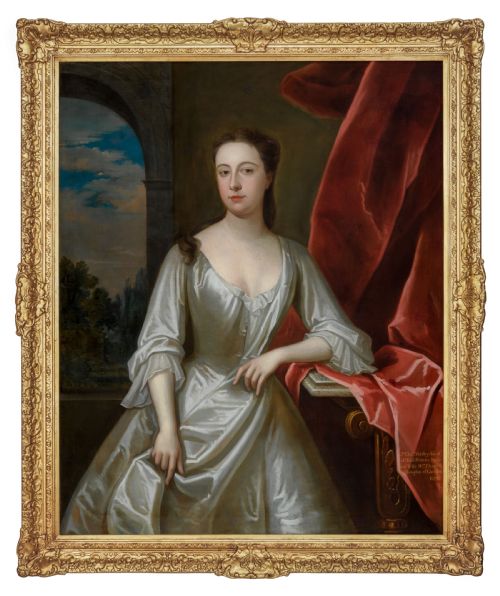
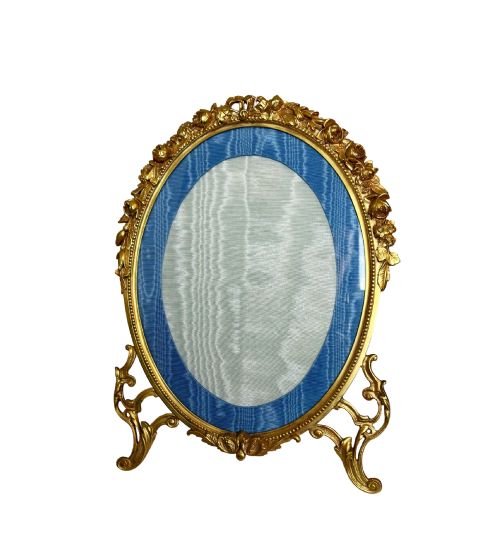
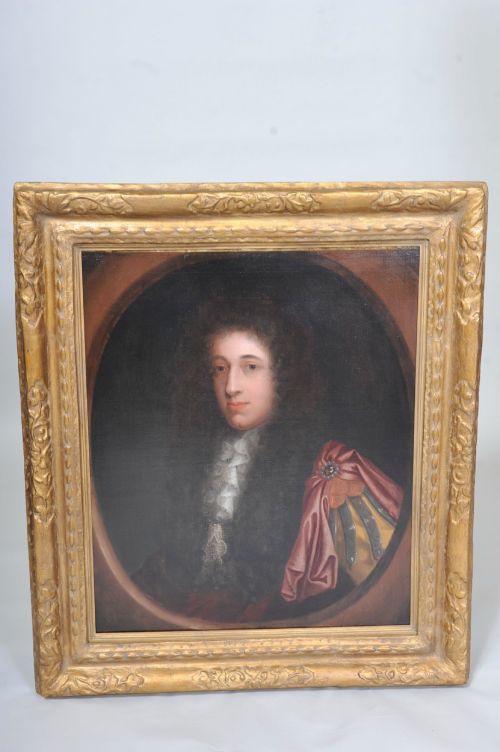
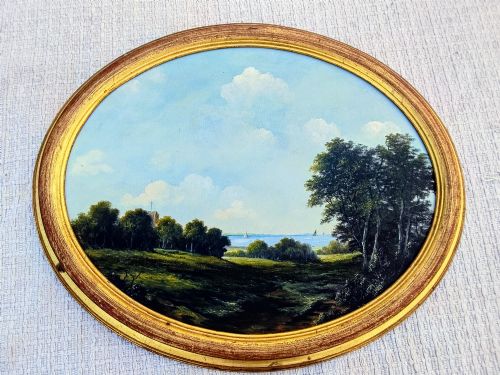
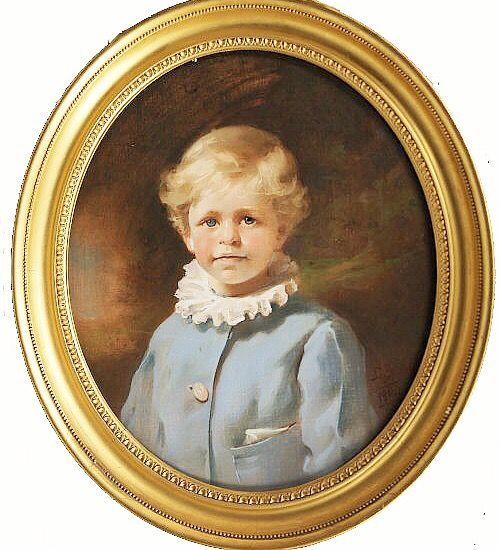
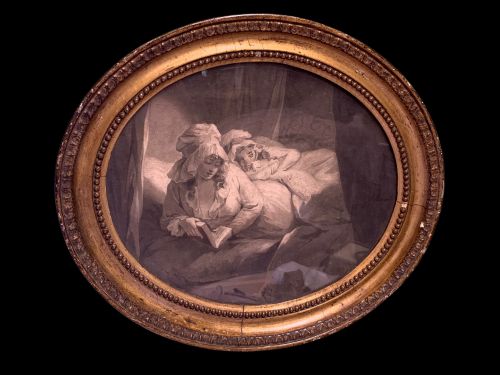
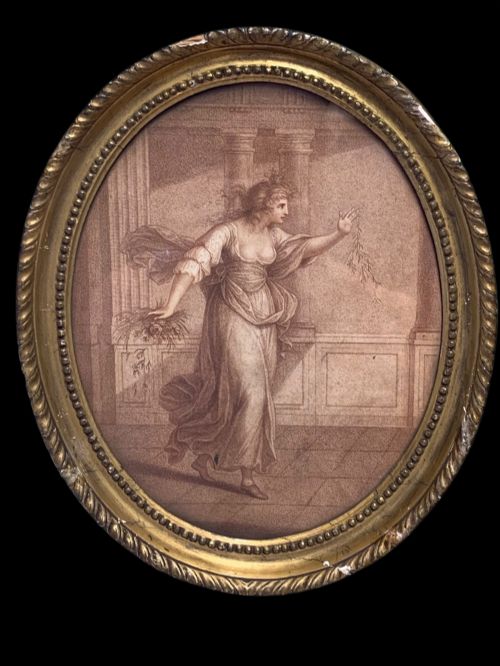
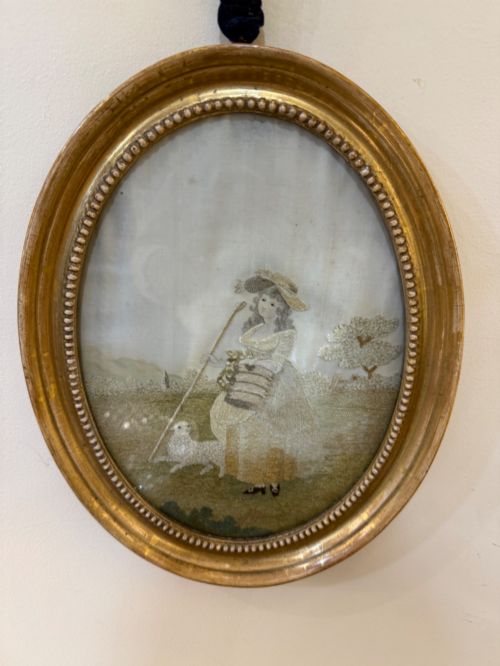
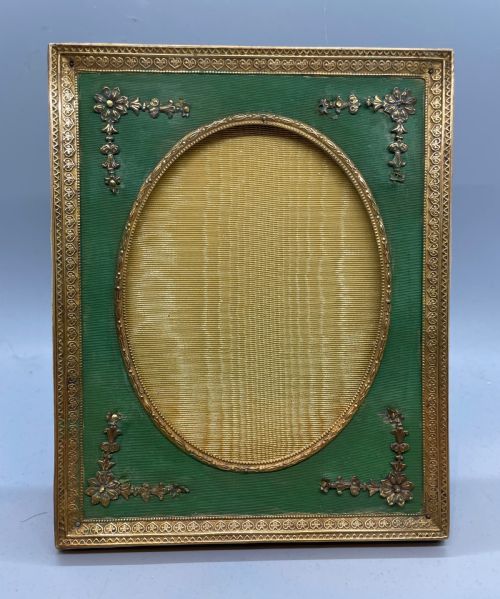
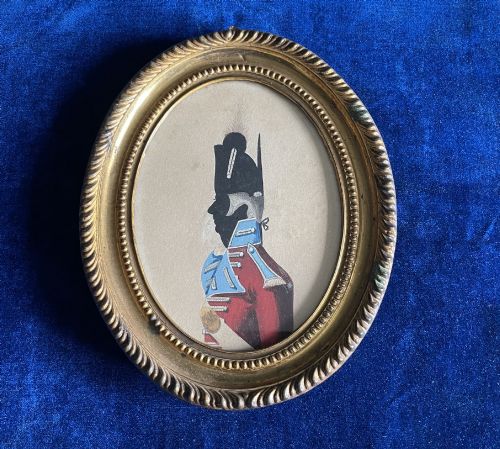
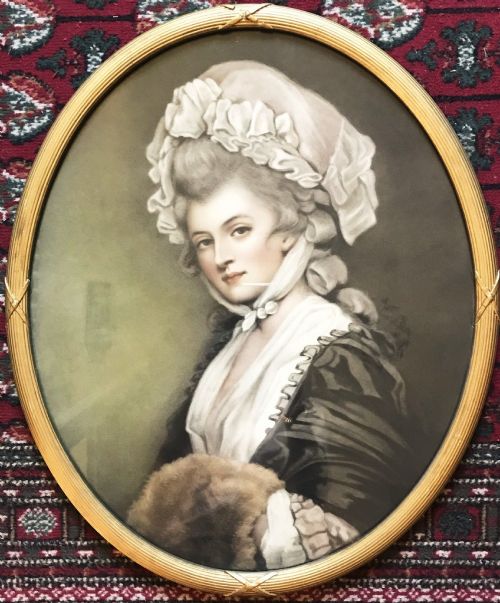
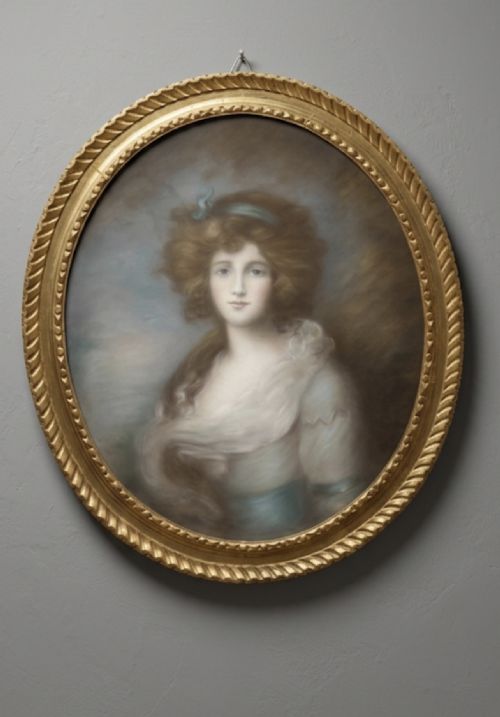
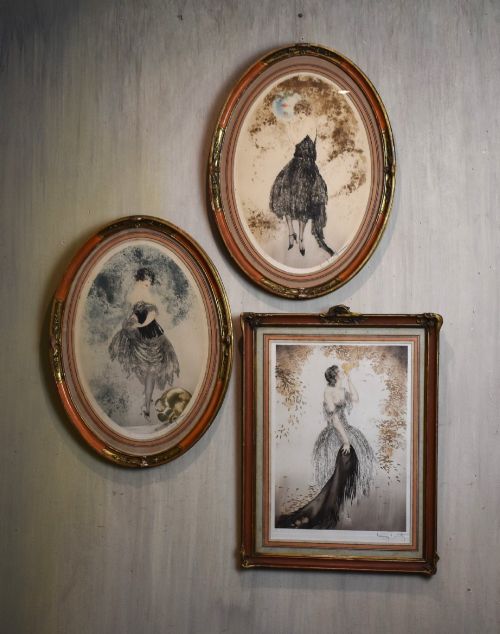
A gold oval framed picture brings depth to a wall, holding portraits, engravings, and mirrors within curved gilt borders.
Gold Oval Framed Picture
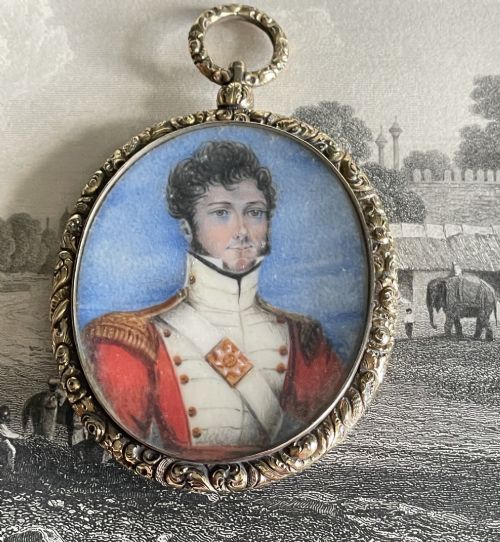
When someone searches for a gold oval framed picture, they encounter a range of wall art, portrait miniatures, and standalone frames spanning multiple centuries. The selection includes eighteenth-century engravings, nineteenth-century pastels, and early twentieth-century photographic mounts enclosed in curved boundaries.
The objects derive from periods such as the Georgian, Regency, Victorian, and Edwardian eras, reflecting changing domestic tastes in portraiture and interior decoration. These pieces combine pictorial works with ornate enclosures designed to draw the eye toward the centre of the composition.
Materials and Construction
Makers formed the enclosures using giltwood, carved wood, or cast metals like ormolu, brass, and gilt bronze, applying thin layers of gold leaf or metallic finishes over the base material. Glass protects delicate interior media such as watercolour, silkwork, paper engravings, and pastel drawings.
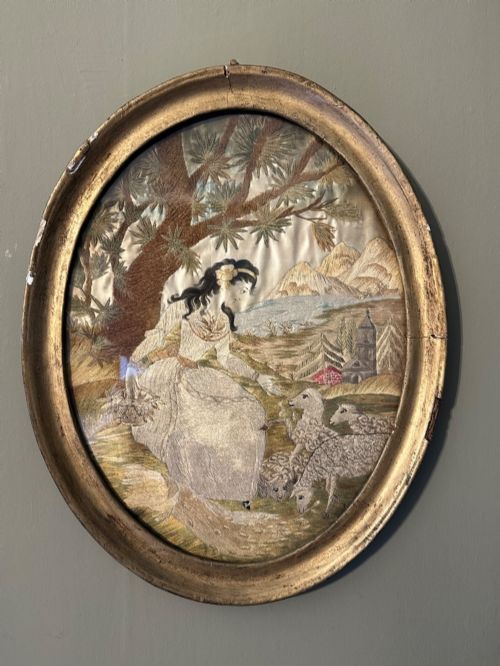
Internal artworks utilise oil paint, charcoal, pastel, and ink on canvas, board, or paper supports. Textile pieces incorporate silk embroidery and shellwork, secured within the curved wooden or metal surrounds by period backing methods.
Several portraits quietly preserve nineteenth-century family trees and domestic pets behind slightly convex glass.
Distinctions in Quality
The standard of carving and gilding separates exceptional pieces from standard production, visible in the crispness of floral motifs and scrollwork on the frame. Hand-carved giltwood exhibits depth and precision that moulded composition materials cannot replicate.
The artistic execution of the contents dictates overall merit, distinguishing skilled portraiture and detailed engravings from mass-produced decorative prints. Original pairing of the artwork with its period enclosure remains a significant factor in historical integrity.
Sir Godfrey Kneller·Thomas Gainsborough·Louis Icart·Charles Hayter·Sir Thomas Lawrence·George Hargreaves
The Gold Oval Framed Picture Glossary
- Giltwood
- Wood that has been coated with gold leaf or gilt paste. This technique creates a luminous surface finish popular in frame manufacture across the eighteenth and nineteenth centuries.
- Portrait Miniature
- A small-scale portrait painted on ivory, vellum, or card. These works often feature detailed facial rendering and sit within small metal or wooden surrounds.
- Stipple Engraving
- A printmaking method using dots to create tonal gradations and figures. This technique was frequently employed for reproducing romantic or portrait subjects during the Georgian period.
- Silkwork
- Embroidery executed using silk threads on a fabric ground. Such pieces often depict landscapes or figures and require glass protection.
- Ormolu
- Gilt bronze mounted onto decorative objects and frames. The alloy provides a heavy, durable base for intricate cast ornamentation.
Gold Oval Framed Picture: Frequently Asked Questions
How do I hang an oval frame securely?
Oval frames require specific hanging consideration due to their curved geometry and weight distribution. Most period pieces utilise a top ring or secure cord fixed firmly to the reverse wooden structure.
Ensure the wall fixing engages directly with a stud or utilise an appropriate wall plug to support the weight of the glass and dense wooden or metal surround.
Are these pictures and frames original to each other?
Many pieces remain together from their original creation, particularly custom portrait miniatures and commissioned oil paintings housed in bespoke surrounds. Other examples pair later prints with period frames chosen for complementary scale and aesthetic.
Examining the backing boards, fixings, and rabbet fit helps determine whether the artwork and its enclosure share a continuous history.
How should I clean a gilt frame?
Gilt surfaces require delicate maintenance to prevent the gold leaf or metallic finish from wearing away. Use a soft, dry brush to gently remove dust from crevices and carved ornaments.
Avoid liquid cleaners, damp cloths, and chemical solvents entirely, as moisture and harsh agents degrade historical gilding and underlying gesso layers.
What lighting suits these artworks best?
Display these pieces away from direct sunlight to protect delicate watercolours, pastels, and silk textiles from fading. UV-filtered glass or specialised picture lighting helps preserve the pigments.
Ambient room illumination or a dedicated picture light positioned above the frame accentuates the reflective quality of the gold leaf without causing thermal damage.