


Gold Metal Accent Table
A gold metal accent table brings warmth and functional surface space to a room, combining metallic finishes with practical design.
Gold Metal Accent Table
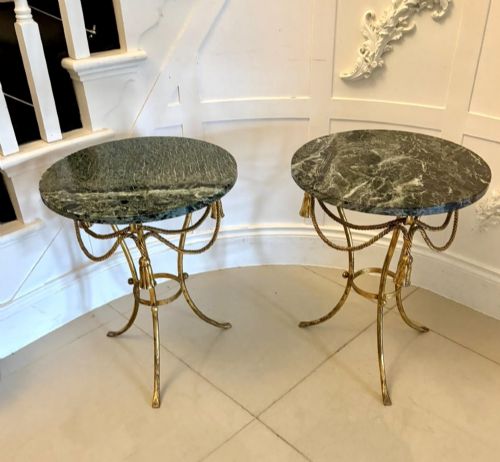
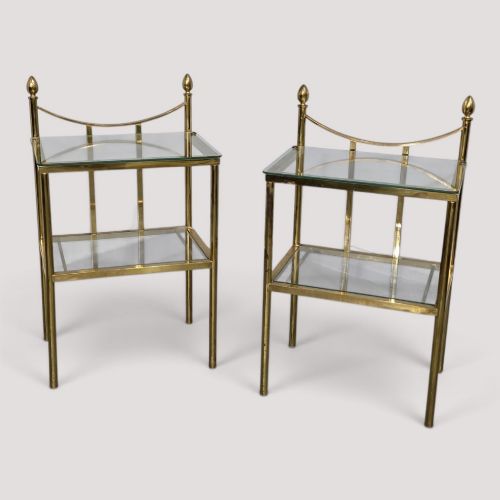
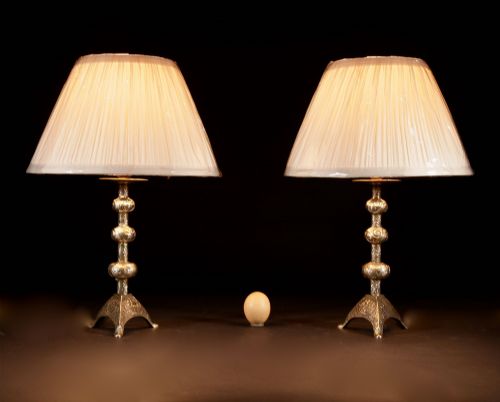
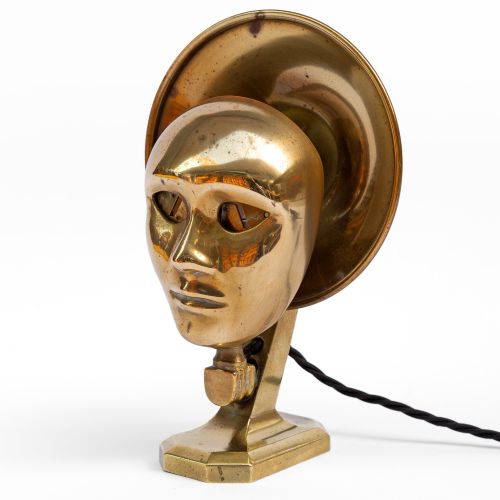
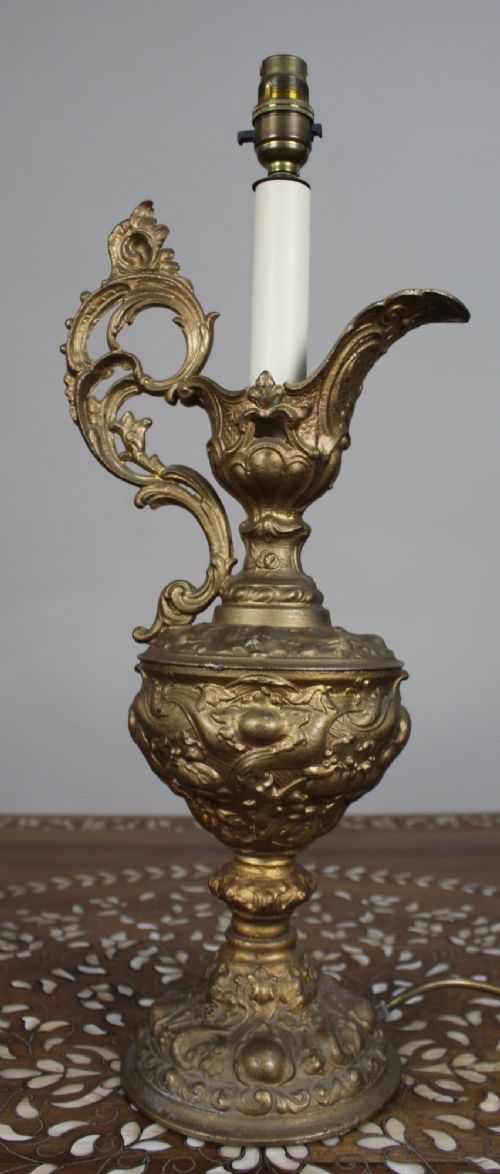
A gold metal accent table encompasses various small support pieces and lighting fixtures finished in gilt or brass tones. Buyers browsing this selection encounter side tables, occasional tables, and table lamps originating from the nineteenth and early twentieth centuries.
The objects span diverse aesthetic revivals and specific periods, including Edwardian pieces, Art Deco designs, and Hollywood Regency examples. Italian and French workshops feature prominently among the geographical origins represented in the collection.
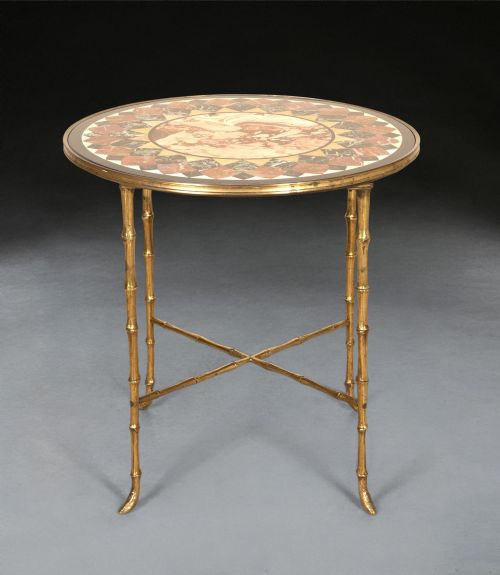
Lamp tables and occasional tables dominate the selection, frequently integrating stone or glass surfaces with metallic frames. These pieces serve dual purposes as functional furniture and decorative lighting supports.
Materials and Construction
Makers utilised cast bronze, brass, and gilt metal to form the structural framework and decorative mounts of these pieces. Metalwork often involves intricate casting, chasing, and openwork techniques, alongside copper inlay and dark lacquer finishes.
Surface details frequently incorporate white marble, verde marble, and specimen marble inserts fitted into metal frames. Glass elements and fabric components appear in tandem with the metallic bases, particularly on lamp tables dating from the nineteen-thirties.
Look closely for the stray dolphin and cherub mounts hiding among the nineteenth-century bronze table lamps.
Craftsmanship and Detail
Superior examples display crisp casting definition in bronze or ormolu mounts, where hand-finishing reveals sharp details in figures, foliage, and geometric patterns. Lower tiers rely on softer castings with simplified surface ornamentation and less refined assembly joints.
The selection of secondary materials heavily influences the overall calibre of a piece. High-quality items feature genuine verde or specimen marble tops with precise cutting and tight joints, contrasting with simpler glass or uniform metal surfaces.
The Gold Metal Accent Table Glossary
- Ormolu
- Gilded bronze used widely in French decorative arts for mountings and decorative objects. This technique involves applying a mercury and gold amalgam to cast bronze.
- Guéridon
- A small French table supported by one or more columns or figures. These pieces typically function as accent furniture or stands for decorative items.
- Verde marble
- A green ornamental stone featuring distinctive veining, often used for table tops. It provides a robust and decorative surface contrasting with metallic frames.
- Cairo-ware
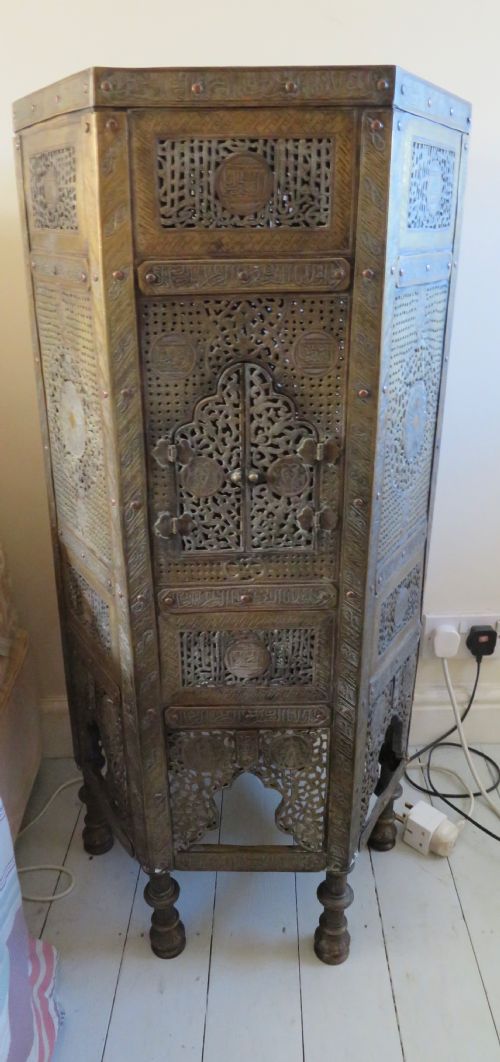
- Brass objects inlaid with silver and copper, produced in Egypt and the Middle East for export. These pieces display intricate geometric and floral patterns.
Gold Metal Accent Table: Frequently Asked Questions
What is a gold metal accent table used for?
These pieces function primarily as small surface supports or decorative lamp tables in living spaces and hallways. They provide a convenient spot for lighting, decorative objects, or small items while adding a reflective metallic element to the interior.
Heavier marble-topped versions suit static placement, while lighter occasional designs move easily between rooms as needed.
How do I identify French nineteenth-century pieces?
French pieces from this period often display refined ormolu mounts, cast bronze figures, and detailed neoclassical or rococo revival motifs. The workmanship tends to feature meticulous hand-chasing on the metal surfaces.
Signature construction methods and material choices, such as high-grade specimen marble, further distinguish these items from later reproductions.
Are these tables suitable for everyday use?
Most occasional tables and lamp stands handle normal daily placement of small objects, books, or lamps without issue. Care should be taken with marble surfaces to avoid staining from liquids or scratching from rough items.
Gilt and brass finishes require gentle cleaning with dry cloths to preserve the metallic surface over time.
What distinguishes Art Deco designs?
Art Deco pieces favour geometric lines, streamlined forms, and industrial influences over ornate historical revivals. These items often incorporate sleek brass frames paired with glass or dark lacquered elements.
The aesthetic reflects the design sensibilities of the nineteen-twenties and nineteen-thirties, prioritizing functional elegance.