

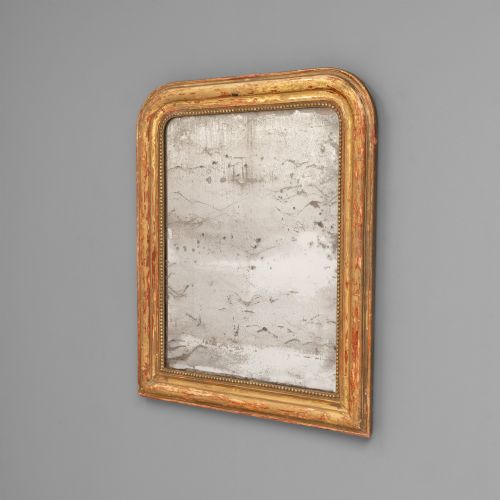
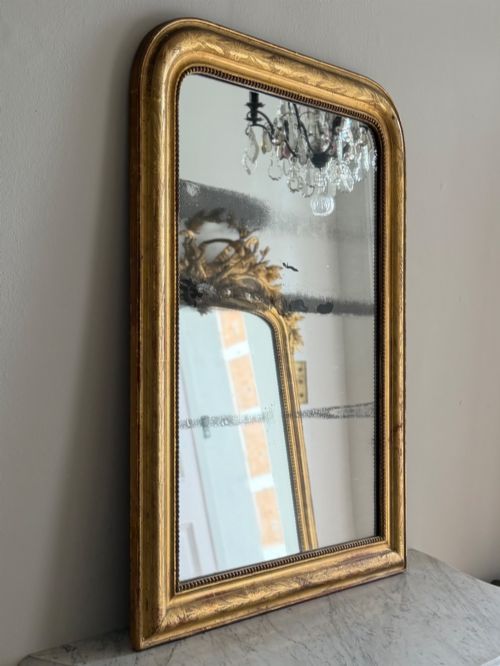
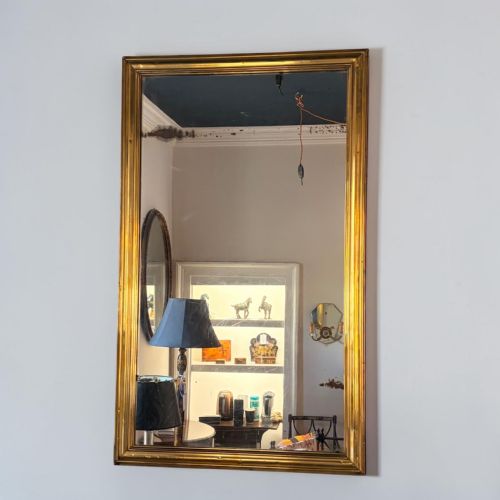
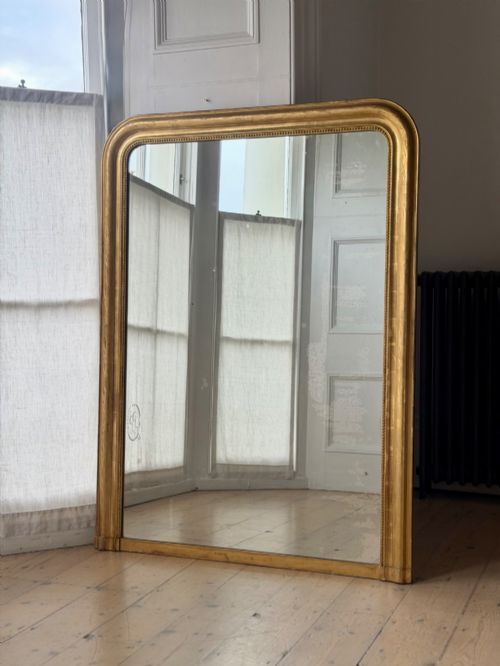
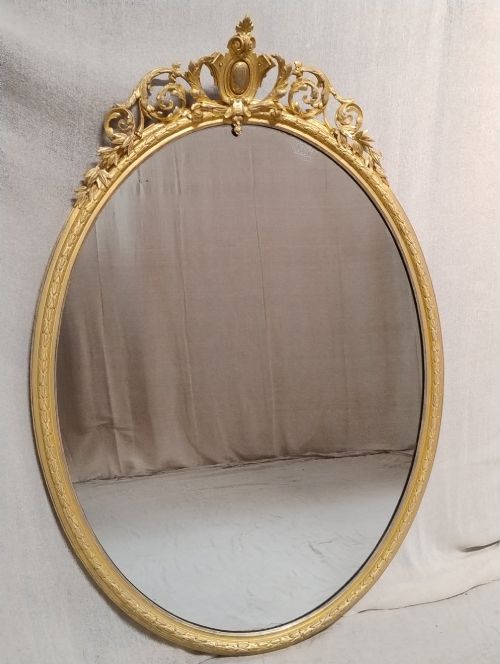
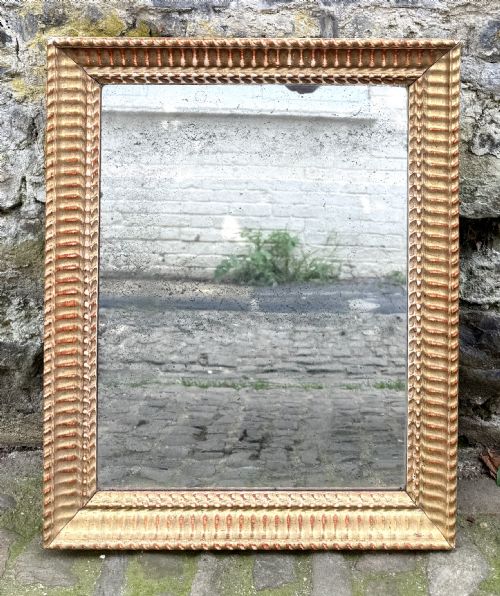

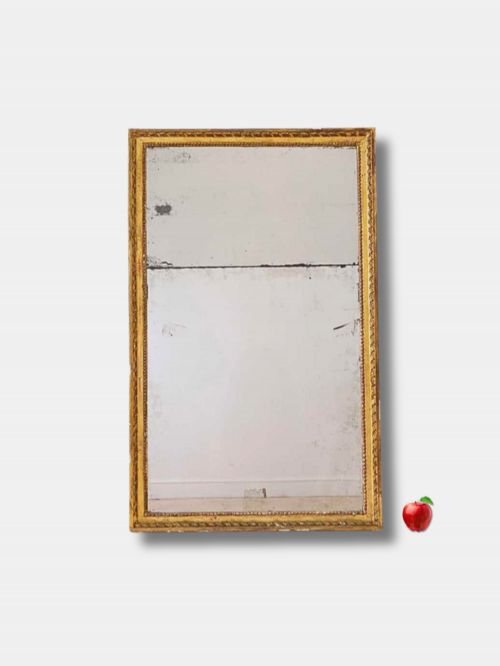
Gold Mercury Mirror
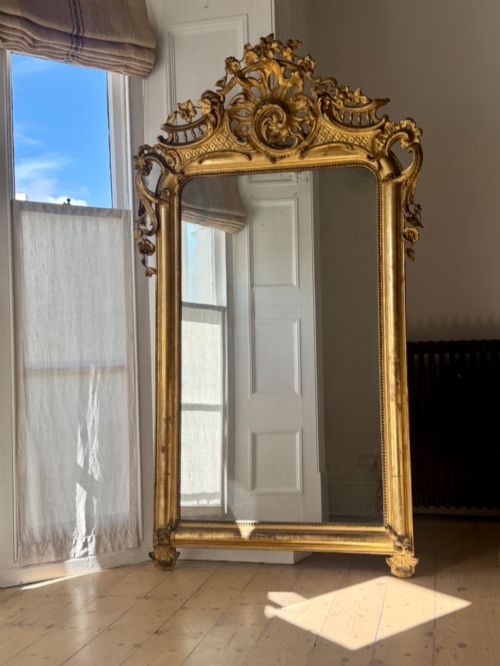
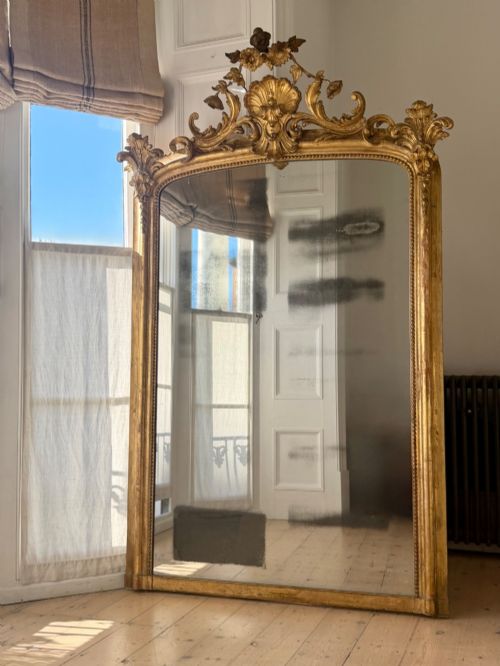
These gold mercury mirror examples bring historic French and English reflective plates together with original gilt frames for authentic period interiors.
Gold Mercury Mirror
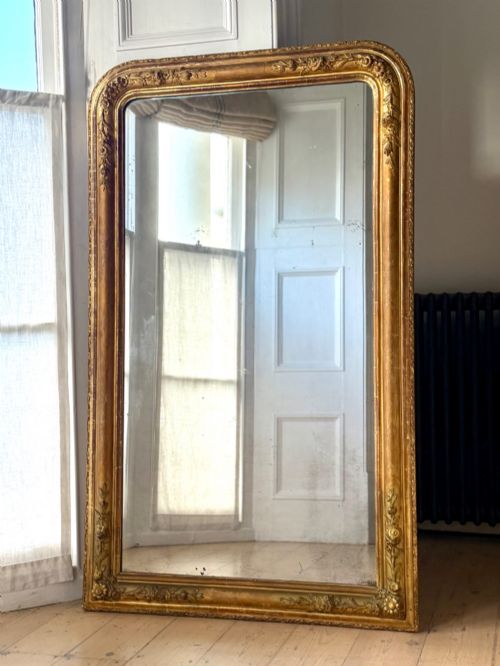
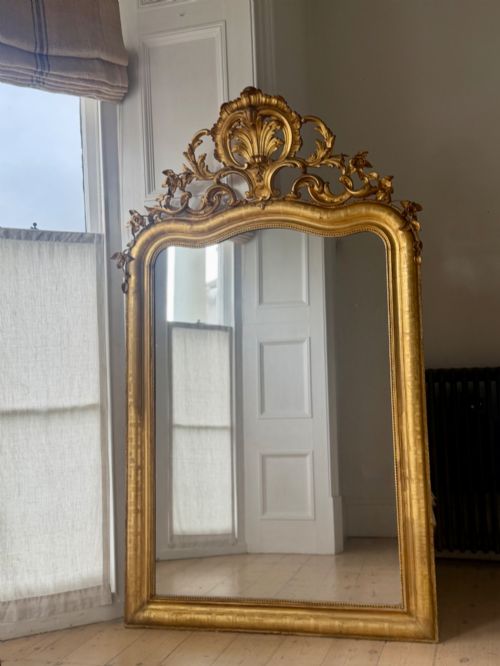
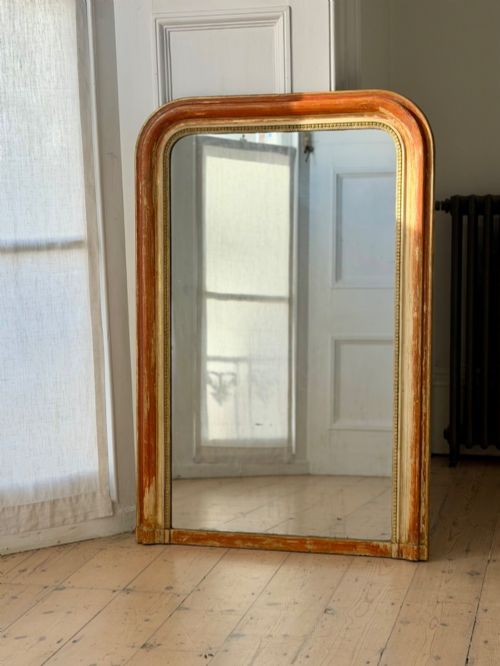
A gold mercury mirror combines a carved wooden frame finished in gold leaf or gilt with a silvered glass plate formed using historical techniques. You will regularly encounter French and English wall mirrors, overmantel mirrors, and pier mirrors spanning the eighteenth and nineteenth centuries.
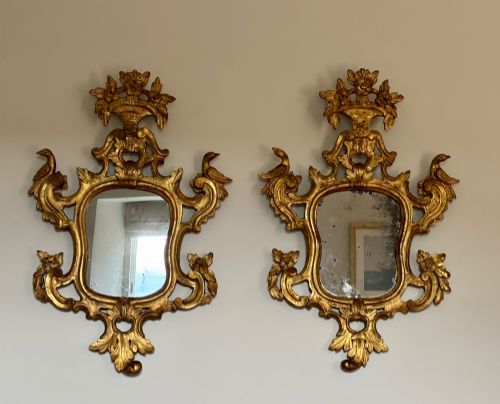
The selection here draws heavily from eighteenth century and nineteenth century workshops, encompassing styles like Regency, Louis Philippe, and French Rococo. Wall mirrors and overmantel forms dominate the available selection, often featuring rectangular or cartouche proportions.
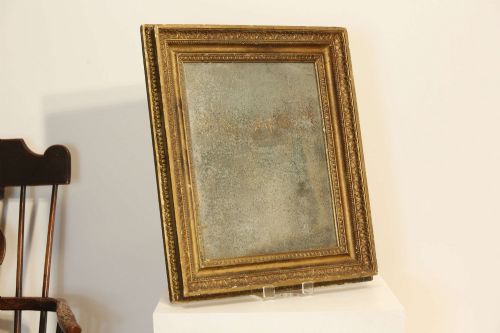
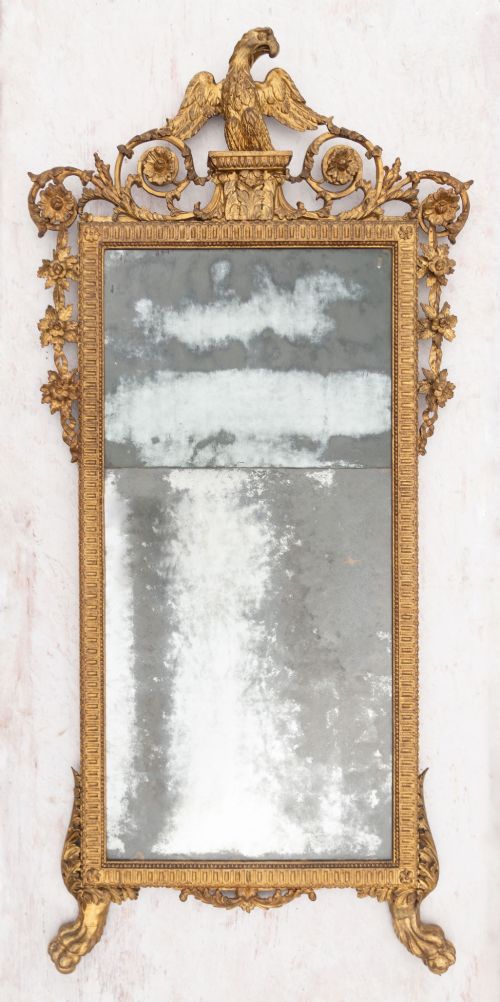
Many examples retain their original mercury glass plates, which frequently exhibit foxing and surface distressing developed over centuries. These plates sit inside carved giltwood or gesso frames that show the wear of genuine age.
Materials and construction methods
Frames rely on carved wood, gesso, and applied gold leaf to create ornate decorative surfaces. Artisans carved intricate mouldings and floral motifs into timber before applying layers of gesso and fine gold leaf.
Mirror plates were produced using a tin and mercury amalgam poured onto glass, creating a distinctive deep reflection. This historical silvering process differs substantially from modern vacuum-deposition methods and ages with characteristic dark spots known as foxing.
Gold Mercury Mirror Retail Price Guide 2026
Typical asking prices for gold mercury mirror among the pieces listed under this phrase on Sellingantiques today, from the lower quarter to the upper quarter. They describe what is for sale here now, not the wider market.
Available forms include wall mirrors, overmantel mirrors, pier mirrors, and dressing table mirrors in French Neoclassical, Regency, and Rococo styles.
Assessing craftsmanship and condition
Quality rests in the crispness of the hand-carved wooden ornament beneath the gilding and the depth of the original mercury plate. Superior pieces display intricate relief work on the gesso and frame without heavy modern overpainting.
The integrity of the frame construction and the preservation of the original mercury glass plate define the standing of each mirror. Plates that retain their authentic foxing without modern replacement glass hold greater interest for collectors of period furnishings.
The Gold Mercury Mirror Glossary
- Mercury glass
- A reflective plate produced by pouring a tin and mercury amalgam behind glass. This method creates a dark, shimmering reflection distinct from modern silver nitrate mirrors.
- Foxing
- Dark spots and speckles that appear on antique mirror plates over time. This oxidation process results from chemical reactions within the original backing material.
- Giltwood
- Timber that has been coated with thin sheets of gold leaf over a prepared gesso ground. It provides a rich, warm metallic finish common on formal antique frames.
- Gesso
- A plaster mixture applied to carved wooden frames to create a smooth surface for gilding. It allows craftsmen to model sharp decorative details.
- Pier mirror
- A tall mirror designed to hang on the wall space between windows. These pieces often feature narrow proportions to fit specific architectural spaces.
Gold Mercury Mirror: Frequently Asked Questions
What is a gold mercury mirror?
A gold mercury mirror is an antique looking-glass featuring a mercury-backed glass plate set within a gilded wooden or gesso frame. These pieces date primarily from the eighteenth and nineteenth centuries.
They originate mostly from French and English makers, incorporating styles ranging from Georgian and Regency to French Rococo and Louis Philippe.
How do you spot original mercury glass?
Original mercury glass displays a characteristic deep, slightly distorted reflection accompanied by natural foxing spots and dark speckles. The backing shows a dull, uneven metallic grey rather than uniform modern silver.
Examining the edges of the glass often reveals the handmade nature of the plate and its integration into the frame.
Where should I hang an overmantel mirror?
Overmantel mirrors are traditionally positioned on the wall directly above a fireplace mantelpiece. Their horizontal proportions suit the expanse above a hearth.
They also function effectively on large living room walls where their scale can anchor a room's decorative scheme.
How do I clean antique giltwood frames?
Dust giltwood frames gently with a soft, dry brush to remove loose particles without disturbing fragile gesso or gold leaf. Avoid liquid cleaners, water, and chemical sprays entirely.
Moisture can soften the underlying gesso and cause the historic gilding to flake away from the carved wood.