
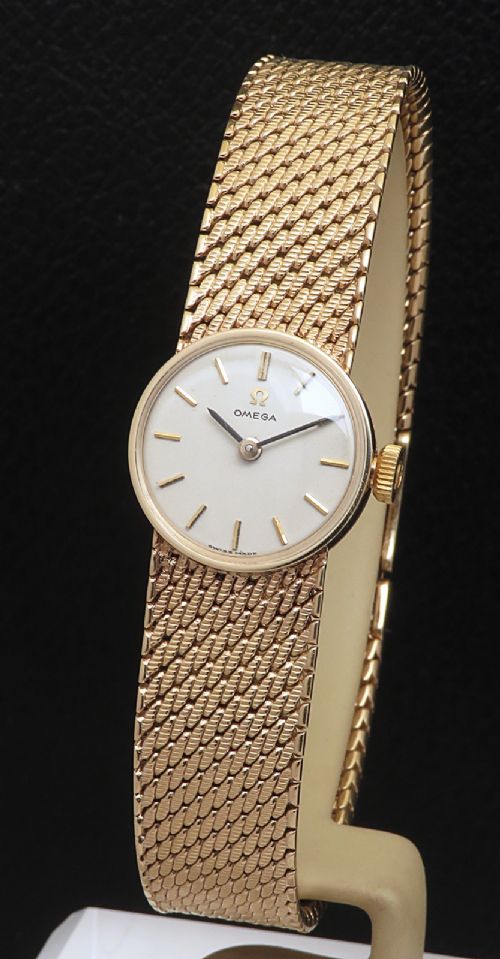
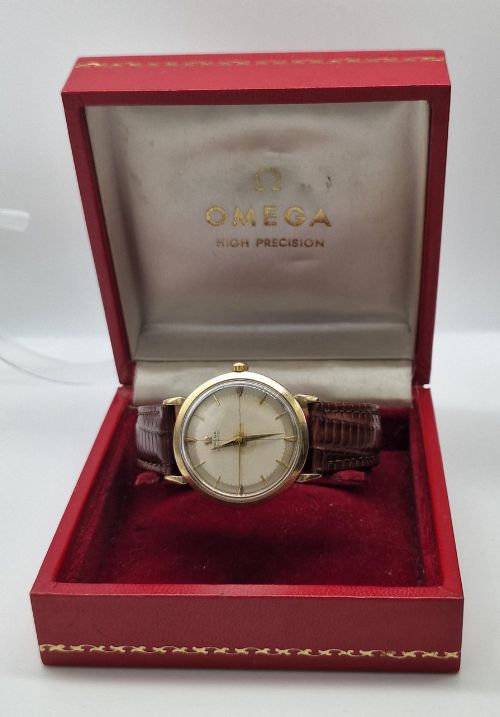
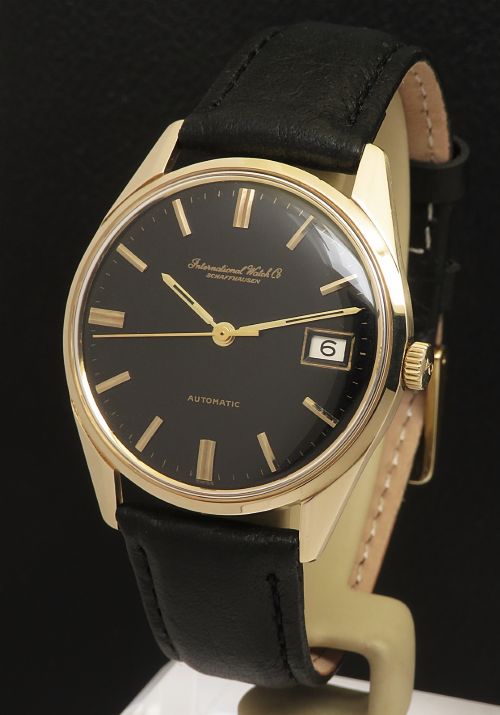
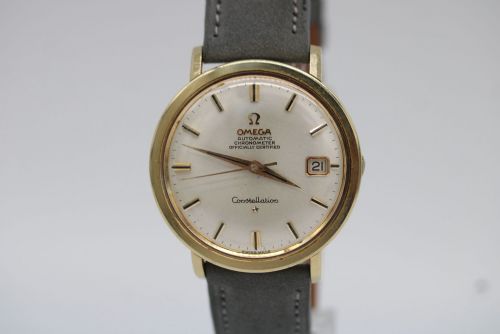

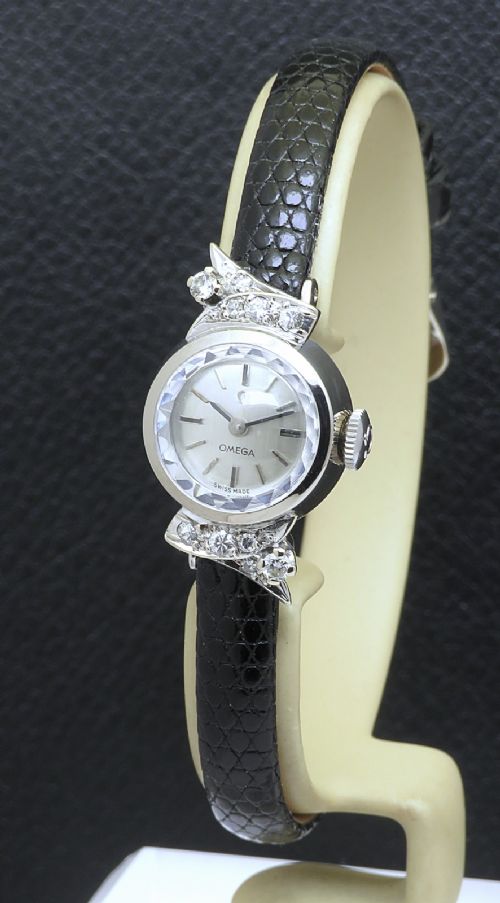

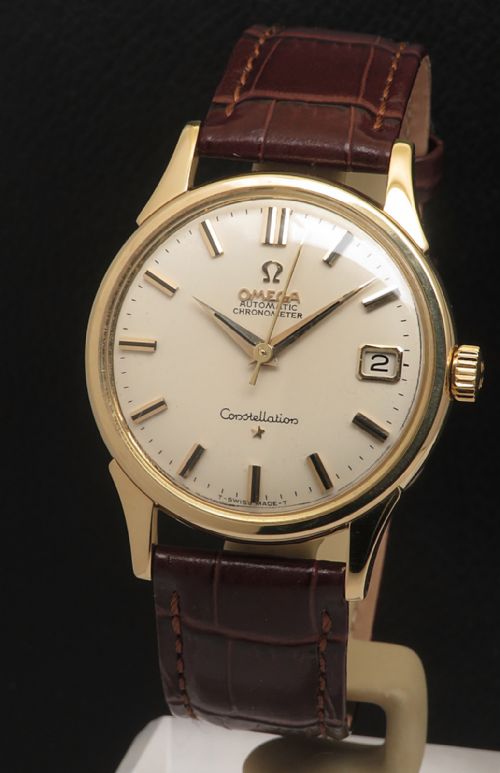
Gold Luxury Vintage Watch
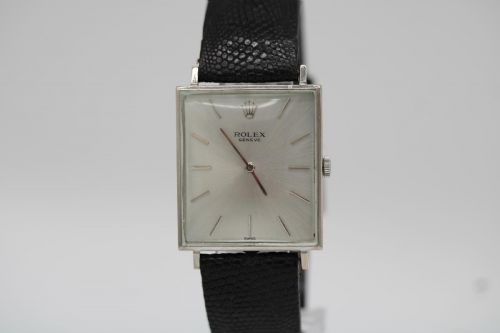
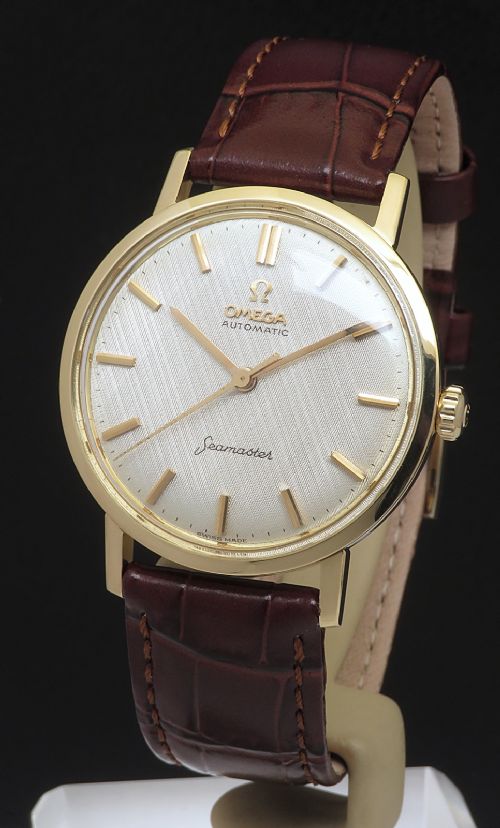
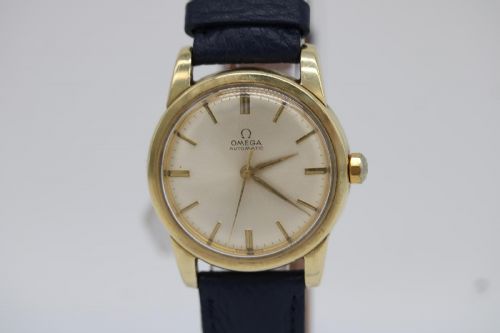
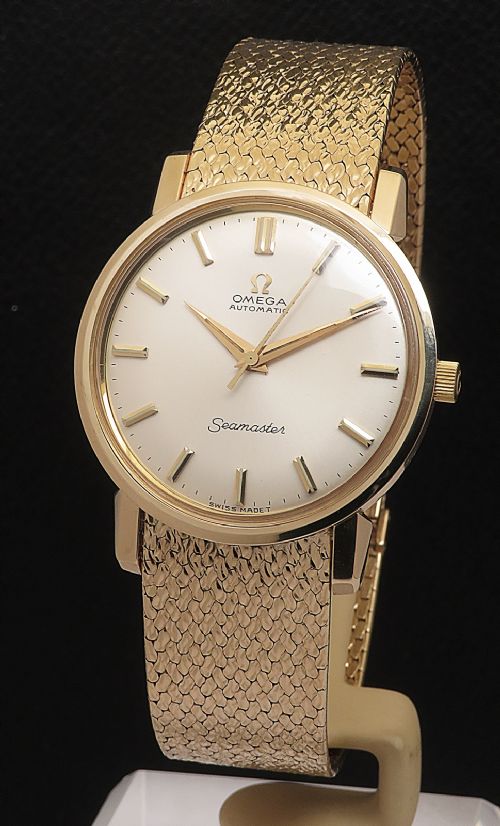
These gold luxury vintage watch examples span decades of horological craftsmanship, offering collectors refined precious metal cases and mechanical movements.
Gold Luxury Vintage Watch
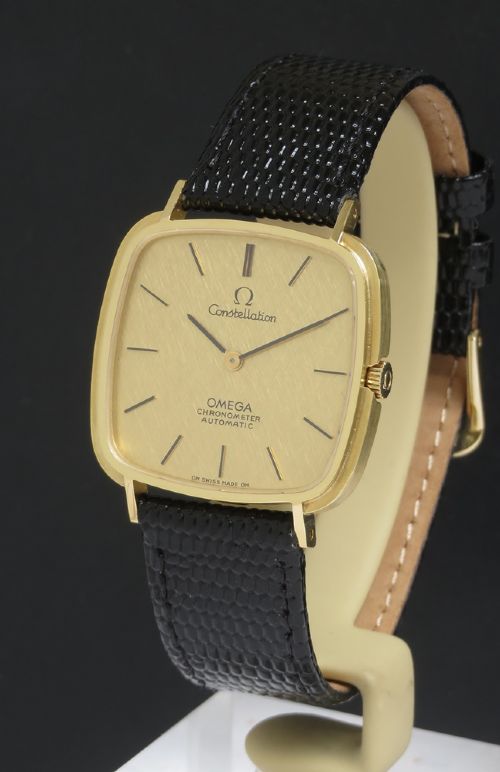
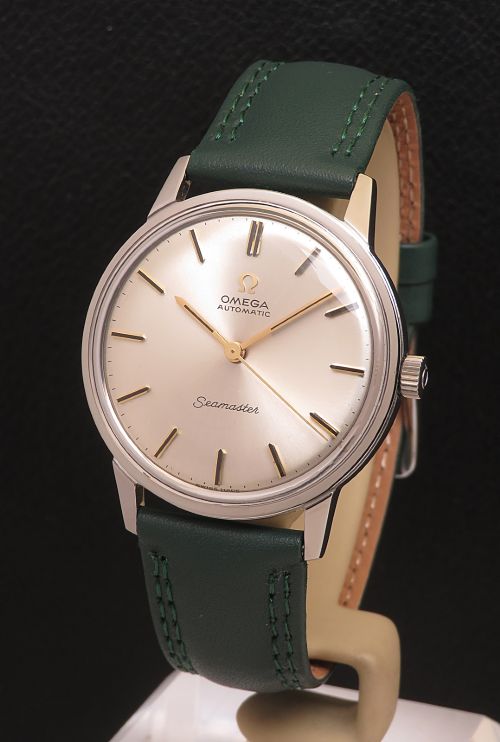
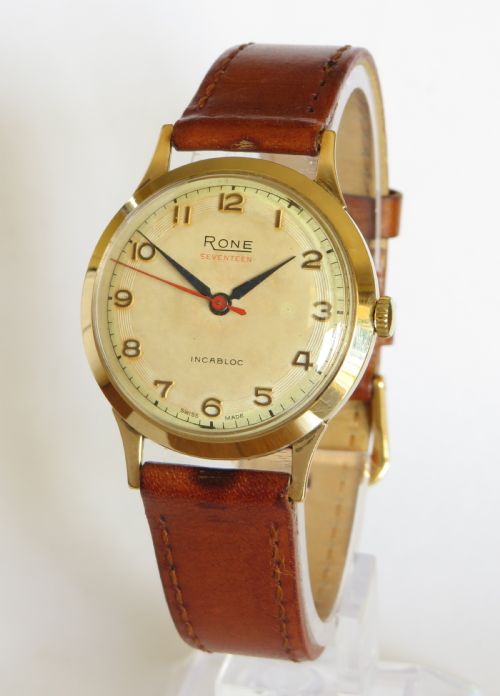
A gold luxury vintage watch brings together mid-century horology, classic dress pieces, and ornate cocktail designs. You will encounter wristwatches and pocket watches spanning the Edwardian era through the 1960s, featuring solid gold or gold-plated construction.
The selections on this page lean heavily toward mid-century automatic and manual-wind wristwatches. Makers such as Omega, Rolex, and Longines dominate the inventory, accompanied by specialist names like Audemars Piguet and Tissot.
Materials and construction
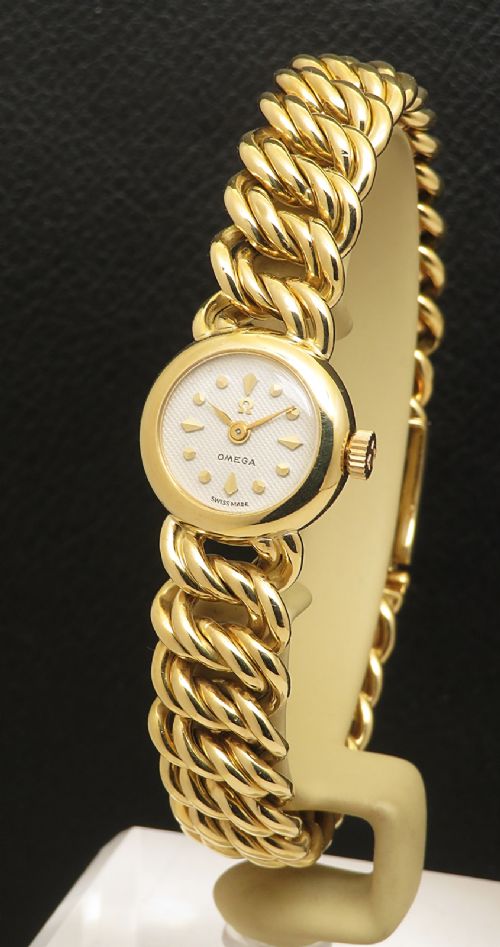
Cases utilise 9ct and 18ct yellow and white gold, alongside gold plating, paired with leather straps or metal bracelets. Many pieces incorporate glass crystals over dials decorated with details like diamond accents or black onyx.
Movements rely on mechanical ingenuity, encompassing manual-wind calibres, automatic mechanisms, bumper automatics, and chronograph complications. These movements sit inside precious metal housings designed for durability and elegance.
Some vintage ladies' cocktail watches conceal their dials beneath hinged diamond lids, letting you check the time in absolute secret.
Distinguishing quality
The upper tier of these timepieces is defined by the presence of original boxes, paperwork, and factory-fresh preservation. Solid 18ct gold cases carrying chronometer-grade movements represent the pinnacle of manufacture for these eras.
Workmanship varies between mass-produced dress models and complicated pieces like minute repeaters or diamond-set cocktail watches. Originality of dials, crowns, and signed components heavily influences the standing of an individual piece.
Omega·Rolex·IWC·Tissot·Movado·Vertex·Tudor·Audemars Piguet·Longines·Baume And Mercier·Eterna-matic·Rone·Invicta·Mundus
The Gold Luxury Vintage Watch Glossary
- Chronometer
- A high-precision watch capable of carrying a certificate of accuracy from an official testing body. These movements represent superior regulating standards.
- Bumper automatic
- An early self-winding movement where the rotor swings back and forth against springs rather than rotating fully 360 degrees. You can feel the gentle rebound on your wrist.
- Cocktail watch
- A small, highly decorative women's timepiece often set with diamonds and precious stones, intended for evening wear. These frequently double as items of fine jewellery.
- Calibre
- The specific internal mechanical movement manufactured inside a watch. Collectors use this term to identify the exact technical lineage of a piece.
- Manual wind
- A mechanical movement requiring the user to regularly turn the crown by hand to tension the mainspring. Unlike automatic versions, it contains no oscillating weight.
Gold Luxury Vintage Watch: Frequently Asked Questions
What is a bumper automatic watch?
A bumper automatic uses an internal swinging weight that travels through an arc, bouncing off springs to wind the mainspring. It is an older self-winding design found in mid-century pieces.
This distinct mechanical action gives the wearer a subtle physical sensation on the wrist as the weight moves back and forth.
How do I know if a gold watch is solid?
Solid gold watches feature proper precious metal hallmarks stamped into the interior of the case back. Gold-plated or gold-filled alternatives will lack these official assay marks and may show base metal underneath.
Weight also serves as an indicator, as solid 18ct or 9ct gold cases feel substantially heavier than plated brass or steel equivalents.
Are vintage watches water resistant?
Vintage watches generally lack modern rubber gaskets and screw-down sealing systems. Moisture can easily compromise the delicate mechanical movements and dials inside.
Collectors treat these pieces with care, avoiding exposure to rain, swimming, or hand washing.
How do I wind a manual watch?
To wind a manual watch, rotate the crown clockwise between your thumb and forefinger until you feel gentle resistance. Stop immediately once the tension increases to avoid snapping the mainspring.
This routine is best performed at the same time each day to maintain steady power delivery to the movement.