



Gold Leaf Glass Urn
A gold leaf glass urn brings a rich gilded presence to a room, catching the light across decorative surfaces.
Gold Leaf Glass Urn
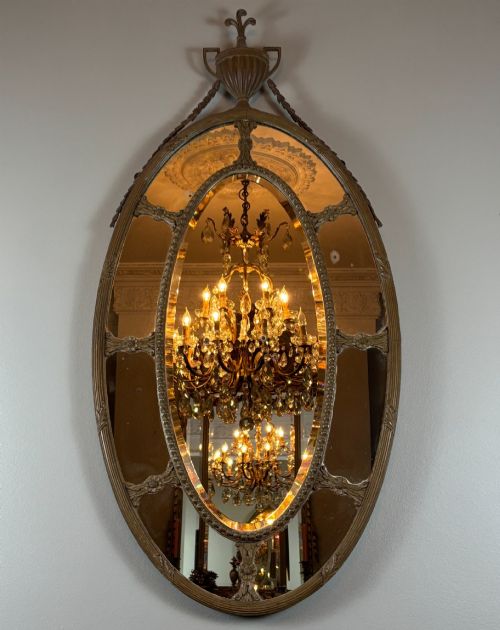
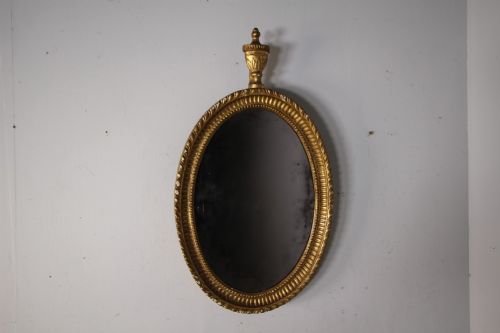
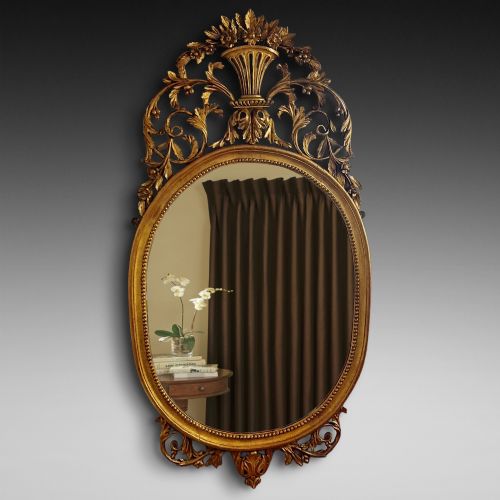
You find neoclassical revival styles alongside Victorian, Georgian, and Regency pieces, with specific examples ranging from Georgian giltwood mirrors to Murano millefiori glass chalice urn vases.
The objects combine reflective glass with gilded frames or decorative vessels, showing how makers integrated metal leaf with glass elements across various historical periods.
Materials and construction methods
Craftsmen applied gold leaf to gesso, composition, or carved giltwood frames, creating a luminous metallic surface that surrounds the glass components. Glass elements incorporate mirror glass or coloured glass techniques, sometimes featuring intricate detailing such as millefiori work.
Makers utilised brass fittings and wooden structures to support the heavier glass and mirrored panels, ensuring stability in wall mirrors, table lamps, and decorative urns. The combination of traditional carving, gilding, and glass manipulation defines the physical construction of these pieces.
Gold Leaf Glass Urn Retail Price Guide 2026
Typical asking prices for gold leaf glass urn among the pieces listed under this phrase on Sellingantiques today, from the lower quarter to the upper quarter. They describe what is for sale here now, not the wider market.
Materials recorded across the current inventory include giltwood, gesso, mirror glass, composition, and brass alongside glass.
Assessing quality in gilded and glass pieces
The refinement of the carving beneath the gold leaf separates standard production from finer examples, particularly in neoclassical and Georgian pieces where crisp detail matters. Hand-applied gilding shows subtle variations in texture and depth compared to mechanical finishes, altering how the surface catches light.
The preservation of the original glass, whether mirrored panels or decorative urn bodies, dictates the integrity of the piece. Superior construction involves secure joining of brass, wood, and glass components without excessive modern intervention.
The Gold Leaf Glass Urn Glossary
- Giltwood
- Wood that has been coated with gold leaf or gold paint. This technique provides a durable and bright metallic finish to frames and decorative objects.
- Gesso
- A plaster mix applied to wood surfaces as a base for gilding. It allows carvers to achieve sharp relief details before the gold leaf is laid down.
- Composition
- A moulded material made from whiting, resin, and glue used for decorative ornaments. It mimics carved wood details efficiently on nineteenth-century frames.
- Millefiori
- A glasswork technique producing distinctive patterned mosaic canes. It appears in decorative vessels and glassware from specialised workshops.
Gold Leaf Glass Urn: Frequently Asked Questions
What is a gold leaf glass urn?
A gold leaf glass urn is a decorative vessel that combines glass elements with gilded finishes. These objects serve as ornamental display pieces in traditional interiors.
They reflect light and showcase historical craft techniques spanning multiple decorative periods.
How do I date a gilded glass object?
Dating relies on examining the materials, construction methods, and stylistic cues present in the frame or vessel. Georgian and Regency pieces show different carving profiles compared to later nineteenth-century or revival items.
Backing boards, fixings, and the composition of the glass itself also offer clues to the period of origin.
Where should I place these pieces?
These decorative items suit spaces where reflected light and gilded surfaces can enhance the room. Wall mirrors work well above mantelpieces or console tables, while urns and lamps anchor sideboards or dedicated display areas.
Placing them away from direct moisture protects the gold leaf and mirror glass from deterioration.
How do I care for gold leaf surfaces?
Care requires gentle dusting with a soft, dry cloth to avoid disturbing the delicate metallic leaf. Liquid cleaners should be kept away from gilded wood and composition ornaments to prevent damage.
Glass components can be cleaned sparingly with appropriate glass cleaner applied to a cloth rather than sprayed directly.