
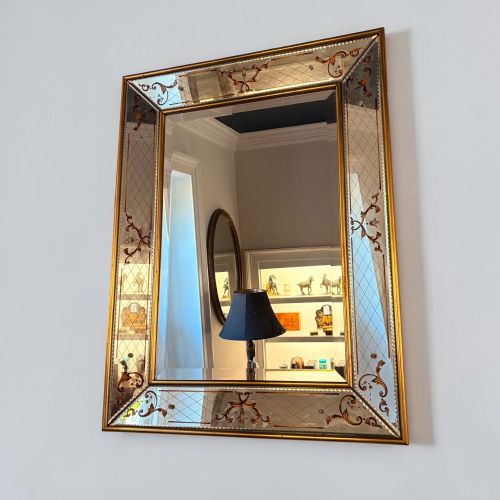
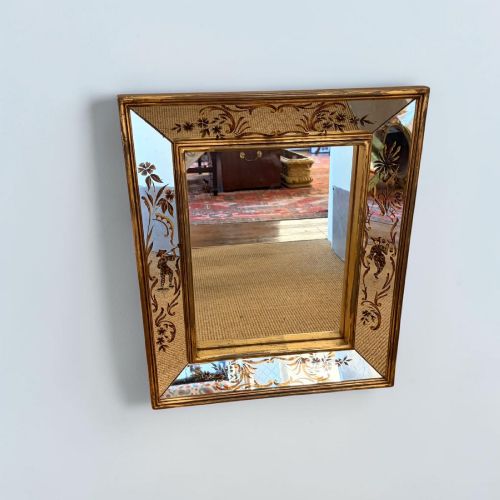
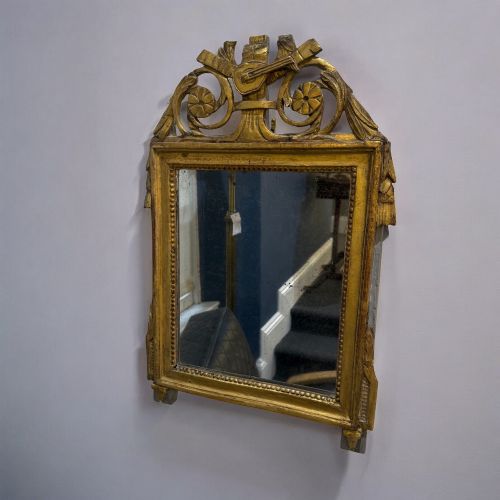
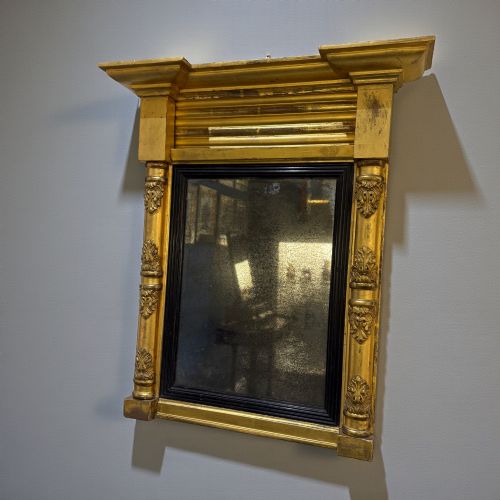
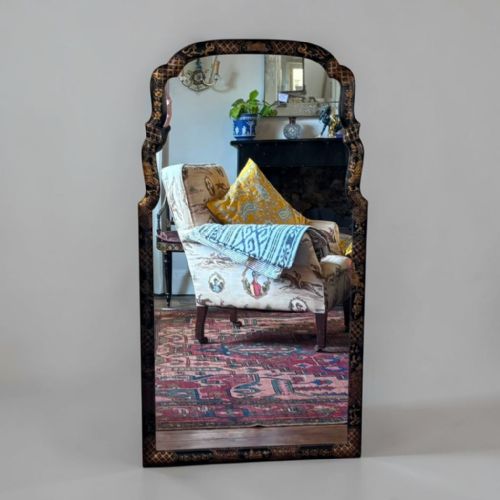
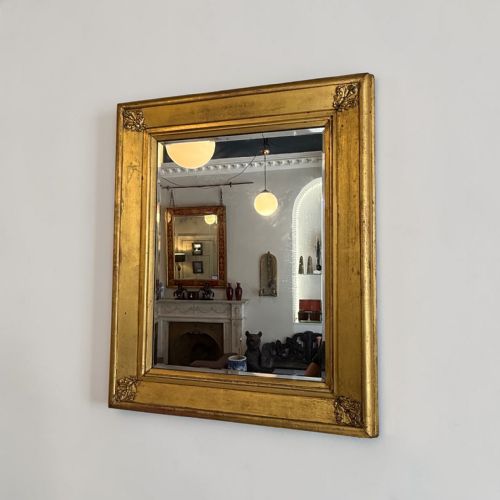
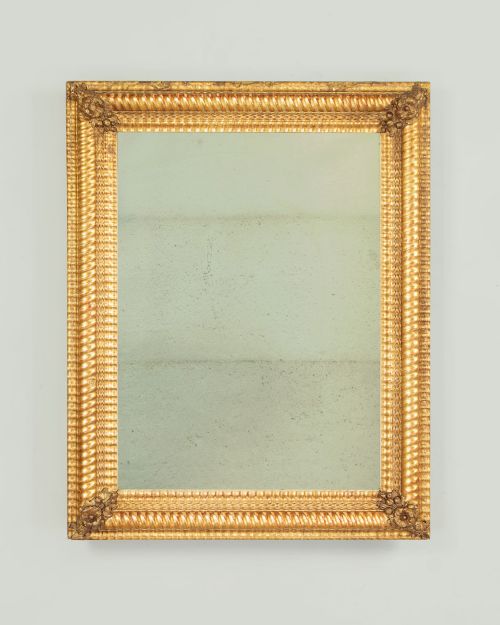
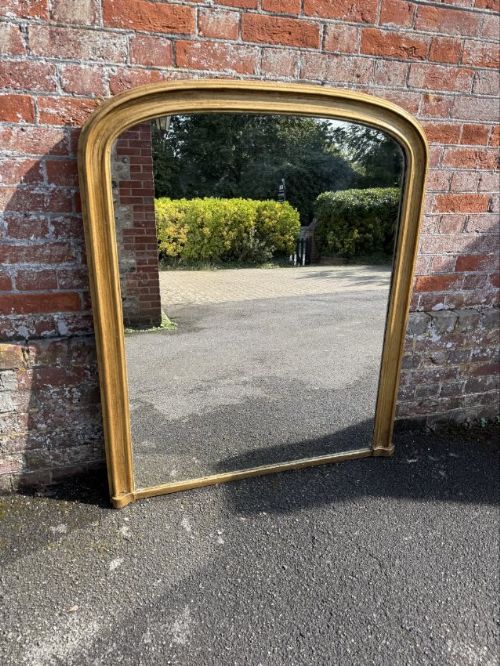
Gold Leaf Glass Frame
A gold leaf glass frame brings warmth and reflected light to a room through centuries-old craftsmanship.
Gold Leaf Glass Frame
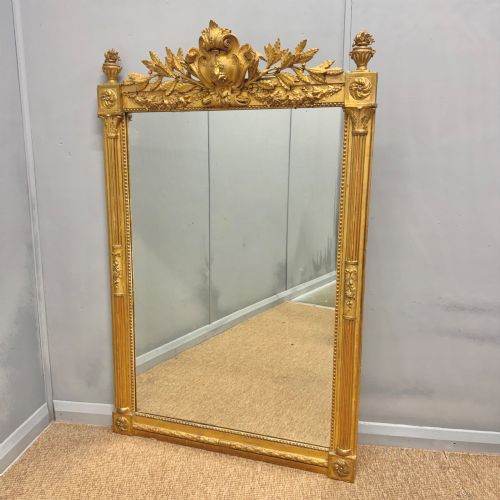
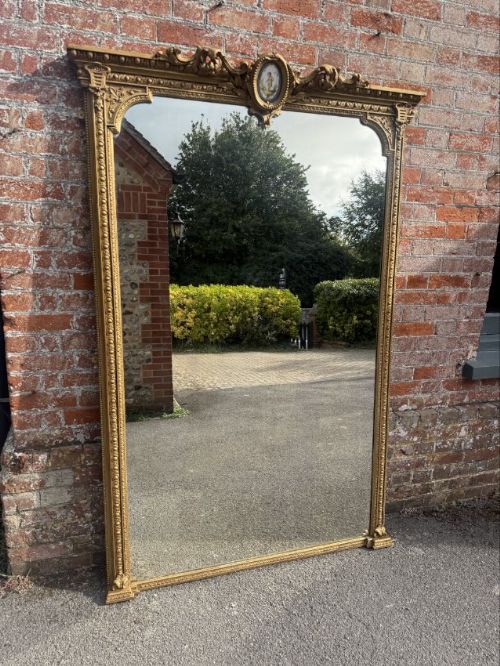
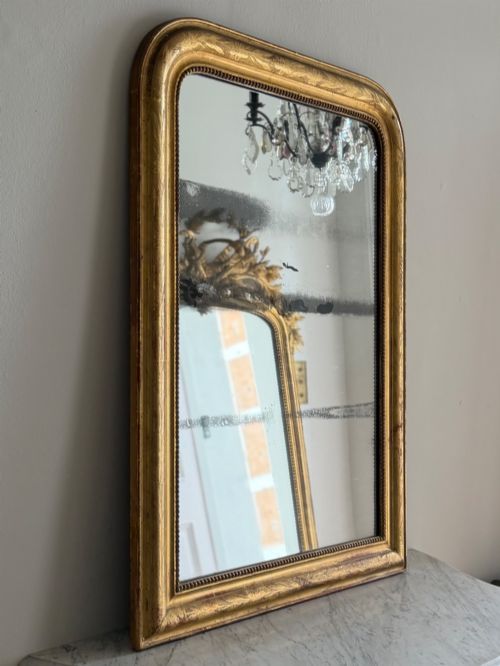
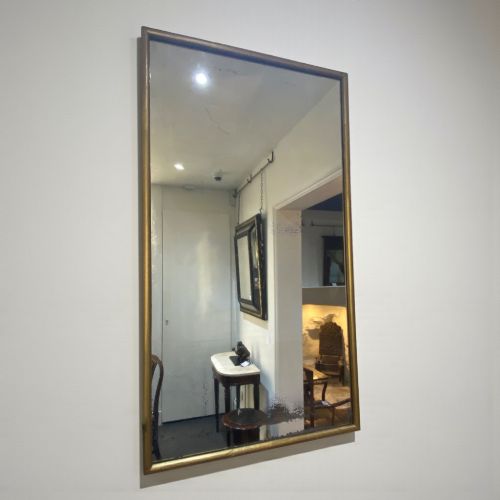
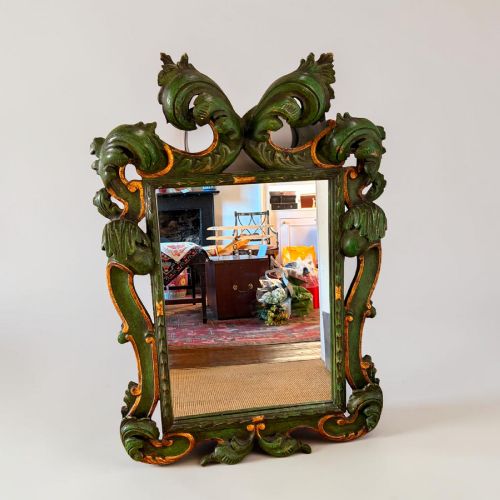
When searching for a gold leaf glass frame, buyers encounter mirrors and wall art primarily built during the eighteenth and nineteenth centuries. These pieces span English and continental origins, taking the form of wall mirrors, pier mirrors, and large overmantels designed to anchor a room.
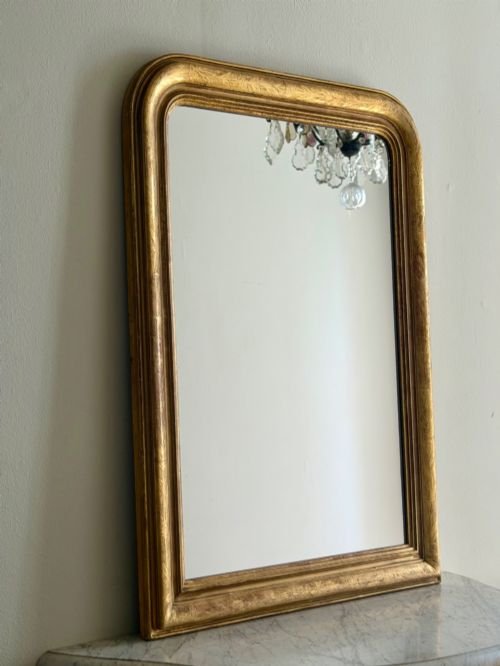
The inventory on this page relies heavily on nineteenth-century examples alongside Georgian, Regency, and eighteenth-century pieces. Common regional styles include French Rococo, Regency, and Victorian iterations that range from restrained ovals to large arched designs.
Materials and Construction
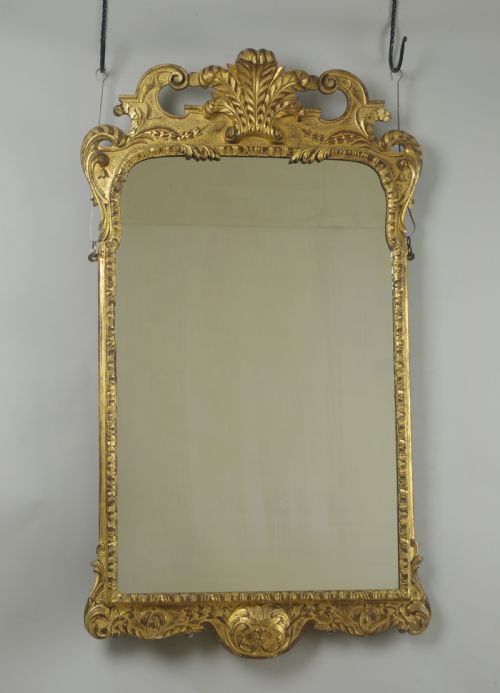
The construction of these frames typically relies on carved wood, gesso, and composition applied to a wooden base before the application of gold leaf or oil gilt. Artisans shaped intricate floral, rope twist, and mythological motifs into the gesso layer prior to gilding.
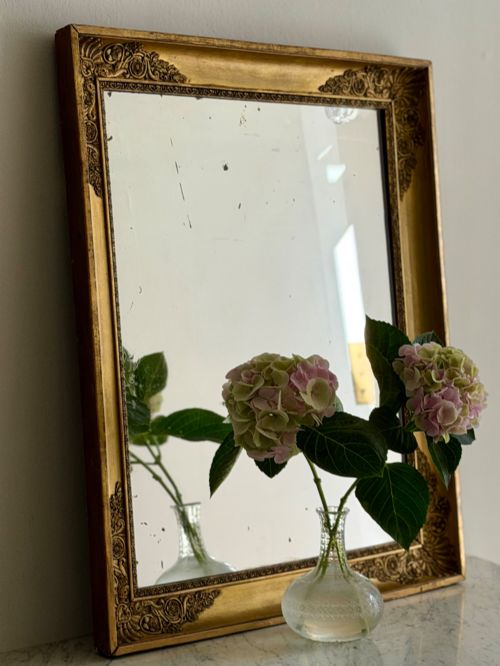
Mirrors within these frames frequently feature mercury glass or early bevelled plates, some retaining their original foxing and age spots. Walnut, oak, and rosewood also appear alongside gilded surfaces to form the structural foundations of the pieces.
Listings span the eighteenth, nineteenth, and early twentieth centuries, incorporating Georgian, Regency, and Victorian periods.
Distinctions in Quality
Quality in these frames rests upon the crispness of the hand-carved wooden details and the depth of the gesso work beneath the gold leaf. Superior examples display sharply defined motifs without the softness often found in later mass-produced composition mouldings.
The integrity of the mercury glass plate and the originality of the gilding surface further separate standard production from finer examples. Uniformity in the gold leaf application and minimal loss to the underlying gesso indicate superior period manufacture.
The Gold Leaf Glass Frame Glossary
- Gesso
- A plaster-like mixture applied to wood frames as a base for carving and gilding. This material allows artisans to mould fine decorative details onto the wooden structure.
- Mercury glass
- A double-walled blown glass type silvered with a mercury amalgam between the layers. It creates a distinctive misty reflection often seen in antique mirrors.
- Foxing
- Age-related brown spots and discolouration within the silvering of a mirror plate. This chemical oxidation develops naturally over many decades.
- Pier mirror
- A tall, narrow mirror traditionally hung on the pier or wall space between windows. These pieces were often matched with console tables underneath.
- Overmantel mirror
- A wide horizontal mirror designed to hang above a fireplace mantelpiece. They frequently incorporate arched tops and elaborate carved frames to dominate the chimney breast.
Gold Leaf Glass Frame: Frequently Asked Questions
How do I date a gold leaf frame?
Dating relies on examining the construction techniques of the wooden substrate and the composition of the gesso layer. Earlier Georgian and Regency pieces show hand-carved details, whereas later Victorian examples often use moulded composition ornaments.
The mirror glass itself provides further evidence. Original mercury plates with foxing differ significantly from later replacement glass plates.
What is mercury glass?
Mercury glass is an early type of silvered glass created by pouring a liquid silver-mercury mixture between two layers of blown glass. It creates a dim, atmospheric reflection rather than the sharp image produced by modern silvering techniques.
Antiques featuring this glass display characteristic mottled dark spots known as foxing.
Where should I hang an overmantel mirror?
Overmantel mirrors were originally designed to hang centrally above a fireplace mantelpiece. Their wide horizontal proportions reflect light across the room and balance the architectural weight of the hearth.
They also function effectively on large blank walls in reception rooms where wide focal points are required.
How do I care for antique giltwood?
Giltwood requires gentle dusting with a soft, dry brush to protect the delicate gold leaf surface. Moisture and chemical cleaners must be avoided entirely because they strip the fine water gilding or oil gilt layers.
Maintaining stable room humidity prevents the underlying gesso and wood from cracking or shrinking.