
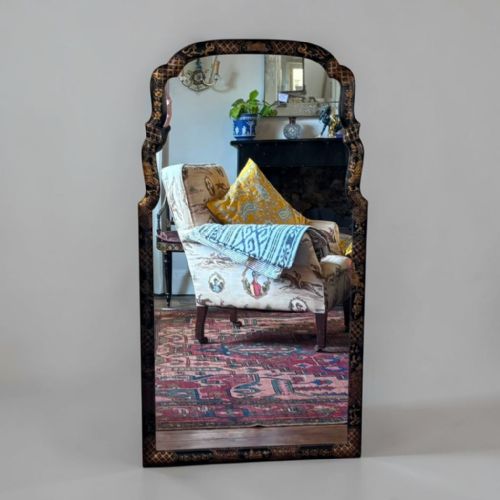
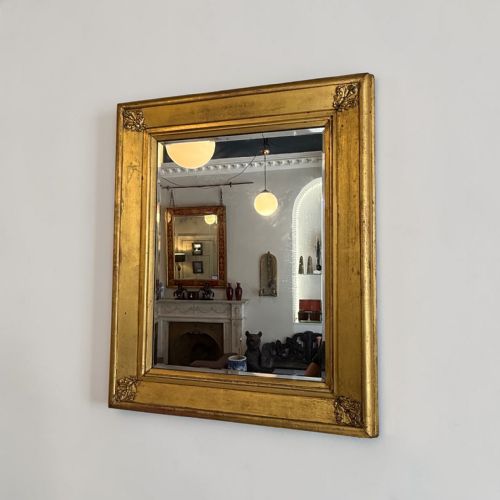
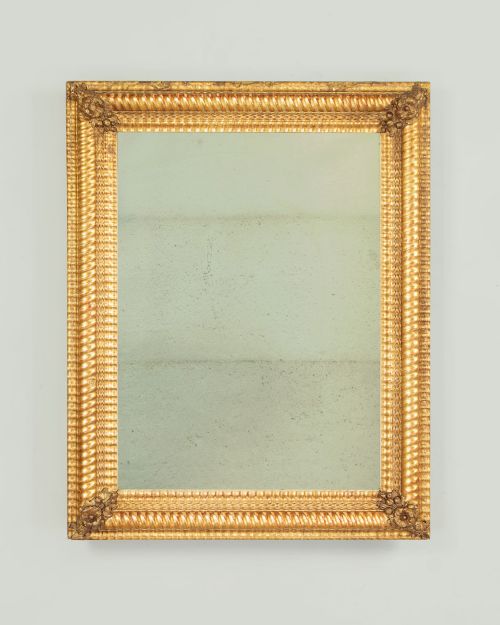
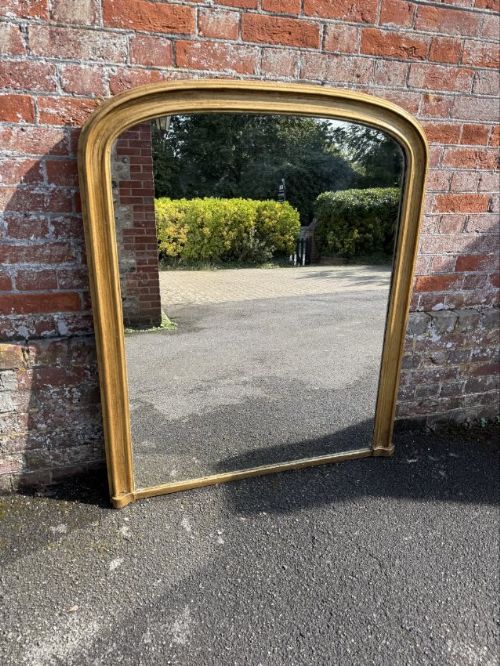
Gold Leaf Framing Glass
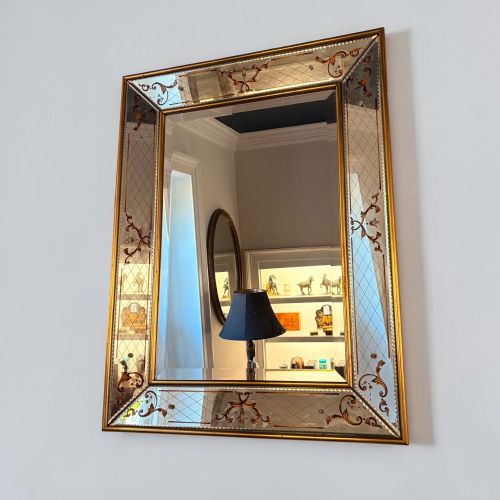
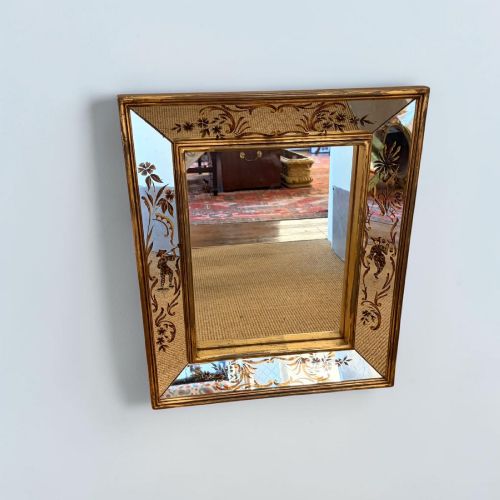
Gold leaf framing glass brings together centuries of gilded frames and silvered plates to illuminate a room.
Gold Leaf Framing Glass
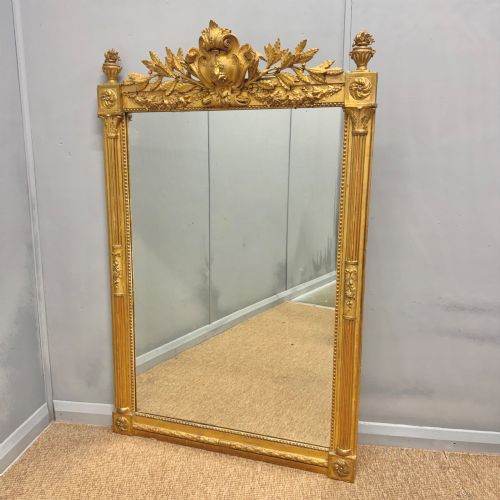
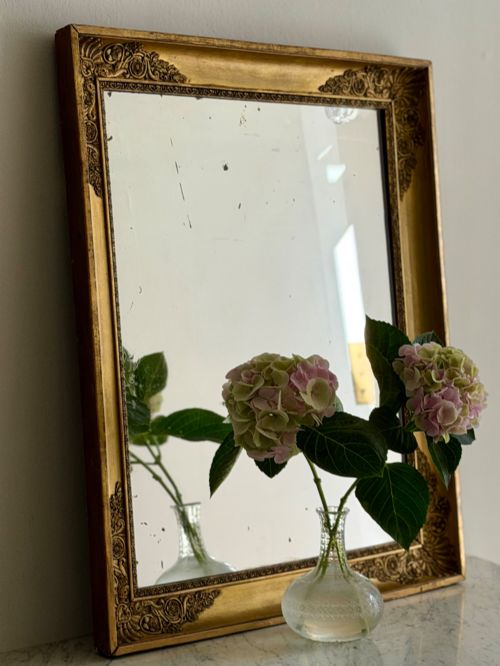
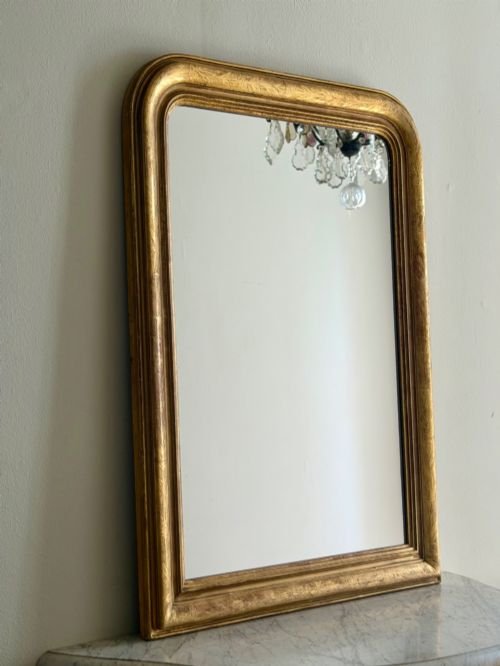
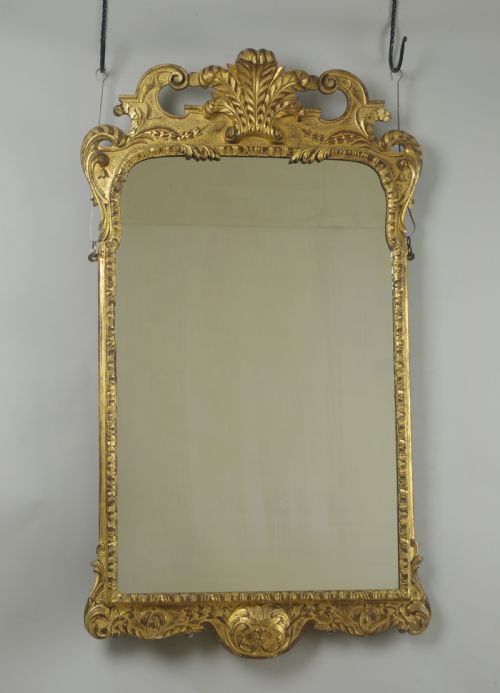
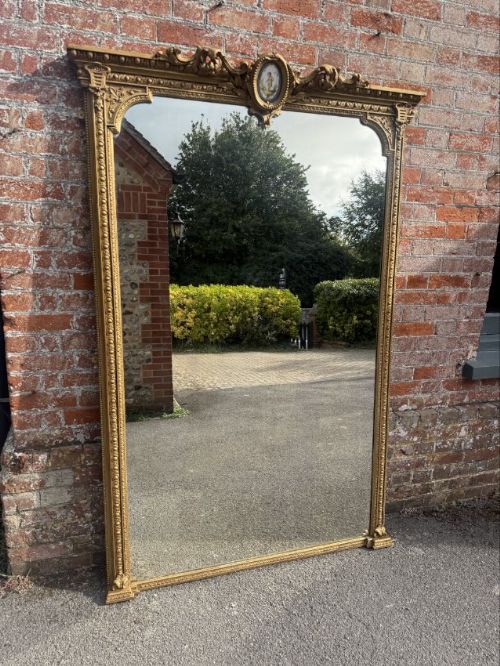
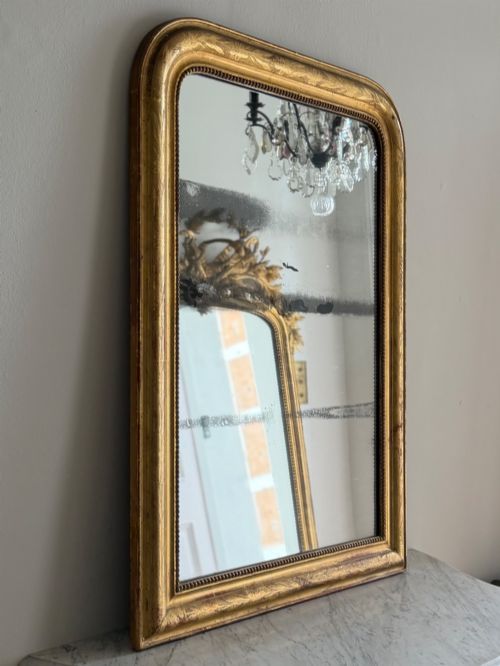
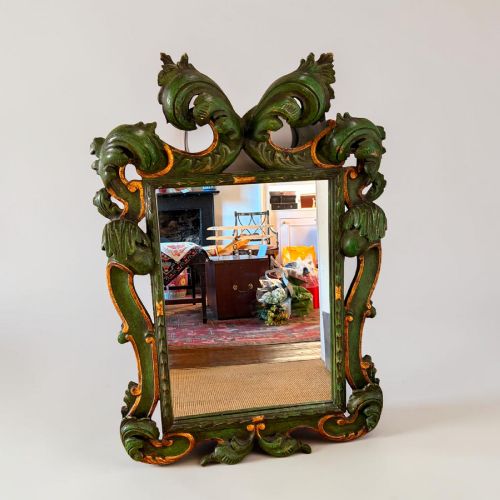
When you search for gold leaf framing glass, you encounter mirrors created primarily during the eighteenth and nineteenth centuries. These pieces encompass grand overmantels, tall pier mirrors, and delicate oval wall sconces designed to catch the natural light of a period interior.
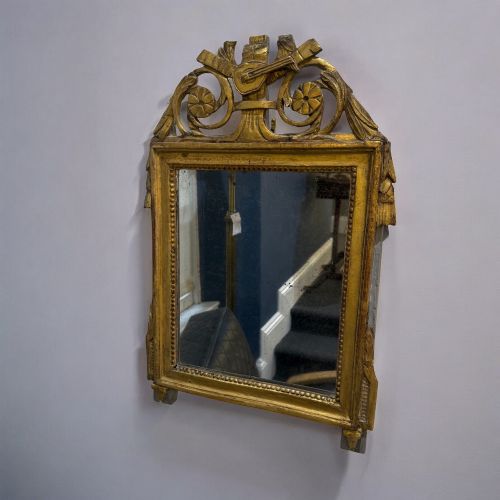
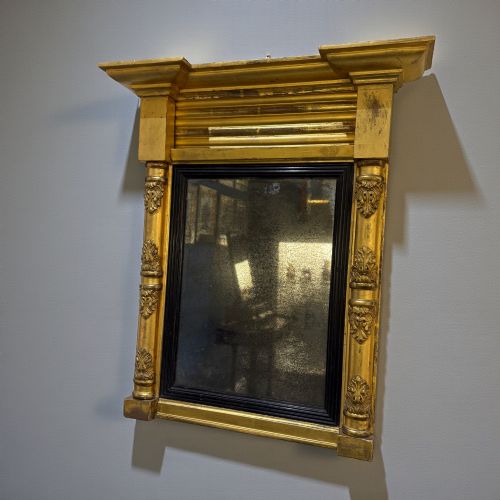
The most common examples on this page are nineteenth-century English and French wall and overmantel mirrors. They combine substantial timber frames with elaborate gesso ornamentation under bright layers of gold leaf.
Materials and Construction
Carved timber forms the structural core of these frames, often reinforced with moulded composition or applied gesso to hold intricate floral and foliate details. Artisans then laid delicate sheets of gold leaf over a prepared bole layer, burnishing the metal to a warm, reflective finish.
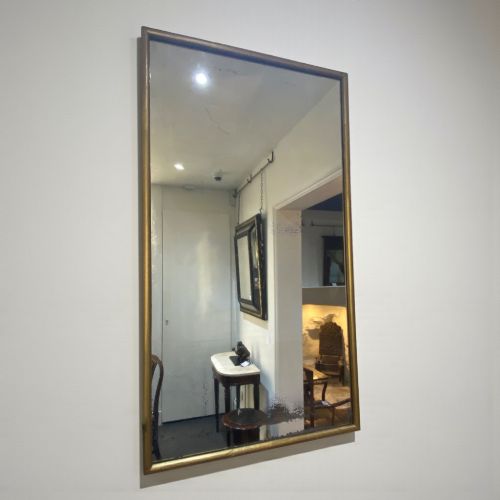
Mirrors utilise traditional glass plates, frequently featuring mercury backing or early bevelling that produces characteristic foxing and soft, uneven reflections over time.
Certain frames hide secret Masonic symbols beneath their gilt surfaces, quietly watching over centuries of domestic life.
Judging Quality and Craftsmanship
Depth and clarity of the original carving separate standard production frames from superior examples. Hand-carved wooden enrichment holds crisp detail, whereas heavily moulded composition can appear soft and uniform.
The integrity of the reflective plate matters greatly. Original mercury glass with natural foxing and undisturbed silvering retains a depth that modern replacement glass lacks.
The Gold Leaf Framing Glass Glossary
- Gesso
- A plaster-like mixture applied to wood frames as a smooth base for gilding. It allows artisans to carve intricate relief patterns before applying gold leaf.
- Mercury glass
- An early type of mirror plate produced by pouring a mercury and tin amalgam behind glass. It creates a dark, mottled reflection known as foxing.
- Overmantel mirror
- A large horizontal mirror designed to sit directly above a fireplace mantel. These pieces often anchor the decorative scheme of a principal reception room.
- Pier mirror
- A tall, narrow mirror made to hang on the wall space between two windows. They maximise light in darker Georgian and Victorian interiors.
- Giltwood
- Timber that has been coated with gold leaf or gold paint. The underlying wood grain sometimes telegraphs softly through the metallic surface.
Gold Leaf Framing Glass: Frequently Asked Questions
What is mercury glass?
Mercury glass refers to mirror plates produced using a silvering technique involving liquid mercury and tin amalgams. This process creates a distinct, deep reflection that darkens gracefully with age.
Over the decades, chemical changes behind the glass produce mottled dark spots known as foxing, which collectors value as a sign of authenticity.
How do I date an antique mirror?
Dating relies on examining the construction methods of the wooden frame, the style of the carving, and the characteristics of the glass plate. Georgian and Regency pieces show different joinery and moulding profiles compared to later Victorian revivals.
Backboards, fixings, and the composition of the gesso layer also provide physical clues that point toward a specific century.
Where should I hang an overmantel mirror?
Overmantel mirrors find their traditional home centred directly above a fireplace mantelpiece. Their horizontal proportions are specifically scaled to balance the width of the hearth below.
They also function effectively on main reception room walls where their large reflective surface draws daylight deep into the interior.
How do I clean a gilded frame?
Cleaning requires a very gentle touch to protect delicate gold leaf and brittle gesso ornamentation. Dusting should be done lightly using a soft, dry brush without applying liquid cleaners.
Moisture and modern chemical sprays can strip the metallic leaf or soften the historic bole layer beneath the surface.