
Gold Leaf Carving
Gold leaf carving brings rich texture and bright warmth to interiors through ornate gilded mirrors, seating, and consoles.
Gold Leaf Carving
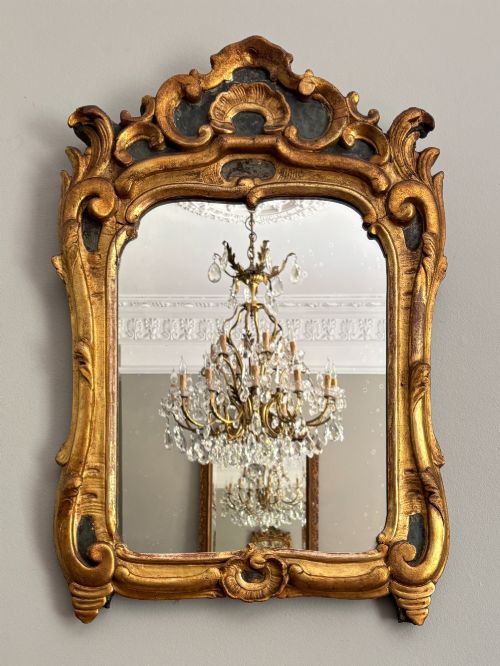
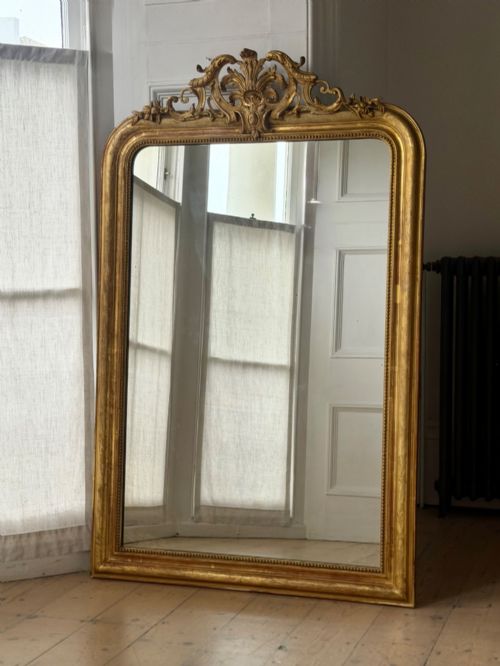
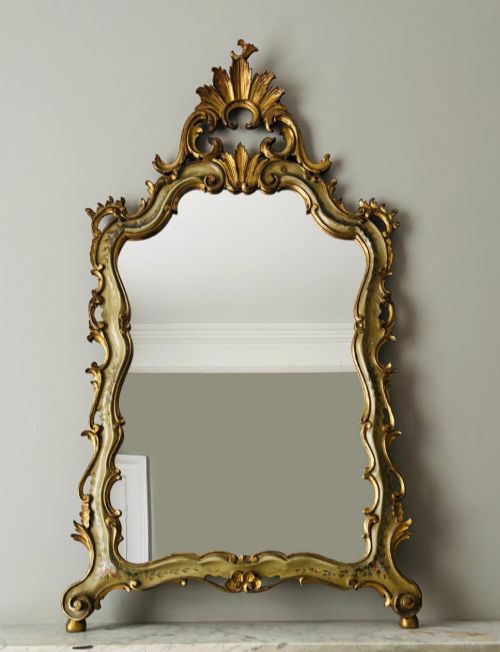
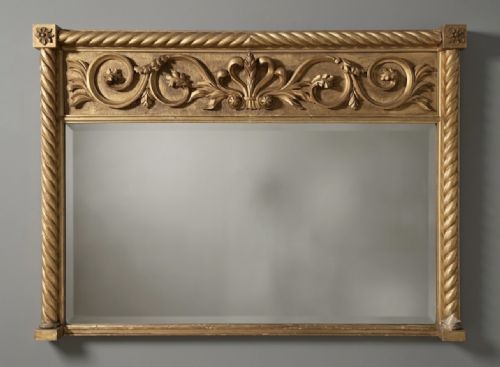
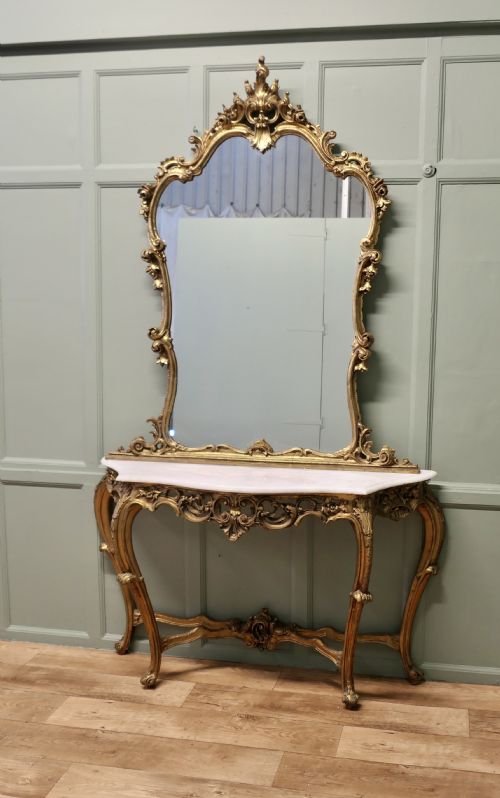
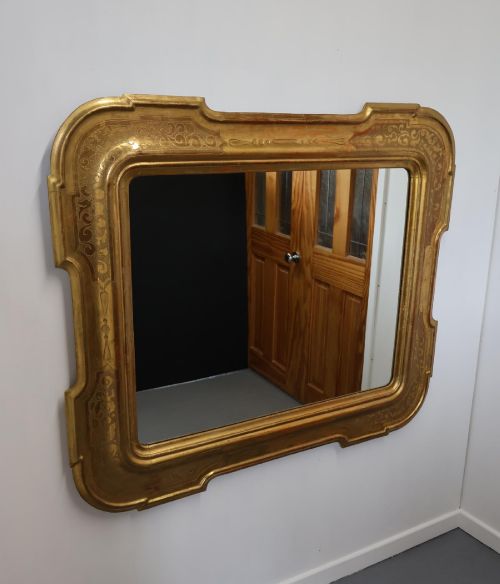
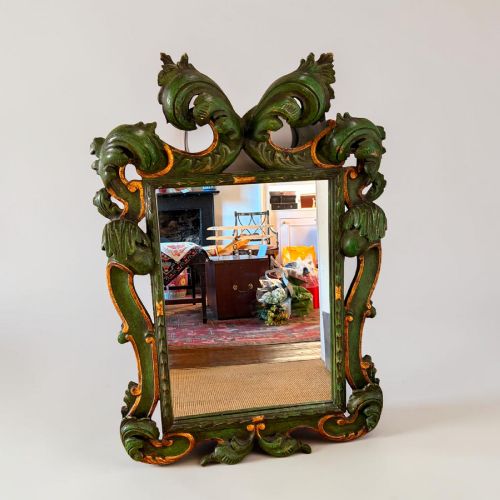
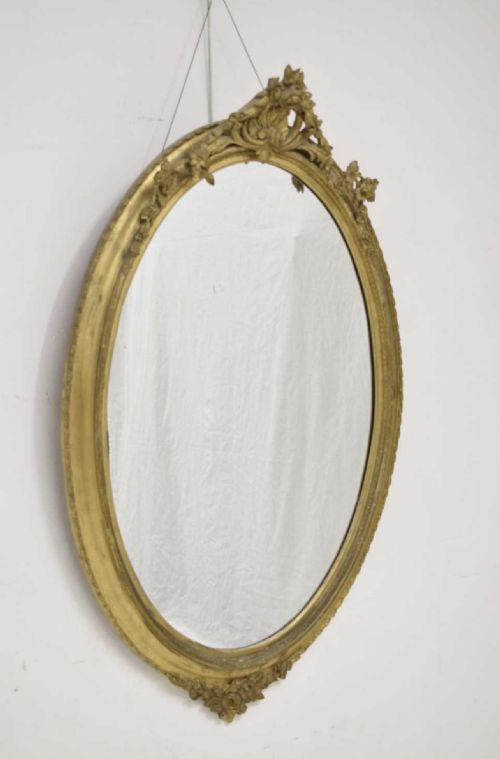
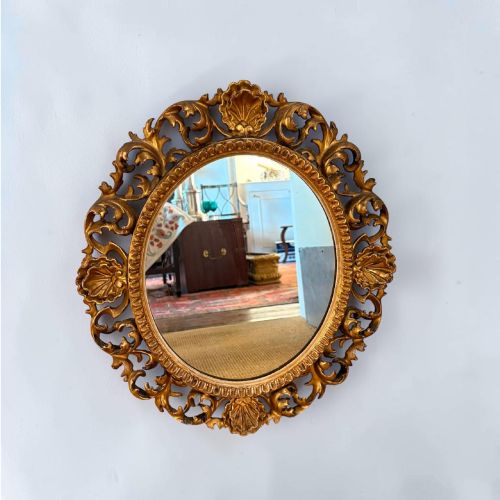
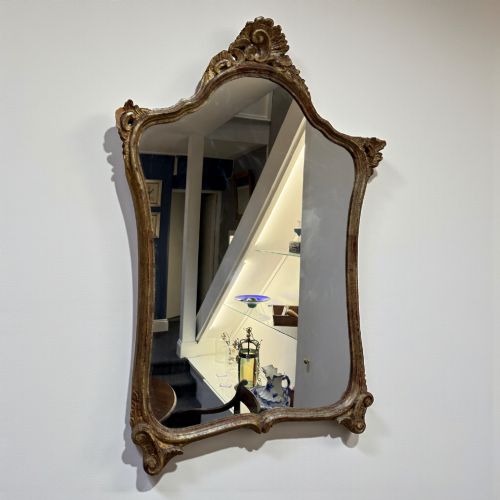
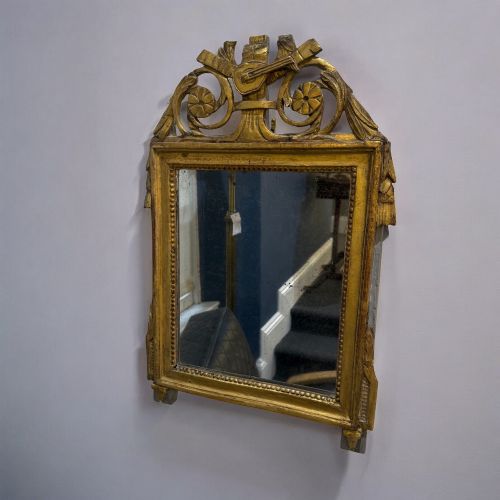
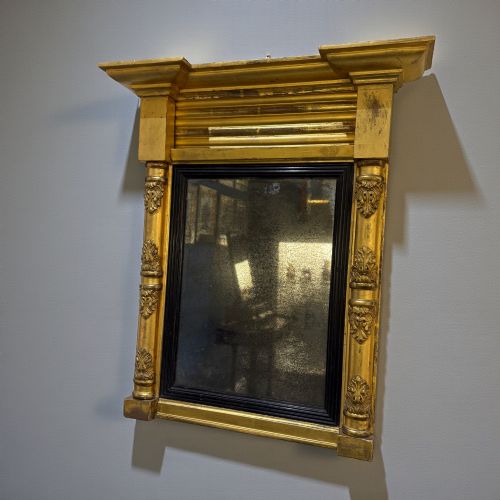
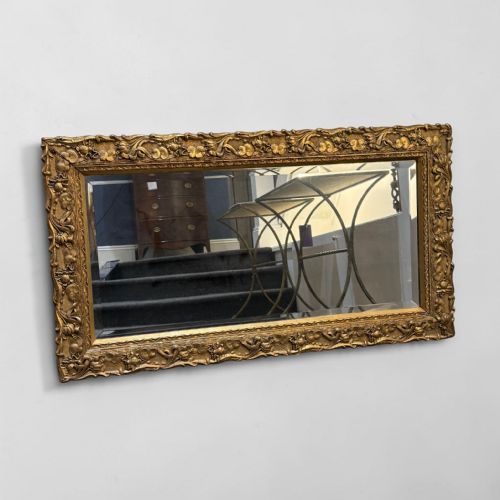
Gold leaf carving primarily appears in large wall mirrors, grand overmantels, and console tables designed to reflect light and fill grand reception rooms. These items span periods from the eighteenth century through the Victorian era, showing French and English influence.
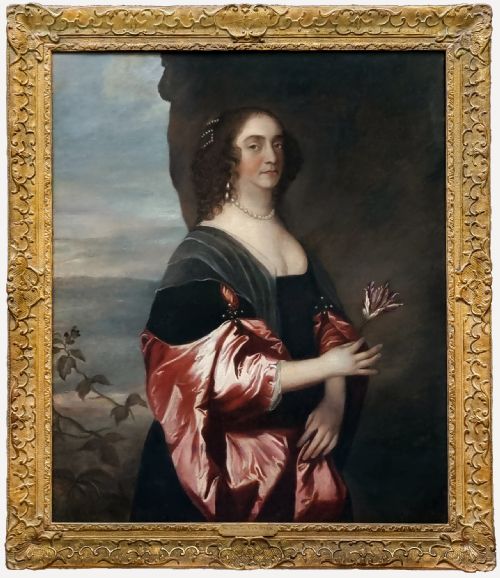
The most common forms on this page are tall French and English mirrors alongside carved giltwood seating and wall lights. Makers applied thin gold leaf over carved wooden structures, gesso, and composition details to achieve a brilliant metallic sheen.
Pieces frequently display classical revival styles such as Regency, Rococo, and Louis Philippe alongside Victorian flourishes. They serve both functional and decorative roles in traditional interiors.
Materials and construction
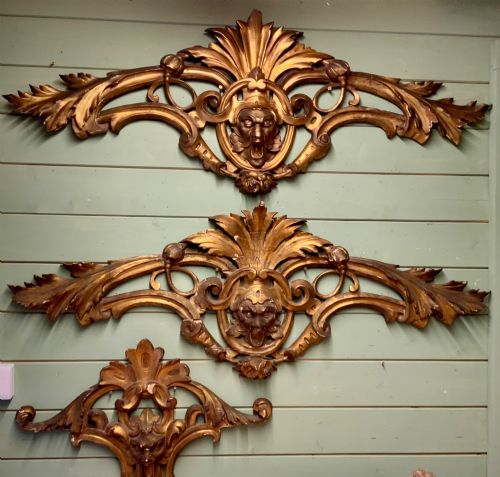
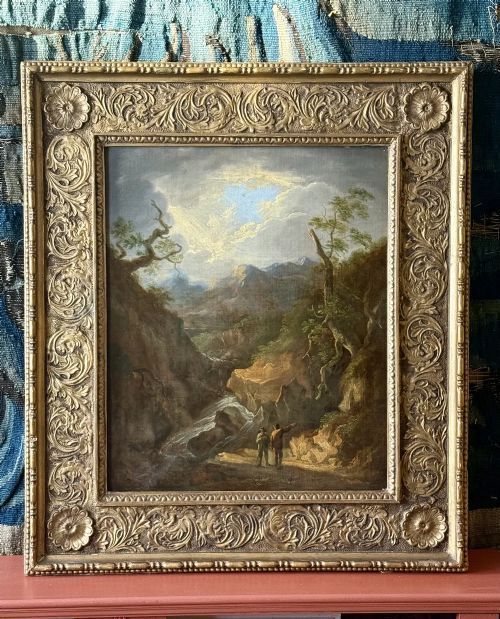
Craftsmen shaped solid timber bases from wood, walnut, or painted timber before applying layers of gesso to create a smooth surface for relief work. Artisans carved intricate details directly into the wood or moulded composition ornaments onto the frame.
Extremely thin sheets of gold leaf were meticulously laid over a bole base to give the final surface its characteristic metallic glow. Mirror plates often utilised antique glass, sometimes featuring foxed mercury ageing or bevelled edges.
Quality differences
The depth and crispness of the hand carving separate standard frames from exceptional examples. Superior items display undercut foliage, sharp ribbon crests, and well-balanced proportions that retain their structural integrity over centuries.
The application of the gilding and the preservation of the original gold leaf layer dictate the visual richness of the piece. High-quality objects maintain their original mirror plates and stable gesso layers without excessive modern restoration.
The Gold Leaf Carving Glossary
- Giltwood
- Wood that has been coated with gold leaf or gold paint. This material forms the primary structure of most mirrors and decorative furniture on this page.
- Gesso
- A plaster-like mixture applied to wood frames to create a smooth base for carving and gilding. It allows for intricate moulded details and relief work.
- Overmantel mirror
- A large mirror specifically designed to hang above a fireplace mantelpiece. These often feature arched or shaped tops to fit architectural spaces.
- Foxed mercury glass
- Mirror glass that shows dark spots and speckling due to the degradation of the reflective backing over time. Collectors value this trait as a sign of genuine age.
- Parcel gilt
- Wood furniture partially decorated with gold leaf while other areas reveal the natural grain of walnut or mahogany. This technique highlights specific carved motifs.
Gold Leaf Carving: Frequently Asked Questions
Where should I hang an overmantel mirror?
Place an overmantel mirror securely above a fireplace mantelpiece where it can anchor the room and reflect natural light. Ensure the wall fixings match the substantial weight of the timber and gesso frame.
These large pieces also function effectively on main reception room walls opposite windows to brighten darker corners.
How can I tell a Victorian gilt mirror from an 18th-century one?
Examine the style of the carving and the composition ornaments, as Victorian pieces often feature heavy acanthus leaves and machine-pressed elements. Eighteenth-century examples generally display more fluid, hand-carved Rococo asymmetry and lighter wooden frames.
Inspect the backboards and fixings for further clues regarding the period of manufacture and assembly techniques.
What is the difference between gesso and carved wood?
Carved wood involves shaping the actual timber frame using chisels and gouges to form structural details. Gesso is a chalk and binder mixture applied over the wood to build up raised decorative motifs and smooth surfaces before gilding.
Many antique frames combine both techniques, using carved wooden foundations supplemented by moulded gesso relief work.