


Indian Stone Carving
Indian stone carving brings enduring sculptural depth into a room, spanning architectural elements and intricate inlaid tables.
Indian Stone Carving
An indian stone carving represents a rich tradition of sculpture and architectural salvage, taking the form of statues, reliefs, vases, and tables. These pieces originate from various historical periods, ranging from medieval times to the twentieth century.
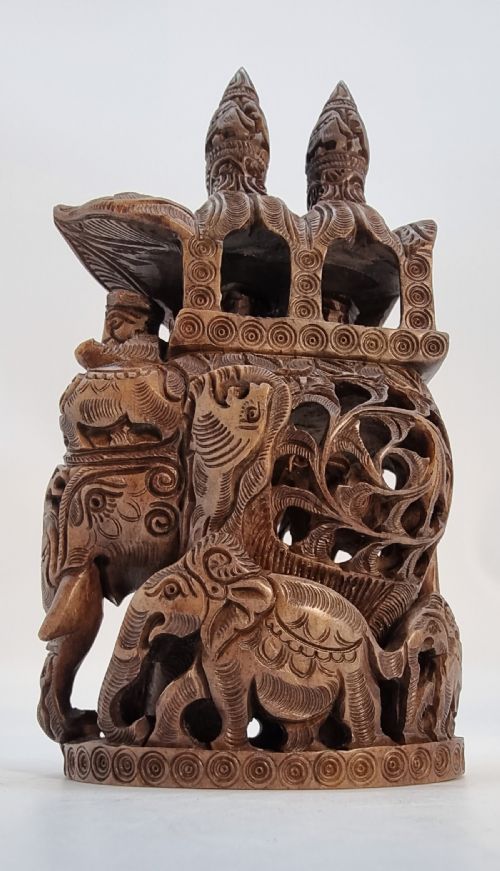
Buyers frequently encounter decorative items like garden planters and elephant studies, alongside structural fragments such as architectural columns and pilasters. The selection also includes functional furniture featuring intricate stone inlay work.
Origins span distinct regional styles, including Mughal, Anglo-Indian, and Southeast Asian Classical traditions. This diversity allows collectors to choose between monumental architectural elements and refined decorative table pieces.
Materials and methods
Artisans utilised a variety of natural materials, predominantly working with sandstone, white marble, black marble, and soapstone. Hardwood and cast iron occasionally appear as structural supports or bases for the stone elements.
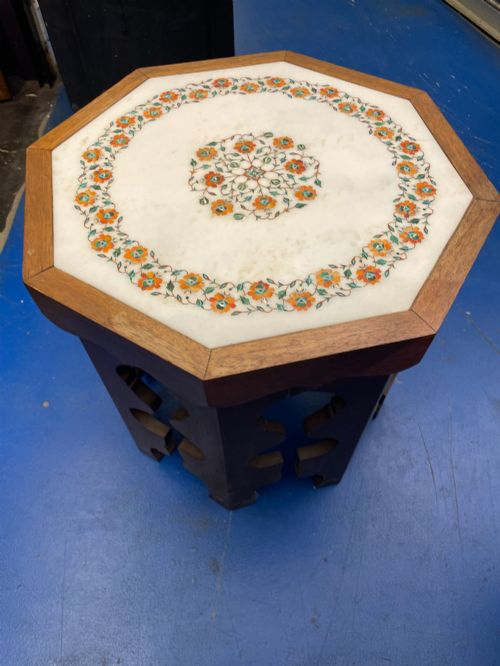
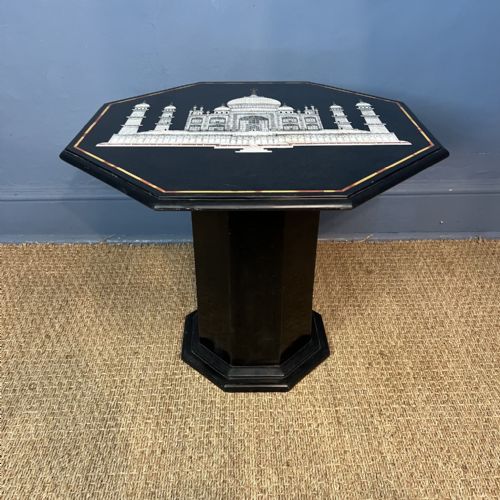
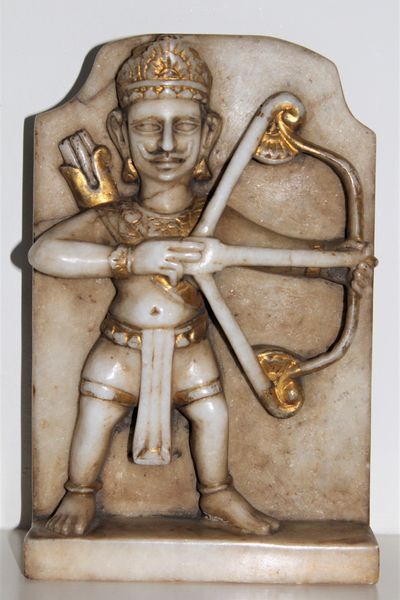
Surface ornamentation often incorporates pietra dura and semi-precious stone inlay, particularly visible in classical table tops and vases. Relief carvings and statues demonstrate sophisticated chisel work on both hard stones and softer alabaster.
Current listings feature materials ranging from white and black marble to sandstone, soapstone, and semi-precious stone inlay.
Distinguishing quality
The sophistication of the chisel work and the depth of relief define the artistic merit of each sculpture. Finer pieces display meticulous attention to anatomical proportion and ornamental detail, especially in figurative representations of deities and animals.
The integrity of the material and the precision of any inlay work distinguish master craftsmanship from standard production. Age and provenance, particularly objects retaining architectural context or specific period characteristics, add historical depth.
The Indian Stone Carving Glossary
- Pietra dura
- An artistic technique involving the inlay of cut and fitted highly polished coloured stones to create images. This method appears on decorative vases and tables.
- Relief carving
- A sculptural technique where the sculpted elements remain attached to a solid background of the same material. Eleventh-century examples demonstrate this method in narrative panels.
- Pilaster
- An architectural element used to give the appearance of a supporting column and to articulate an extent of wall. These architectural salvage pieces often frame larger spaces.
- Alabaster
- A fine-grained mineral frequently used for smooth statuary and decorative carvings. It allows for delicate surface rendering in figurative works.
- Indo-Saracenic
- An architectural style that amalgamated Hindu and Islamic elements during the colonial period. It influences the decorative vocabulary of many nineteenth-century items.
Indian Stone Carving: Frequently Asked Questions
What periods do these carvings date from?
The available pieces span multiple centuries, ranging from pre-sixteenth century medieval examples up to twentieth-century items from the nineteen-twenties and thirties.
Earlier items include eleventh-century sandstone reliefs, while later pieces reflect Raj period aesthetics and twentieth-century design influences.
How were these stone objects used?
Many items served dual decorative and functional purposes in domestic or architectural settings. Tables and vases brought fine materials into interior spaces.
Larger structural elements like columns and pilasters originated from buildings, while statues and reliefs formed part of broader architectural schemes or religious devotion.
What materials are most common?
Marble, sandstone, and standard stone form the primary medium for the majority of sculptures and architectural salvage. White and black marble frequently appear in decorative tables and vases.
Other works utilise soapstone, alabaster, and jade, often enhanced with semi-precious stone inlay work.
How do I identify a Mughal piece?
Mughal works often display characteristic refinement in material choice, such as white jade or fine marble. They frequently incorporate intricate floral or geometric patterns.
Associated items include inlaid tables and carved powder flasks that reflect the courtly aesthetics of the period.
Where do architectural columns come from?
Architectural columns and half-columns are sourced as salvage from historic buildings and structures. They represent traditional building practices across various Indian regions.
These heavy stone supports are now utilised independently as decorative focal points or mounted on modern stands.