





Antique Marble Warrior Statue
An antique marble warrior statue captures classical heroism in stone, offering enduring drama and heroic presence for the discerning collector.
Antique Marble Warrior Statue
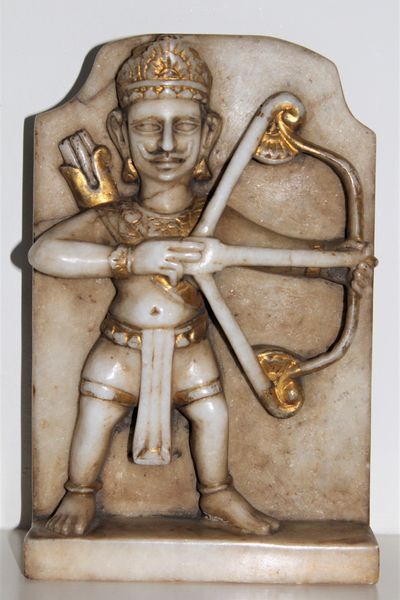
An antique marble warrior statue embodies classical strength, drawing heavily from historical figures and mythological heroes such as Arjuna or mythological combatants. These pieces emerge primarily from the nineteenth century, reflecting periods of intense revivalism and classical study.
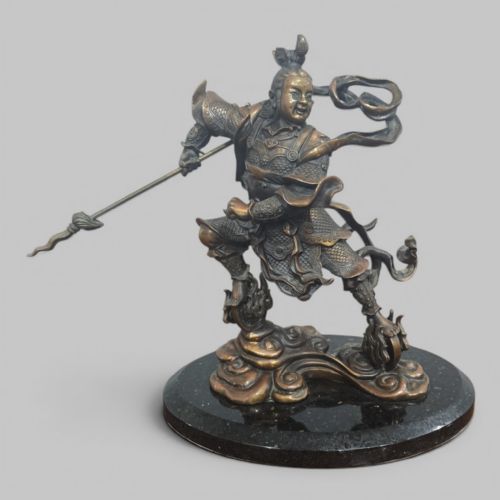
The materials span beyond pure marble to encompass bronze, spelter, and parian porcelain, though the stone carvings remain distinctive for their weight and permanence. Sculptures, busts, and larger figures populate the offerings, often taking inspiration from grand tour souvenirs and classical monuments.
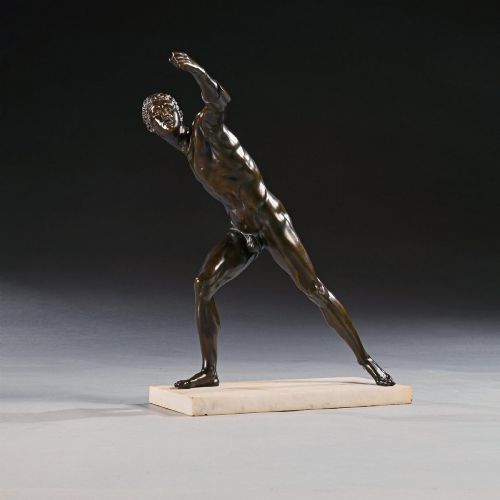
Neoclassical and classical revival styles dominate the forms, capturing subjects like Ajax, Perseus, and Roman gladiators with detailed musculature and dynamic stances. Buyers encounter everything from Italian grand tour reductions to monumental equestrian tributes.
Materials and technique
Carving stone requires precise chisel and rasp work to define drapery, musculature, and facial expressions from solid blocks of marble. Artisans also utilised metal casting techniques, pouring bronze and spelter into detailed moulds before finishing surfaces with patination or gilding.
Porcelain variants such as parian and biscuit involve slip casting and high-temperature kiln firing to achieve a fine, marble-like matte surface. Each medium demands distinct technical mastery, whether shaping stone or chasing metal details.
Listings feature materials spanning marble, bronze, spelter, and parian porcelain across the nineteenth and early twentieth centuries.
Factors of quality
The fidelity of anatomical rendering and the sharpness of chisel or chasing work distinguish superior pieces from simpler commercial souvenirs. Fine examples display careful attention to human proportion, dynamic tension in limbs, and expressive facial detailing.
The choice of material and the integrity of the casting or carving dictate the overall presence and durability of the sculpture. Superior patination on metals or purity in stone elevates an object from a standard decorative item to a museum-quality work of art.
Eugene Barillot·Desire Grisard·Chiparus·Franz Iffland·Richard Aurili
The Antique Marble Warrior Statue Glossary
- Neoclassical
- A style originating in the eighteenth century that revives the aesthetic and cultural values of ancient Greece and Rome. It prioritises proportion, heroic subject matter, and restrained ornamentation.
- Grand Tour
- A traditional trip of Europe undertaken by upper-class young European men of means in the eighteenth and nineteenth centuries. Souvenirs collected included small-scale bronze and marble sculptures after antique originals.
- Patina
- A thin layer that naturally or artificially develops on the surface of bronze and other metals through age and exposure. It alters the colour and provides a protective and aesthetic finish.
- Spelter
- A zinc alloy frequently utilised as a less expensive alternative to bronze in nineteenth-century manufacturing. It accepts patination well to simulate heavier metals.
- Parian Porcelain
- A biscuity type of porcelain developed in the nineteenth century to resemble carved white marble. It is named after Parian marble from the Greek island of Paros.
Antique Marble Warrior Statue: Frequently Asked Questions
How do I identify a grand tour souvenir?
Grand tour pieces are typically smaller reductions of famous classical sculptures acquired by travellers visiting Italy during the nineteenth century. They often feature patinated bronze or carved marble resting on dedicated bases.
Look for foundry marks, Italian city associations, and patination consistent with nineteenth-century handling and age.
What is the difference between bronze and spelter?
Bronze is a durable alloy of copper and tin that takes a rich patina and holds crisp detail over centuries. Spelter is a softer, zinc-based metal that was often used for more affordable nineteenth-century figures.
Weight, magnetism, and the appearance of the metal beneath any surface finish help distinguish the two materials.
Where should I display a heavy marble sculpture?
Marble and large metal sculptures require sturdy furniture or dedicated plinths capable of supporting substantial weight safely. Position them away from high-traffic walkways where accidental impacts might occur.
Ensure the surface is level and stable to prevent tipping, particularly with tall figures or equestrian compositions.