
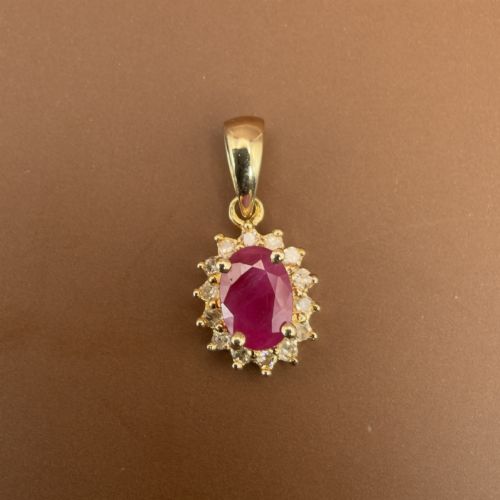


Gold Halo Necklace
A gold halo necklace brings together a central gem framed by smaller stones, offering a timeless circular focus.
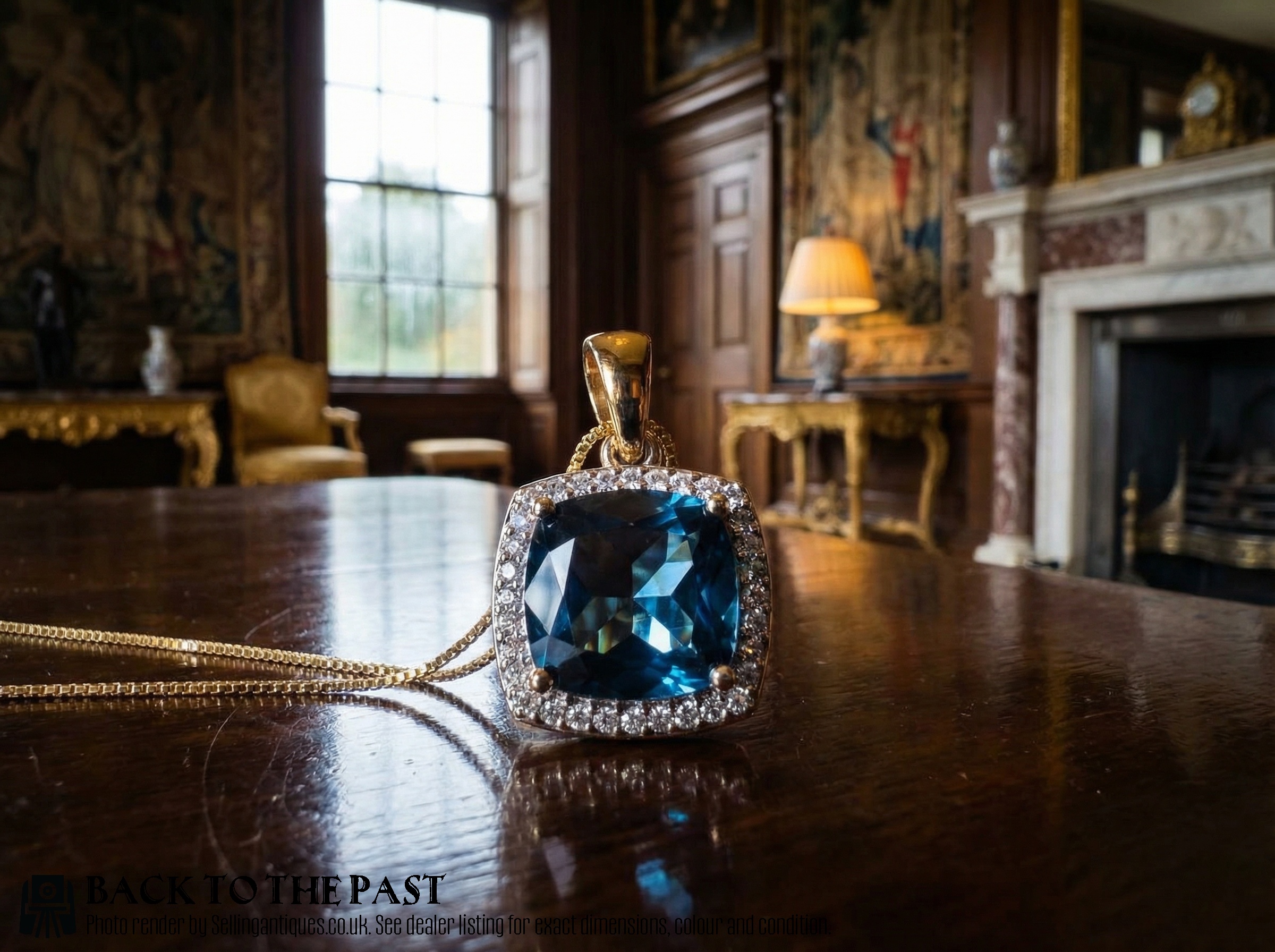
Gold Halo Necklace
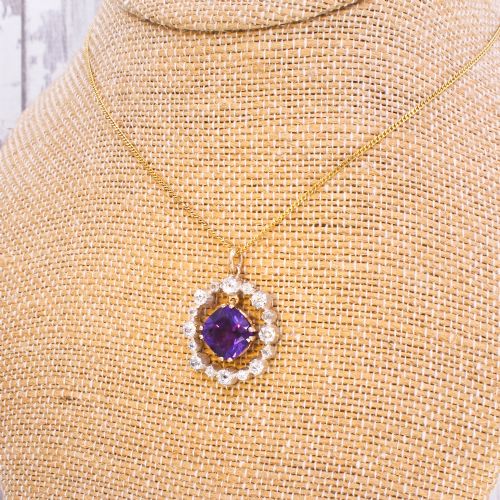
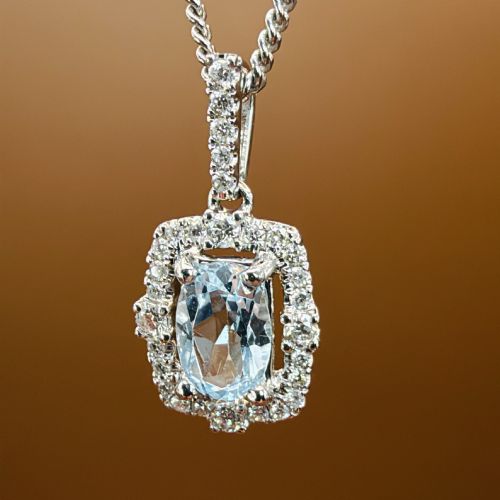
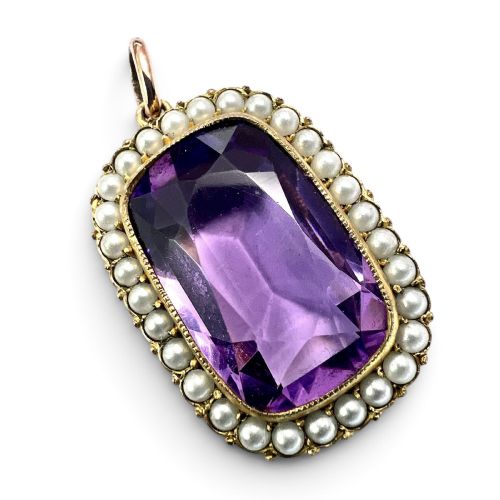
A gold halo necklace centres on a prominent gemstone, such as amethyst, aquamarine, emerald, ruby, sapphire, or opal, surrounded by a border of smaller stones. These pieces frequently appear in pendant and necklace forms, including traditional cluster designs.
The selection spans multiple eras, drawing heavily from Victorian designs alongside pieces from the 1900, 1910, 1940, 1950, and 1960 periods. Buyers will encounter both authentic antique iterations and vintage interpretations featuring traditional or art deco inspired styles.
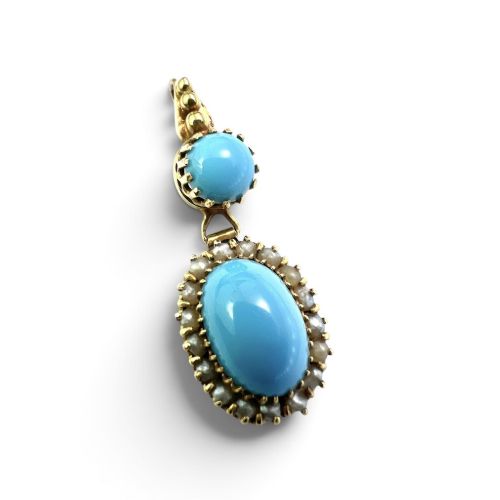
Originating styles range from early Victorian turquoise and pearl arrangements to mid-century French creations and contemporary classics. The central stones vary widely, incorporating diamonds, pearls, paste, turquoise, and various coloured gemstones.
Materials and construction methods
Construction relies upon various gold standards, including yellow gold, white gold, 9ct gold, 14ct gold, 15ct gold, and 18ct white gold. Metal choices often dictate the era, with silver frequently paired alongside gold in older pieces.
Gemstone selection dictates the visual weight, combining larger central amethysts, emeralds, rubies, or sapphires with old cut diamonds, rose cut diamonds, or pearls. Bead and claw settings secure the smaller framing stones tightly around the central motif.
Carved tourmaline and black onyx horse heads peek out from beneath diamond halos.
Assessing quality in design and execution
The distinction between tiers rests upon the choice and matching of central and framing stones, such as the clarity of old cut diamonds or the saturation of emeralds and rubies. Superior examples exhibit harmonious proportions between the central gem and its surrounding halo.
Metalwork refinement separates standard production from finer output, particularly in the precision of the setting work for small diamonds and pearls. The integrity of the gold work, whether 9ct, 14ct, 15ct, or 18ct white gold, underpins the structural longevity of the pendant.
Chaumet
The Gold Halo Necklace Glossary
- Halo
- A circular or geometric arrangement of smaller gemstones surrounding a larger central stone. This design maximises the visual impact and perceived size of the primary gem.
- Old cut
- A diamond cutting style prevalent in earlier periods featuring a smaller table, higher crown, and open culet. It produces a distinct candlelit sparkle compared to modern brilliant cuts.
- Rose cut
- A historic diamond cut featuring a flat base and a domed crown faceted with triangles. This style dates back centuries and offers a subtle, translucent shimmer.
- Paste
- Hand-cut lead glass used historically as a substitute for gemstones. High-quality antique paste exhibits exceptional brilliance and depth of colour.
- Cluster
- A jewellery configuration where multiple smaller stones are grouped tightly together around a central point. It forms the foundational geometry for most halo designs.
Gold Halo Necklace: Frequently Asked Questions
How do I date a gold halo necklace?
Dating relies on stylistic clues, metal types, and gemstone cuts, such as old cut diamonds or rose cut stones found in Victorian and early twentieth-century examples. Mid-century pieces often introduce specific white gold alloys and distinct cluster proportions.
Examining the setting techniques and fastening mechanisms provides further chronological context, linking pieces to the 1900, 1910, 1940, 1950, and 1960 periods.
What gemstones are common in these necklaces?
Amethyst, emerald, ruby, sapphire, aquamarine, turquoise, opal, and tourmaline frequently serve as the central stone in these configurations. Diamonds and pearls are standard for the surrounding halo.
Historical pieces often incorporate paste or turquoise alongside pearls, reflecting the specific decorative preferences of the Victorian and Edwardian eras.
How should I wear a pendant necklace?
Pendant necklaces function well as standalone statement pieces or layered with complementary fine jewellery chains. The scale of the halo determines its suitability for daily wear versus evening occasions.
Matching the gold tone of the chain to the pendant, whether yellow or white gold, maintains a cohesive appearance.