


Gold Chain Gemstone Pendant
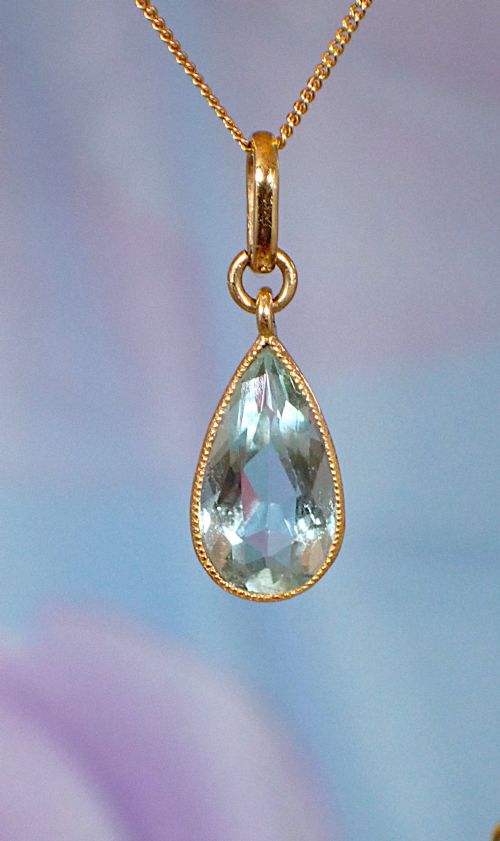
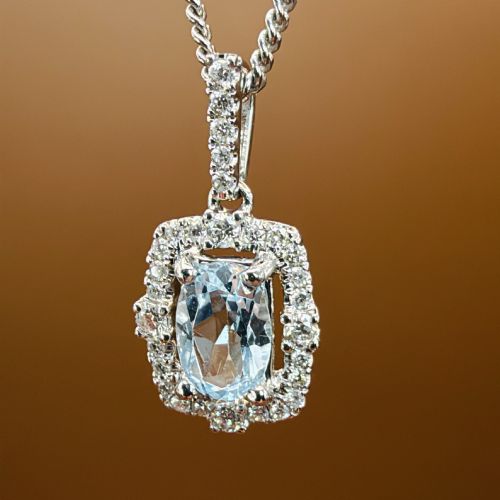
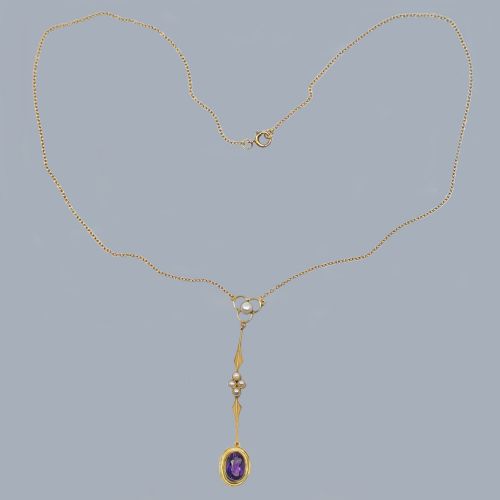
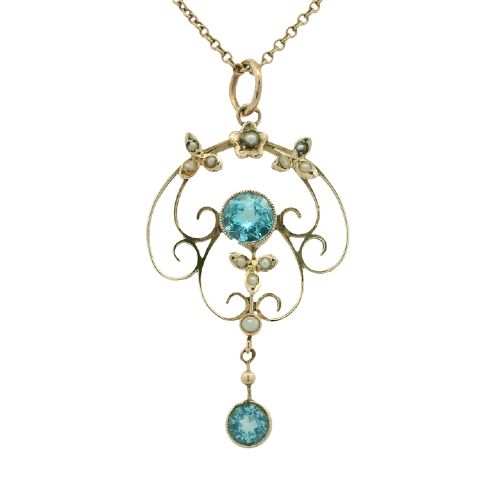
These gold chain gemstone pendant pieces combine precious metal settings with colourful stones, spanning periods from the Victorian era to the mid-twentieth century.
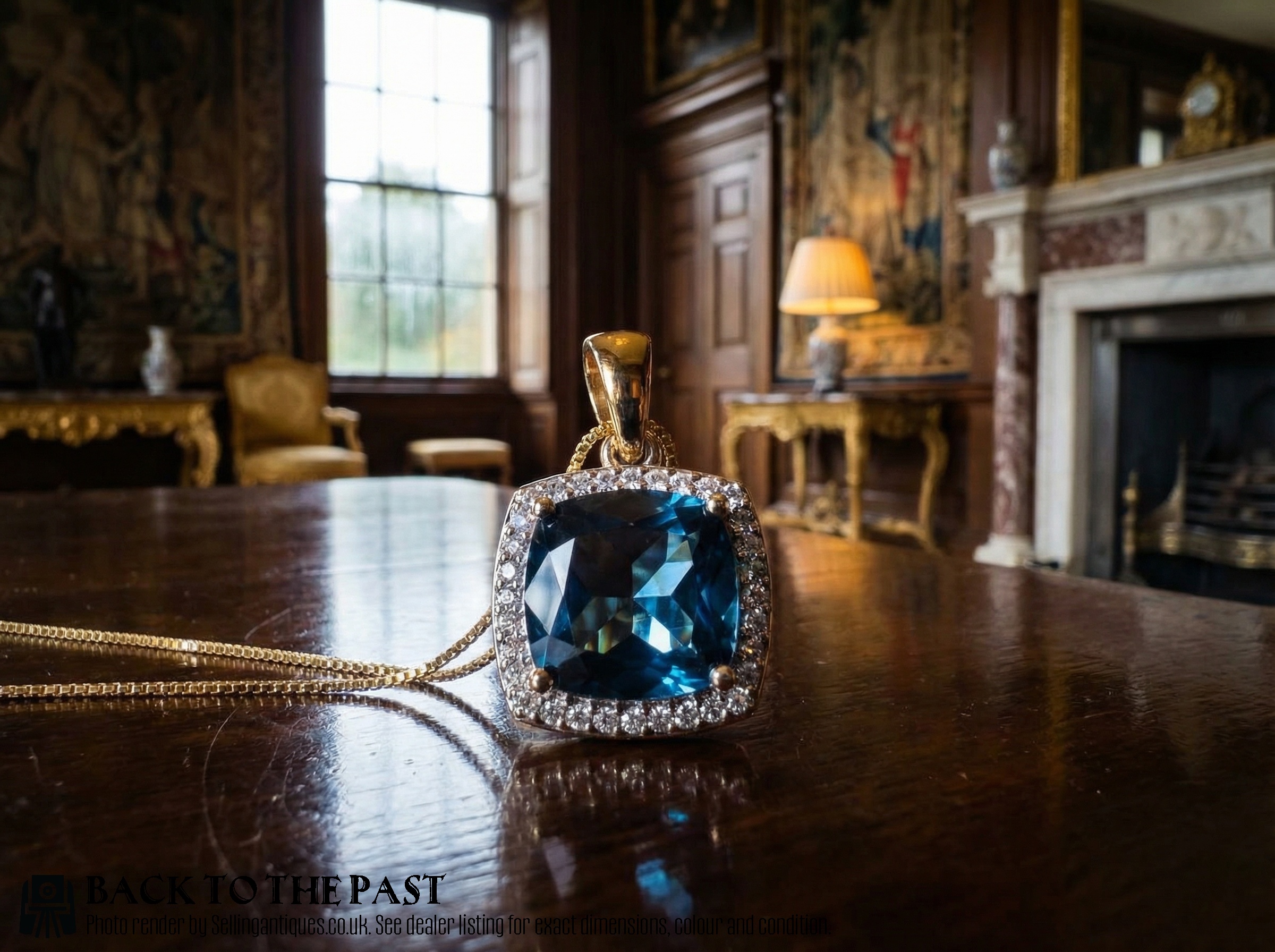
Gold Chain Gemstone Pendant
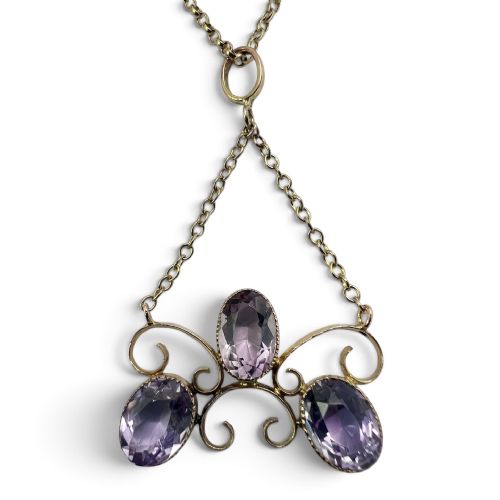
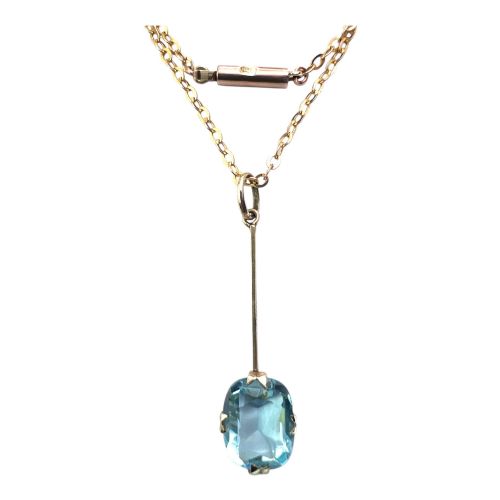
A gold chain gemstone pendant brings together a precious metal neck chain and a stone-set drop, forming a complete necklace assembly. The pieces appearing here range from Victorian and Edwardian examples to mid-twentieth-century designs from the 1940s, 1950s and 1960s.
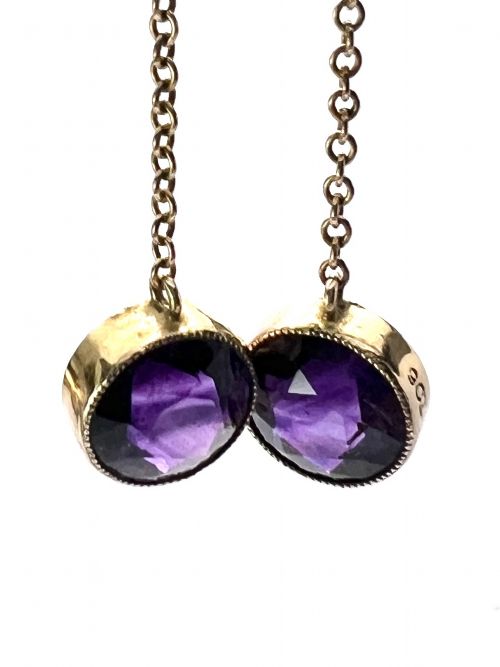
Makers utilised various gold purities, predominantly nine carat and eighteen carat yellow and white gold, alongside fifteen carat variants from the early twentieth century. The suspended stones vary from amethysts, aquamarines and opals to sapphires, rubies, diamonds, citrines and blue topaz.
Most items take the form of pendant necklaces, drop necklaces, lavalier pendants and cluster necklaces. These items trace stylistic shifts from delicate Edwardian seed pearl garlands and lavaliers to geometric Art Deco configurations and bold mid-century solitaire or cluster formats.
How they were made
Jewellers constructed these items using yellow and white gold alloys shaped into fine chains, delicate wirework, and solid bezels or claw settings. Metalworking techniques span traditional casting, hand-assembling, and detailed filigree work seen in vintage pieces from the 1950s.
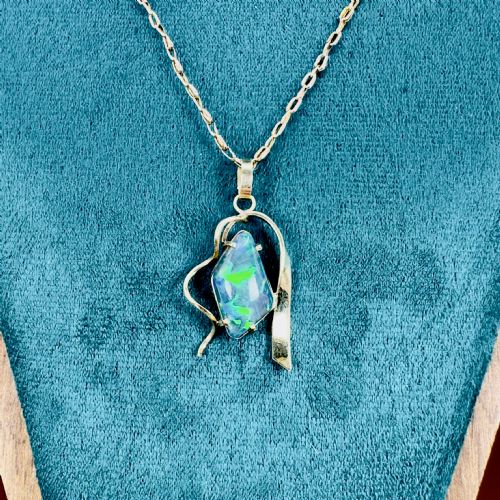
Gems were cut into oval, pear, round and cabochon profiles to suit amethysts, opals, aquamarines, and diamonds. Stones such as seed pearls and natural pearls were integrated using drilled pins or seed-sewing methods onto gold mounts.
Listings span the Victorian and Edwardian periods through to the 1940s, 1950s and 1960s, featuring nine carat and eighteen carat gold settings.
What varies in quality
Quality rests in the harmony of the metalwork and the selection of the stones. Heavier gold weights, intricate filigree details, and well-matched stone clusters separate substantial pieces from simpler daily wear.
The choice of gem material influences the character of each necklace, from clear aquamarines and amethysts to solid or doublet opals displaying varied play-of-colour. Clean gemstone cuts and secure claw or bezel settings indicate careful workshop execution.
Carl Bucherer
The Gold Chain Gemstone Pendant Glossary
- Pendant
- A decorative hanging ornament suspended from a chain around the neck.
- Lavalier
- A necklace featuring a central pendant drop, often incorporating dangling elements typical of the Edwardian period.
- Cluster
- An arrangement of multiple gemstones grouped closely together around a central stone.
- Cabochon
- A gemstone shaped and polished with a smooth, rounded domed surface rather than faceted edges.
- Filigree
- Delicate ornamental work consisting of fine intertwined gold wire threads.
Gold Chain Gemstone Pendant: Frequently Asked Questions
How do I date a gold chain gemstone pendant?
Dating relies on stylistic clues, such as the delicate garland motifs of Edwardian pieces or the heavier cluster settings of the 1950s. Hallmarks stamped on the gold components also provide specific manufacturing markers.
Examining the cut of the stones and the construction of the chain helps confirm whether a piece belongs to the Victorian era or mid-twentieth-century modern classic designs.
What stones appear in these vintage necklaces?
Common stones include purple amethysts, blue aquamarines, opals, citrines, sapphires, rubies and diamonds. Seed pearls also feature frequently in Edwardian designs.
Some items utilise paste stones or quartz varieties alongside precious gems to achieve vibrant colour combinations.
Are the chains original to the pendants?
Many listings preserve original chains matching the period gold purity of the pendant drop. In other instances, chains are paired from a similar era to complete the necklace.
Checking the gold carat stamp on both the chain and the pendant helps verify their historical pairing.
How should I care for antique gemstone necklaces?
Gentle cleaning with a soft cloth preserves the gold surfaces and prevents damage to softer organic stones like pearls or opals. Avoid harsh chemical dips, particularly for assembled doublets or porous gems.
Storing each necklace separately in a lined box prevents the gold chain from tangling and protects the mounted gemstones from impact.