



Gold Glazed Porcelain Bowl
A gold glazed porcelain bowl combines luminous metallic surfaces with delicate ceramic bodies, offering striking decorative impact for any tabletop.
Gold Glazed Porcelain Bowl
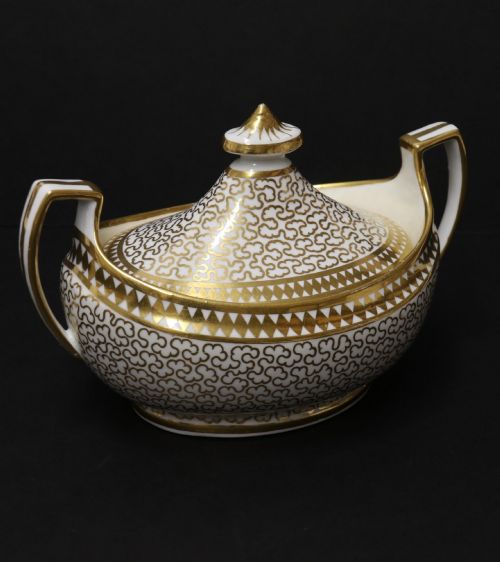
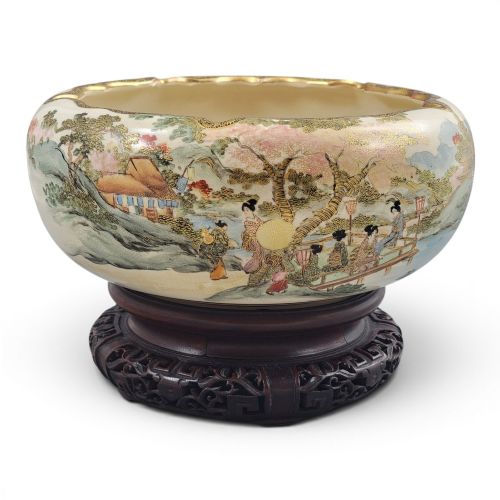
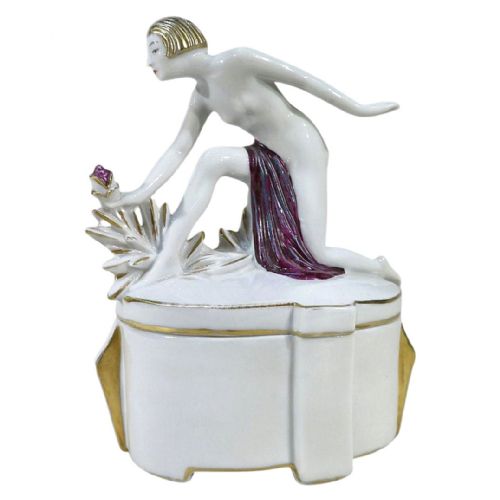
Buyers frequently encounter Japanese Satsuma pieces from the Meiji period alongside European porcelain from British and continental makers. These items range from intricately painted Satsuma earthenware and porcelain bowls to Art Deco powder boxes and Wedgwood lustre designs.
The forms serve predominantly ornamental purposes or function as small tabletop containers like trinket boxes and sugar bowls. Each era brings a distinct aesthetic, shifting from nineteenth-century cobalt and gilt designs to the geometric lines of Art Deco.
How they were made
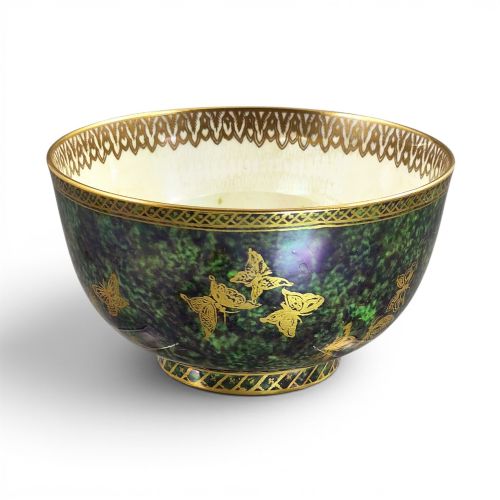
Makers utilised porcelain and earthenware as the primary ceramic bodies, shaping them into bowls and jars before applying glazes. Lustre glazes and enamel additions provided rich surface colour and depth.
Gold leaf, gilt work, and detailed hand painting brought metallic brilliance to the ceramics. Artisans in Kyoto studios and European potteries fired these materials to fuse the surface decoration with the underlying glaze.
Art Deco powder boxes from this selection once held perfumed face powder on French dressing tables during the jazz age.
What varies in quality
The precision and detail of the hand painting separate ordinary production from superior works, particularly in Satsuma wares and Wedgwood lustre designs. Signed pieces by master artists demonstrate a higher level of individual craftsmanship.
The application of gilt and gold leaf determines the richness of the finished surface. Finer examples display meticulous brushwork and well-preserved metallic lustre that remain intact across the contours of the ceramic body.
Chamberlains Worcester·Wedgwood·Shizan·Kinkozan·Shozan
The Gold Glazed Porcelain Bowl Glossary
- Satsuma
- A type of Japanese earthenware featuring a crackle glaze and elaborate overglaze enamel and gilt decoration. These pieces were produced extensively during the Meiji period.
- Lustre
- A ceramic glaze containing metallic elements that produce an iridescent sheen when fired. This technique creates a reflective, glowing surface on the porcelain.
- Sucrier
- A small covered bowl designed specifically for holding sugar. They frequently appear as part of nineteenth-century coffee and tea services.
- Gilt
- A thin layer of gold applied to the surface of the ceramic. It provides decorative accents that complement the underlying porcelain or glaze.
Gold Glazed Porcelain Bowl: Frequently Asked Questions
What is a gold glazed porcelain bowl used for?
These bowls serve primarily as decorative objects for display on tables, shelves, or cabinets. Smaller versions function as powder boxes, trinket boxes, or sugar bowls.
Their striking metallic finishes and painted designs make them focal points in a room rather than utility items for daily dining.
How do I identify a Meiji period Satsuma bowl?
Satsuma pieces from the Meiji period typically feature an ivory-coloured earthenware body covered in a fine network of crackle glaze. They are heavily decorated with enamel and gilt motifs.
Many examples carry artist signatures or studio marks on the base, indicating origin from workshops in Kyoto and other regions.
What distinguishes Wedgwood lustre ware?
Wedgwood lustre items, such as those designed by Daisy Makeig-Jones, utilise iridescent glazes that shift in colour under the light. They often feature fantastical motifs like dragons, butterflies, and lanterns.
The combination of vibrant enamel colours and gold detailing creates a distinctive luminous effect characteristic of Edwardian and early twentieth-century production.
How should I care for antique ceramic bowls with gilt?
Antique ceramics require gentle handling to preserve fragile enamel work and delicate gold leaf or gilt surfaces. Dusting with a soft, dry cloth is generally sufficient for routine maintenance.
Harsh cleaning agents and immersion in water should be avoided to protect the integrity of the glaze and metallic decoration.