


Gold Glass Display Cabinet
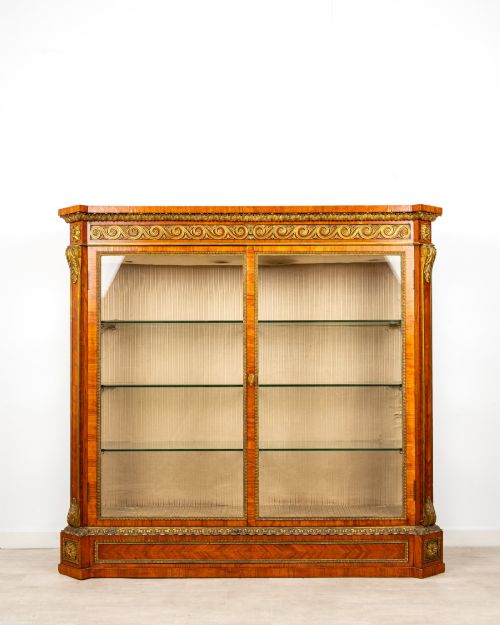
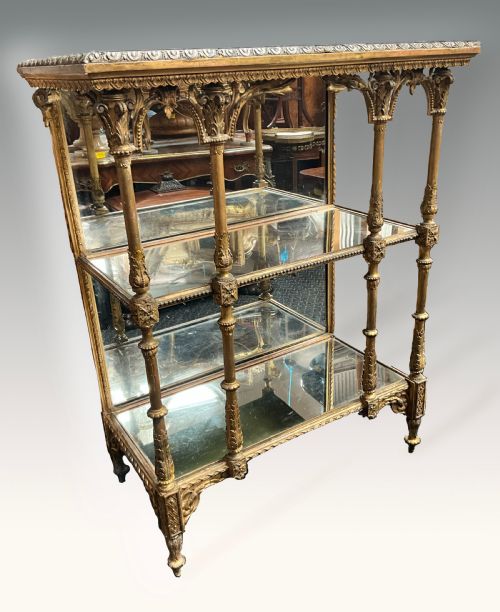
A gold glass display cabinet holds your collection behind transparent panels with the warmth of gilt framing.
Gold Glass Display Cabinet
A gold glass display cabinet encompasses freestanding vitrines, wall shelves, and shop counters designed to showcase objects while protecting them from dust. These pieces emerge predominantly from the nineteenth century, the Victorian era, and the early twentieth century.
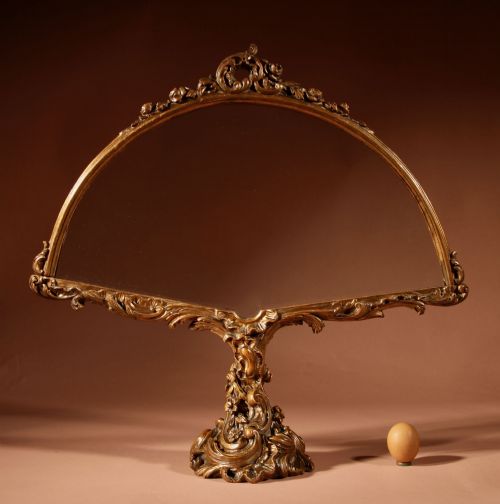
Buyers frequently encounter French Rococo revival designs alongside English walnut and mahogany credenzas. The selection includes tall cylindrical pedestals, serpentine fronted cabinets, and shop display counters fitted with glass and brass.
Originating from both domestic parlours and commercial premises, these cabinets span formal drawing room furniture to utilitarian sweet shop and haberdashery display cases. The common thread remains the integration of glass viewing areas with gilded or polished metallic and timber frames.
Materials and construction
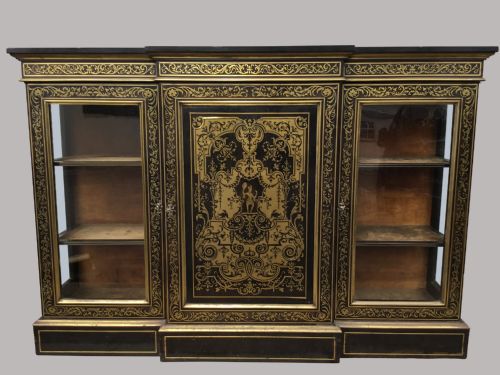
Craftsmen built these cabinets using timber frames of mahogany, walnut, kingwood, and ebony, frequently enhanced by intricate marquetry and brass or ormolu mounts. Glazed panels form the primary viewing surfaces, supported by structural woodwork and metal framing.
Surface decoration relies heavily on applied gilding, gold leaf, and gesso, alongside painted panels executed in the Vernis Martin style. Ormolu mounts and polished brass fittings add metallic brilliance to the timber carcasses.
Interiors often feature fabric linings such as velvet or other textiles to cushion displayed items and enhance the visual depth of the cabinet.
Some display cabinets spent their early days guarding haberdashery cottons or sweet shop chocolates before retiring to the drawing room.
Distinctions in craftsmanship
Quality reveals itself in the crispness of the giltwood carving and the precision of the ormolu mounts fitted to the timber. Superior pieces exhibit seamless integration between the glass panels, metal mounts, and polished woodwork.
The refinement of painted panels, particularly in the Vernis Martin style, separates standard production from exceptional artistry. Finer examples display meticulous marquetry inlay and well-balanced proportions across serpentine or breakfront forms.
H. J. Hatfield & Sons·Ermen & Roby·Rowntree’s·Siegel·Francoise Linke
The Gold Glass Display Cabinet Glossary
- Ormolu
- Gilded bronze mounts applied to furniture. This technique adds ornate metallic highlights to timber surfaces.
- Vitrine
- A glass display cabinet designed for precious objects. These glazed furniture pieces originated primarily in France.
- Vernis Martin
- A type of decorative furniture finish involving translucent varnishes over painted scenes. This technique mimics East Asian lacquer work.
- Boulle
- Marquetry formed of tortoiseshell and brass inlay developed in France. It creates a striking pattern across cabinet doors and panels.
- Serpentine
- A curved furniture front shaped in a wave line. This contour adds movement to side cabinets and credenzas.
Gold Glass Display Cabinet: Frequently Asked Questions
What is a gold glass display cabinet used for?
These cabinets serve to display porcelain, silverware, and collections while keeping dust away from delicate items. The glass panels and internal fabric linings allow light to illuminate the objects from multiple angles.
Historically, they occupied drawing rooms and parlours for showing off family treasures. Today, they perform the exact same function in modern interiors.
How do I date a gold glass display cabinet?
Dating relies on stylistic clues, timber choices, and construction methods. Pieces from the nineteenth century often feature heavy ormolu mounts and rich walnut or mahogany veneers.
Later pieces from the early twentieth century introduce simpler shop display formats and brass framing. Comparing the decorative motifs against known historical revivals helps narrow down the decade.
Are these cabinets difficult to maintain?
Maintenance involves gentle dusting of the glass and timber surfaces using appropriate cloths. Avoiding direct sunlight protects the interior fabric linings and polished wood finishes from fading.
Care must be taken with gilded areas and ormolu mounts to preserve the metallic finish. Regular checks on the door hinges and locks ensure smooth operation.
Where should I place a display cabinet?
Positioning benefits from rooms with stable temperatures and indirect natural light to protect the contents and the wood. Placing them away from direct heat sources prevents timber warping and veneer cracking.
They work well against feature walls where the glazed panels can catch ambient room light. Adequate clearance around doors is necessary for easy access to the interior.