



Gold Glass Bedside Lamps
Gold glass bedside lamps bring a warm metallic glow and rich period character to a bedroom.
Gold Glass Bedside Lamps
Gold glass bedside lamps encompass lighting fixtures styled with metallic finishes and glass components, spanning periods from the nineteenth century through the art deco era. You will frequently encounter table lamps and lamp tables utilising brass, ormolu, and gilt bronze paired with cut crystal or opaline glass.
How they were made
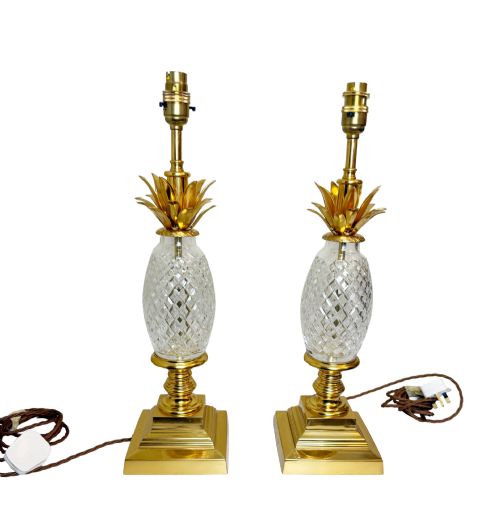
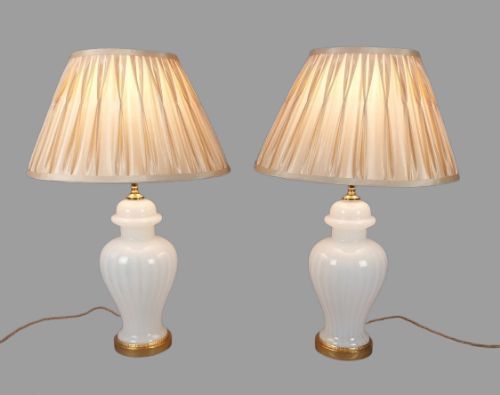
Maker construction relies heavily on cast brass, ormolu, and gilt bronze to form the structural mounts and heavy bases. Artisans combined these metals with cut crystal, cut glass, and opaline white glass to catch and refract light.
Fabric shades and marble plinths supplement the primary glass and metal components, particularly in twentieth century examples. Techniques range from classical metal casting to precision glass cutting.
Listings span from the nineteenth century to the 1930s, featuring brass, ormolu, cut crystal, and opaline glass.
What varies in quality
Quality rests upon the crispness of the metal casting, whether in ormolu, gilt bronze, or cast brass. Sharp detailing on Corinthian capitals or figural bronze elements separates superior examples from simpler production.
The clarity and weight of the glass or cut crystal components dictate the overall refinement of the piece. Substantial stone bases and integrated fabric elements further distinguish the finer pieces.
The Gold Glass Bedside Lamps Glossary
- Ormolu
- Gilt bronze ornamentation applied to furniture and lighting. This French technique involves mercury gilding onto a bronze base.
- Opaline glass
- An opaque or translucent pale glass popular in the nineteenth and early twentieth centuries. It diffuses light with a soft milky appearance.
- Gilt bronze
- Bronze metal treated with a thin layer of gold. It provides a durable metallic surface that resists tarnishing over decades.
- Corinthian column
- An architectural order featuring ornate capitals decorated with acanthus leaves. It appears frequently on nineteenth century lamp standards.
Gold Glass Bedside Lamps: Frequently Asked Questions
Are these lamps wired for modern use?
Most antique lamps are updated with modern wiring to meet current electrical standards while retaining their original aesthetic character. Buyers should inspect the flex and plug to confirm suitability for bedside placement.
Rewiring is straightforward for a qualified electrician if the existing components require replacement. This ensures safe daily operation on a bedside table.
How do I clean antique brass and glass?
Dust glass components gently with a soft microfibre cloth to prevent scratching the surface. Avoid harsh chemical cleaners that can strip patination from brass or gilt metal.
Use a dry brush for intricate metal crevices such as cast ormolu mounts. Preserving the natural age of the metal maintains the historical integrity of the piece.
Can I find matching pairs easily?
The current selection includes several matched pairs from the Victorian and art deco periods. These matching sets work particularly well on dual bedside tables.
Single lamps also appear frequently for asymmetrical room layouts. Checking the dimensions ensures two pieces balance correctly in your space.
What periods do these lamps date from?
The inventory spans the nineteenth century through the early twentieth century. Key eras represented include the Victorian period, Edwardian neoclassical designs, and art deco.
French ateliers produced many of the ornate gilt bronze and crystal examples. Art deco pieces frequently showcase streamlined brass and opaline glass.