
Gold Gilt Statue
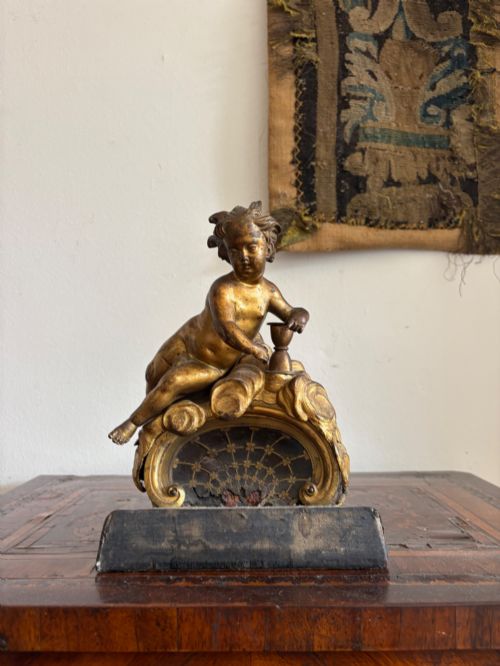
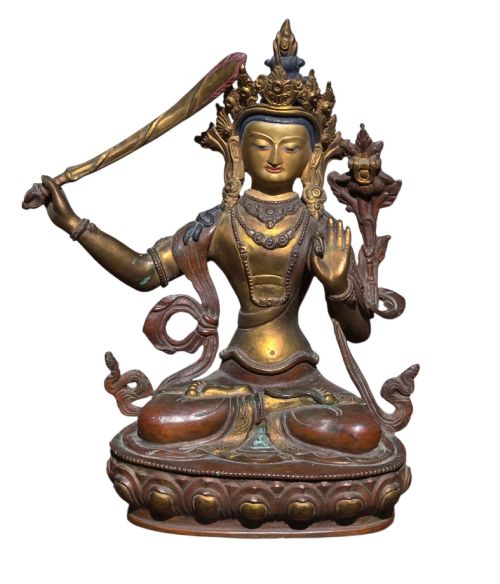
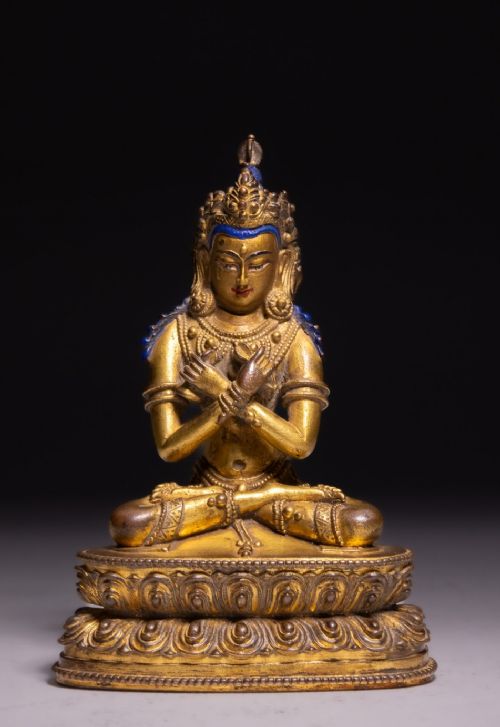
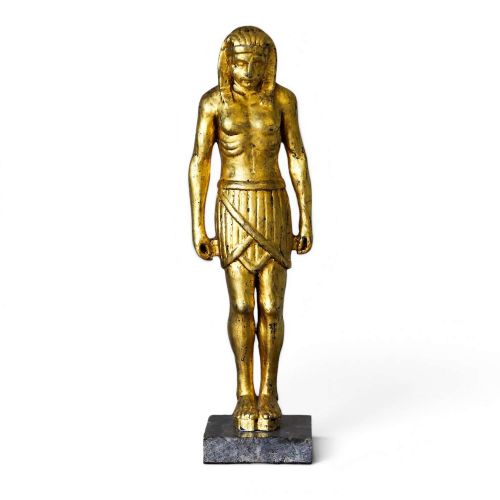
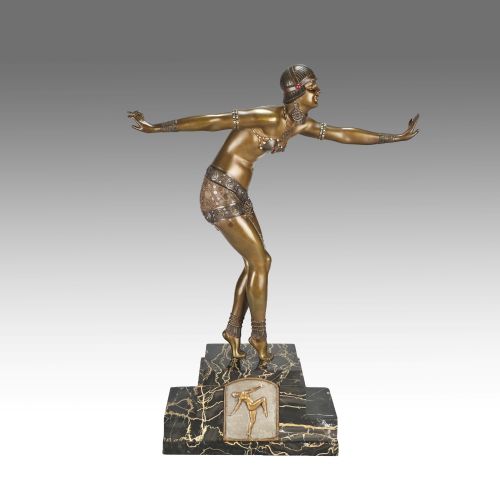
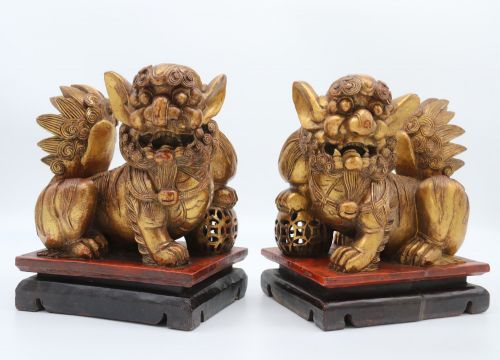
A gold gilt statue brings sculptural presence and luminous metallic warmth to a room, spanning classical deities, deities of the East, and Art Deco dancers.
Gold Gilt Statue
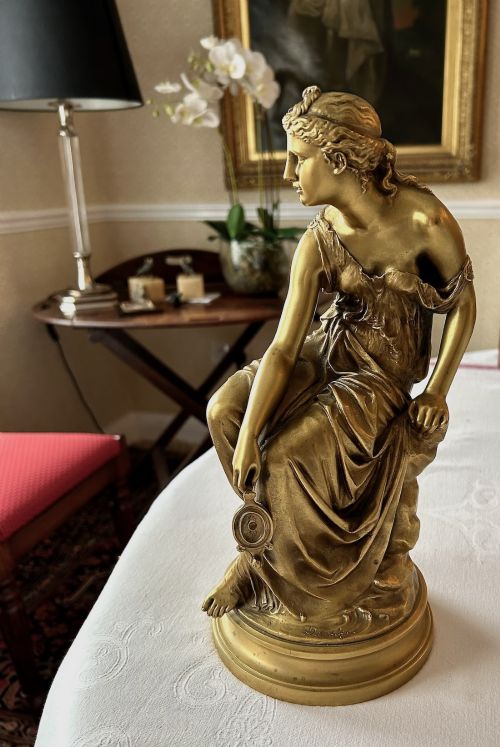
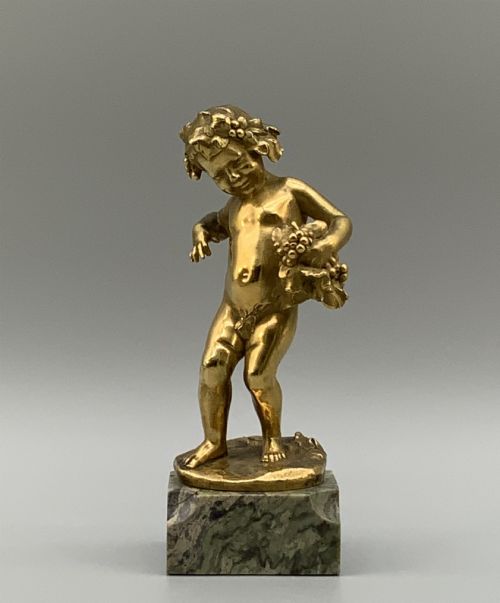
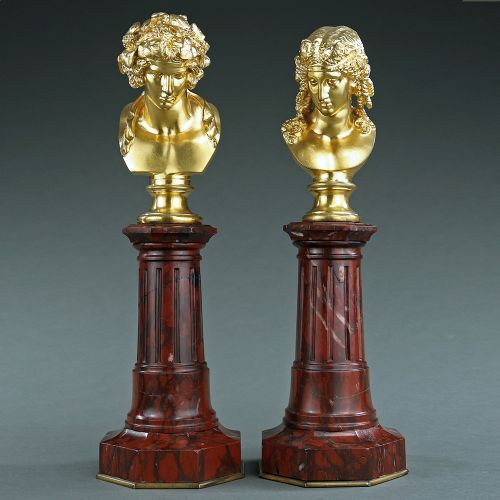
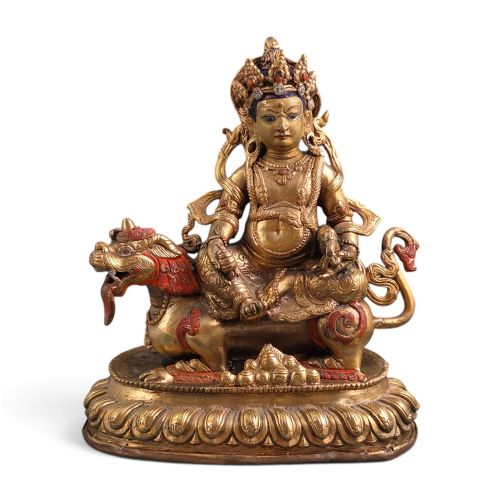
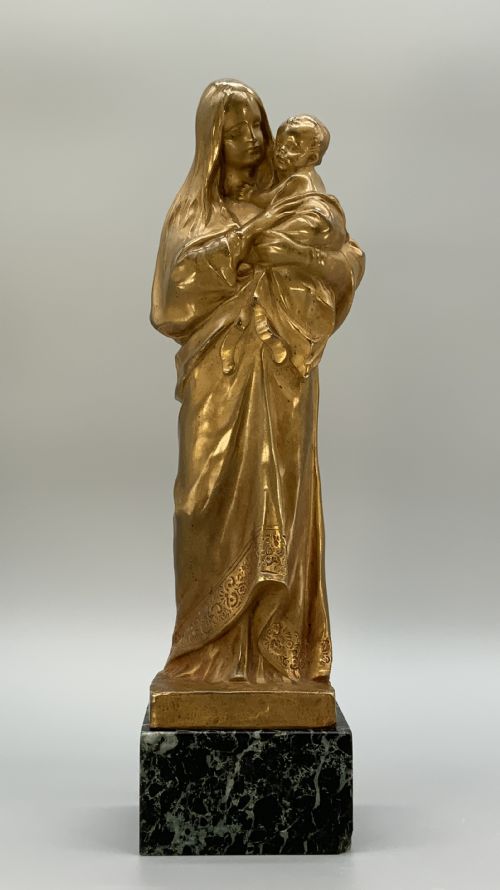
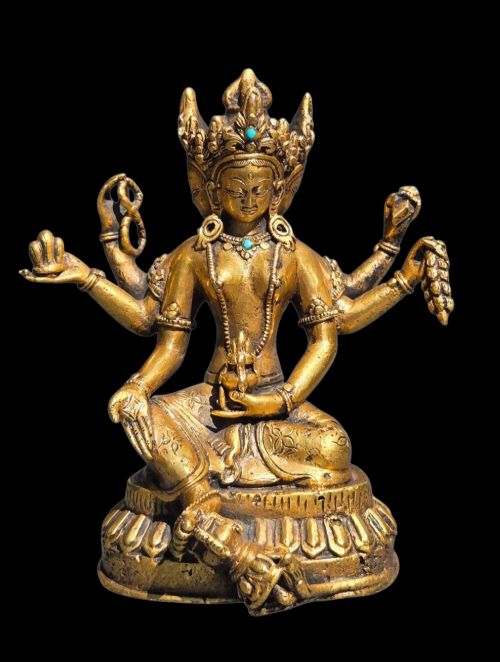
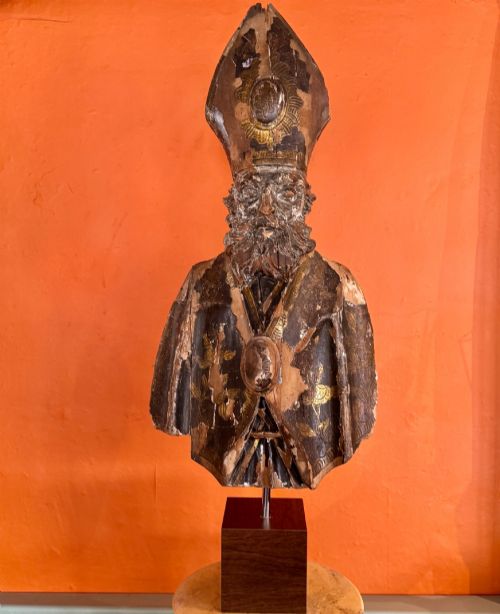
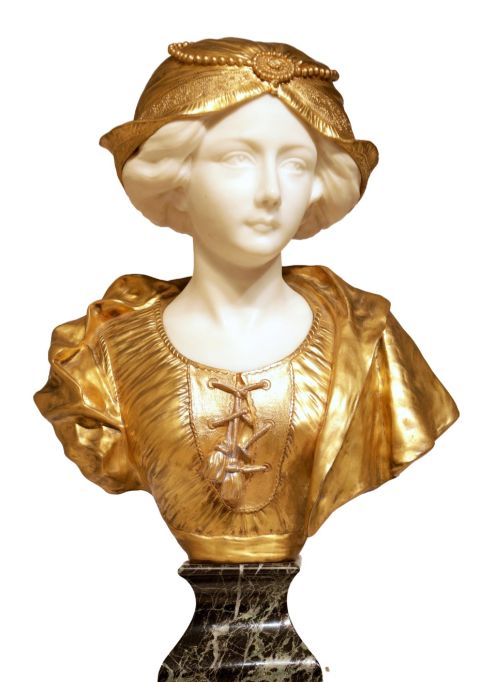
A gold gilt statue search brings together cast metal sculptures, carved wooden figures, and mixed-media ornaments finished with gold leaf, gilt bronze, or ormolu. These works range from French figures of classical maidens and mythological subjects to Sino-Tibetan Buddhist deities and Venetian ecclesiastical busts.
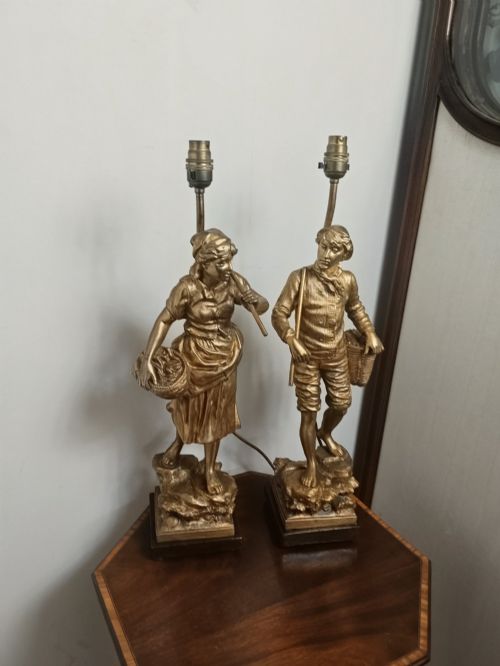
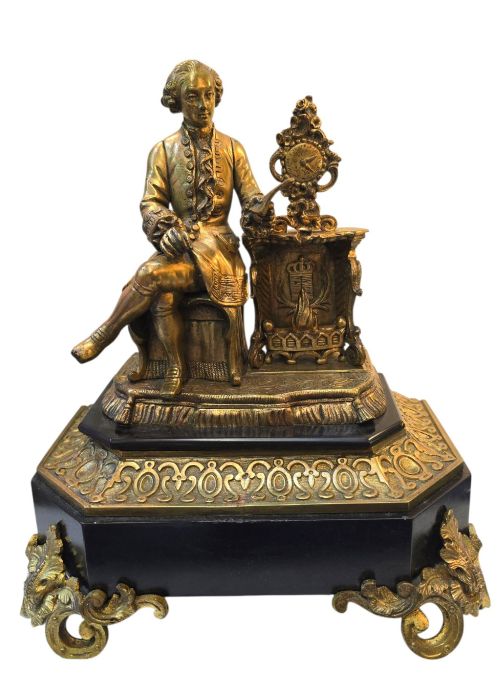
The selections on this page lean heavily toward nineteenth-century European foundry work and earlier Asian devotional art. Buyers encounter figures mounted on marble or granite bases, architectural finials, and table lamps adapted from sculptural forms.
The regional origins stretch from France and Austria to China, Tibet, and Japan, reflecting both Grand Tour souvenirs and traditional religious iconography.
Materials and construction
The foundational structures rely on cast bronze, carved wood, or marble, paired with surface applications of gold leaf, gilt bronze, or mercurial ormolu. Artisans chased the cast metal details by hand before applying gilding to highlight drapery, hair, and ornamentation.
Carved wooden examples utilise gesso layers beneath gold leaf or polychrome paint, while twentieth-century works incorporate chryselephantine combinations of bronze and ivory alongside cold-painted finishes.
One listed nineteenth-century French sculpture depicts a messenger to the gods balancing on air.
Defining qualities of craftsmanship
Earlier casts and carvings show greater attention to individual textures, such as hair, fabric folds, and animal plumage, whereas mass-produced decorative items often exhibit softened contours and uniform surface treatments.
Etienne-Henri Dumaige·Susse Frères·Hans Müller·Demetre Chiparus·Antoine Louis Barye
The Gold Gilt Statue Glossary
- Gilt bronze
- Metal cast in bronze and subsequently coated with a thin layer of gold or gold leaf. This technique provides the rich metallic lustre seen on many nineteenth-century French figures.
- Ormolu
- Finely ground high-carat gold amalgamated with mercury and applied to a bronze base through heat-gilding. The mercury evaporates during the process, leaving a durable, bright golden finish.
- Chryselephantine
- A term describing statues made from a combination of bronze and ivory. It is particularly characteristic of Art Deco figures produced in the early twentieth century.
- Shabti
- A small funerary figure placed in ancient Egyptian tombs to act as a servant for the deceased. Wooden and stone examples often feature gilt detailing.
- Sino-Tibetan
- A stylistic classification for art sharing Chinese and Tibetan cultural and religious influences. These works frequently depict Buddhist deities in cast gilt-bronze.
Gold Gilt Statue: Frequently Asked Questions
How do I clean a gilt bronze statue?
Dust the surface gently with a soft, dry brush to prevent accumulation in recessed areas. Avoid water, abrasive cloths, and chemical metal polishes, as these will strip the delicate gold layer.
Professional conservation is recommended for pieces showing heavy tarnish or flaking gilding. Preserving the original surface patina is essential for maintaining historical integrity.
What is the difference between ormolu and gilt bronze?
Ormolu specifically refers to mercury gilding applied to bronze, a process popularised in eighteenth and nineteenth-century France. The technique produces a distinctive, deep golden matte and burnished finish.
Gilt bronze is a broader term that includes mercury gilding alongside electroplated and gold-leaf applications found on later or non-European pieces.
How were Grand Tour statues used?
Grand Tour statues were purchased by travellers touring cultural capitals in Europe during the eighteenth and nineteenth centuries. They served as scholarly mementoes and decorative ornaments for domestic libraries and studies.
These reductions of classical sculptures and architectural elements demonstrated the owner's classical education and refined taste.
Can I date a statue by its base?
The materials and construction of the base often provide reliable clues to a piece's period. Nineteenth-century works frequently utilise turned slate, black marble, or olive wood mounts.
Later reproductions or altered pieces may feature modern felt pads, machine-cut screws, or base materials inconsistent with the age of the upper sculpture.