






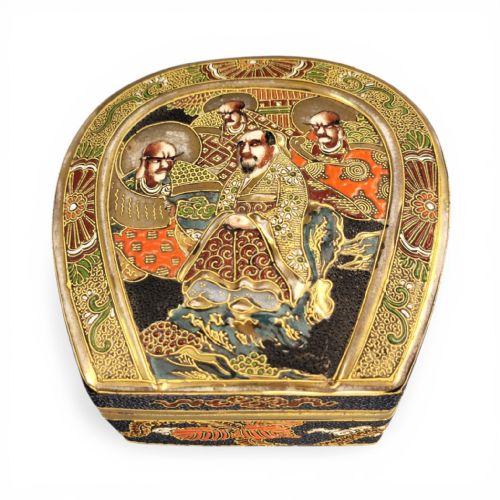


Gold Gilt Pottery
When you search for gold gilt pottery, you uncover a rich selection of ceramic vessels and decorative objects embellished with metallic highlights.
Gold Gilt Pottery
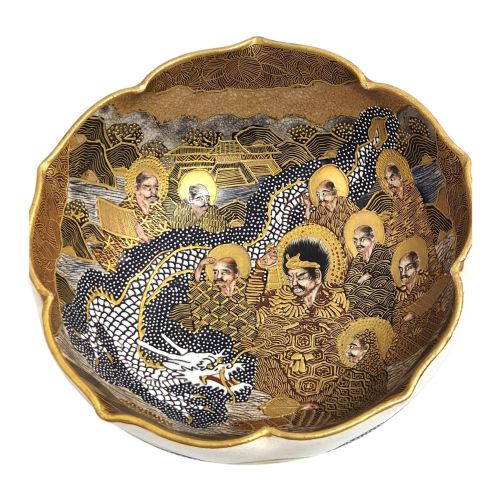
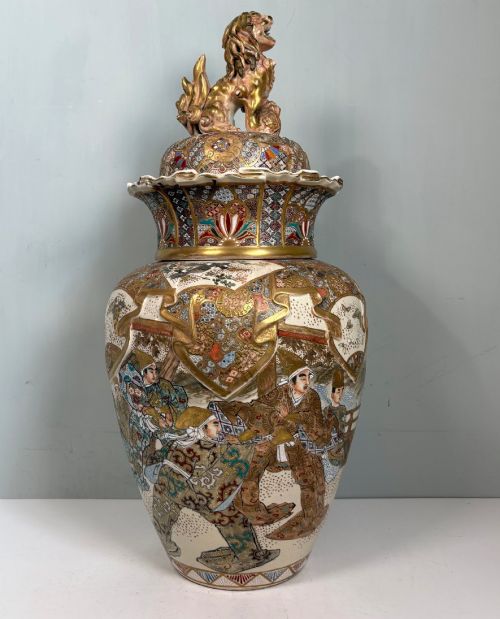
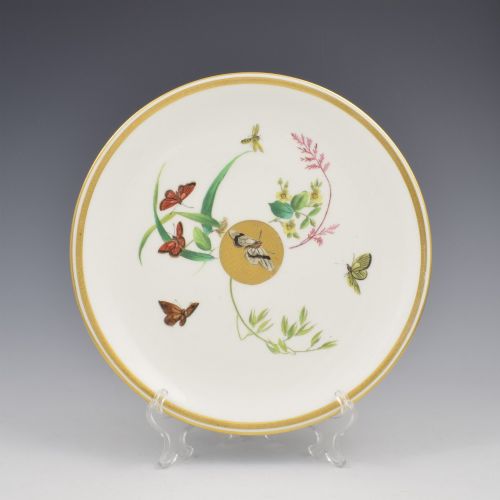
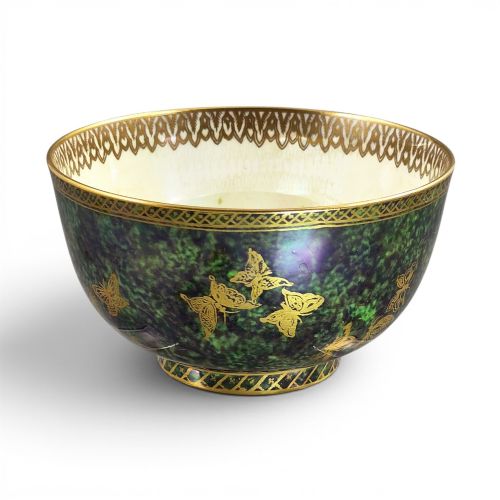
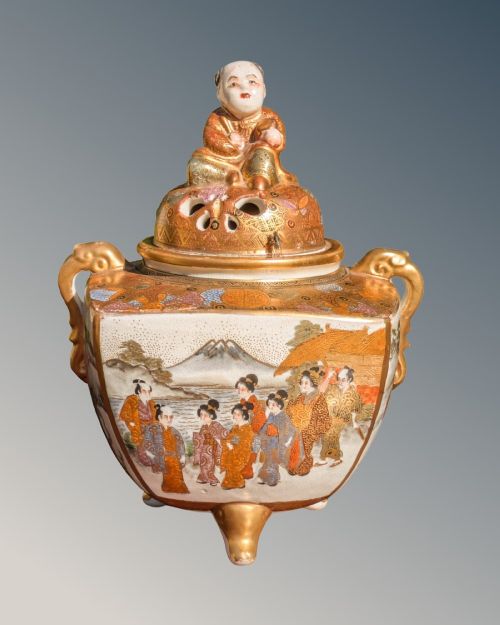
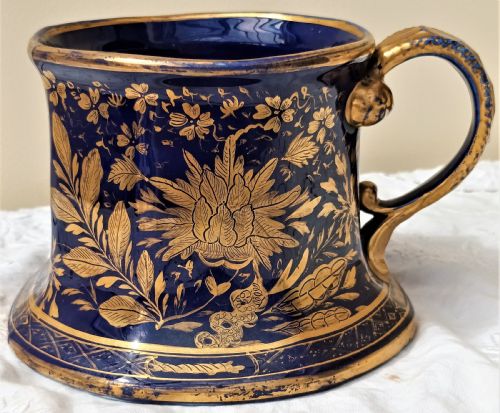
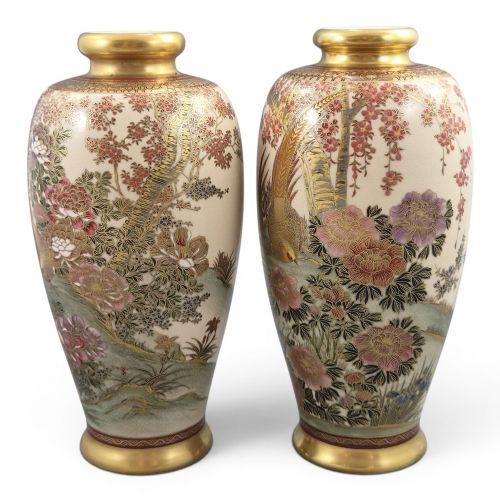
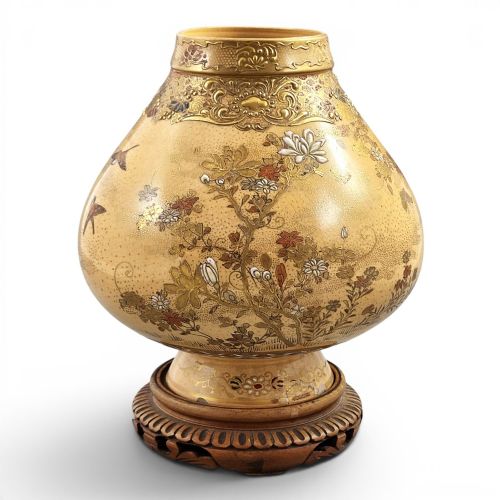
Gold gilt pottery encompasses items finished with metallic gold leaf, gilt, or fine gilding applied to ceramic bodies. These pieces range from substantial decorative vases and temple incense burners to delicate cabinet plates, bowls, and mugs.
The objects frequently trace back to the nineteenth century, including Victorian European works and Japanese Satsuma wares produced during the Meiji period. Buyers typically encounter earthenware and porcelain forms decorated with detailed pictorial scenes, floral motifs, or traditional figural processions.
Makers from both British potteries and Kyoto workshops utilised rich enamel colours alongside heavy gold accents to create striking visual depth. This grouping bridges international traditions, uniting Eastern ceramic artistry with Western decorative tastes from the late Victorian and Edwardian eras.
Materials and methods
The construction relies on stable ceramic bodies such as earthenware, ironstone, and porcelain, which provide the smooth foundation needed for fine decoration. Artisans applied cobalt blue, coloured enamels, and raised paste techniques to build complex surface textures before introducing metallic details.
Gilding was achieved using actual gold leaf or liquid gold paint, carefully hand-painted or burnished onto the fired ceramic surface. This metal layer catches the light, accentuating the borders of panels, floral reserves, and intricate figural compositions.
Gold Gilt Pottery Retail Price Guide 2026
Typical asking prices for gold gilt pottery among the pieces listed under this phrase on Sellingantiques today, from the lower quarter to the upper quarter. They describe what is for sale here now, not the wider market.
Listings feature nineteen-hundreds pieces alongside Victorian items, showcasing materials from earthenware and porcelain to gold leaf.
Assessing the work
Quality rests primarily in the precision of the hand-painted brushwork and the density of the gilding. Superior examples display crisp, controlled lines in the figural and floral panels, whereas lesser pieces show rushed or overly thick application.
The complexity of the raised moriage work and the depth of the enamel palette also distinguish ordinary production from exhibition pieces. Finer pots feature balanced compositions where the metallic highlights complement the underlying ceramic glaze rather than overpowering it.
Manpei·Kinkōzan·Toshozan·Chosei·Nanzan·Seiko en Chokei·Nikko·Kizan·Hakusan·Shizan·Minton·Mason·Wedgwood·Royal Doulton
The Gold Gilt Pottery Glossary
- Satsuma
- A type of Japanese earthenware originating from the Satsuma Domain, traditionally characterised by a ivory-crackled glaze and dense polychrome and gilt enamel decoration. These wares became highly sought after for export during the late nineteenth century.
- Moriage
- A ceramic decoration technique where slip is piped onto the surface in raised dots or lines to create a tactile, three-dimensional effect, often highlighted with gold. This method adds significant texture to floral and geometric borders.
- Koro
- A traditional Japanese incense burner typically featuring a pierced lid and three or more feet. They are frequently rendered in Satsuma ceramic and heavily decorated with gilt motifs.
- Ironstone
- A type of heavy, durable earthenware developed in the nineteenth century as an affordable and robust alternative to porcelain. It readily accepts enamel and gilt decoration.
- Gilding
- The decorative application of gold leaf, powder, or liquid gold to the surface of ceramic objects. It serves to frame painted scenes and highlight sculptural details.
Gold Gilt Pottery: Frequently Asked Questions
How do I care for gilt ceramics?
Gilt ceramics require gentle handling because the metallic surface can be worn away by abrasive cleaning or harsh detergents. Dust them softly with a dry cloth and avoid washing them in automated dishwashers.
Keeping them out of direct, prolonged sunlight also helps protect the stability of the underlying enamels and the brilliance of the gold leaf.
How do I date a piece?
Dating relies on examining the maker marks stamped or painted on the base, stylistic clues like Aesthetic Movement or Art Nouveau shapes, and the specific method of gilding. Japanese pieces often reference specific imperial periods or workshop signatures that narrow down the decade of production.
European works similarly carry factory ciphers or artist ciphers that correspond to active operational years in the nineteenth and early twentieth centuries.
Where were these pieces displayed?
In period homes, large vases and decorative bowls were typically showcased on mantelpieces, pedestals, or in specialised cabinet displays to catch the light. Smaller items like cabinet plates and miniature vessels were arranged on wall brackets or within enclosed vitrines.
Their rich gilding was specifically intended to gleam under gaslight or early electric lighting in Victorian and Edwardian reception rooms.