





Gold Gilt Porcelain Vessels
Gold gilt porcelain vessels bring together refined ceramic bodies and rich metallic surface decoration across centuries of studio and factory production.
Gold Gilt Porcelain Vessels
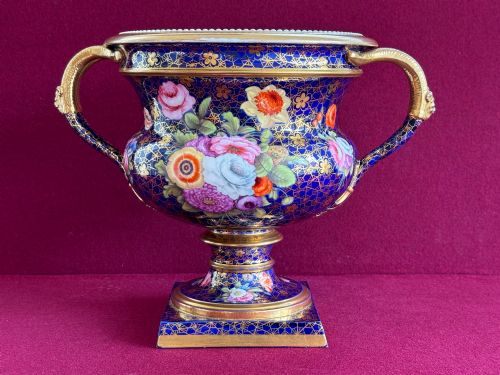
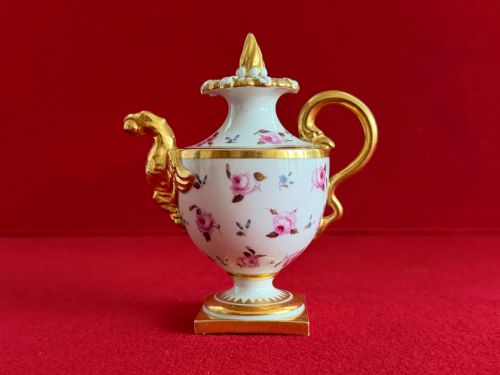
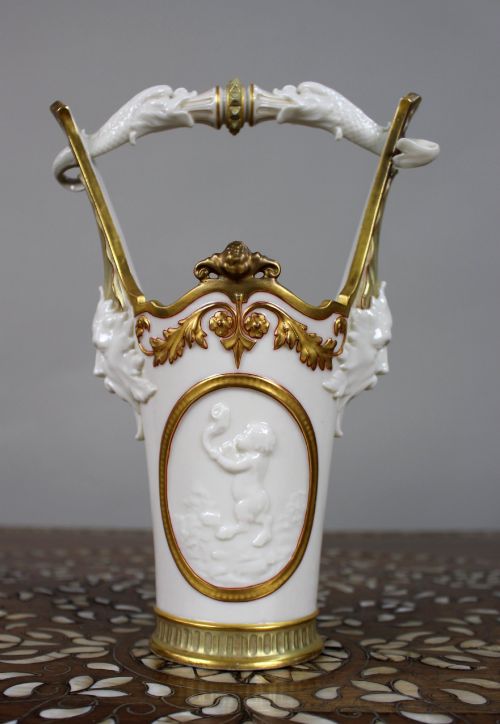
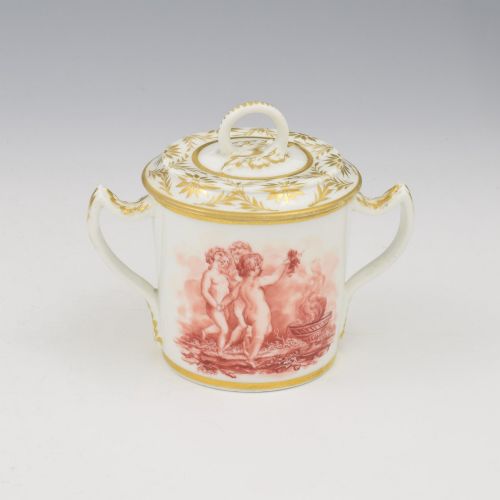
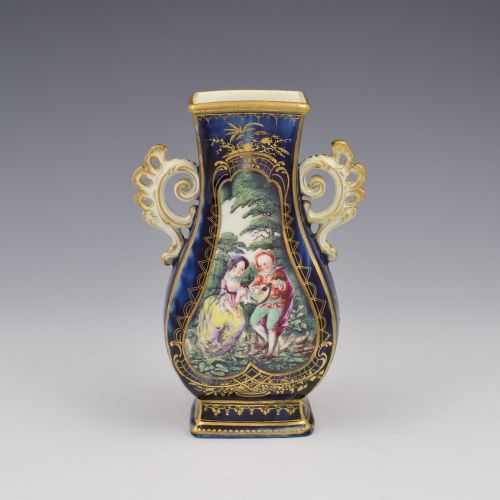
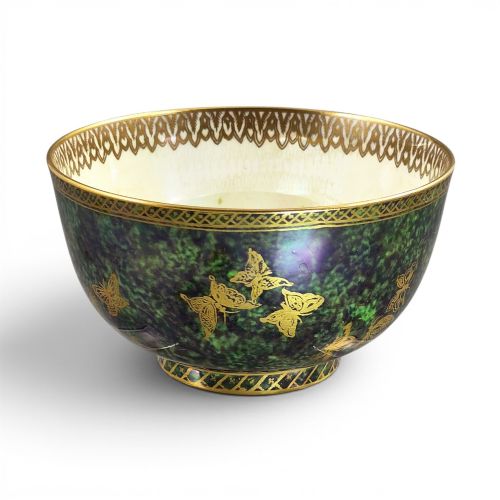
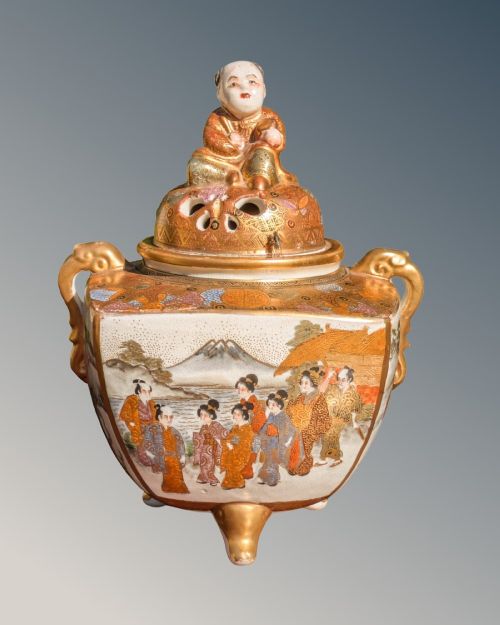
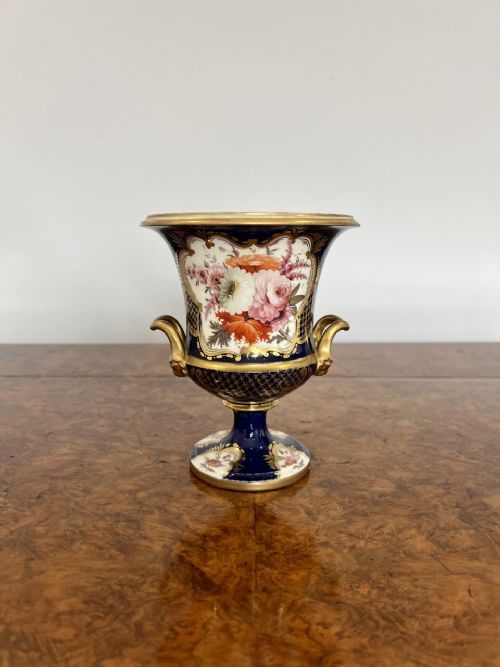
Gold gilt porcelain vessels comprise a diverse array of ceramic forms, including campagna urns, chocolate cups, incense burners, and decorative vases. These objects span periods from the eighteenth century through the Edwardian era, showing both European factory production and Japanese Meiji period ceramics.
English manufactories such as Spode, Royal Worcester, and Flight, Barr and Barr are frequently encountered alongside Japanese Satsuma wares and continental porcelain. The selection ranges from miniature cabinet pieces to large exhibition vases and lidded urns.
How they were made
The foundation of these pieces relies on porcelain, bone china, or earthenware bodies shaped into vessels and fired before receiving hand-painted enamel decoration. Artisans then applied gold leaf or liquid gilding to highlights, borders, and figural scenes, often firing the pieces a second time to fuse the metal to the glaze.
Makers utilised intricate hand-painting techniques, employing artists to render botanical studies, classical figures, and landscapes. Details such as raised paste gilding and intricate enamel work required steady hands and precise kiln control.
Gold Gilt Porcelain Vessels Retail Price Guide 2026
Typical asking prices for gold gilt porcelain vessels among the pieces listed under this phrase on Sellingantiques today, from the lower quarter to the upper quarter. They describe what is for sale here now, not the wider market.
Materials recorded across the inventory include bone china, earthenware, enamel, and gold leaf applied to forms ranging from miniature vases to large jardinieres.
What varies in quality
Quality separates standard factory output from pieces bearing the signature of recognised painters or distinguished studios. The crispness of the enamel work, the precision of the hand-painted scenes, and the depth of the gold leaf application determine the standing of an individual vessel.
The distinction also rests on the complexity of the form and the pedigree of the maker, with works from notable periods like the Regency or specific Meiji artists demonstrating superior execution in both ceramic throwing and surface adornment.
Spode·Flight Barr and Barr·Royal Worcester·Bloor Derby·Coalport·Royal Vienna·Minton·Wedgwood
The Gold Gilt Porcelain Vessels Glossary
- Campagna urn
- A bell-shaped classical vessel form with a flared rim, frequently produced by English porcelain factories in the nineteenth century. These pieces often feature twin handles and pedestal bases.
- Koro
- A traditional Japanese incense burner, typically supported on three feet and fitted with a pierced cover. Satsuma examples frequently incorporate intricate gold gilt figural processions.
- Bone china
- A type of soft-paste porcelain incorporating bone ash, developed in England to create a whiter, more translucent ceramic body. It provides a smooth surface ideal for detailed enamel and gilding.
- Imari
- A style of Japanese ceramic decoration characterised by underglaze blue, iron red, and abundant gold accents. This aesthetic influenced European factories during the nineteenth century.
- Raised paste
- A technique where a thick base is applied beneath the gold leaf to create a three-dimensional, tactile gilded relief on the porcelain surface.
Gold Gilt Porcelain Vessels: Frequently Asked Questions
What are gold gilt porcelain vessels?
These pieces are ceramic items finished with gold leaf or gilding, encompassing vases, urns, bowls, and cups produced in Europe and Japan.
They reflect the aesthetic priorities of periods ranging from the Georgian era to the early twentieth century.
How were these vessels used?
Many served as decorative garnitures, mantelpiece ornaments, or formal table ceramics in wealthy households.
Some specialised forms, such as chocolate cups and rose water sprinklers, fulfilled specific dining and domestic rituals.
How do I care for gilt porcelain?
Dust the surfaces gently with a soft dry cloth and avoid harsh cleaning agents that can wear away the delicate gold leaf.
Keep the vessels away from direct sunlight and moisture to preserve the enamel and metallic highlights.
How do I tell periods apart?
Stylistic indicators such as Regency neo-classical lines, Victorian floral motifs, and Meiji Japanese crests help assign a date.
Maker marks, factory stamps, and the specific composition of the ceramic body also provide chronological context.