
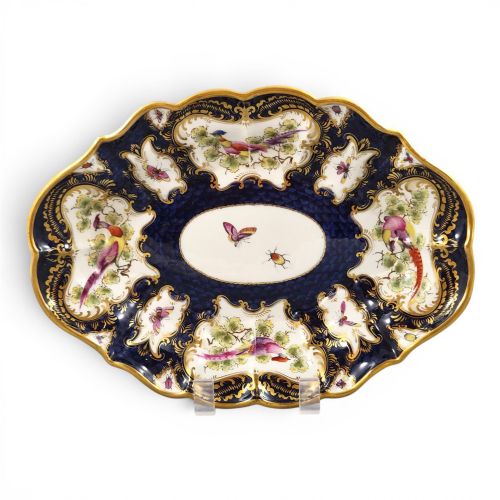
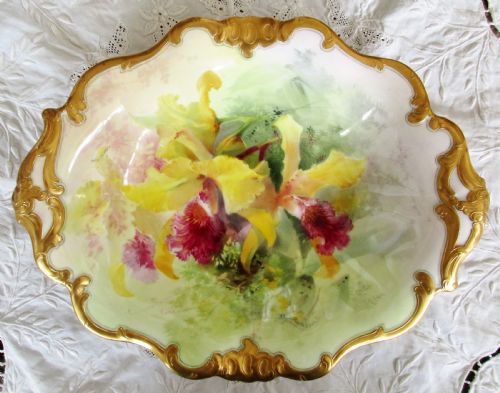


Gold Gilt Porcelain Platter
These gold gilt porcelain platter options are refined serving pieces and cabinet dishes, prized for their hand-painted detail and metallic enrichment.
Gold Gilt Porcelain Platter
A gold gilt porcelain platter sits at the intersection of utility and display, encompassing serving dishes, cabinet plates, and decorative chargers. When you examine a gold gilt porcelain platter on this page, you encounter pieces spanning the eighteenth century through the twentieth century.
The selection ranges from French Sevres and Limoges wares to English productions by Royal Worcester and Copeland, alongside continental Vienna and German KPM items. Most examples on this page date from the nineteenth century, manifesting in forms such as dessert dishes, centrepieces, and large wall chargers.
Makers utilised various stylistic impulses, moving from Neoclassical and Rococo Revival themes to Japanese Meiji period influences and Japonesque interpretations. Whether intended for formal dining tables or vertical wall display, these pieces demonstrate the enduring appeal of gilded ceramics.
Materials and production techniques
Makers shaped these items from hard-paste porcelain, soft-paste porcelain, or bone china, often throwing or moulding the clay before high-temperature firing. Artisans then applied underglaze colours, hand-painted polychrome scenes, or enamel details such as champleve work.
Gilding was executed using gold leaf or gold gilt, sometimes supplemented with gilt bronze mounts on elaborate French centrepieces. Subsequent lower-temperature firings fixed the metallic elements and enamel pigments to the glazed ceramic surface.
Bacchus and Ariane occasionally share porcelain space with mythological blacksmiths.
Evaluating craftsmanship and artistry
Quality in these objects rests upon the precision of the hand-painted decoration, whether depicting botanical studies, mythological narratives like Venus or Bacchus, or intricate blue scale patterns. Superior examples display exceptional brushwork and depth in figurative or floral subjects.
The application and preservation of the gold leaf or gilding distinguish finer pieces, alongside the quality of auxiliary materials such as bronze mounts and enamel work. The reputation of the factory, from Vienna to Sevres or Royal Worcester, also influences the standing of the piece.
Royal Worcester·Royal Doulton·Sevres·Vienna·KPM·Limoges
The Gold Gilt Porcelain Platter Glossary
- Cabinet plate
- A decorative ceramic dish intended primarily for display in a cabinet or on a wall rather than for functional dining use.
- Gilding
- The application of gold leaf, gold powder, or gold gilt to the surface of porcelain to create decorative metallic accents.
- Champleve
- An enamelling technique where recessed areas are carved into metal and filled with vitreous enamel before firing.
- Hard-paste porcelain
- A durable ceramic composition made from kaolin and petuntse, fired at very high temperatures.
- Charger
- A large decorative plate or platter used traditionally as a base setting or displayed prominently on a wall or sideboard.
Gold Gilt Porcelain Platter: Frequently Asked Questions
What is a gold gilt porcelain platter used for?
These pieces functioned historically as serving dishes, dessert plates, or decorative centrepieces for elite dining tables. Many examples were also designed specifically as cabinet dishes or wall chargers to display artistic painted scenes.
Today, collectors utilise them primarily for display in cabinets, on sideboards, or mounted on walls. They remain statement decorative objects that showcase period craftsmanship.
How do I identify the period of a piece?
Dating relies on factory backstamps, signature styles, and the specific composition of the porcelain or enamel. Nineteenth-century pieces frequently exhibit Neoclassical or Rococo Revival motifs, while Edwardian examples often feature botanical or fruit painting.
Comparing the painting technique and the style of the gilding against known factory timelines helps narrow the date. Eighteenth-century items typically show softer pastes and hand-mixed enamels distinct from later industrial outputs.
What does Japonesque mean on these items?
Japonesque refers to the nineteenth-century European fascination with Japanese art and design aesthetics. Makers incorporated asymmetric compositions, nature motifs, and stylistic elements inspired by the Meiji period.
This trend demonstrated European potteries experimenting with non-Western visual traditions while retaining their own ceramic bodies and gilding techniques.