

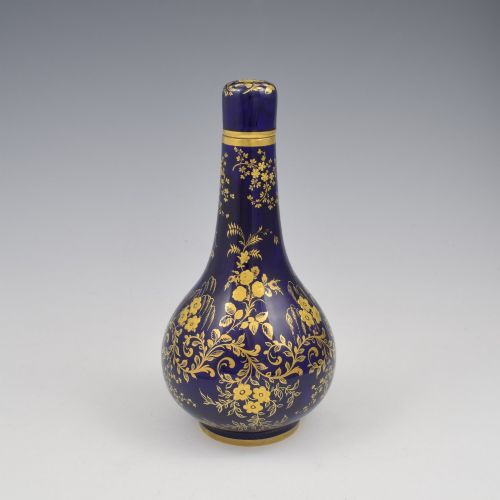
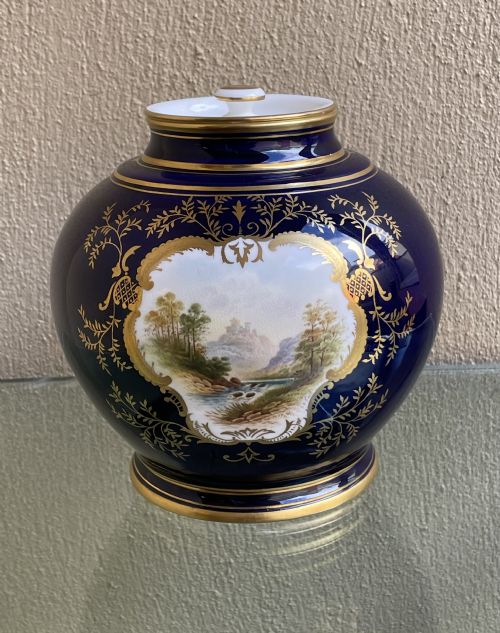


Gold Gilt Porcelain Jar
These gold gilt porcelain jar items are decorative vessels ornamented with metallic leaf and glaze, prized for bringing rich colour to a room.
Gold Gilt Porcelain Jar
When searching for a gold gilt porcelain jar, collectors encounter a diverse selection of decorative ceramics, urns, and pot pourri vases spanning several centuries. The pieces available range from English factory productions to Japanese Satsuma and Imari wares, alongside Chinese export items.
The most common forms on this page include Royal Worcester fruit-painted vessels and lidded urns, often styled with traditional floral or scenic motifs. Buyers also find nineteenth-century bottle vases, classical Vienna porcelain, and larger decorative jars mounted in ormolu.
Origins vary widely across the inventory, touching upon the Meiji and Edo periods in Japan alongside Victorian, Edwardian, and mid-twentieth-century European eras. This variety allows collectors to focus on specific regional aesthetics, such as Chinoiserie designs or Neoclassical shapes.
Materials and construction
The foundation of these items rests upon fired ceramic bodies, utilising porcelain and earthenware shaped into vases, bowls, and lidded jars. Glazes provide a smooth surface finish before artists apply enamel colours and metallic ornamentation.
Decoration relies heavily on gold leaf, gilt, and manual gilding techniques to highlight rims, handles, and painted panels. Ormolu mounts appear on select pieces, adding cast bronze framing to secure and elevate the ceramic body.
Gold Gilt Porcelain Jar Retail Price Guide 2026
Typical asking prices for gold gilt porcelain jar among the pieces listed under this phrase on Sellingantiques today, from the lower quarter to the upper quarter. They describe what is for sale here now, not the wider market.
Several pot pourri jars conceal their fragrant contents beneath meticulously painted fruit lids that look ready for the dining table.
Assessing craftsmanship and finish
Quality in these pieces rests upon the precision of the hand-painting and the crispness of the gilt work. Finely detailed botanical or figurative scenes executed by recognised studio artists elevate a ceramic vessel well above standard factory output.
The application of the metallic leaf and the integration of any ormolu mounts dictate the refinement of the finished object. Heavier, more secure mounts and resilient glaze layers distinguish superior studio pieces from simpler decorative wares.
Royal Worcester·Coalport·Carlton Ware·Vienna
The Gold Gilt Porcelain Jar Glossary
- Gilt
- A thin layer of gold applied to the surface of porcelain or metal. This finish provides the characteristic metallic sheen seen across the decoration.
- Pot pourri vase
- A vessel designed with a pierced lid to release the fragrance of dried flowers and herbs placed inside. These often feature elaborate painting and gilding.
- Ormolu
- Cast bronze that has been finished with a gold-coloured metallic coating. It appears as decorative mounts framing ceramic bodies.
- Imari
- A style of Japanese export ceramic featuring a distinctive palette of underglaze blue, iron red, and added gilding. The aesthetic influenced various European factories.
- Chinoiserie
- European artistic style reflecting Chinese motifs and imaginary oriental scenes. It appears frequently on eighteenth and nineteenth-century porcelain.
Gold Gilt Porcelain Jar: Frequently Asked Questions
How do I display a lidded jar?
These decorative vessels suit prominent placement on mantelpieces, sideboards, or dedicated display cabinets where their painted details catch the light.
Ensure they rest on stable, flat surfaces away from heavy household traffic to protect delicate handles, lids, and protruding ormolu mounts.
What period do most pieces date from?
The selection spans from the late nineteenth century through the Edwardian era and into the mid-twentieth century, with select items reaching back to earlier Japanese periods.
Nineteenth-century examples often feature classical or Chinoiserie styling, while mid-century pieces frequently showcase detailed hand-painted fruit compositions.
How should I clean my porcelain?
Dust the surface gently with a soft, dry microfibre cloth to remove accumulated particles without disturbing delicate enamel or gilt lines.
Avoid using liquid cleaners, abrasive pads, or chemical solvents, as these can wear away the hand-applied gold leaf and surface glazes.
Are these vessels intended for practical use?
Most of these items serve primarily as decorative art objects, pot pourri containers, or table lamps rather than functional tableware.
Using them to hold water for fresh flowers is generally discouraged, as nineteenth-century or vintage glazes and interior seams may not remain watertight.