



Gold Gilt Porcelain Bowl
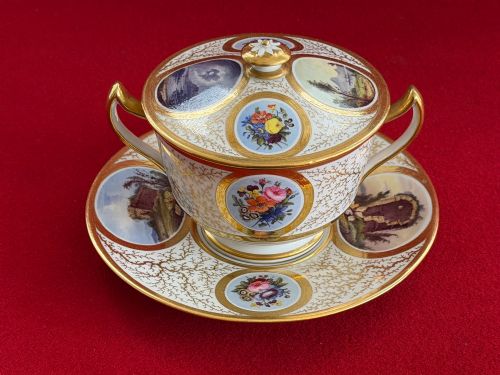
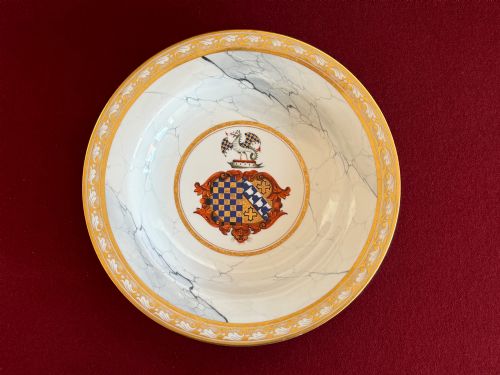
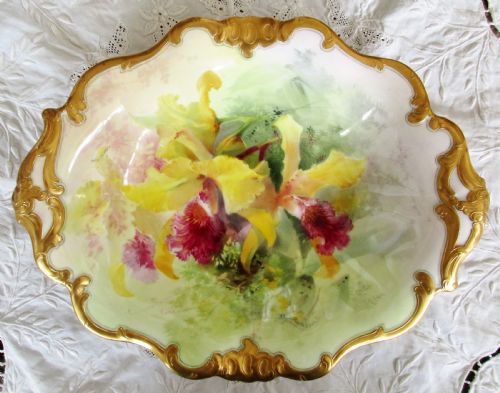
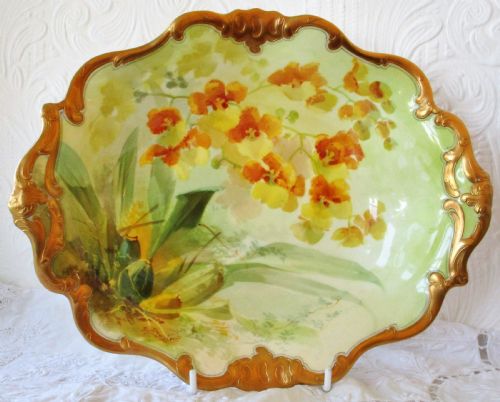
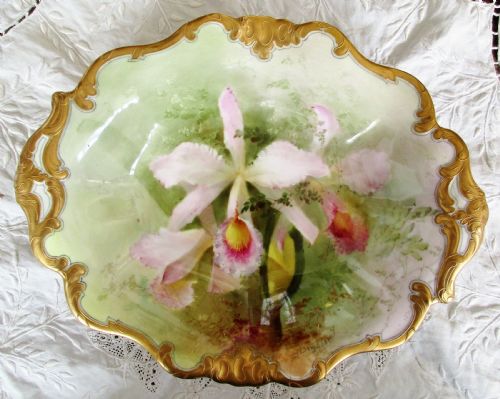
A gold gilt porcelain bowl brings hand-painted colour and gleaming metallic surface to a table or cabinet, caught between fine utility and display.
Gold Gilt Porcelain Bowl
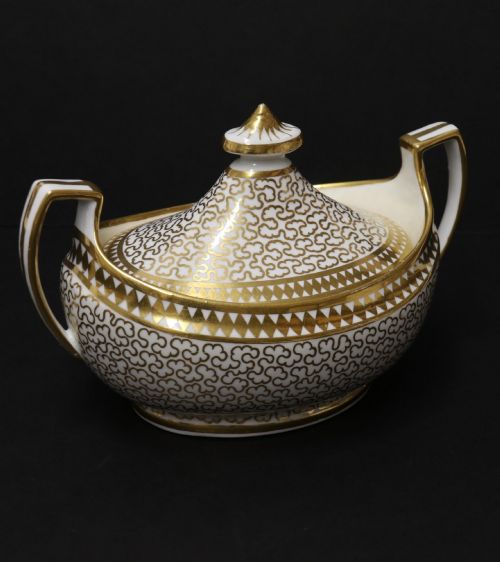
When you search for a gold gilt porcelain bowl, you are looking at items designed for the table, the cabinet, or the drawing room, spanning decorative bowls, sugar bowls, and cabinet dishes. These objects cross the nineteenth century and the early decades of the twentieth, moving from Georgian and Victorian formality into Edwardian design.
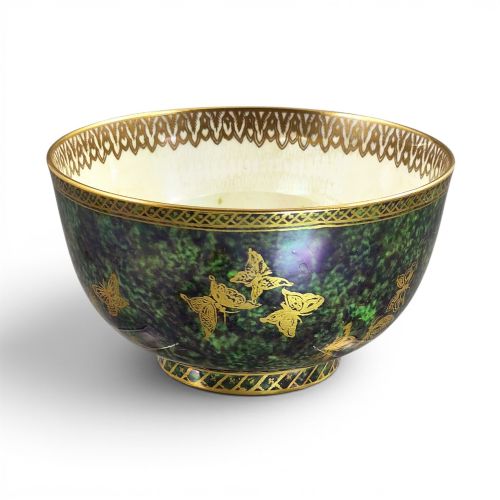
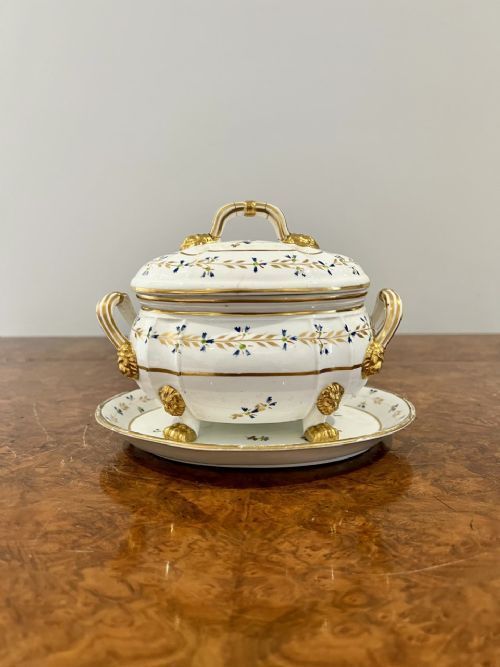
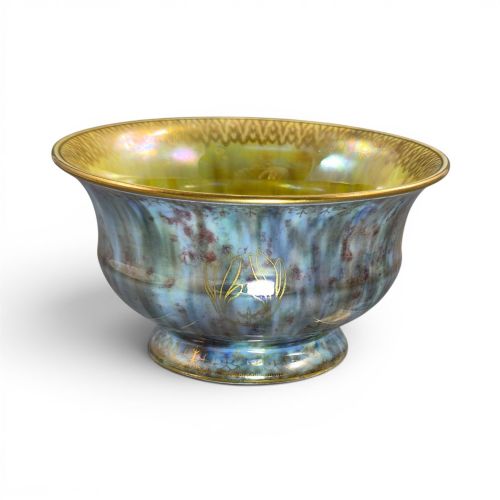
The versions you are most likely to meet on this page include English porcelain from factories such as Royal Worcester, Derby, and Wedgwood, alongside continental pieces and Japanese Satsuma ware. Forms range from simple painted fruit bowls and handled sugar basins to deep lustre bowls carrying intricate dragon and butterfly patterns.
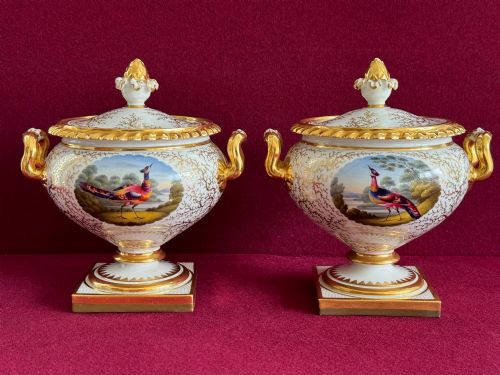
Makers utilised porcelain, bone china, and earthenware as the foundational body for these vessels, applying enamel colours and gold leaf by hand. Many pieces display specific landscape, floral, or bird painting, recording the skilled hand of named ceramic artists from British and European potteries.
How they were made
Potters formed these vessels from porcelain, bone china, or earthenware, shaping them on the wheel or pressing them into moulds to create everything from simple cabinet dishes to deep punch bowls and handled tureens. Once shaped and fired to a hard biscuit state, the pieces received underglaze or overglaze painting in enamel colours.
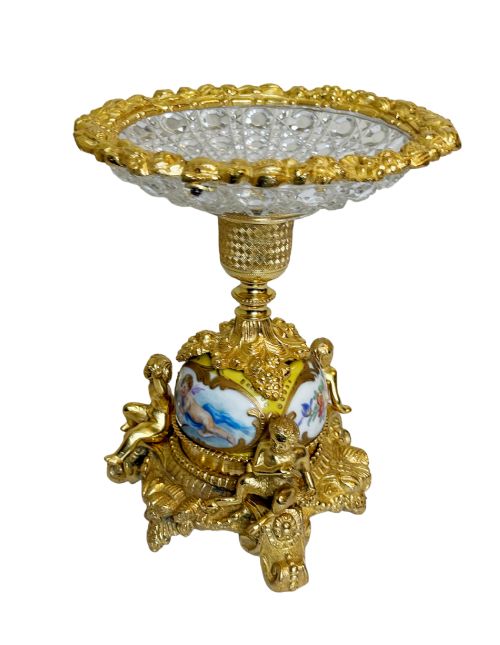
Gold leaf, gilding, and gilt bronze mounts were applied by hand, often fixed through a secondary firing to bond the metal to the glazed surface. Japanese Satsuma pieces utilised earthenware bodies finished with fine crackle glazes, over which artisans layered intricate enamel designs and gold leaf.
Advanced techniques included lustre glazes, where metallic oxides produced iridescent surfaces that caught the light, as seen in the fairyland and butterfly designs produced by Wedgwood.
Several bowls feature painted butterflies and tiny hidden dragons that reward a close look inside the rim.
What varies in quality
The standard of a gold gilt porcelain bowl rests upon the crispness of the porcelain body and the precision of the hand-painting. Pieces decorated by known artists or produced by leading potteries demonstrate superior brushwork in floral sprays, birds, or landscapes.
The application of gold leaf and gilding marks another clear division, with heavy, hand-tooled burnished gold indicating higher workmanship than flat, printed metallic paint. The condition of the enamel and the preservation of the delicate gilt edges against handling and age determine the standing of each vessel.
Royal Doulton·Wedgwood·Meissen·Royal Worcester·Kinkozan Kyoto
The Gold Gilt Porcelain Bowl Glossary
- Porcelain
- A white, vitrified ceramic material made from china clay and petuntse, fired at high temperatures to create a non-porous body. It forms the smooth, durable base for fine decorative vessels.
- Gilding
- The application of gold leaf, gold dust, or gold paint to the surface of ceramics or mounts. This technique highlights rims, handles, and painted motifs with metallic brilliance.
- Enamel
- Opaque or translucent glass-like substance fused to the ceramic body through firing to provide rich colour. It is applied over the glaze for detailed pictorial work.
- Lustre
- A type of ceramic glaze containing metallic salts that produce an iridescent, metallic sheen when fired in a reduced oxygen atmosphere. It creates shimmering, rainbow-like effects across the bowl.
- Cabinet Dish
- A decorative ceramic plate or shallow bowl intended primarily for display in a cabinet or on a shelf rather than for dining use.
Gold Gilt Porcelain Bowl: Frequently Asked Questions
Can I use these for food?
While many historic bowls were originally made for sugar, fruit, or punch, older glazes and gold leaf can be sensitive to modern acidic foods and dishwashers.
It is generally wiser to treat antique porcelain and earthenware bowls as decorative objects or dry display pieces rather than regular tableware.
How do I date a porcelain bowl?
Dating relies on factory backstamps, painted signatures, pattern numbers, and the specific stylistic traits of periods like the Victorian era or the Edwardian years.
Comparing the style of the hand-painted motifs and the composition of the ceramic body against known factory timelines helps narrow down the production period.
What is Satsuma ware?
Satsuma ware is a type of Japanese earthenware originating from the Satsuma province, known for its distinctive ivory-coloured, crackled glaze.
These pieces are heavily decorated with intricate enamel patterns and raised gold gilt designs, often featuring traditional figures, flowers, and landscapes.