





Gold Gilt Planter
A gold gilt planter brings instant radiance to a room, catching the light across carved wood, porcelain, and ormolu.
Gold Gilt Planter
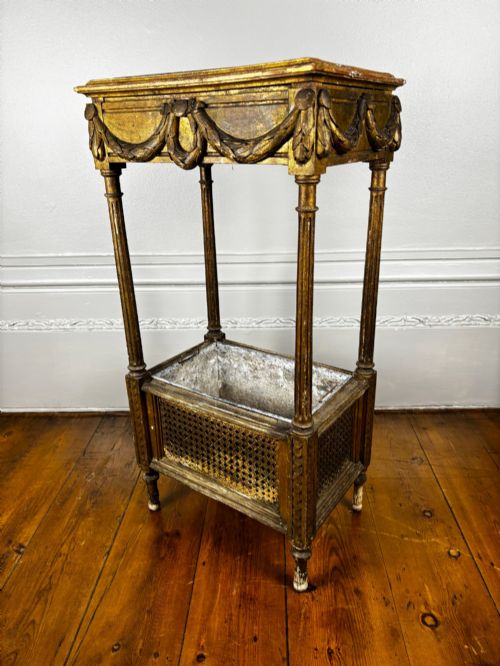
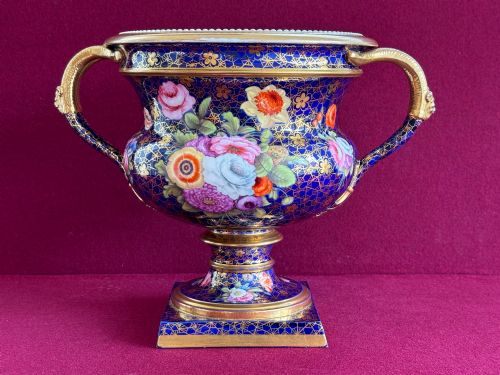
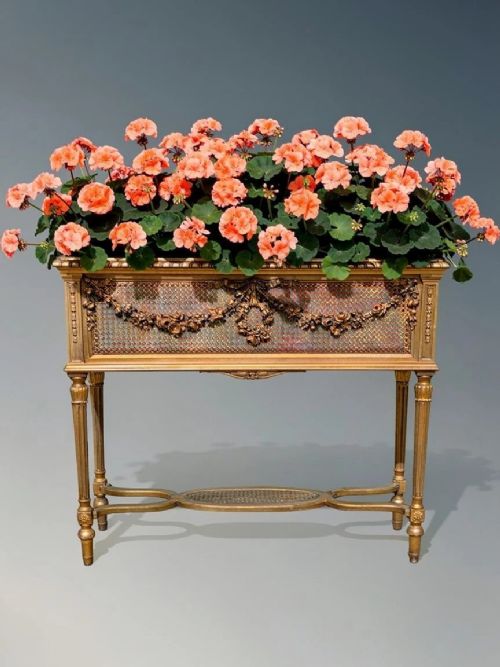
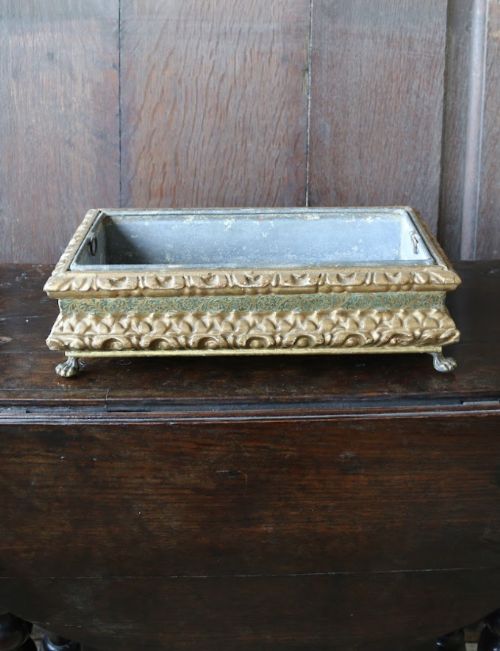
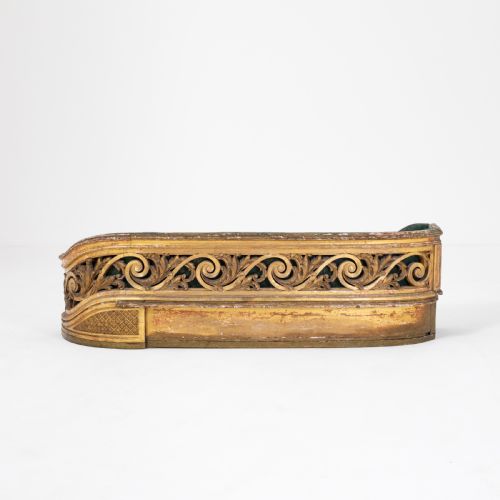
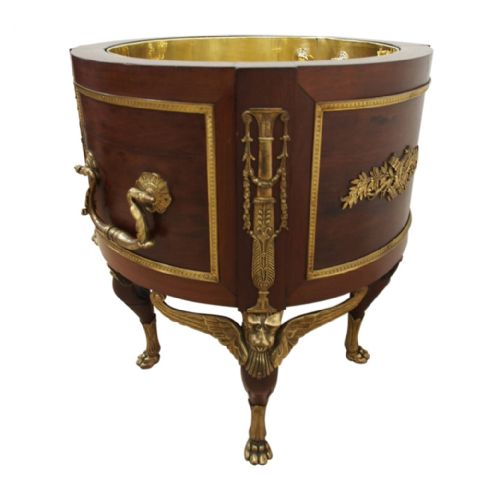
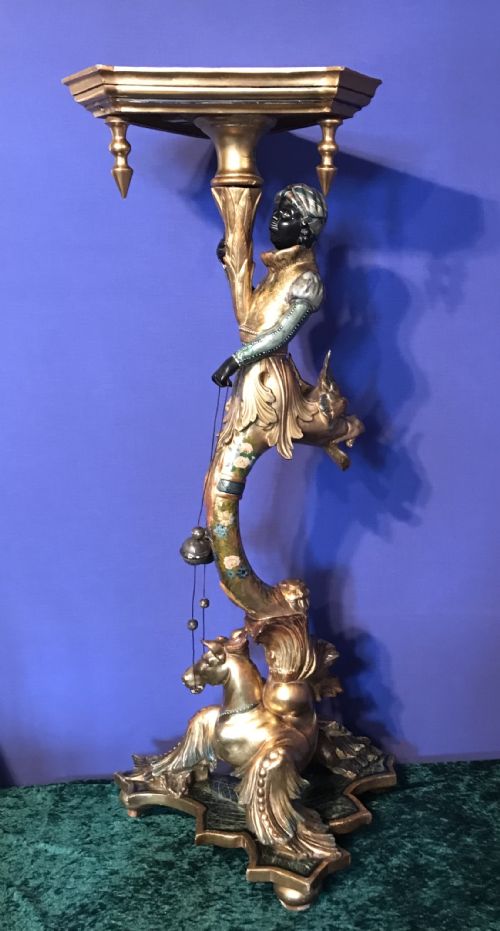
A gold gilt planter encompasses everything from grand 19th-century jardinieres and Regency vases to carved giltwood boxes and Italian Baroque vessels. When searching for a gold gilt planter, buyers encounter diverse forms designed to display plants or stand alone as decorative centrepieces.
The selections here range from early 17th-century carved wooden pieces to Edwardian revival works and 1910s porcelain. Forms vary widely between footed jardinieres, pedestals, cachepots, and decorative bowls.
Pieces originating from French, Italian, English, and Japanese workshops demonstrate how different cultures interpreted gilded plant holders over several centuries. The most common survivals lean towards 19th-century and early 20th-century craftsmanship in wood, porcelain, and metal.
Materials and Construction
Makers utilised rich surface treatments, applying gold leaf and giltwood to carved timber frames, alongside cast ormolu and bronze mounts. Woodwork often involves intricate hand-carving before the application of delicate metal leaf.
Ceramic examples rely on fine porcelain bodies from factories like Spode, Royal Worcester, and Coalport, frequently combining paste gilt decoration with enamels. Metal versions incorporate heavy brass, zinc linings, and chased ormolu to withstand moisture.
Cane and mahogany appear in specific domestic items, while crystal glass bodies utilise applied paste gilt details to achieve surface brilliance. Each material dictates how the gilt layer interacts with light in an interior setting.
Gold Gilt Planter Retail Price Guide 2026
Typical asking prices for gold gilt planter among the pieces listed under this phrase on Sellingantiques today, from the lower quarter to the upper quarter. They describe what is for sale here now, not the wider market.
Assessing Quality and Execution
The distinction between ordinary and exceptional pieces rests on the crispness of the carving and the depth of the gilding. Hand-carved giltwood and chased ormolu exhibit sharp detailing and smooth transitions that mechanical production misses.
Porcelain quality reveals itself in the hand-painted enamels and the precision of the applied paste gilt decoration. Factory provenance, such as pieces bearing recognised marks from established porcelain works, often indicates superior baseline execution.
The integrity of secondary materials, from original zinc liners in jardinieres to stable cane work, separates well-preserved examples from heavily restored ones. Proportions and weight also signal ambition in the original workshop design.
Spode·Royal Dux·Royal Worcester·Coalport
The Gold Gilt Planter Glossary
- Giltwood
- Timber that has been coated with gold leaf or gold paint. This technique was widely utilised on 17th-century and 19th-century frames and furniture.
- Jardiniere
- An ornamental pot or stand for holding flowers or plants. These vessels appear frequently in ceramic, metal, and wood.
- Ormolu
- Finely ground high-carat gold applied to a bronze base using mercury amalgamation. The process creates a rich, enduring metallic finish.
- Cachepot
- An ornamental container used to hide an unadorned flowerpot. They prevent water damage to surfaces while maintaining a decorative appearance.
- Paste Gilt
- A method of applying powdered gold mixed with a binding medium to glass or ceramic surfaces. This decoration is often fired or sealed to the body.
Gold Gilt Planter: Frequently Asked Questions
What is the difference between a jardiniere and a planter?
A jardiniere traditionally refers to an ornamental container specifically made to hold growing plants, often with an internal liner to protect the outer body from moisture. Planter is a broader term encompassing various vessel types used for greenery.
In older inventories, the two terms often overlap depending on the regional terminology used by the maker.
How do I care for giltwood and ormolu finishes?
Giltwood and ormolu require gentle dusting with a soft, dry cloth to prevent abrasion to the delicate gold leaf layer. Moisture and harsh cleaning chemicals must be kept away from the gilded surfaces entirely.
Placing them out of direct sunlight helps preserve the warmth and tone of the metal or leaf over time.
Can these vessels hold live plants directly?
Many antique planters and jardinieres were designed with removable metal or zinc liners to contain soil and water safely. Using a separate inner pot protects antique wood, ceramic, and gilt surfaces from dampness.
Checking for an original liner helps determine how the vessel was intended to function in period interiors.
How can I tell a 19th-century piece from an Edwardian one?
Nineteenth-century pieces frequently display heavier ornamentation influenced by revival styles like Louis XIV, Regency, or Italian Baroque. Edwardian works often lean towards lighter proportions and refined classical revivals.
Examining the underlying materials, mounting techniques, and any factory marks helps clarify the period of production.