

Gold Gilt Lamp
These gold gilt lamp designs illuminate interiors through centuries of continental craft, bringing radiant metallic lustre and classical proportion to domestic spaces.
Gold Gilt Lamp
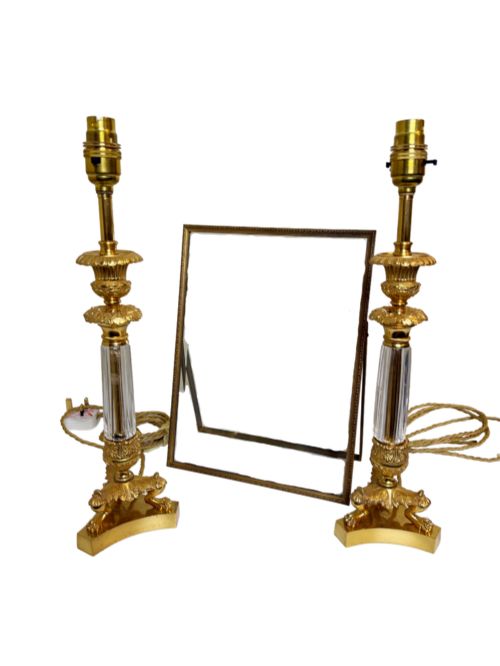
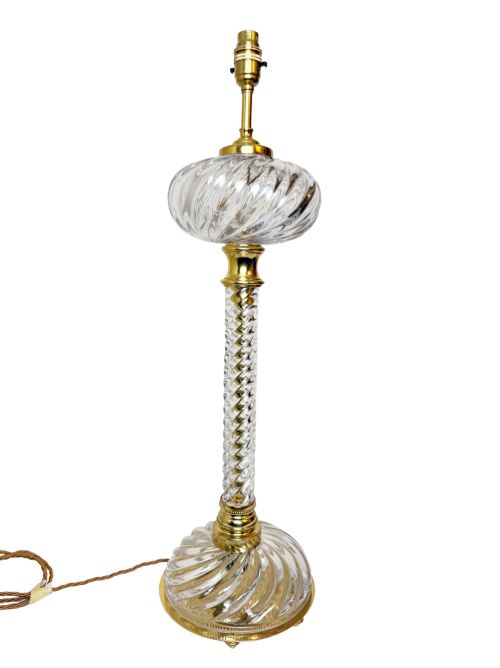
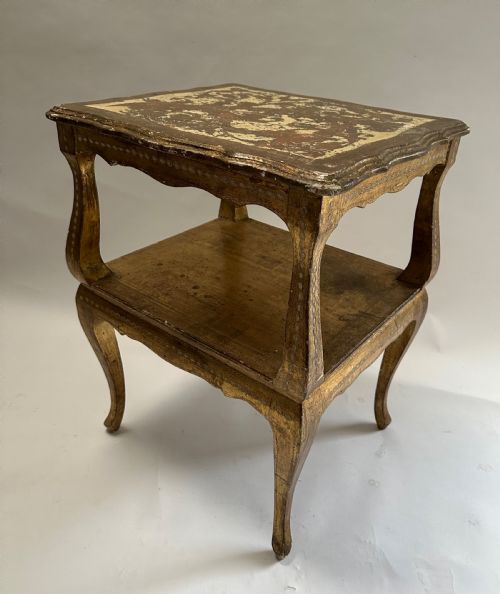
A gold gilt lamp search reveals a diverse selection of lighting fixtures and occasional furnishings originating predominantly from French, Italian, and Spanish workshops. These pieces span multiple centuries, stretching from the austere lines of the Regency period through the elaborate flourishes of the nineteenth century into the early twentieth century.
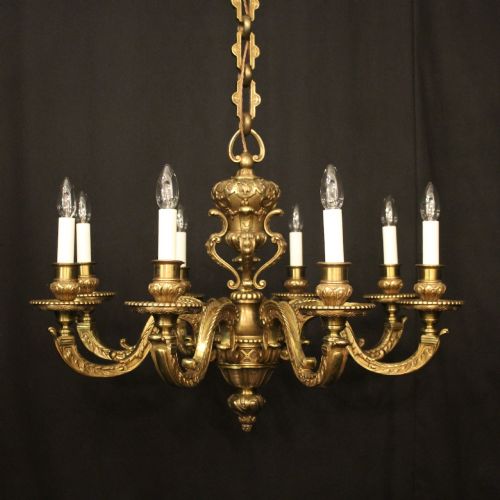
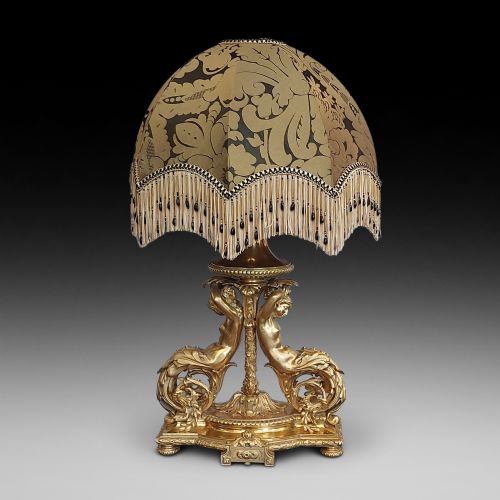
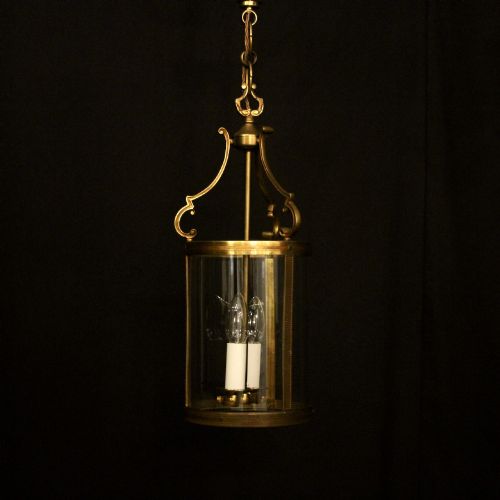
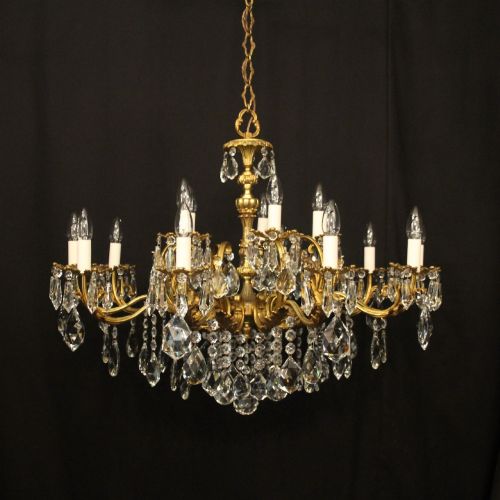
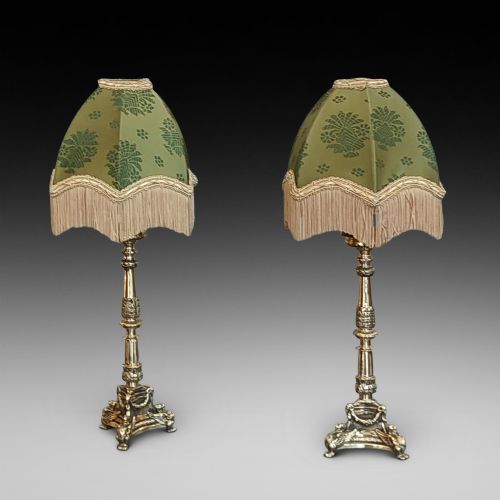
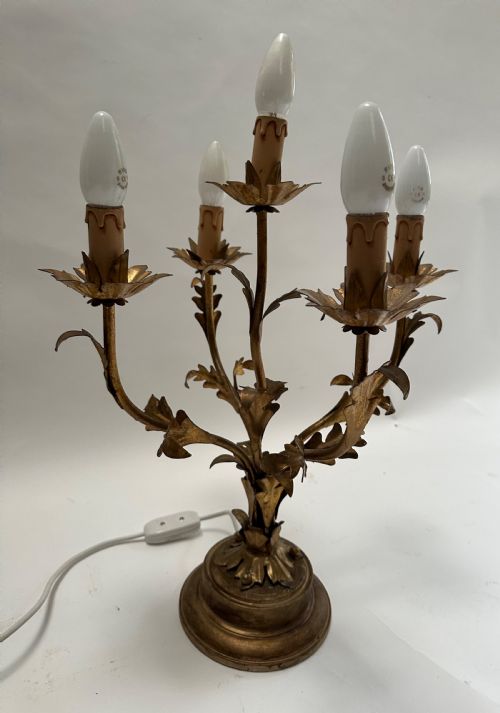
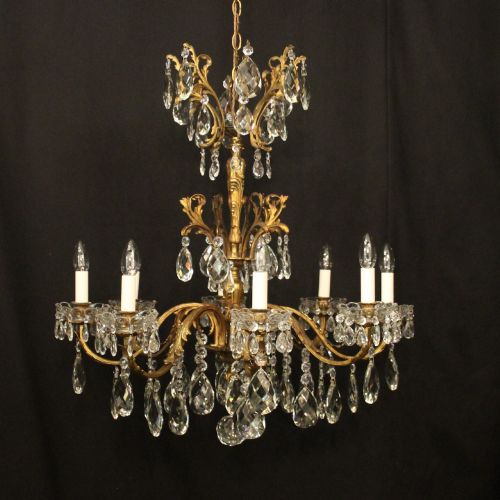
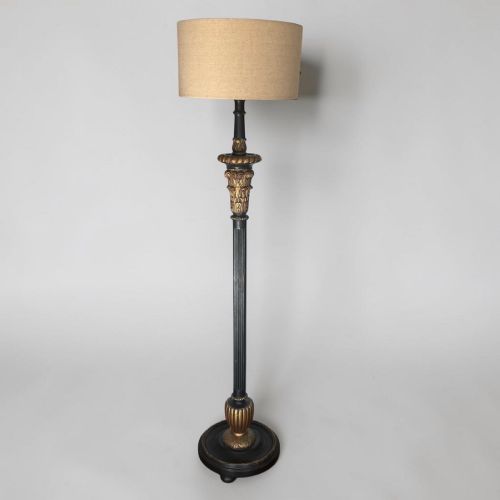
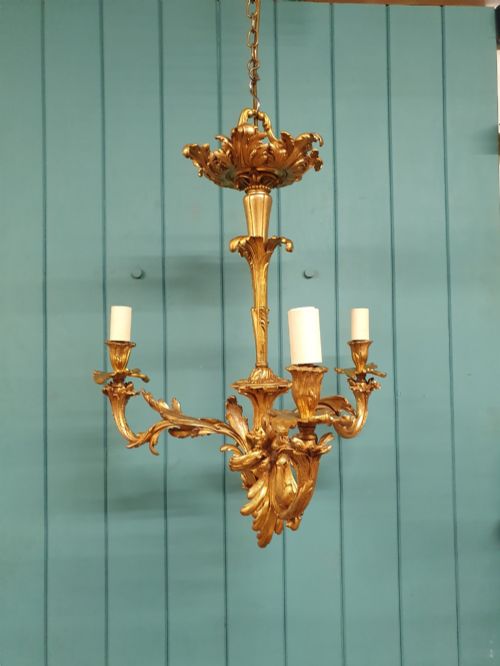
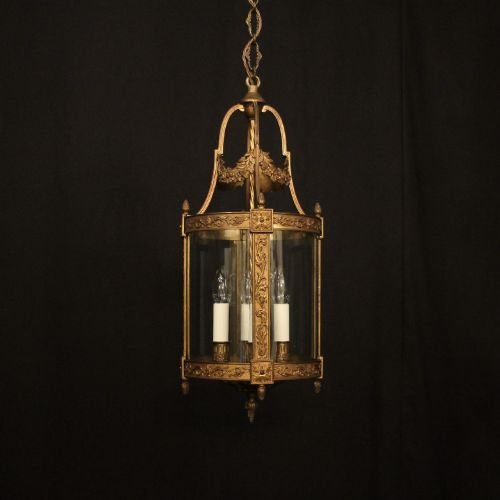
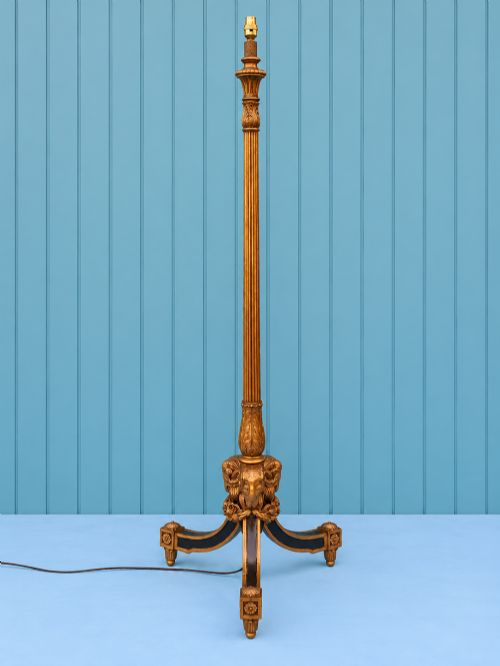
Table lamps dominate the selection, frequently appearing in matched pairs shaped as classical urns, ewers, or carved wood figures adorned with putti and floral reliefs. Alongside these, buyers encounter extensive varieties of multi-armed chandeliers, wall sconces, and lanterns utilising gilded metal or carved wood.
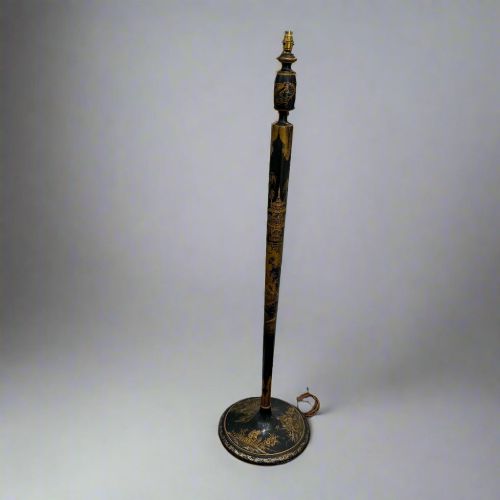
Continental influences shape the aesthetic across the inventory, with French Rococo, Neoclassical, and Chinoiserie styles appearing frequently. Materials intersect with these forms, combining brass, ormolu, and gilt bronze with ceramic bodies, crystal drops, and marble bases.
Materials and construction methods
Foundry casting forms the foundation for many bronze and brass fixtures, allowing artisans to shape intricate details such as lyres, ribbons, and foliage. Molten metal pours into moulds before undergoing manual chasing and finishing to sharpen the decorative motifs.
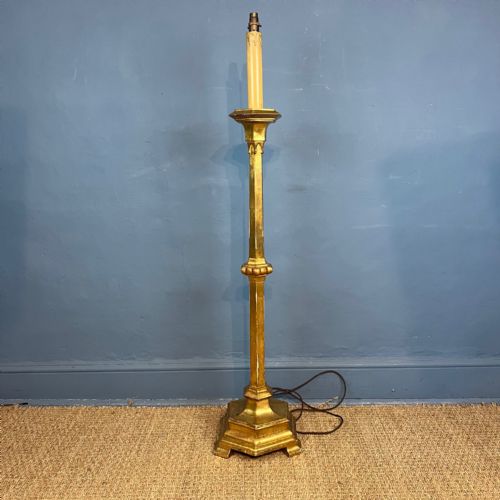
Gilding techniques apply thin layers of gold leaf or metal powder to carved pine, gesso, or cast bronze surfaces to create a luminous metallic finish. Craftsmen then seal these treatments to protect the delicate sheen against oxidation and handling.
Secondary materials such as hand-cut crystal prisms, Paris porcelain bodies, and green-veined marble plinths integrate with the metalwork through threaded rods, pins, and traditional adhesives.
Gold Gilt Lamp Retail Price Guide 2026
Typical asking prices for gold gilt lamp among the pieces listed under this phrase on Sellingantiques today, from the lower quarter to the upper quarter. They describe what is for sale here now, not the wider market.
Sphinxes, putti, and pineapples populate the metalwork, proving that historical lighting designers thoroughly enjoyed a touch of whimsy.
Distinguishing quality across pieces
The precision of the metal chasing and the depth of the casting define the upper tier of objects, where surface details remain crisp and well-defined rather than soft or smoothed over. High-grade items exhibit careful hand-tooling on every visible contour, whereas simpler work relies entirely on the initial cast.
The integrity of the gilding indicates the standard of production, with superior examples showing even coverage and complex burnishing that highlights the underlying relief. Wear patterns on genuine period pieces reveal the warmth of the base metal underneath through natural friction rather than superficial distress.
Structural heft and material combination distinguish refined pieces from standard output. Solid bronze frames, substantial marble bases, and genuine cut crystal elements demonstrate greater material commitment than plated alternatives.
E Rousseau
The Gold Gilt Lamp Glossary
- Ormolu
- A technique of applying finely ground high-carat gold to a bronze base using mercury amalgamation, common in French decorative arts. This process yields a deep, enduring lustre distinct from modern electroplating.
- Chandelier
- A branched suspended lighting fixture designed to hold multiple candles or bulbs. These items frequently incorporate crystal drops to refract light across a room.
- Neoclassical
- A style drawing inspiration from classical antiquity, favouring symmetry, urn forms, and restrained ornamentation. It appears frequently in nineteenth-century and early twentieth-century lighting.
- Ewer
- A large jug with a wide spout and handled body, historically used for water but adapted in these listings as a sculptural lamp base. These forms often feature classical handle scrolls and decorative relief panels.
Gold Gilt Lamp: Frequently Asked Questions
How do I wire an antique lamp?
Wiring requires running modern flexible cable through the existing central channel of the metal or wooden body, preserving the exterior structure without alteration.
Qualified electricians should inspect older brass or bronze lamp holders to ensure proper earth connections and insulation before daily use.
Are these lamps converted from oil?
Many nineteenth-century table lamps began as oil-burning fixtures before undergoing conversion to electricity during the twentieth century. These transformations often utilise the original burner threads to mount modern bulb sockets securely.
Evidence of conversion appears in the internal hollow channels originally designed to accommodate cotton wicks or fuel reservoirs.
How should I clean gilded surfaces?
Dusting requires only a soft, dry ostrich feather brush or a clean microfibre cloth applied lightly across the intricate metallic details. Moisture and commercial chemical cleaners damage fragile gold leaf and historical lacquer, causing the metallic coating to flake.
What period do these lamps date from?
The inventory spans from the eighteenth century through the Regency era and the late nineteenth century, extending into the nineteen-twenties and thirties. Stylistic cues such as cast motifs and material choices help determine the precise era of manufacture.
French Neoclassical and Rococo Revival influences dominate the nineteenth-century examples, while cleaner transitional lines define the later twentieth-century items.