
Gold Gilt Cabinet Dish
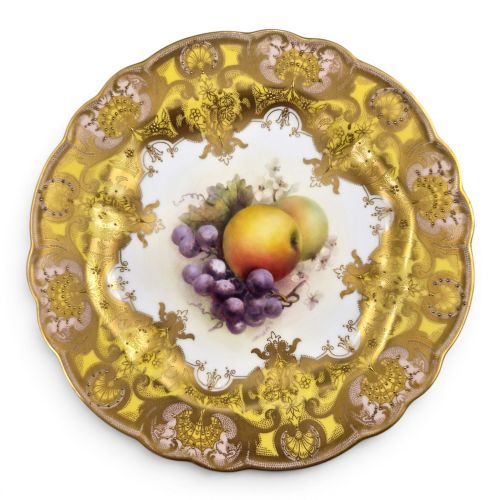
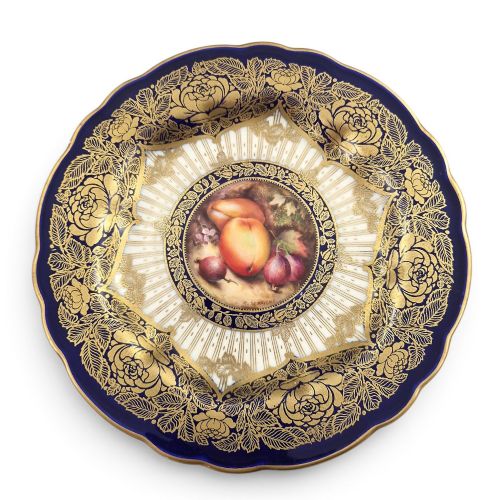
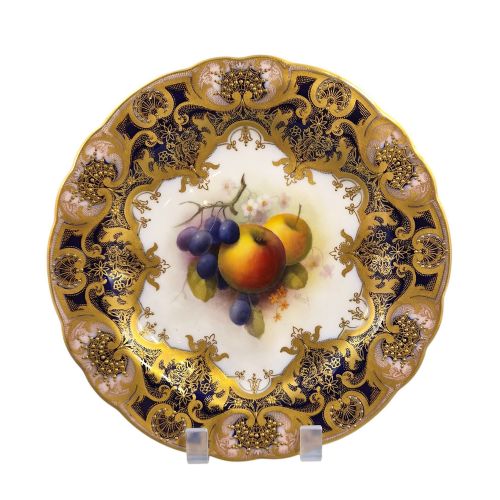
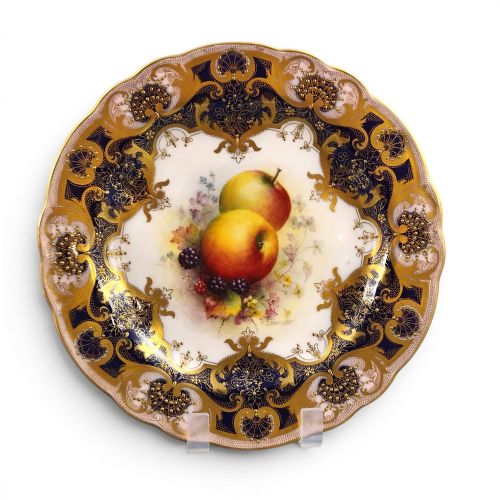
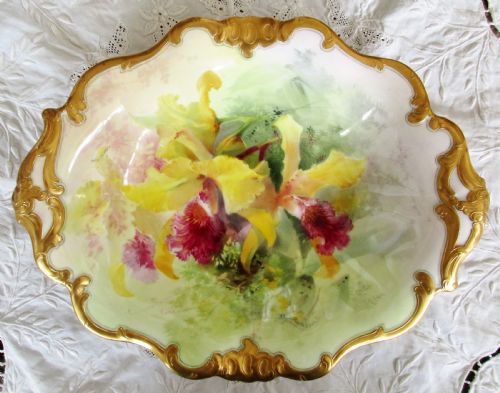
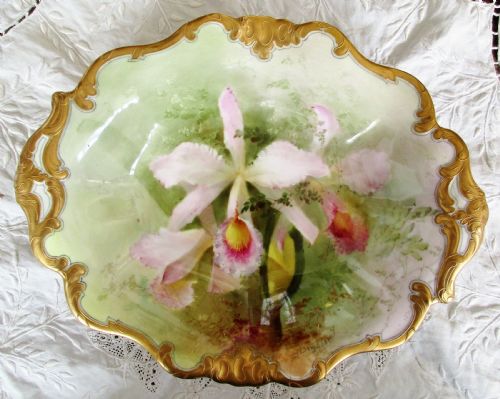
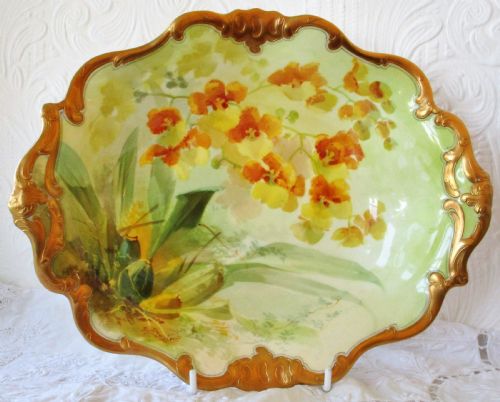
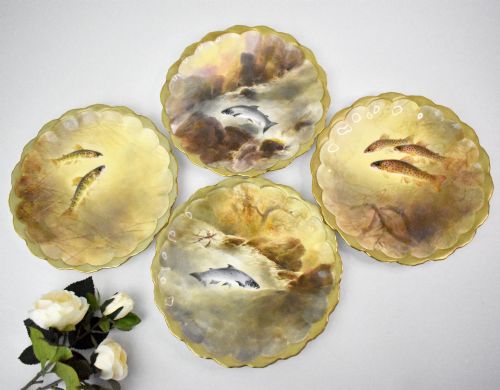
A gold gilt cabinet dish brings intricate hand-painted subjects and rich metallic enrichment into display spaces, bridging formal ceramics and cabinet display.
Gold Gilt Cabinet Dish
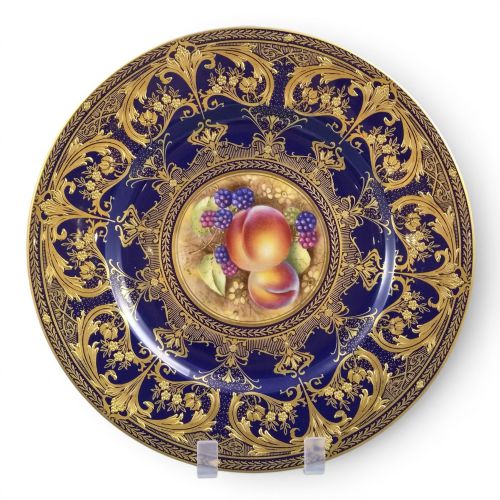
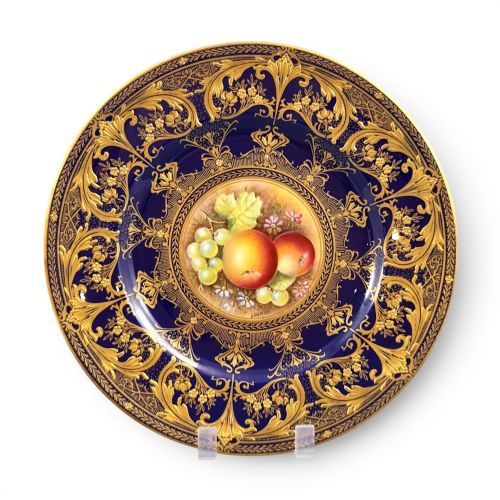
A gold gilt cabinet dish functions primarily as a decorative object rather than functional tableware, often displayed on a sideboard or mounted on a wall. These items emerge from prominent factories and workshops spanning the Georgian, Regency, Victorian, and Edwardian eras, stretching through the twentieth century.
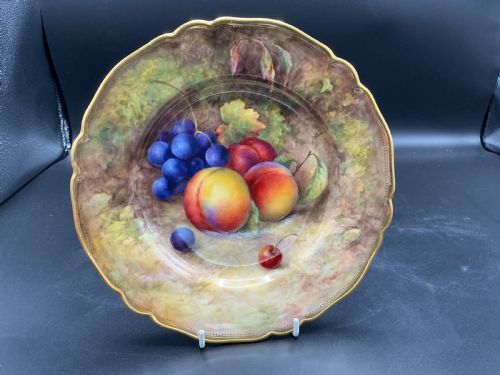
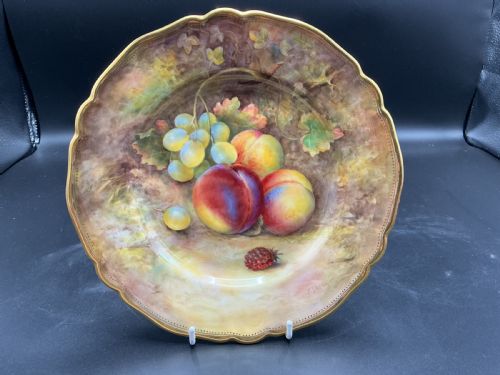
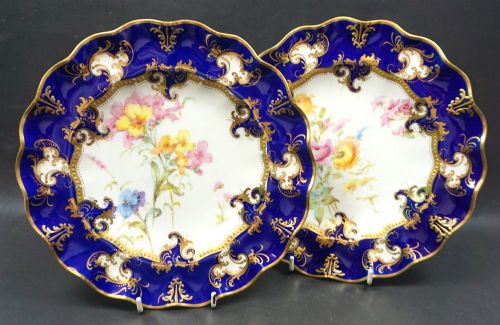
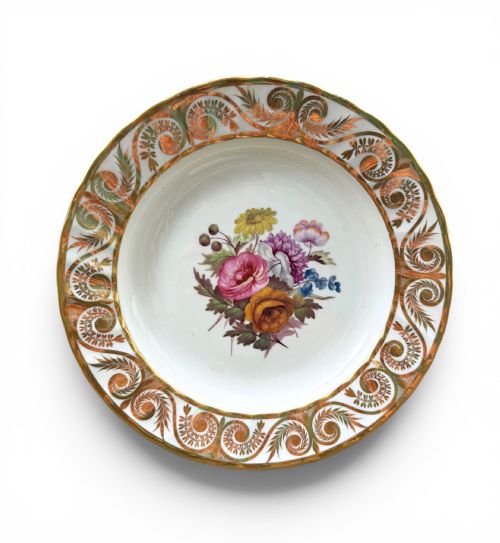
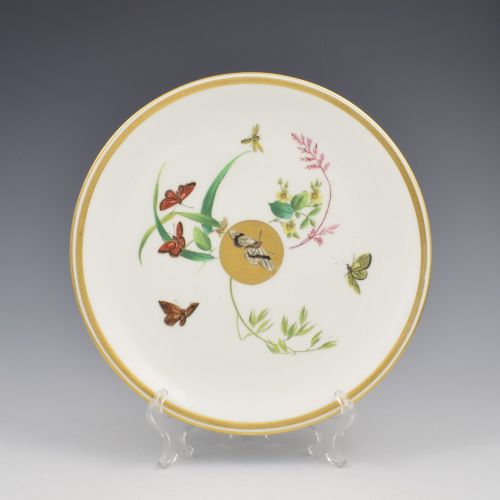
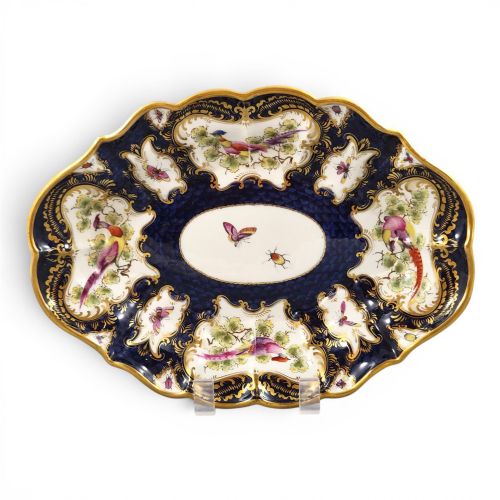
The most common forms on this page include cabinet plates, dessert plates, and decorative dishes featuring hand-painted botanical, topographical, and figurative subjects. Makers such as Royal Worcester, Royal Crown Derby, and Barr, Flight and Barr dominate the selection, utilising rich gilding and enamel work.
How they were made
Makers utilised porcelain and bone china as the primary ceramic bodies, providing a smooth, white surface suited for detailed enamel painting and gold leaf application. Artisans applied hand-painted motifs depicting fruit, flowers, and classical scenes before adding gilt borders and tooled highlights.
Firing techniques allowed cobalt blue grounds and intricate gilding to fuse with the glaze, creating durable finishes that endure from the nineteenth century onward. Workshops employed specialised painters who signed their work, recording individual artistry on each piece.
Artists frequently immortalised humble orchard fruits like bruised apples and autumnal plums in lavish gold frames.
What varies in quality
The skill of the hand-painted subject separates standard production from exceptional examples, with signed works by known artists commanding greater attention. The precision and weight of the gold leaf or tooled gilding indicate the level of craftsmanship invested in the surface.
The complexity of the porcelain form, such as pierced rims or moulded rope edges, demonstrates the technical ambition of the factory. Rarity of the painted subject, from topographical views to mythological scenes, further distinguishes individual dishes.
Royal Worcester·Royal Crown Derby·Barr Flight and Barr·Royal Doulton·Coalport·Meissen·Royal Vienna
The Gold Gilt Cabinet Dish Glossary
- Cabinet plate
- A decorative ceramic plate intended for display in a cabinet or on a wall rather than for dining use. These items often feature elaborate hand-painted scenes and heavy gilding.
- Gilding
- The application of gold leaf, gold dust, or gold paint to the surface of porcelain. This technique adds reflective metallic highlights to rims, borders, and central motifs.
- Enamel
- A glass-like substance fused to the porcelain body through firing to provide vibrant colours for painted decoration. Artisans layer these pigments to create detailed floral and figurative compositions.
- Bone china
- A type of porcelain containing bone ash, resulting in a strong, translucent ceramic body. It provides a bright white background ideal for intricate hand-painted artwork.
- Tooled gilt
- Gilding that has been impressed or engraved with fine patterns after application. This method catches the light and adds textural depth to the metallic border.
Gold Gilt Cabinet Dish: Frequently Asked Questions
What is a gold gilt cabinet dish?
A gold gilt cabinet dish is a decorative ceramic plate or shallow bowl embellished with gold leaf or gilding, designed specifically for display. These pieces originated primarily in European factories during the eighteenth, nineteenth, and twentieth centuries.
Unlike everyday tableware, they feature elaborate hand-painted artwork including botanical studies, landscapes, and mythological scenes. Collectors display them on stands or walls to showcase the artistry of historic porcelain manufacturers.
How do I identify the maker?
Makers are typically identified by factory marks, pattern numbers, or painted signatures found on the underside of the ceramic base. Researching these specific backstamps reveals the period of manufacture and the originating workshop.
Many prominent pieces also bear the signature of individual artists who painted the central subject. Comparing these signatures and marks against historical records confirms attribution.
How should I care for antique porcelain?
Antique porcelain requires gentle handling and should be kept away from direct sunlight to preserve the vibrancy of the hand-painted enamels. Dusting with a soft, dry cloth is usually sufficient for regular maintenance.
Immersion in water or the use of cleaning agents should be avoided, particularly on pieces with delicate or worn gilding. Displaying them on stable surfaces or secure wall mounts prevents accidental damage.