

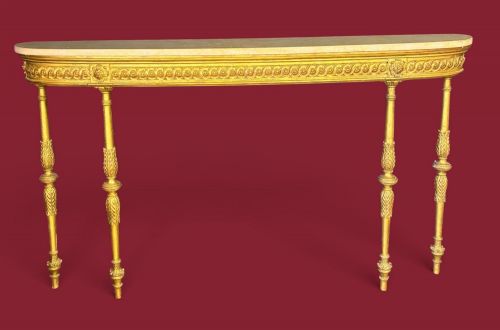


Gold Gilded Wall Table
A gold gilded wall table brings undeniable presence to a room, combining sculpted timber with lustrous metallic leaf.
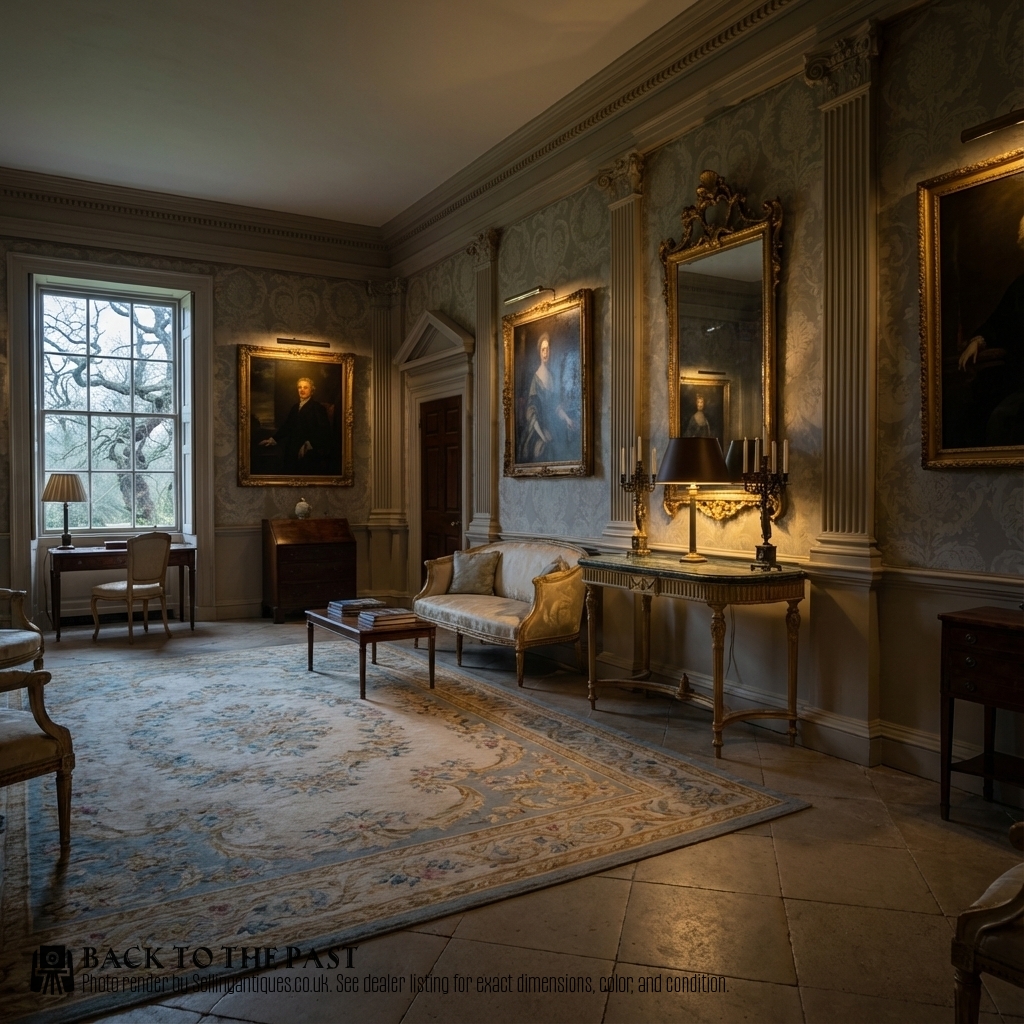
Gold Gilded Wall Table
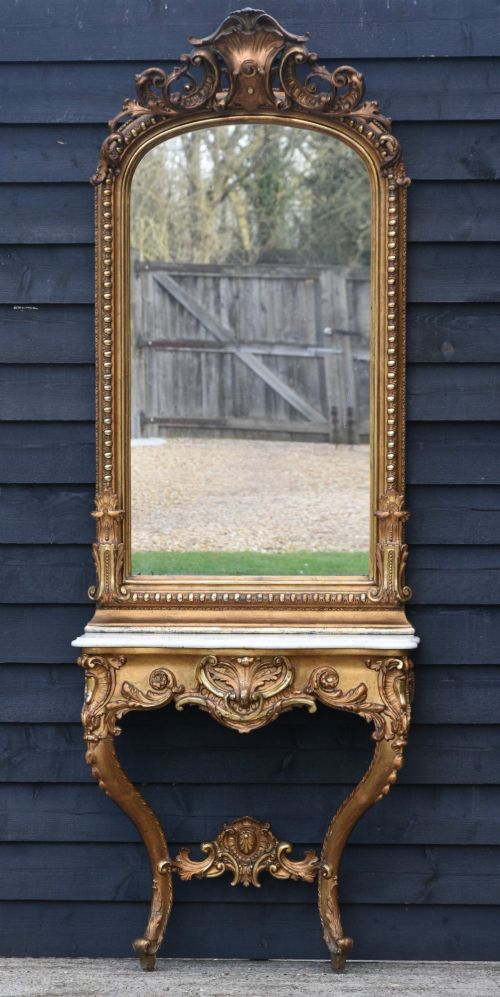
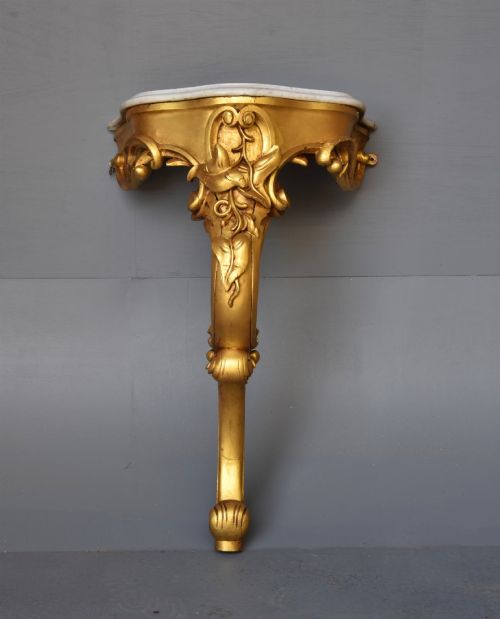
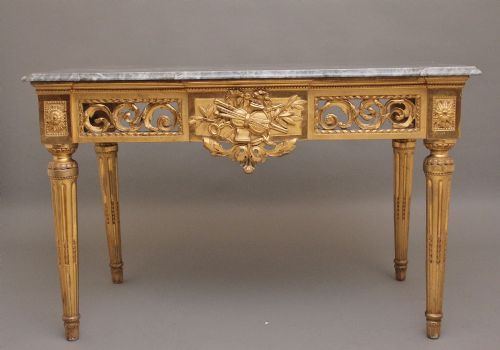
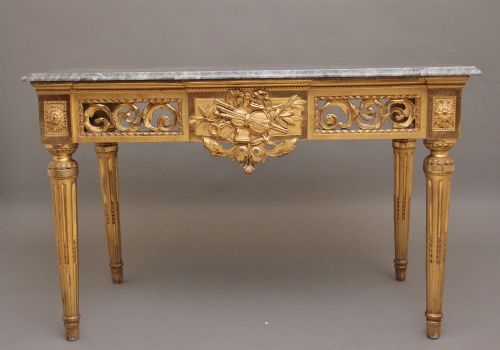
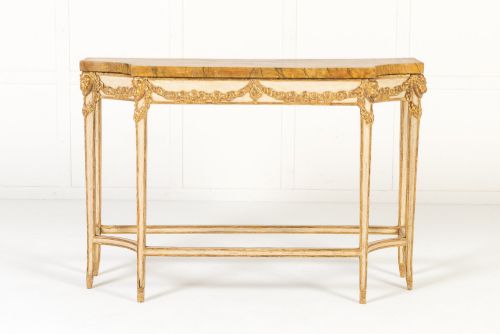
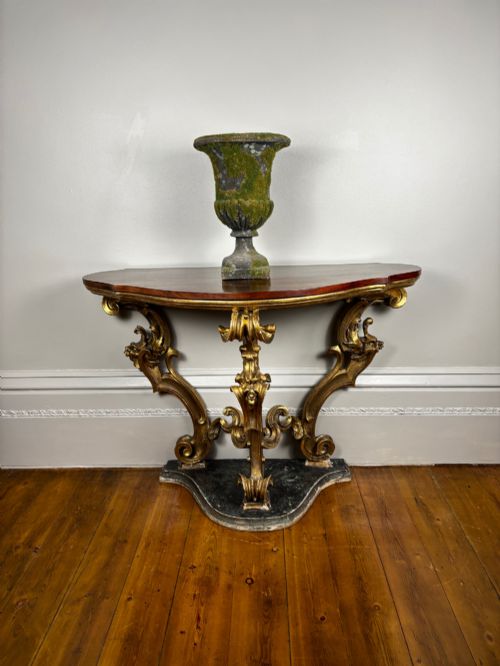
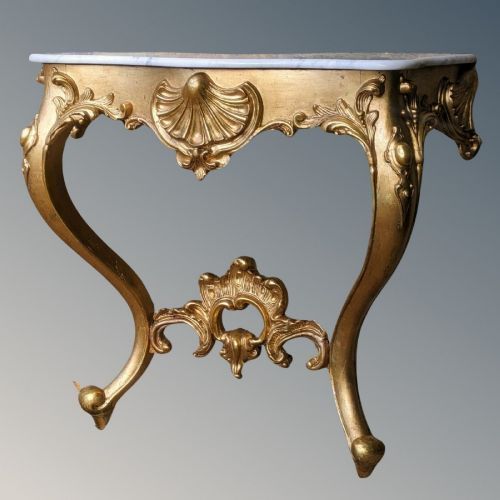
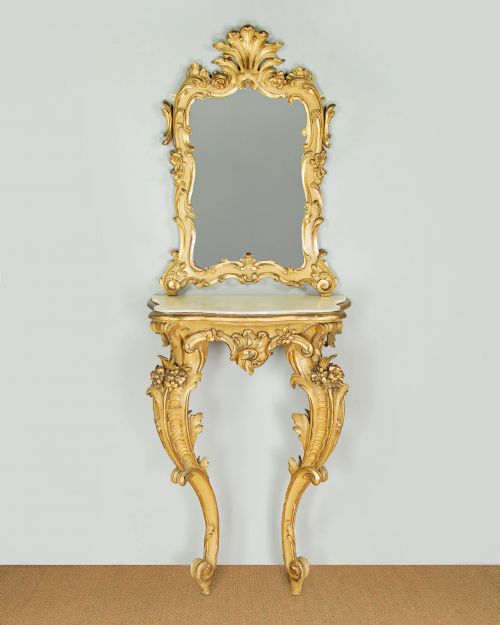
A gold gilded wall table typically manifests as a console or side table designed to anchor against a vertical surface, frequently paired with a matching pier or overmantel mirror. These items span the eighteenth and nineteenth centuries, drawing on Italian, French and Swedish workshop traditions.
How they were made
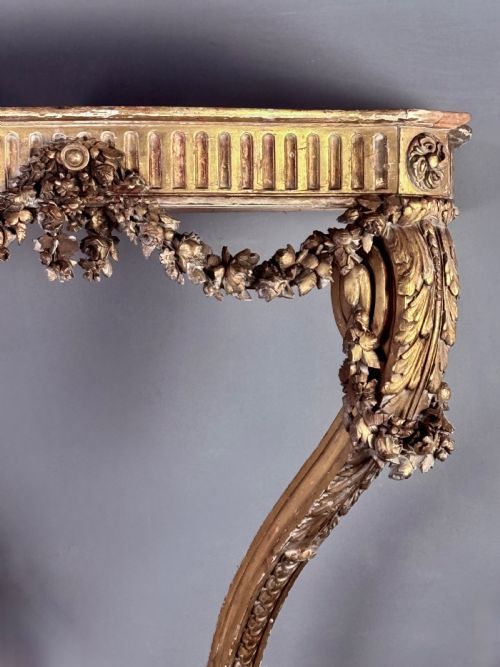
Carvers shaped the foundational structure from wood, frequently employing gesso to create a smooth preparatory layer for subsequent gilding. Artisans applied thin sheets of gold leaf over the prepared surfaces, sometimes combining paint or silver gilt to achieve tonal variation.
Heavy marble slabs were cut and polished to form the upper surfaces, resting securely upon the carved wooden consoles and lion's paw supports without requiring mechanical fixings.
Dating spans from the eighteenth century through the Victorian era up to nineteen-twenty, encompassing both English and continental European craftsmanship.
What varies in quality
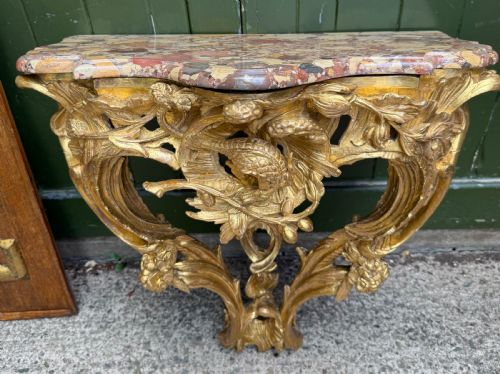
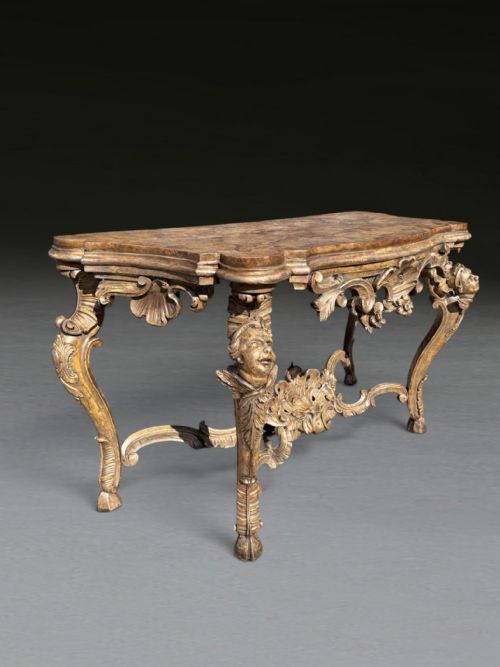
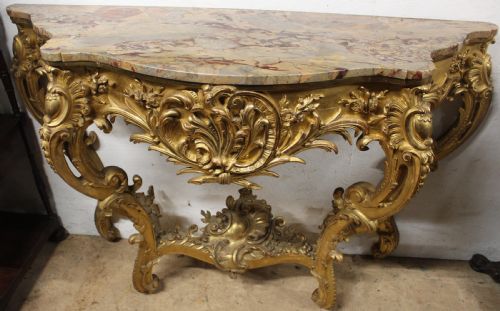
The distinction between tiers rests upon the crispness of the hand-carved ornamentation and the depth of the relief work across the giltwood frame. Superior examples display fluid, undercut scrolling and botanical motifs rather than shallow, mechanical moulding.
The selection and figuring of the marble top also dictate distinction, with richly veined stones commanding greater visual weight than plain slabs. Furthermore, the integrity of the original gold leaf surface, free from heavy modern repainting, determines the enduring character of the piece.
Felix-Alfred Ternisien·Sir Godfrey Kneller·Frank Moss Bennett
The Gold Gilded Wall Table Glossary
- Giltwood
- Timber that has been coated with a thin layer of gold leaf or gold dust over a prepared ground. This technique protects the underlying wood while imparting a radiant metallic finish.
- Console table
- A table designed to be fixed against a wall, traditionally supported by two front legs or brackets while the rear relies on the wall for stability. They frequently feature decorative aprons that match associated wall mirrors.
- Gesso
- A plaster mixture applied to wood surfaces as a base before gilding or painting. It provides a smooth, absorbent texture that allows intricate carving details to remain sharp.
- Pier mirror
- A tall vertical looking glass designed to hang on the wall space between windows, often positioned directly above a matching console table. These combinations unify the vertical and horizontal planes of a room.
- Breccia marble
- A composite stone made of broken fragments of minerals embedded in a fine-grained matrix. Its complex, multicoloured patterning adds substantial decorative value to table tops.
Gold Gilded Wall Table: Frequently Asked Questions
Where should I place a wall table?
These tables find their natural home in entrance halls, formal living rooms or dining spaces where floor space is limited. Their shallow profiles allow them to sit flush against a wall without obstructing walkways.
Pinned beneath a matching mirror or painting, they create a balanced focal point that draws the eye upward.
Do these tables require wall fixing?
Many authentic console tables are top-heavy due to their substantial marble slabs and carved wooden bases. Traditional installation often involves securing the upper frame directly to the wall for stability.
Checking the rear structure for original fixing brackets ensures the piece remains secure during daily use.
How do I identify French and Italian styles?
Italian pieces from the eighteenth century frequently display robust Baroque or Rococo carving with dramatic flourishes like lion's paw feet. French designs often reflect Louis styles, favouring symmetrical restraint or flowing serpentine outlines.
Examining the underlying timber and the character of the gesso helps reveal the regional workshop traditions.
Can I place items on a marble top?
The stone surfaces are robust enough to hold decorative objects, lamps or small sculptures. However, acidic liquids should be kept away from polished marble to prevent surface etching.
Using protective pads beneath heavy or abrasive items preserves the finish of the stone.