





Gold Gilded Framed Artwork
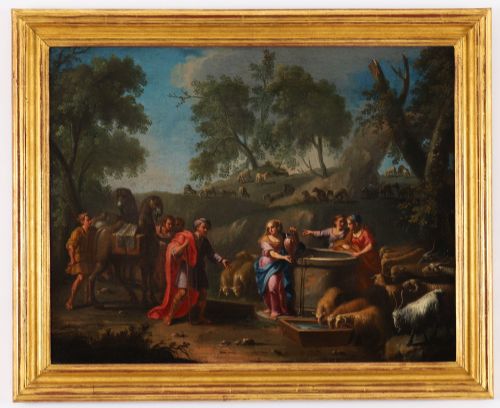
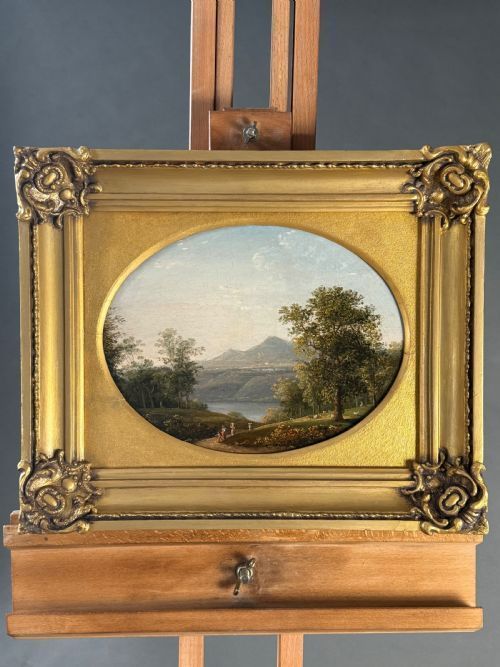
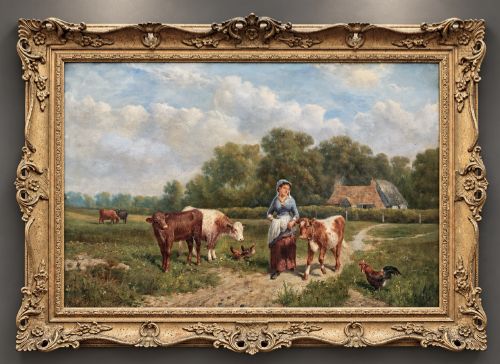
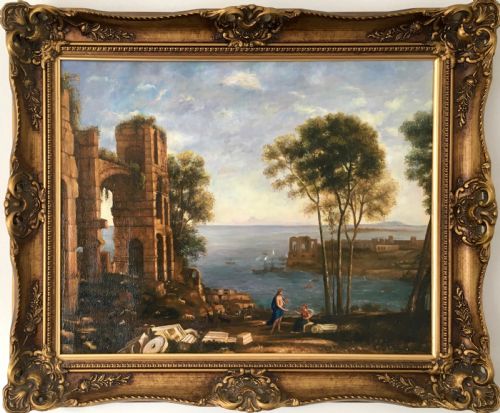
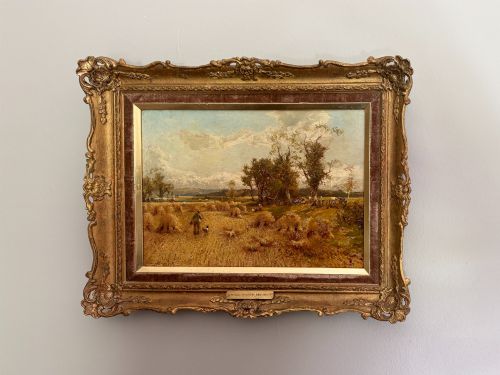
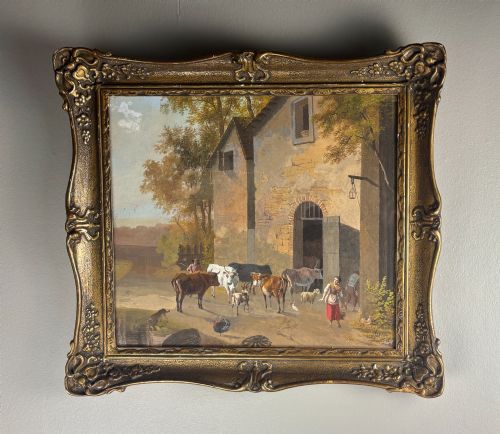
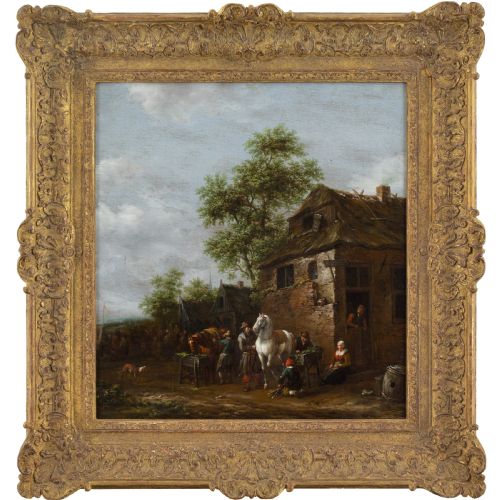
Gold gilded framed artwork brings together historic paintings and elaborate metallic surrounds, offering a commanding focal point for any room.
Gold Gilded Framed Artwork
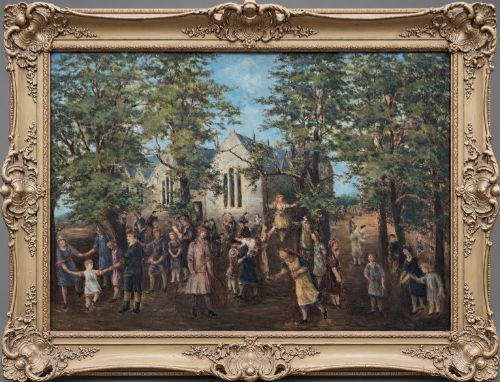
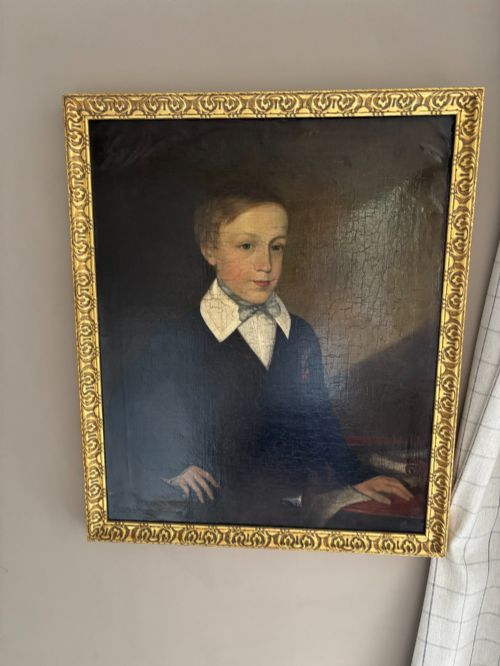
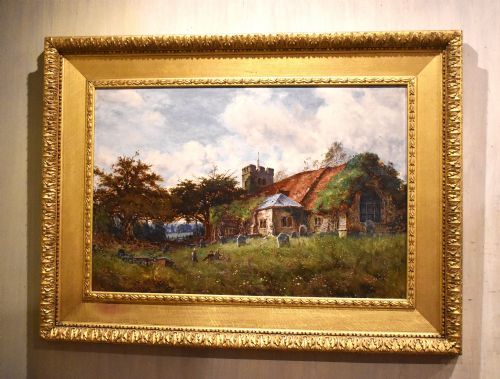
Gold gilded framed artwork spans oil paintings, portraits, still lifes, and landscape scenes enclosed within ornate metallic mouldings. When you search for gold gilded framed artwork, you encounter pieces originating from the eighteenth and nineteenth centuries alongside later revival styles.
The most common examples on this page are oil on canvas paintings and panels set within decorative wooden frames finished in gold leaf or gesso. These works range from intimate classical portraits to large Dutch style floral arrangements and pastoral views.
Materials and construction methods
Artists painted primarily with oil paint on canvas or wooden boards, occasionally working in watercolour or pastel on paper. Canvases were stretched over wooden frames before receiving layers of pigment and protective varnish.
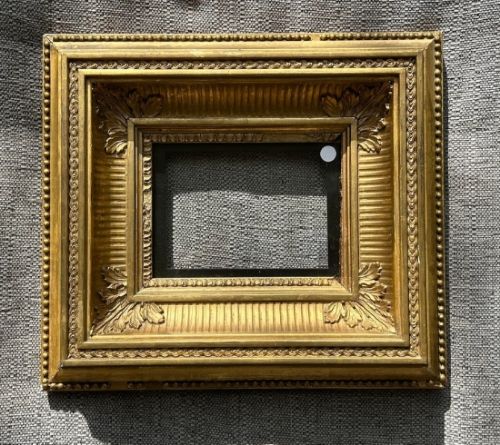
The frames were constructed from wood, then coated with gesso as a smooth base for the application of gold leaf or metallic gilding. Carved details and moulded ornamentation added depth and texture to the exterior borders.
Listings feature works from the seventeenth century through to the 1960s, executed in oil, canvas, gesso, and giltwood.
Factors influencing quality
Quality rests in the proficiency of the brushwork and the anatomical accuracy of the painted subjects, distinguishing professional studio output from simpler decorative pieces. The depth of the canvas preparation and the preservation of the original pigment layers also indicate a higher standard.
The construction and surface finish of the frame matter greatly, with hand-carved wooden mouldings and intact original gilding representing superior craftsmanship. Frames that retain their original relationship to the artwork demonstrate greater integrity.
Sir Joshua Reynolds·Joseph Clover·Sir Godfrey Kneller·Charles-Antoine Coypel·Vittorio Reggianini
The Gold Gilded Framed Artwork Glossary
- Giltwood
- Wood that has been coated with a thin layer of gold leaf or gold paint. This technique provided a brilliant metallic finish to decorative frames.
- Gesso
- A plaster mixture applied to wood frames as a smooth foundation before gilding. It allowed artisans to carve intricate relief patterns onto the surface.
- Oil on Canvas
- Pigments mixed with drying oils applied to a stretched fabric support. This combination allowed for rich colour blending and durability over centuries.
- Barbizon School
- A nineteenth-century French art movement focused on tonal landscape painting and direct observation of nature. Painters from this circle emphasised atmospheric light and rural scenery.
Gold Gilded Framed Artwork: Frequently Asked Questions
How do I clean a gilded frame?
Dust the surface gently with a soft, dry brush to remove accumulated particles without disturbing the delicate metallic finish. Avoid using water or liquid cleaning solutions, which can lift the gold leaf or damage the underlying gesso.
For stubborn grime, consult a professional conservator rather than attempting chemical intervention at home. Gentle preventive care preserves the historic surface integrity of the frame.
Are these oil paintings original?
The selections on this page comprise original period oil paintings, pastels, and watercolours created by named artists or studio circles. Many feature traditional subjects such as portraits, landscapes, and floral still lifes.
Each listing details the specific medium and historical period to identify the origin of the piece. Provenance and signatures, where present, help confirm authenticity.
Where should I hang these artworks?
Position your artwork away from direct sunlight and excessive moisture to protect both the painted canvas and the gilded frame. Stable indoor temperatures prevent the wooden stretcher bars and frame joints from warping over time.
Choose a wall with sufficient space to allow the reflective gilded border to catch ambient light. Adequate clearance highlights the sculptural qualities of the frame.
How do I identify the period of a frame?
Examine the materials and construction techniques visible on the reverse and corners of the moulding. Hand-carved wooden foundations and layered gesso preparation typically indicate earlier craftsmanship.
Stylistic elements such as Regency motifs or French Rococo curves offer further clues to the date of manufacture. Comparing the framing style to the creation date of the artwork helps determine if they are original to one another.