
Gold Gemstone Jewellery
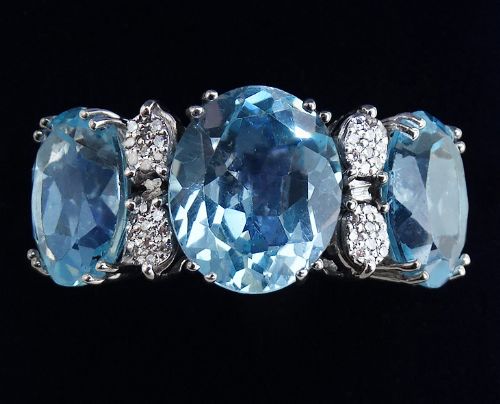
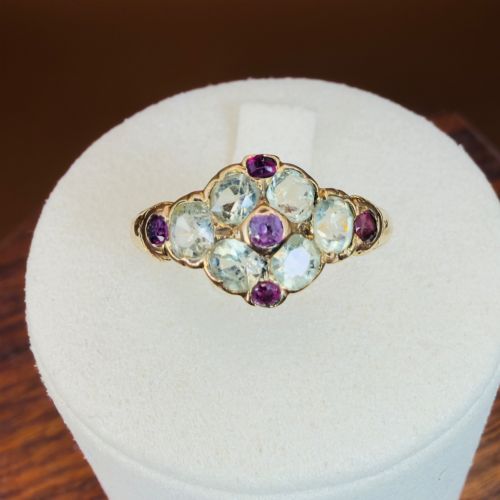
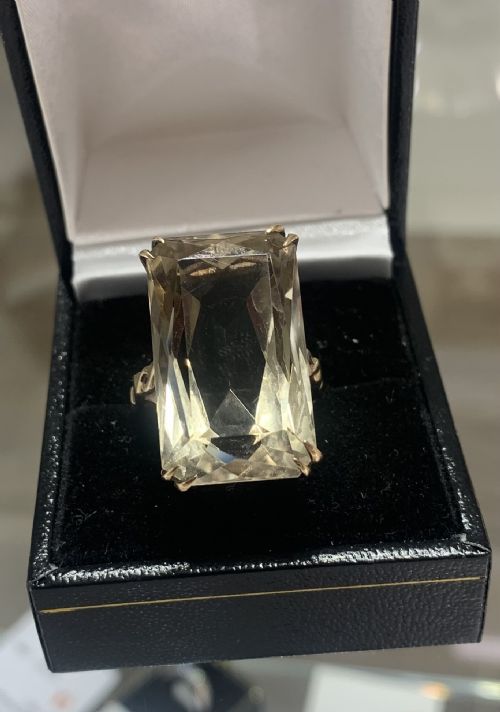
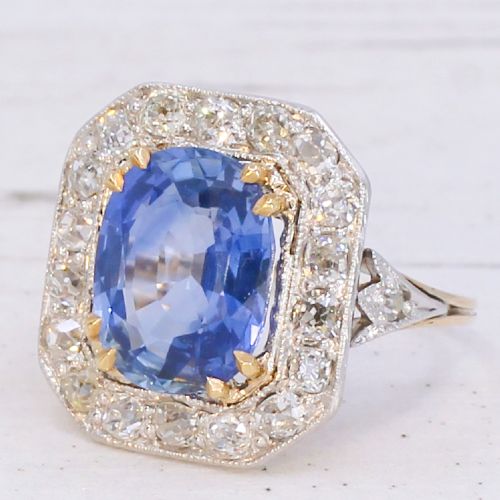
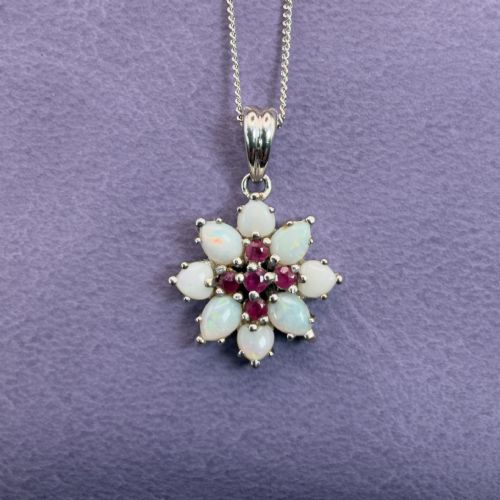
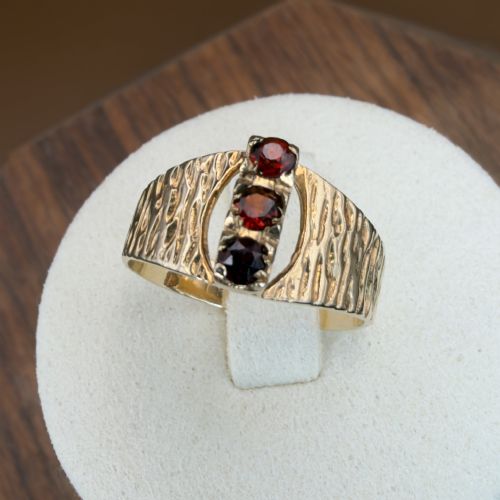
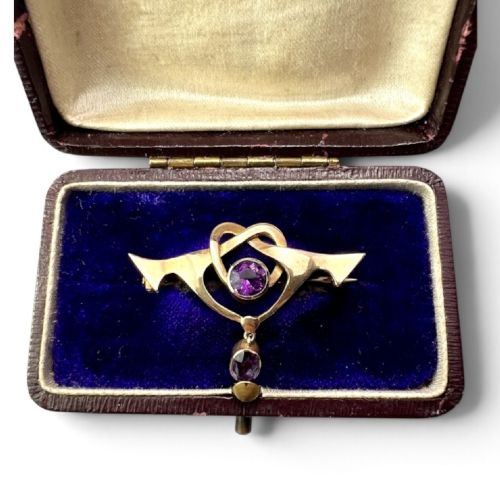
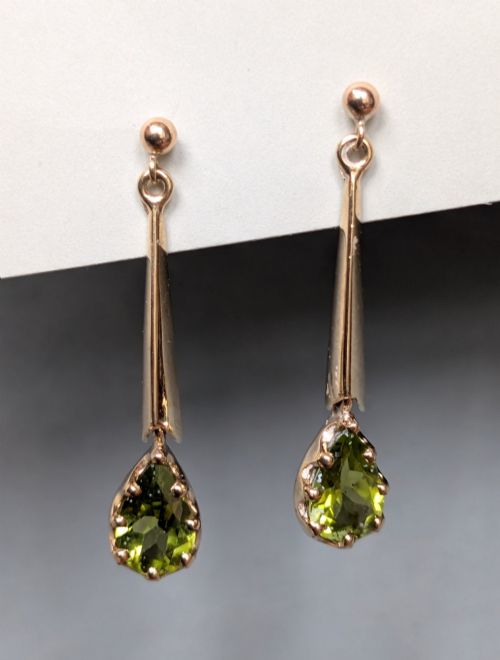
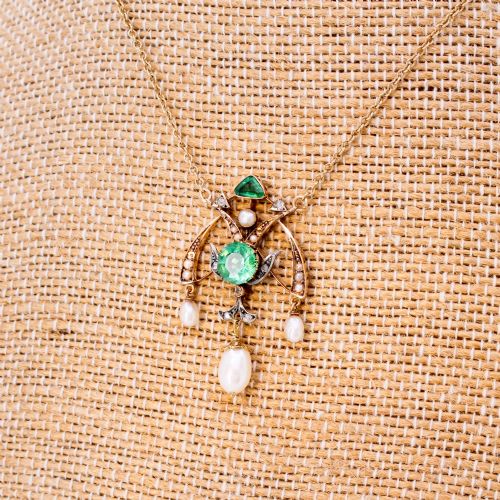
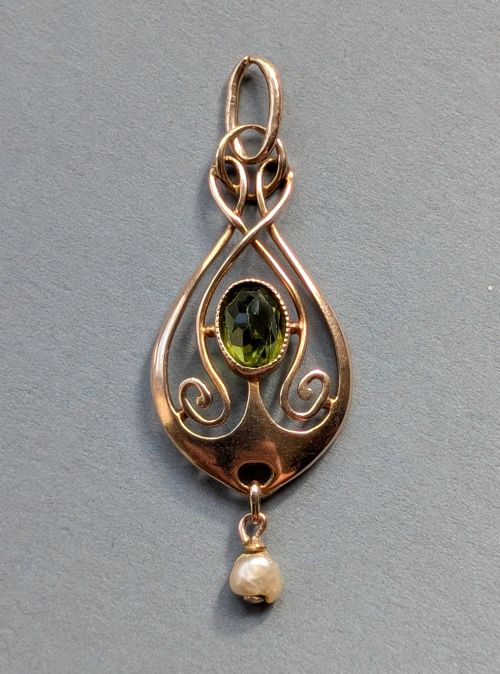
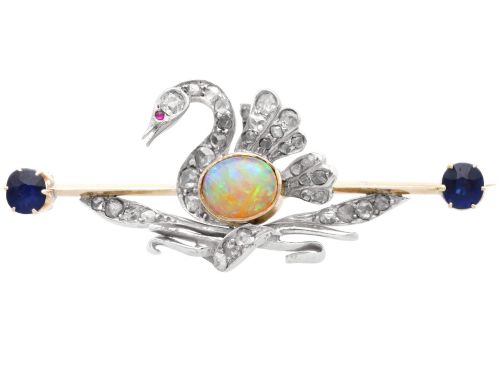
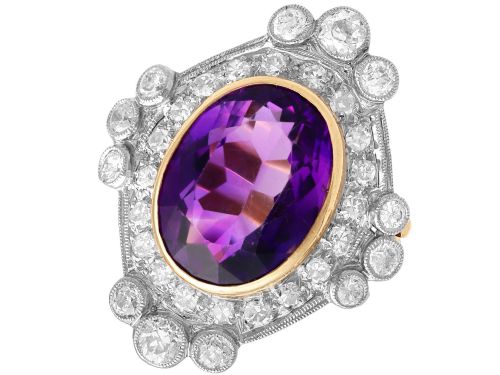
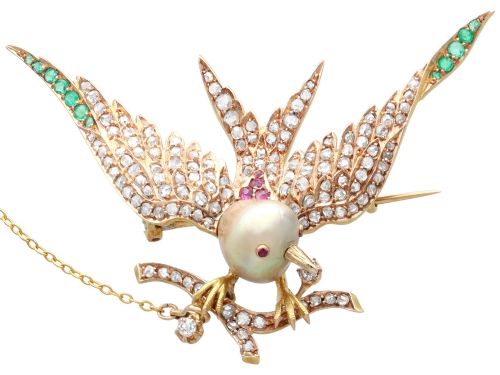
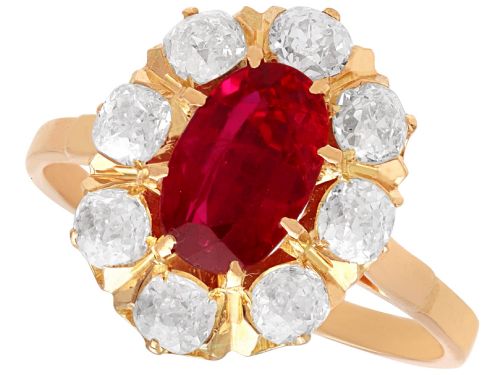
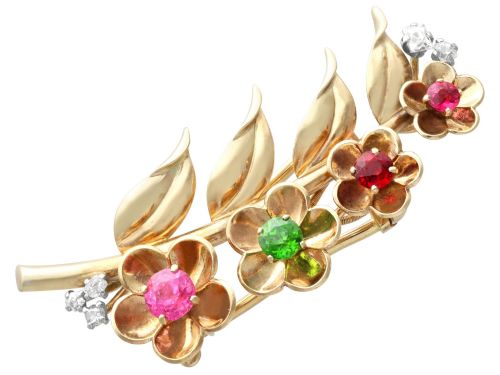
Gold gemstone jewellery encompasses rings, brooches and pendants set with diamonds, rubies, sapphires and peridots across Victorian, Edwardian and mid-century eras.
Gold Gemstone Jewellery
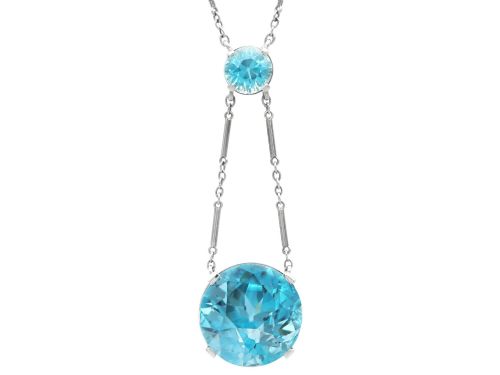
Gold gemstone jewellery brings together precious metals and colourful minerals in wearable forms such as cluster rings, drop earrings and floral pendants. Items span Georgian, Victorian, Edwardian, Art Nouveau, Art Deco and mid-century periods, showing how design evolved from heavy sentimental pieces to sleek modern statements.
Rings and brooches dominate the selection, often pairing yellow or white gold with diamonds, emeralds, sapphires and amethysts. Buyers encounter everything from delicate seed pearl necklaces to substantial gem-set dress rings carrying distinct historical character.
How they were made
Goldsmiths utilised varying purities of yellow, rose and white gold, alongside platinum and palladium, to mount stones securely using claws, bezels and flush settings. Openwork galleries and millegrain edges frequently appeared in Edwardian and Art Deco workshops to add textural detail.
Gemstones such as rubies, sapphires, emeralds and peridots were cut into step, brilliant, cabochon or princess shapes. Natural pearls and seed pearls were threaded or pinned by hand, while intricate filigree and engraved shoulders completed the assembly.
Listings feature yellow gold, white gold, and rose gold paired with emeralds, rubies, sapphires, and amethysts across Victorian and mid-century eras.
What varies in quality
Quality rests in the depth of colour and clarity of the central stones, alongside the weight and durability of the gold mount. Well-matched stone groupings and crisp, hand-finished metalwork elevate a piece significantly above standard commercial output.
The integrity of original settings and minimal wear to delicate claw tips dictate structural longevity. Pieces retaining legible hallmarks and maker details command greater historical interest.
Murrle Bennett·Cartier
The Gold Gemstone Jewellery Glossary
- Cluster ring
- A ring featuring a central gemstone encircled by a halo of smaller stones, typically diamonds.
- Millegrain
- A decorative jewellery technique involving a line of tiny raised metal beads along the edge of a setting.
- Cabochon
- A gemstone shaped and polished with a smooth, convex top rather than faceted planes.
- Solitaire
- A piece of jewellery featuring a single mounted gemstone, most commonly applied to rings.
- Fringe necklace
- A necklace design where multiple gemstone drops or pendants hang freely along the front portion.
Gold Gemstone Jewellery: Frequently Asked Questions
How do I clean antique gemstone jewellery?
Gentle cleaning with warm soapy water and a soft brush suits most gold and durable stone combinations. Avoid harsh chemical dips, particularly with softer organic gems like pearls.
Soaking should be avoided for pieces with foiled backs or glued pearls. Professional inspection helps maintain delicate settings over time.
Can I wear an antique ring every day?
Robust settings in higher carat gold or platinum withstand daily wear if checked periodically by a jeweller. Softer stones require extra care during manual tasks.
Thinner Victorian shanks may need strengthening before heavy daily use. Rotating pieces preserves their structural condition.
How can I tell the period of a piece?
Stylistic motifs such as Art Nouveau whiplash lines or Art Deco geometric symmetry offer immediate chronological clues. Hallmarks and metal standards provide official dating markers.
Stone cuts and mounting techniques also reflect the era of production. Consulting documented design conventions confirms the timeline.
What is the difference between antique and vintage?
Antiques generally refer to items over one hundred years old, encompassing Georgian and Victorian eras. Vintage typically covers mid-century pieces from subsequent decades.
Both categories describe pre-owned items with distinct stylistic histories. The terminology helps classify items by age and design movement.