
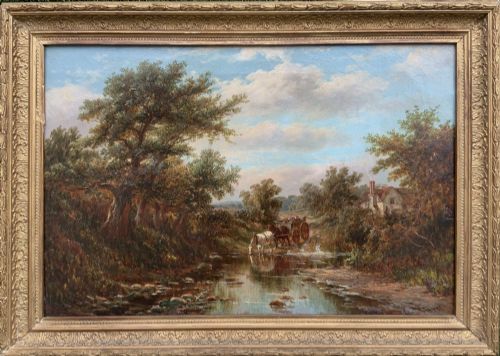
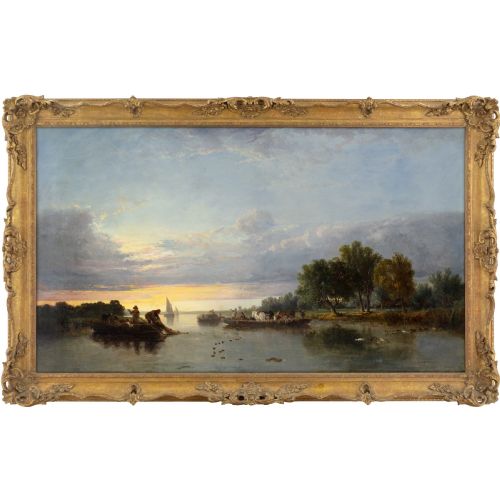
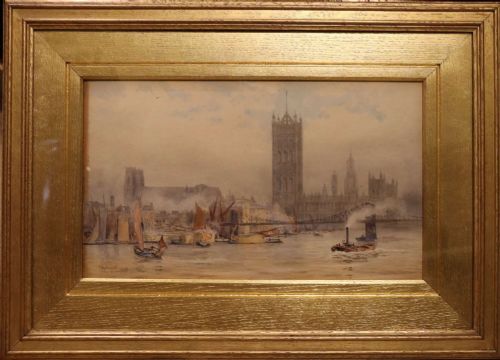
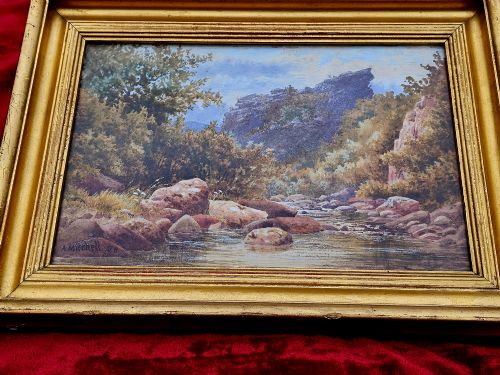
Gold Framed River Landscape
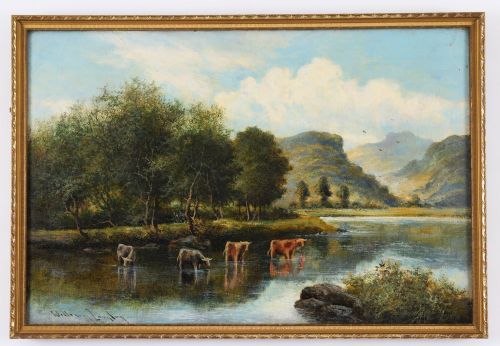
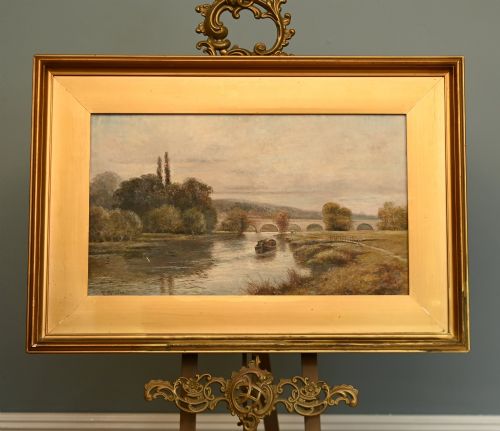
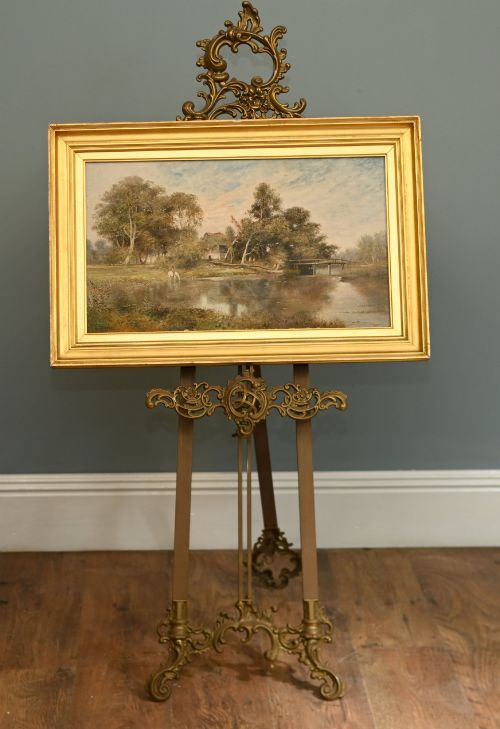
Gold framed river landscape paintings bring the serene movement of water and nineteenth-century light directly onto a wall.
Gold Framed River Landscape
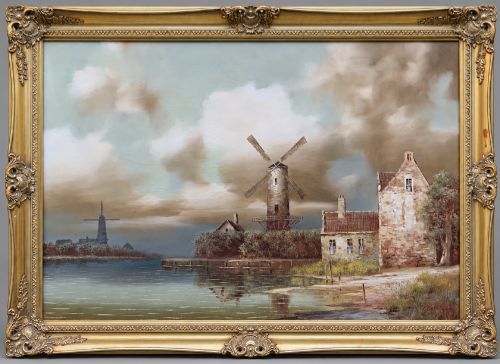
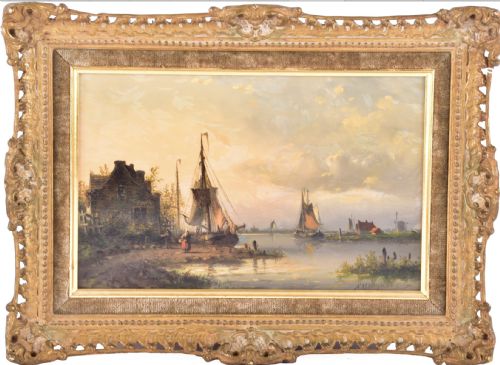
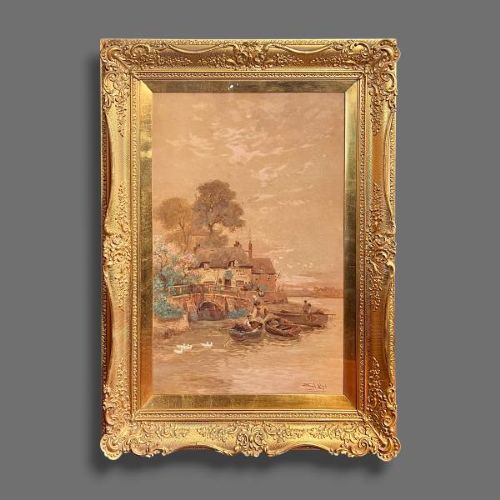
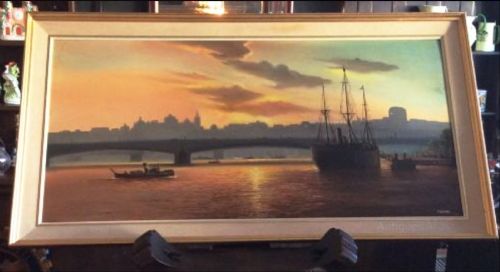
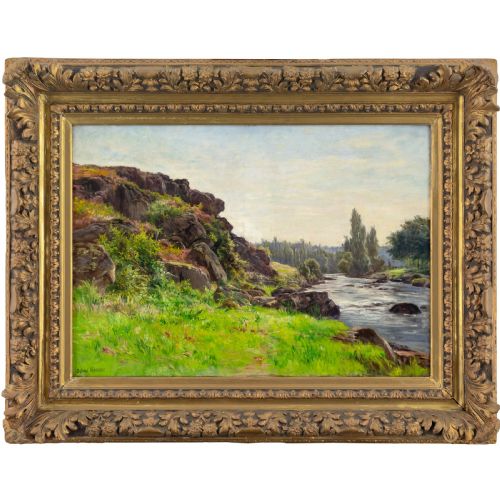
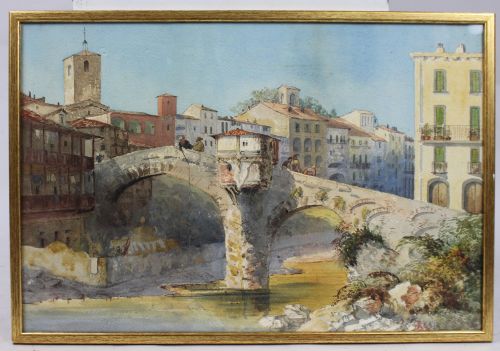
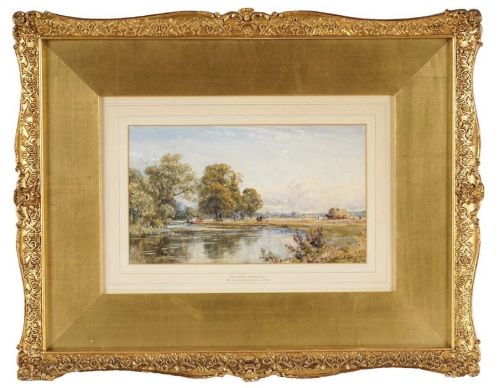
A gold framed river landscape brings together pastoral views of waterways, such as the Thames or continental canals, captured in oil paint or watercolour. These works span the nineteenth century and into the twentieth, often reflecting British, Dutch, and French schools.
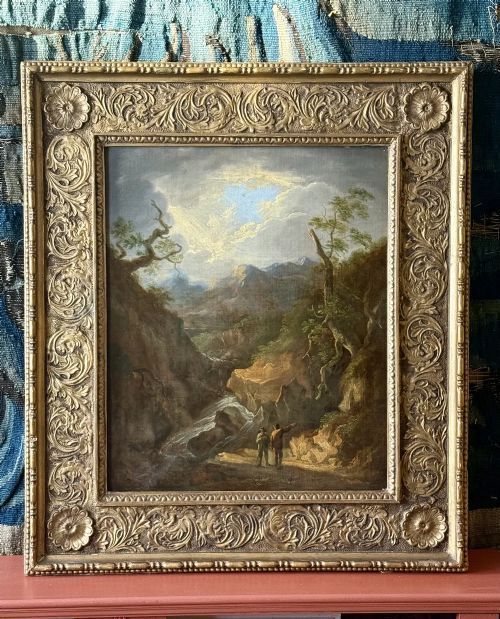
Most examples found here combine traditional oil on canvas or delicate watercolour with elaborate gilt wood and gesso frames. The subjects range from bustling city bridges to quiet rural riverbanks with figures and boats.
The aesthetic bridges realistic topographical recording and atmospheric impressionism, making these paintings a focal point in traditional rooms.
Materials and construction methods
Painters utilised oil on canvas, oil on board, or heavy watercolour pigments on paper, working with layered brushwork to capture the shifting reflections on water. Canvases are stretched over wooden frames and secured within decorative surrounds.
The surrounding frames are constructed from wood moulded with gesso, then finished with layers of gilt or gold leaf. These ornate frames provide structural support while enhancing the luminosity of the painted scene.
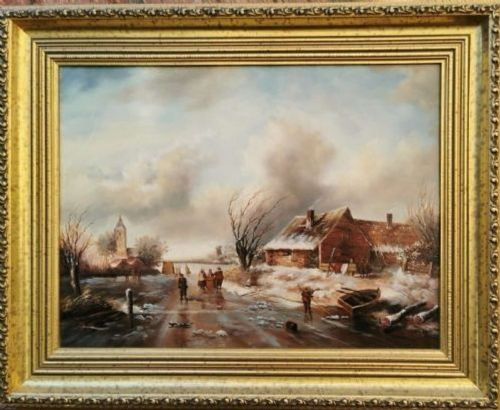
Several canvases quietly trade tranquil riverboats for skating children and domestic dogs.
Distinctions in craftsmanship
Quality rests in the handling of light and water by the artist, distinguishing skilled academic painters from competent regional hands. Finer canvases show nuanced depth in the sky and fluid movement in the river currents.
The integrity and ornamentation of the original giltwood frame heavily influence the overall value. Hand-modelled gesso work and intact gold leaf separate superior mountings from later replacements.
Benjamin Barker of Bath·Nicolaas Martinus Wijdoogen·Thomas Thomas·Edward Williams·H Medlycott·Robert Thorne Waite·Francis Moltino·Willem Bos·George Oyston·Albert Rieger·Paul Desire Trouillebert·T C Hofland·Henry H Parker·Charles Clair·John Ferneley Senior·William George Tennick
The Gold Framed River Landscape Glossary
- Giltwood
- Wood that has been coated with gold leaf or a gold-coloured finish. This material defines the ornate frames typical of the period.
- Gesso
- A plaster-like mixture applied to wooden frames as a base for moulding intricate relief decoration before gilding. It allows for sharp decorative details.
- Oil on Canvas
- Pigment mixed with drying oil applied to a stretched woven fabric support. This medium permits rich colour blending and texture.
- Watercolour
- Paint consisting of pigment suspended in a water-soluble binder, frequently utilised for luminous atmospheric river scenes on paper.
Gold Framed River Landscape: Frequently Asked Questions
Where should I hang these paintings?
Position these works away from direct sunlight and damp environments to protect both the canvas and the watercolours. Stable indoor temperatures prevent warping in the wooden stretchers.
Select a wall with neutral lighting to let the gilt frame catch natural daylight without glare.
Are watercolours as durable as oils?
Watercolours are sensitive to light and require framing behind protective glass with conservation-grade mounts. Oils on canvas offer greater resilience against atmospheric changes.
Both mediums survive well when kept in stable domestic conditions.
How do I identify the period?
Examine the stretcher construction, canvas weave, and the style of the gilt frame for period clues. Victorian and nineteenth-century works often bear signatures, dates, or artist inscriptions on the reverse.
Matching the painter's recorded exhibition dates confirms the era of execution.