




Gold Framed Pastel Portrait
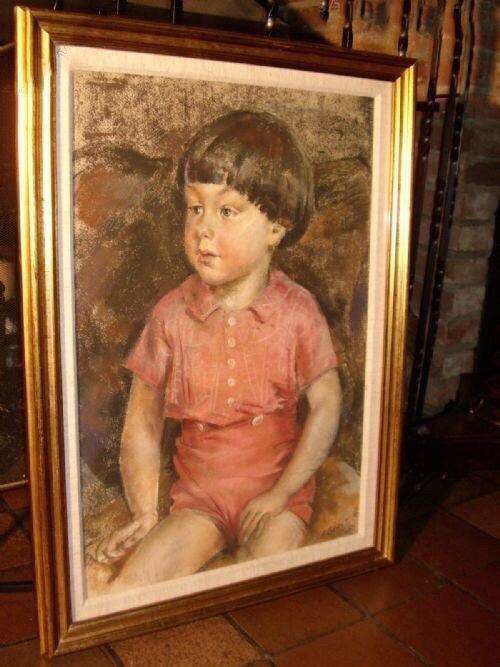
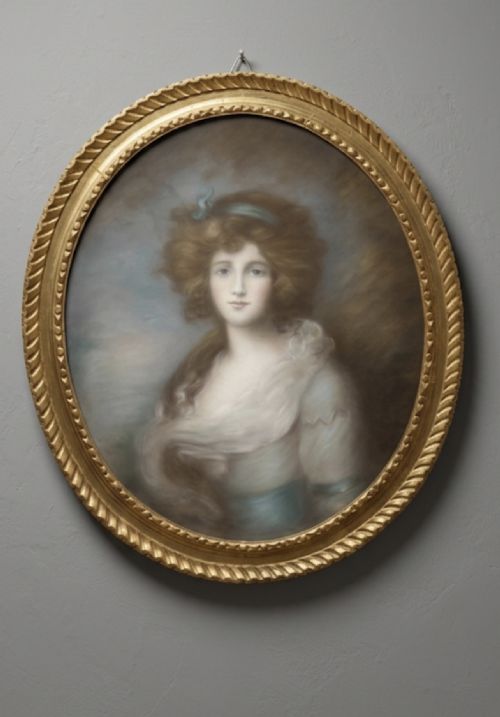
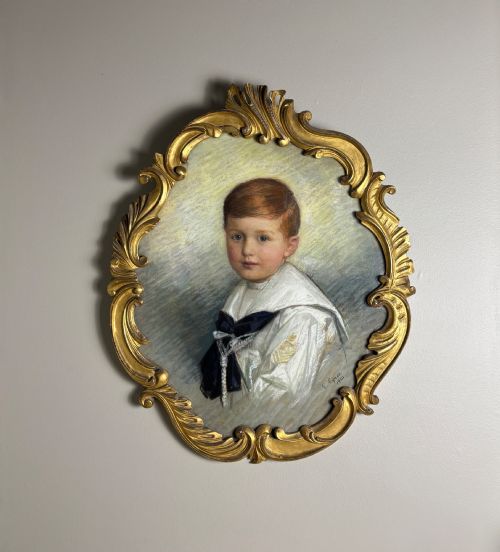
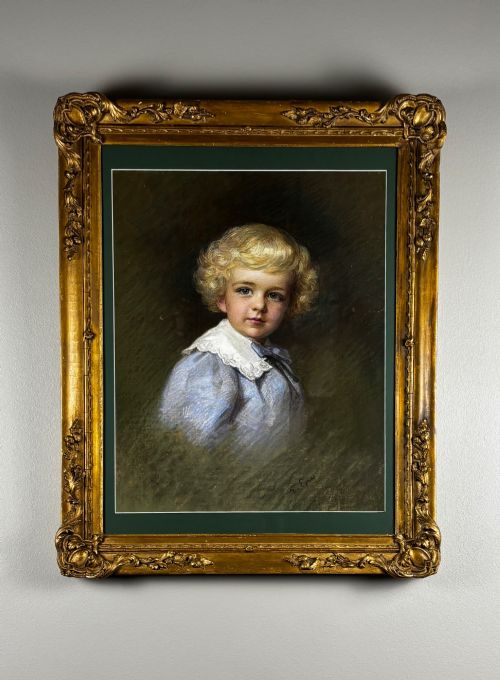
A gold framed pastel portrait brings soft colour and character to a wall, capturing subjects from children to stately figures in delicate dry pigments.
Gold Framed Pastel Portrait
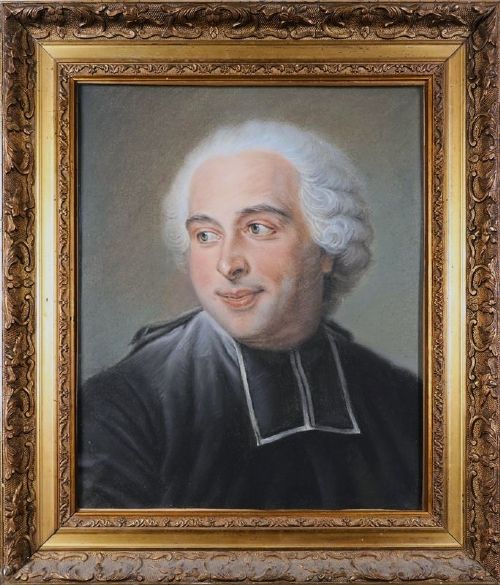
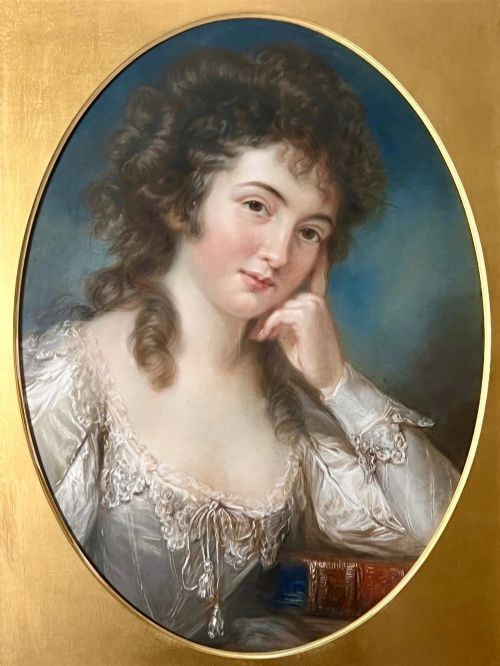
A gold framed pastel portrait presents a likeness rendered in dry colour sticks on paper, canvas, or board, held within a decorative metallic or gilt wooden border. These works span the eighteenth, nineteenth, and twentieth centuries, encompassing Georgian, Victorian, Regency, and mid-century modern aesthetic movements.
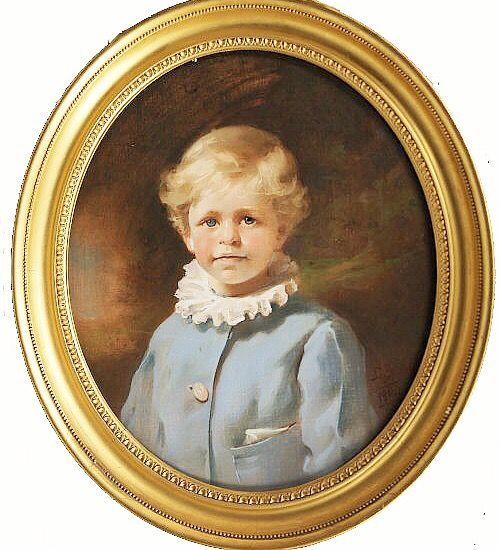
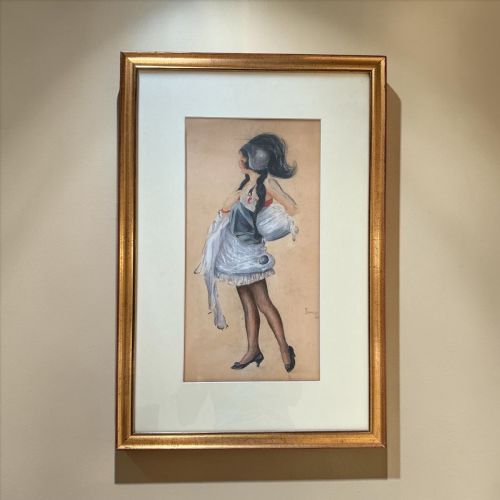
The subjects range from formally posed gentlemen and elegant young ladies to children, animals, and theatrical performers set within oval or rectangular formats. French school examples and British works by named artists appear frequently across the selection.
Buyers encounter diverse artistic approaches, from detailed miniature studies to large-scale gallery pieces executed with gouache or oil pastels. Each composition relies on the inherent softness of the medium to convey lifelike skin tones and fabric textures.
How They Were Made
Artists applied powdered pigments compressed into sticks directly onto prepared paper, canvas, or board, sometimes combining pastel with gouache or watercolour for added depth. The resulting friable marks required protective glass glazing to prevent the delicate colour particles from disturbing.
Enclosing these works involved carpentry using wood, giltwood, or gilded wood moulded into decorative profiles and finished with gold leaf. This heavy framing served both to secure the fragile drawing surface and to reflect candlelight or daylight across the room.
Listings feature works spanning from the eighteenth century through the Victorian era to mid-century modern pieces, utilising glass, pastel, paper, and giltwood.
What Varies in Quality
The finesse of the draughtsmanship and the psychological depth of the facial expression distinguish superior examples from standard works. Skilled hands capture light in the eyes and subtle shifts in complexion with remarkably few strokes.
The execution and preservation of the surrounding gilt frame also determine the overall standard. Original period moulding finished in gold leaf carries greater artistic harmony than later replacements.
James Sharples·Emily Eyres·Leon Sprinck·John Russell·J A Grant·Thomas Gainsborough·John Raphael Smith·Josiah Gilbert·Gaston Bouy·John Parry·Gerrit Schipper
The Gold Framed Pastel Portrait Glossary
- Pastel
- A dry painting medium consisting of powdered pigment and a binder rolled into sticks. It allows for immediate colour application and velvety blending.
- Giltwood
- Wood carved and coated with gold leaf or metallic powder. This material provides the traditional reflective border for fine works on paper.
- Portrait Miniature
- A small-scale likeness painted with meticulous detail. These intimate works often feature prominent subjects and fine historical framing.
- Gouache
- An opaque water-based paint frequently used alongside pastels to build solid highlights and dense background areas.
Gold Framed Pastel Portrait: Frequently Asked Questions
Where should I hang a gold framed pastel portrait?
Select an interior wall that receives indirect lighting, away from direct sunlight and radiators. Ultraviolet rays and extreme heat degrade both the delicate pastel pigments and the antique paper supports.
Stable indoor humidity prevents mould growth and keeps the wooden frame from warping or cracking over time.
How can I tell an eighteenth-century portrait from a Victorian one?
Examine the clothing, hairstyle, and framing style of the subject for period-specific indicators. Eighteenth-century sitters typically wear powdered wigs or elaborate Georgian attire, while Victorian subjects feature mid-nineteenth-century dress and heavier moulded gilt frames.
Paper quality and backing materials also offer clues, as older rag papers differ visibly from later manufactured sheets.
Why do some pastel portraits feature glass while others do not?
Glass is essential for protecting friable dry pastel pigments from being touched or displaced by air currents. Works executed in oil pastels or mixed with heavy gouache sometimes appear without glass if the binder successfully locks the pigment to the canvas or board.