


19th Century Chalk Artwork
These nineteenth century chalk artwork pieces capture expressive human portraits and quiet landscapes through delicate dry media on paper.
19th Century Chalk Artwork
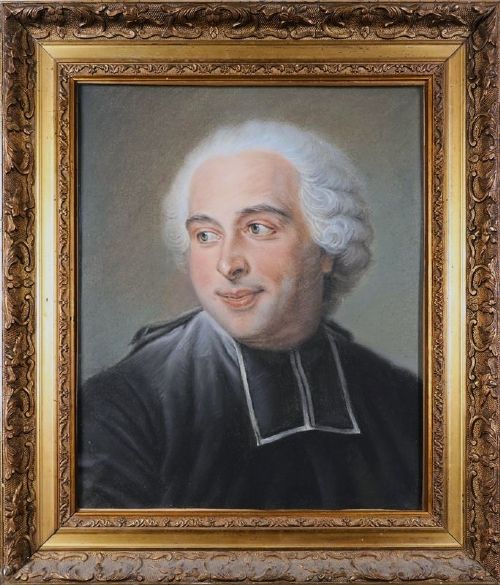
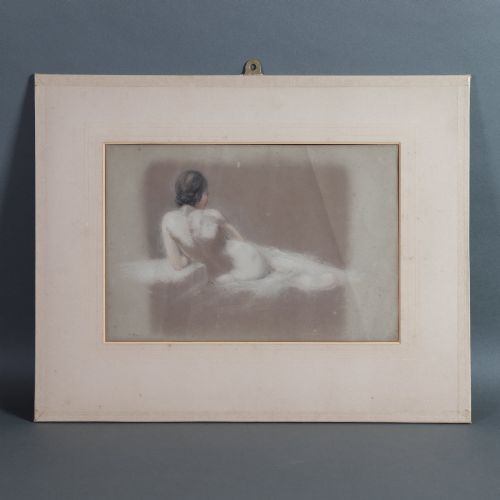
When you search for 19th century chalk artwork, you encounter delicate portrait drawings and figurative studies produced across the Victorian and Edwardian eras. These works range from academic realism to French school compositions, often capturing sitters with notable psychological depth.
You are most likely to meet portrait drawings and figure studies on toned paper, alongside occasional landscapes depicting coastal cliffs and rural ruins. The subjects span from historical figures to anonymous gentlemen and young women, preserved behind glass in period frames.
Materials and techniques
These works rely on dry media applied to paper supports, combining chalk with charcoal, graphite, pastel, and watercolour. Artists utilised toned paper surfaces to build mid-tones and highlights effectively.
Framing with glass protected the fragile pigment surfaces from smudging and environmental damage over decades. Wooden frames house these original drawings, preserving the delicate mark-making of the period.
Materials span chalk, charcoal, pastel, graphite, watercolour, paper, wood, and glass across various nineteenth-century dates.
Distinctions in quality
Condition and original context heavily influence the standing of a piece, particularly the preservation of the paper support and the integrity of the media. Works attributed to documented Royal Academicians or exhibited artists carry distinct art historical weight.
William Etty·J Bizo·Robert Faulkner·John Macallan Swan·George Richmond·Henry Bright
The 19th Century Chalk Artwork Glossary
- Chalk
- A dry drawing material made from calcareous or argillaceous earth, used extensively for sketching and finished portraits. It yields soft, matte lines well suited for blending.
- Charcoal
- A carbonaceous material produced by slowly burning wood, employed for bold outlines and deep shadows. It creates rich dark tones on paper.
- Pastel
- A powdered pigment mixed with a binder and formed into sticks, offering vibrant colour alongside chalk characteristics. It produces velvety surfaces requiring protection behind glass.
- Graphite
- A crystalline form of carbon used for fine preliminary lines and detailed tonal work. It provides precise control in nineteenth-century academic drawings.
- Academic Realism
- A style of painting and drawing produced under the influence of European academies of art. It emphasises accurate observation, traditional finish, and classical proportions.
19th Century Chalk Artwork: Frequently Asked Questions
Are these drawings original?
The listings comprise original hand-drawn works on paper, created directly by artists rather than being mechanical reproductions.
Signatures, studio stamps, and stylistic execution help verify the authenticity of each piece.
What is academic realism?
This style reflects the rigorous training standards of nineteenth-century European art academies and schools.
Works in this manner prioritize lifelike proportions, careful tonal gradation, and detailed observational study.
Why are some works on toned paper?
Artists used tinted or toned paper to establish an immediate mid-tone base for their compositions.
This technique allowed draughtsmen to apply dark chalk for shadows and white chalk for highlights with great efficiency.