



Gold Framed Oriental Painting
A gold framed oriental painting brings vibrant colour and intricate detail to a room, capturing centuries of artistic tradition in rich pigments and lustrous surrounds.
Gold Framed Oriental Painting
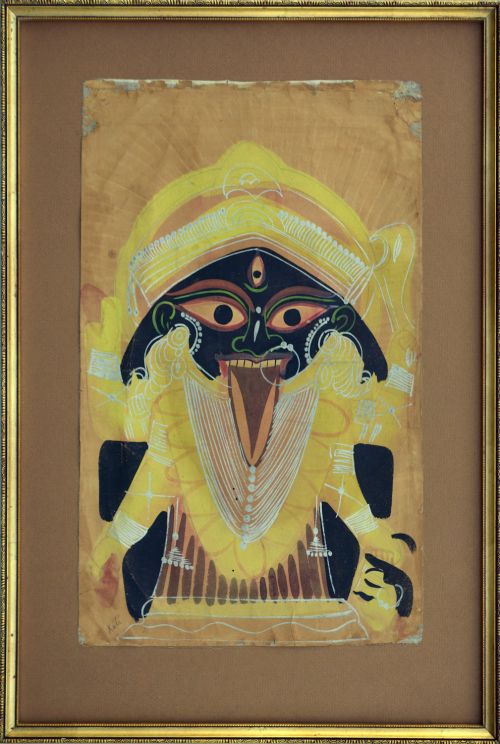
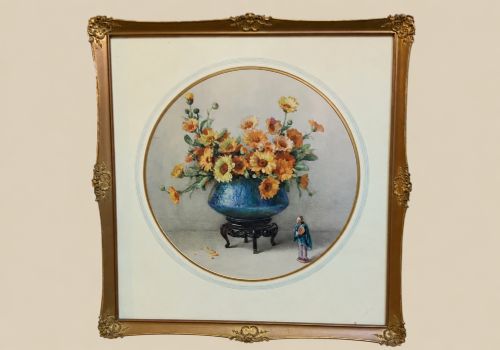
A gold framed oriental painting encompasses a diverse array of watercolours, oils, gouache and pith paintings originating from China, India and Japan alongside European interpretations in the Orientalist and Chinoiserie styles. These works span periods from the eighteenth century through to the mid twentieth century, featuring subjects such as imperial portraits, botanical studies, landscapes and ancestral scrolls.
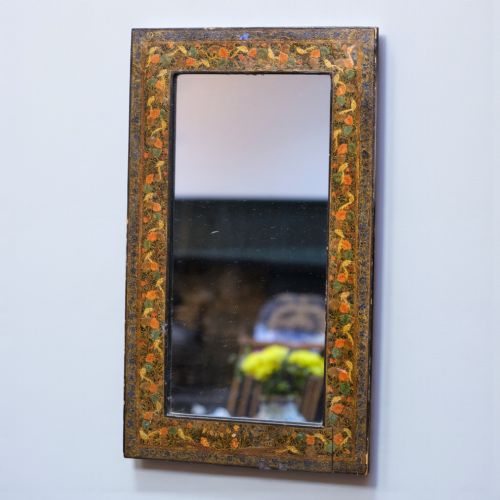
Buyers exploring this selection encounter framed artworks alongside mirror combinations and lacquered cabinets that incorporate traditional painting techniques. The pieces reflect distinct regional aesthetics, moving from delicate watercolours on paper to meticulous gouache miniatures and paintings executed on silk or glass.
Assessing craftsmanship and condition
Quality rests upon the precision of the brushwork and the preservation of the delicate pigments used on silk, paper or pith. Finer examples display remarkable clarity in facial expressions, botanical accuracy and compositional balance.
The integrity of the surrounding gilt wood or leaf frame contributes significantly to the overall presence of the piece. Hand applied gilding and stable structural joinery separate superior presentations from standard decorative items.
Gold Framed Oriental Painting Retail Price Guide 2026
Typical asking prices for gold framed oriental painting among the pieces listed under this phrase on Sellingantiques today, from the lower quarter to the upper quarter. They describe what is for sale here now, not the wider market.
Listings span from the late eighteenth century through to the mid twentieth century, featuring glass, silk, paper and gold leaf.
Frederick Goodall RA·R.A Bartlett·Richard Wilson·K. Schubert
The Gold Framed Oriental Painting Glossary
- Gouache
- An opaque water-based pigment that dries to a smooth, matte finish. It allows for rich colour saturation and precise detail in miniature paintings.
- Pith painting
- Artwork created on a fragile cellular material derived from the pith of the tetrapanax papyrifer plant. These works are noted for their velvety texture and vibrant hues.
- Chinoiserie
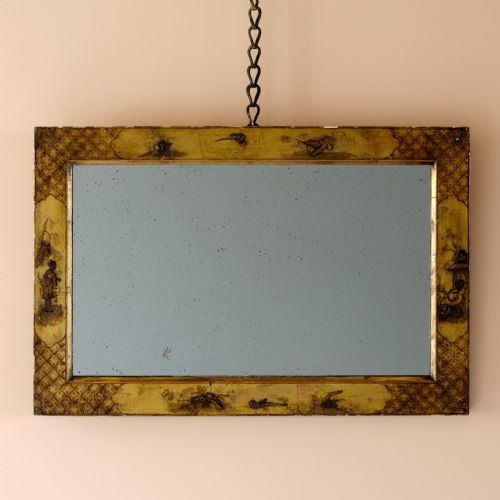
- A European artistic style reflecting Chinese motifs and decorative techniques. It frequently appears on lacquered items and gilded mirrors.
- Reverse painted mirror
- A technique where the design is painted directly onto the back of the glass panel. When viewed from the front, the image gains a reflective depth.
- Miniature painting
- A small, highly detailed work requiring immense skill and steady execution. Mughal and Indian examples often depict court scenes and historical figures.
Gold Framed Oriental Painting: Frequently Asked Questions
How do I hang a painted silk scroll?
Silk scrolls require careful handling to prevent tension damage to the delicate fabric. Use stable wall fixings and avoid hanging them in direct sunlight.
Keep the room humidity moderate to protect both the silk support and the surrounding gold leaf frame from warping.
Are pith paintings fragile?
Pith is a delicate plant-based material that responds strongly to moisture and physical pressure. These pieces remain safely preserved behind protective glass.
Limit handling strictly to framing professionals and keep the artwork away from areas prone to temperature fluctuations.
What is the difference between gouache and watercolour?
Gouache incorporates a binding agent that makes the paint opaque, allowing lighter colours to sit effectively over darker shades. Watercolours remain translucent and rely on the white of the paper for luminosity.
Both mediums appear frequently across nineteenth-century Asian and European works on this page.