



Gold Framed Miniature Art
Gold framed miniature art brings together intimate portraiture and metalwork across the Georgian, Regency, and Victorian periods.
Gold Framed Miniature Art
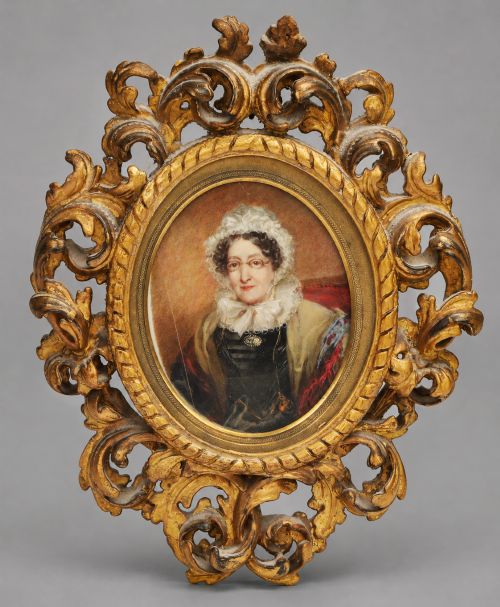
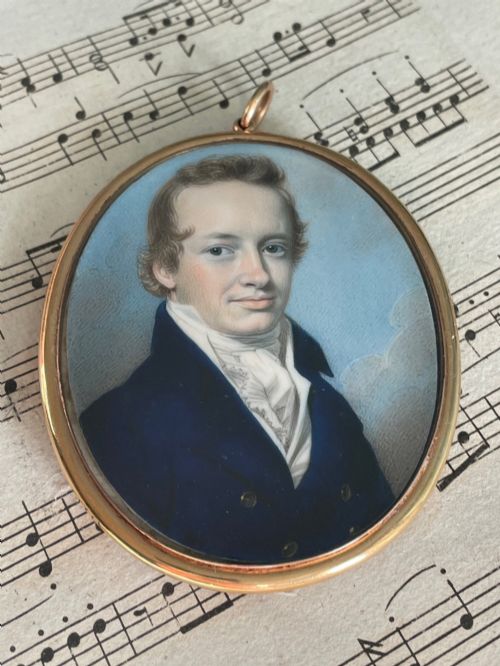
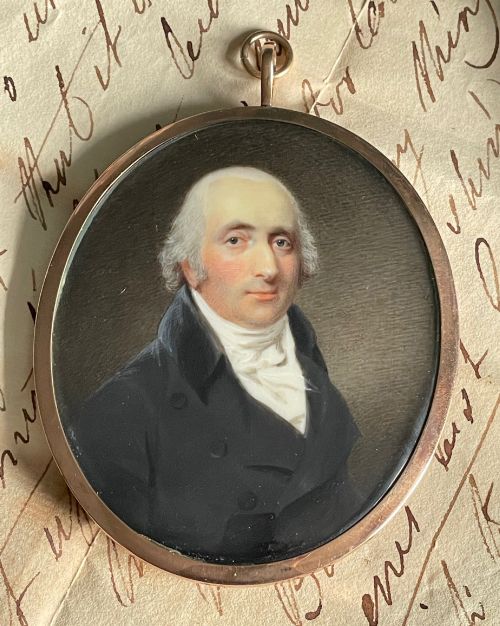
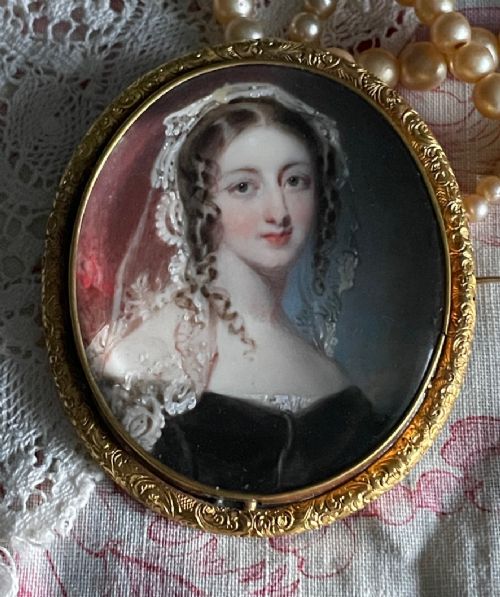
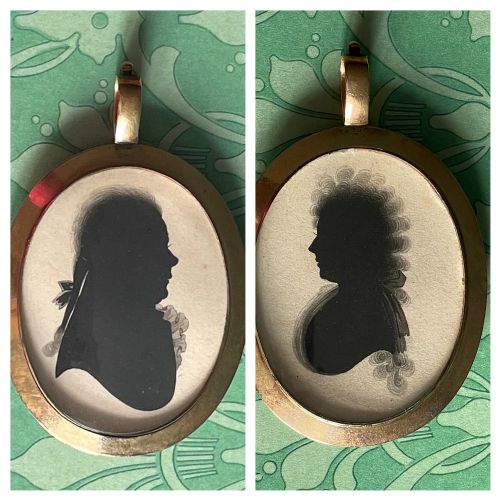
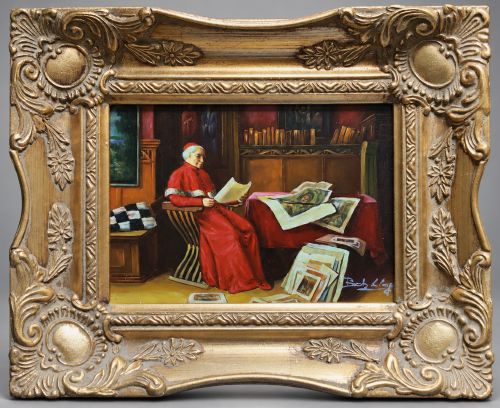
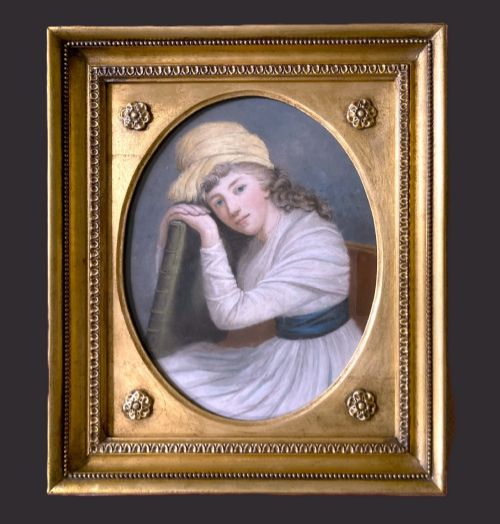
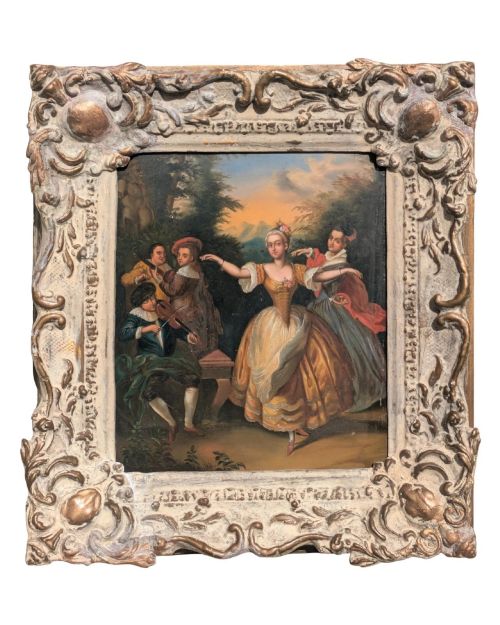
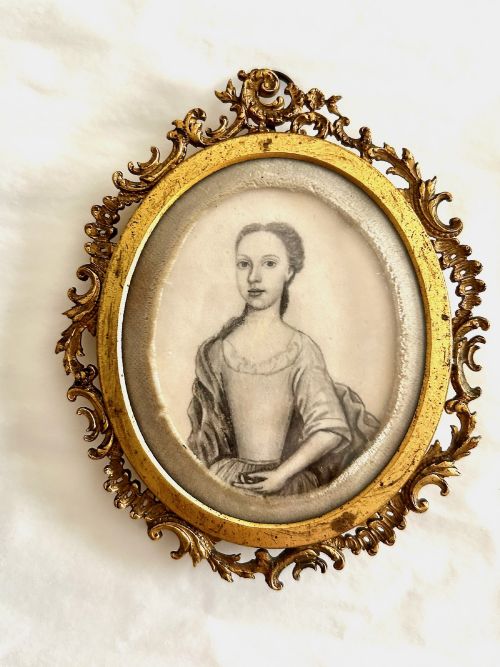
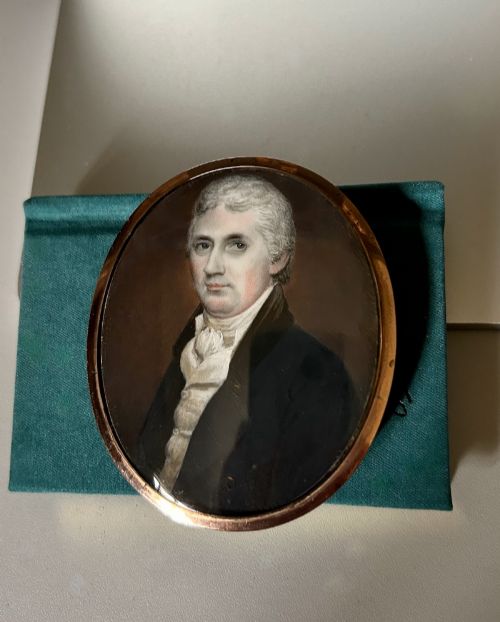
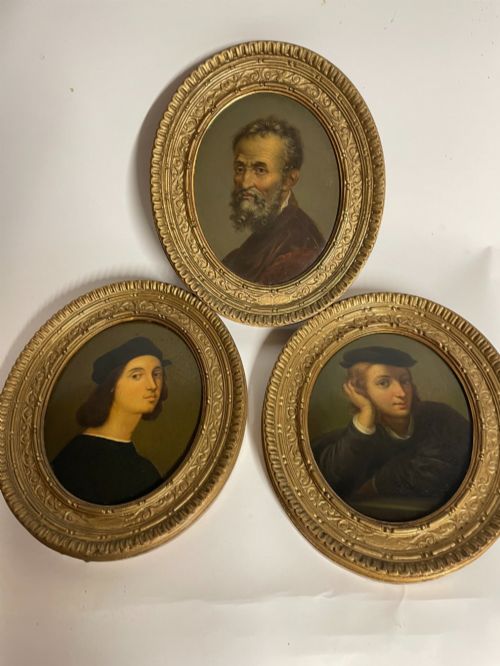
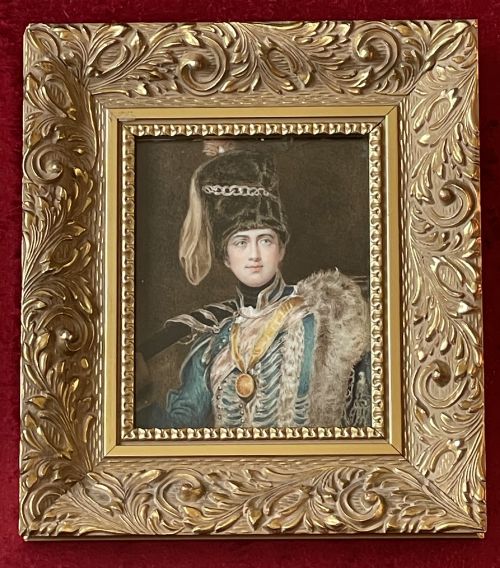
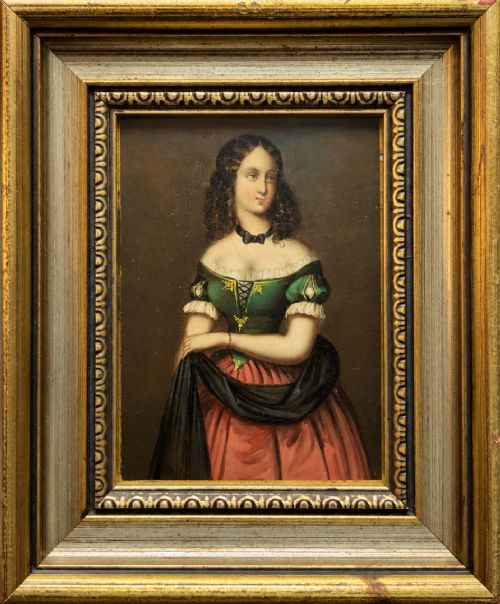
Gold framed miniature art consists of small-scale paintings, watercolours, and porcelain plaques housed in metal or gilt wooden surrounds. These pieces predominantly depict portrait subjects, ranging from 18th-century gentlemen and Victorian ladies to devotional figures.
The versions met most frequently on this page span the 18th and 19th centuries, capturing likenesses rendered in watercolour, enamel, oil, and gouache. Such works often present oval formats designed to catch the eye through restrained proportions and detailed brushwork.
Originating largely from British and European schools, these items function as portable testaments to historical portraiture. Their enclosing frames utilise gilt metal, giltwood, and gold plating to elevate the painted surface within.
Materials and Techniques
Artisans applied watercolour, oil, or enamel directly onto paper, glass, or porcelain plaque surfaces to achieve fine detail on a reduced scale. Reverse painting on glass also appears, requiring precise layering from the foreground back.
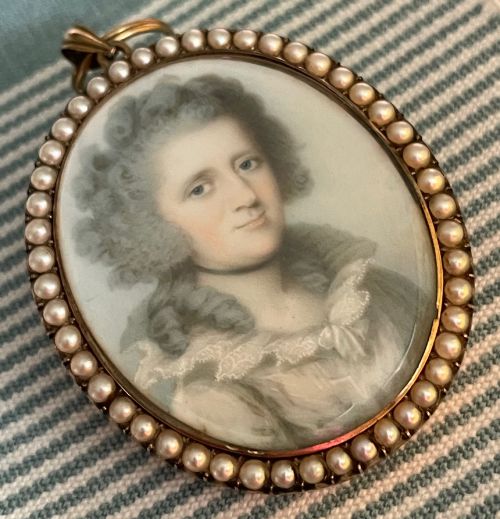
Surrounds were fashioned from gilt wood, cast gilt metal, and gold plating, often incorporating seed pearls or shadow box housings for depth. These frames protected delicate organic media while providing a reflective boundary to the imagery.
Gold Framed Miniature Art Retail Price Guide 2026
Typical asking prices for gold framed miniature art among the pieces listed under this phrase on Sellingantiques today, from the lower quarter to the upper quarter. They describe what is for sale here now, not the wider market.
Listings span the 18th century, Regency period, and Victorian era, utilising glass, watercolour, paper, and gilt metal.
Differentiating Quality
Quality rests upon the precision of the brushwork and the psychological depth captured in the sitter's expression. Master practitioners render lace, hair, and textiles with a clarity that distinguishes professional portraiture from standard output.
The construction of the enclosure holds equal weight, where heavier cast metal surrounds, original gilding, and integrated convex glass indicate higher workshop standards. Lesser examples rely on simpler wooden housings or later replacements.
James Ferguson·Anna Tonelli·Frederick Buck·Horace Hone·Charles Shirreff·Richard Cosway·Charles Hayter·Christian Friedrich Zincke·William Naish
The Gold Framed Miniature Art Glossary
- Portrait miniature
- A small-scale painting executed with fine detail, commonly depicting a specific individual. These works were often intended to be worn or kept in private domestic spaces.
- Gilt metal
- Metal that has been treated with a thin layer of gold leaf or gilding wash. This material provided a durable, bright border for intimate artworks without the cost of solid gold.
- Porcelain plaque
- A flat ceramic tablet fired and painted with enamel colours. They offered a smooth, stable ground for meticulous miniature compositions.
- Reverse painting on glass
- A technique where the artist paints directly onto the back of a glass panel, viewing the finished image through the front. This method imparts a distinct glossy finish to the work.
- Enamel portrait
- A painting fused to a metal base through high-temperature firing. This medium preserved pigment vibrancy over generations.
Gold Framed Miniature Art: Frequently Asked Questions
How were these miniature portraits displayed?
These small artworks were designed to sit on mantelpieces, hang in intimate parlour spaces, or travel within personal carrying cases. Their compact dimensions allowed owners to keep likenesses of family members close at hand.
Many incorporated suspension loops or small stands to facilitate placement on walls or tabletops within domestic interiors.
What materials make up the frames?
Frames typically utilise gilt wood, cast gilt metal, or gold plating over base metals. Some examples incorporate decorative elements like seed pearls to enhance the border.
Glass fronts protect the delicate painted surfaces of watercolours and paper works from atmospheric dust and moisture.
How can I tell an 18th-century piece from a Victorian one?
Eighteenth-century pieces often feature the powdered hair, lace stocks, and costume details characteristic of the Georgian era. Portrait styles and framing techniques shifted as tastes evolved into the Regency and Victorian periods.
Examining the backing materials, pigments, and handwritten inscriptions on the reverse often clarifies the date of execution.
Are these works signed by the artists?
Some miniatures bear artist signatures or attributions on the painted surface or the backing paper. Unsigned works frequently reflect distinct regional schools or standard workshop practices of their decade.
Attribution relies on stylistic comparison with documented works by known miniaturists of the period.