
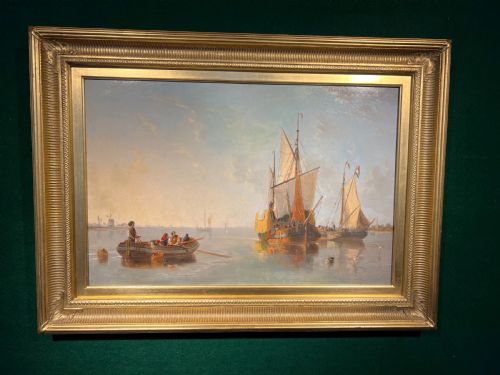
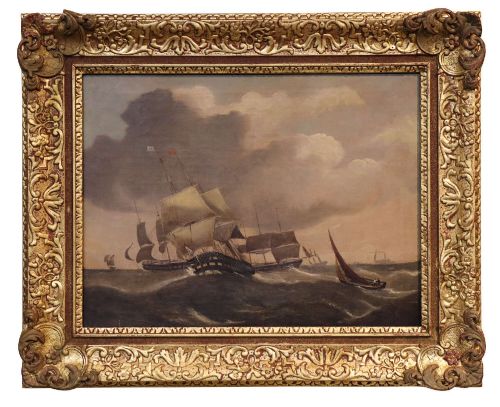
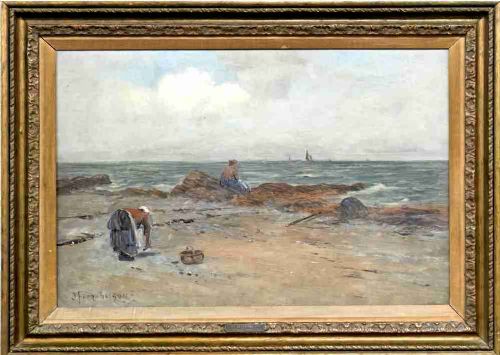
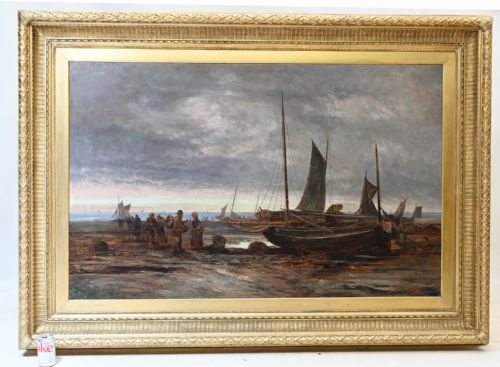

Gold Framed Maritime Picture
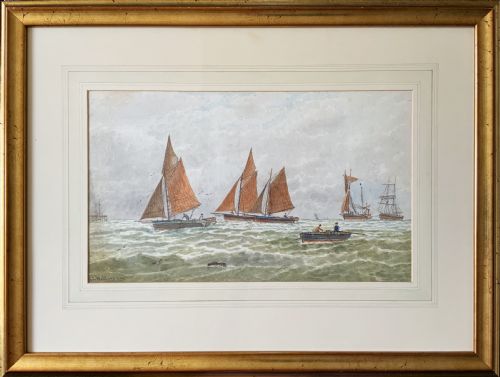
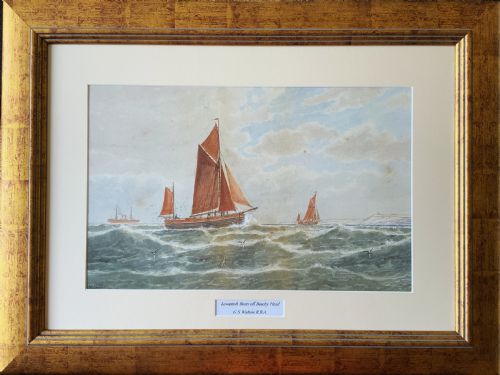
A gold framed maritime picture brings coastal weather, merchant galleons, and quiet harbours directly into a room through nineteenth-century and early twentieth-century brushwork.
Gold Framed Maritime Picture
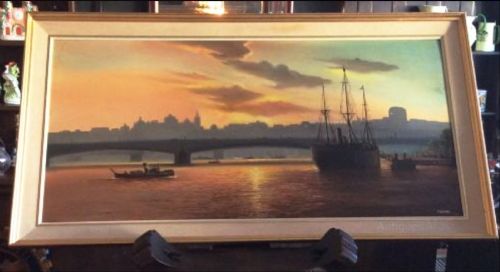
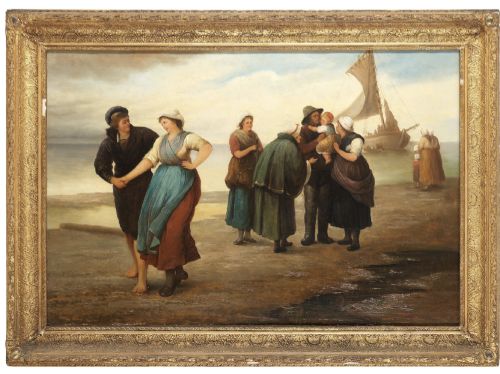
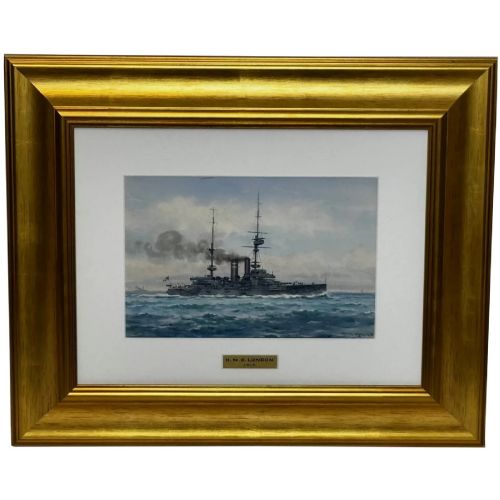
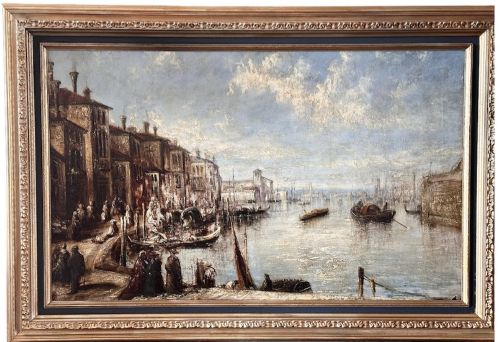
A gold framed maritime picture encompasses oil paintings, watercolours, and mixed media works focusing on ships, coastlines, and open water. The selection spans the nineteenth century through the mid-twentieth century, capturing everything from turbulent seas in heavy weather to tranquil Venetian lagoons.
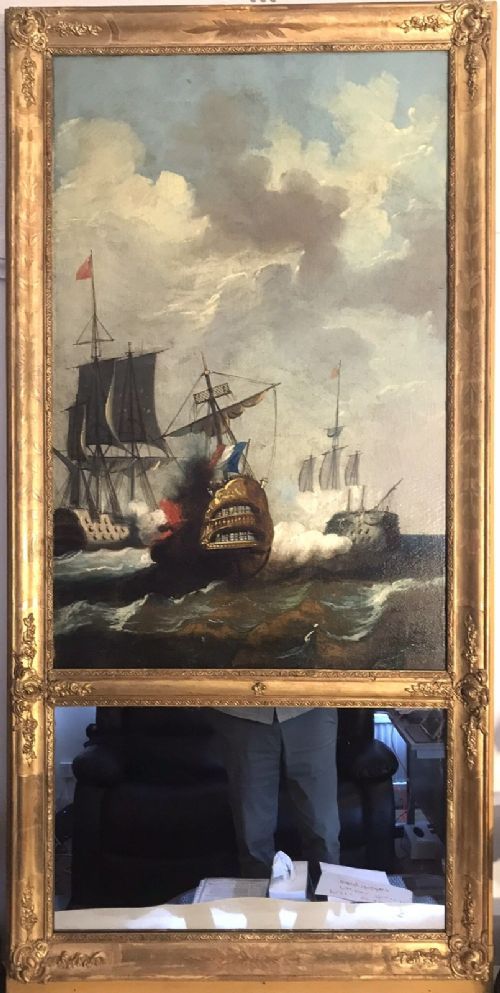
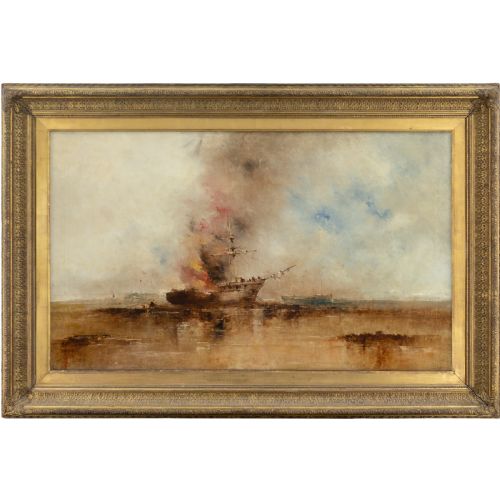
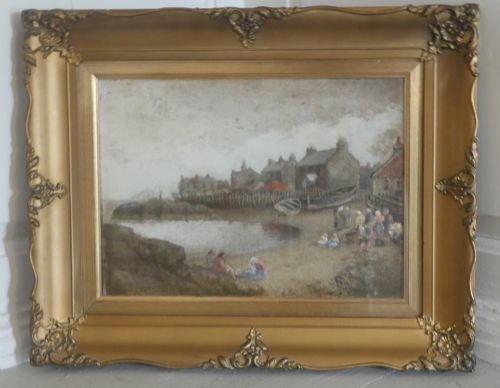
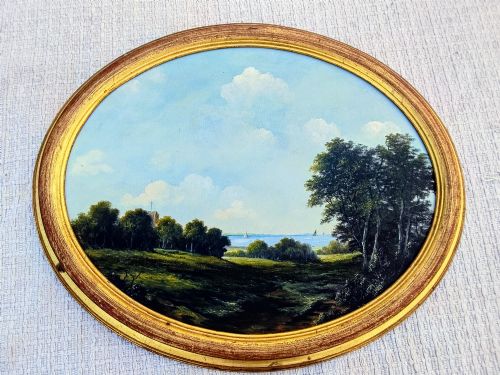
Buyers commonly encounter Victorian oil on canvas works housed in heavy gilt wood frames, alongside Edwardian watercolours and French trumeau mirrors incorporating seascape panels. These pieces range from intimate oval sea views to large scale panoramas depicting domestic ports and foreign waters.
How they were made
These works rely on traditional painting media including oil on canvas and delicate watercolour on paper, shaped by artists working both in coastal plein air settings and urban studios. Canvases are stretched over wood frames and set inside ornate gilt wood or gesso frames that reflect the decorative tastes of the period.
Maritime subjects demand precise handling of light on water and atmospheric perspective, achieved through layered brushwork and subtle colour glazing. Frame construction utilises carved wood finished with gold leaf or metallic gilt, providing a robust architectural boundary for the maritime scene within.
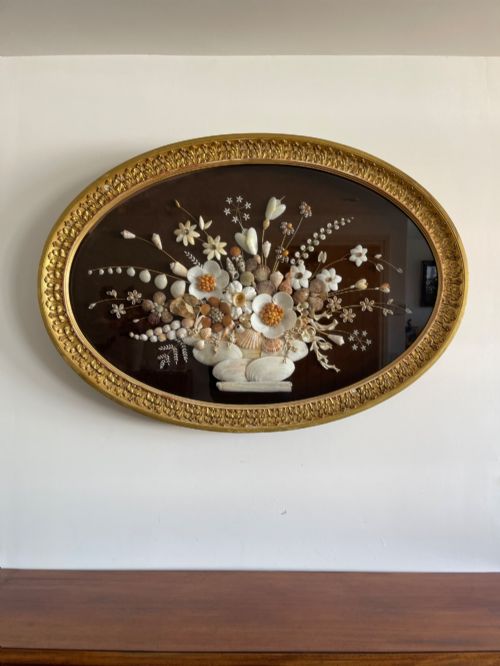
Among the rolling waves and merchant ships, a solitary nineteenth-century shellwork picture records intricate coastal handcraft in three dimensions.
What varies in quality
Quality rests in the artist's command of marine anatomy, atmospheric depth, and the convincing movement of water against hull and shore. Superior examples capture the specific weight of maritime atmosphere and architectural precision in vessels, whereas lesser works rely on formulaic waves and generic coastal backdrops.
The relationship between the painting and its gold frame heavily influences the overall calibre of the piece. Original or period-matched gilt wood frames that complement the scale and tonal range of the canvas elevate the entire object.
Edward Mills·Frank Watson Wood·Francis Moltino·John Wilson Carmichael·Joseph Farquharson·George Stanfield Walters·Charles William Wyllie·Charles Napier Hemy·Gustave De Bréanski·Fred Waugh·F J Aldridge·T.S. Wallis·James Webb·Jane Vivian·William Raymond Dommersen·Alfred Henry Vickers·George Henry Knight·E Tucker
The Gold Framed Maritime Picture Glossary
- Giltwood
- Wood carved and coated with gold leaf or gold paint. This finish creates the characteristic bright metallic border found around period paintings and mirrors.
- Trumeau
- A decorative wall mirror featuring an oil painting set into the upper section above the glass plate. These French pieces combine functional glass with maritime or pastoral art.
- Seascape
- A work of art depicting the sea, coastal views, ships, or marine engagements. The genre focuses primarily on water and maritime activity.
- Watercolour
- A painting method in which the paints are made of pigments suspended in a water-based solution. Artists use this medium on paper to capture translucent effects of light and sea spray.
- Provenance
- The chronological history of the ownership of a work of art. Documented origin helps establish authenticity and historical context for antique paintings.
Gold Framed Maritime Picture: Frequently Asked Questions
How do I clean a gilt wood frame?
Dust the carved surfaces gently with a soft, dry brush to remove particles without disturbing the gold leaf. Avoid liquid cleaners and chemical solvents entirely, as moisture strips historic gilding.
For stubborn grime, consult a professional conservator rather than attempting aggressive cleaning at home. Preserving the original surface finish maintains the historic character of the frame.
Where should I hang a maritime painting?
Select an interior wall with stable temperature and humidity away from direct sunlight and heat sources. Canvas and paper are sensitive to environmental shifts, so stable conditions prevent cracking and fading.
Ensure the hanging height places the centre of the picture at eye level for optimal viewing. Adequate wall space allows heavy gilt frames to sit comfortably without crowding adjacent furniture.
How do I identify a Victorian oil painting?
Examine the back of the canvas for period stretcher bars, artist stamps, and handwritten inscriptions indicating titles or dates. Victorian works frequently utilise dense linen canvas and heavier pigment loads compared to later periods.
The style of the gilt frame often provides a reliable date matching the era of the canvas. Subject matter focusing on industrial shipping, naval expansion, or dramatic coastal shipwrecks also points toward the nineteenth century.
What is a trumeau mirror?
A trumeau is an antique wall mirror designed with an integrated painted panel positioned directly above the glass plate. Originating in French interior design, these pieces served as permanent architectural decorations over mantelpieces.
The upper painting typically depicts a pastoral or maritime scene enclosed within decorative woodwork moulding. This dual format combined functional mirrored glass with fine art into a single wall hanging.