



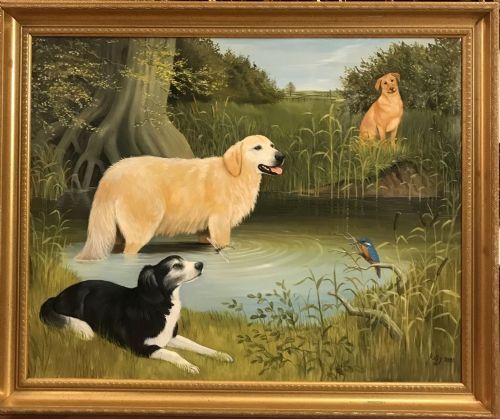


Gold Frame Dog Portrait
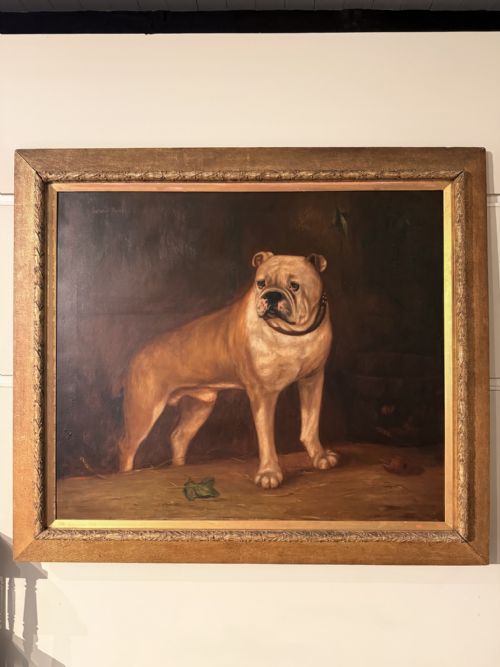
A gold frame dog portrait brings the character of nineteenth-century sporting and domestic animals directly onto the wall in oil and canvas.
Gold Frame Dog Portrait
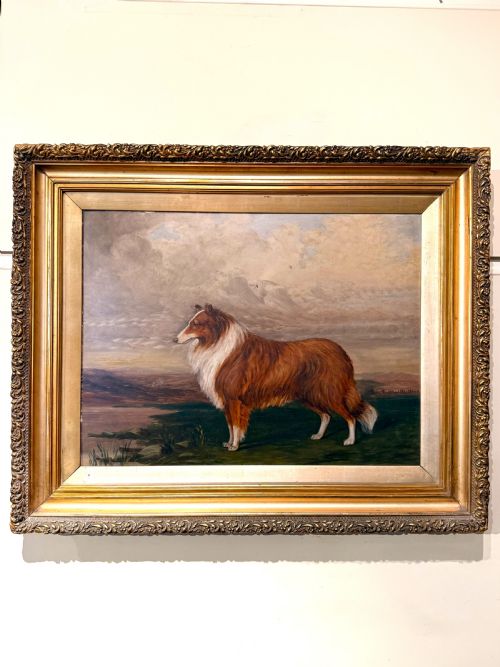
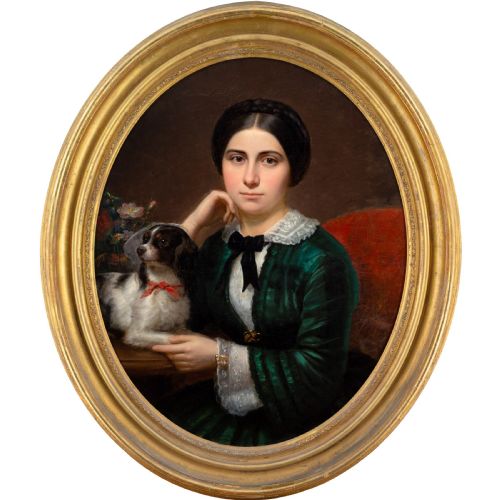
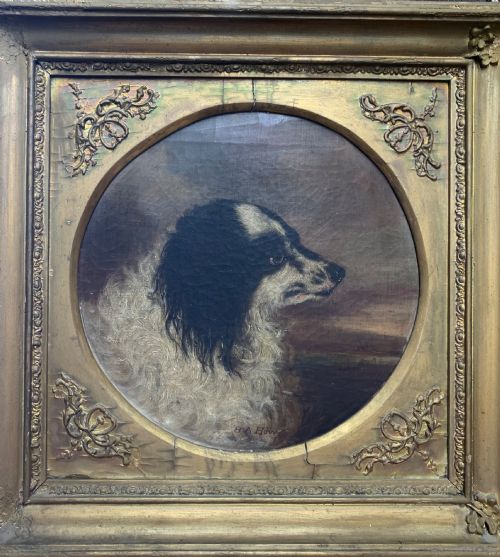
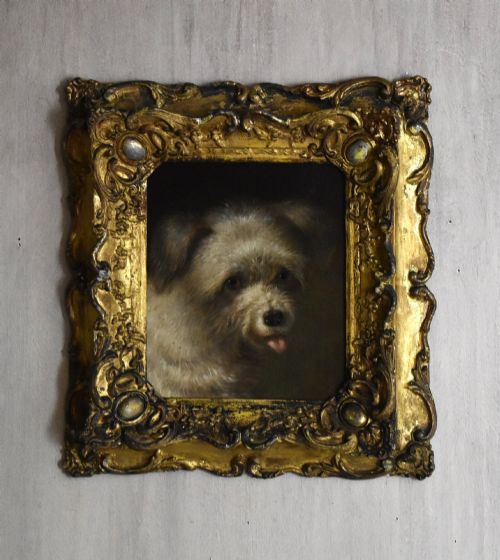
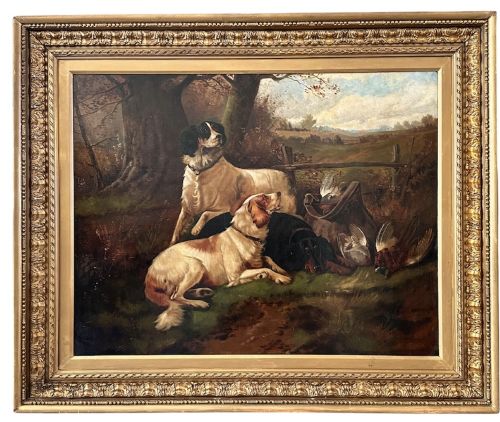
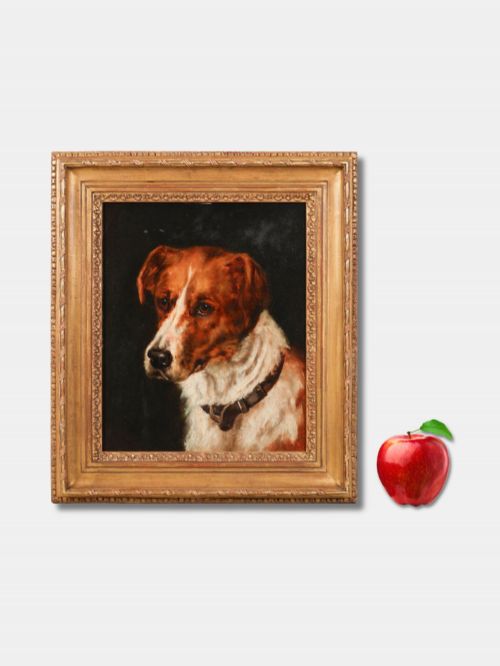
When you search for a gold frame dog portrait, you encounter oil paintings, waterboards, and framed prints capturing spaniels, terriers, and hounds from the eighteenth, nineteenth, and early twentieth centuries. The most common survivals on this page are nineteenth-century oil paintings on canvas or board, depicting individual animals or gun dogs in landscapes.
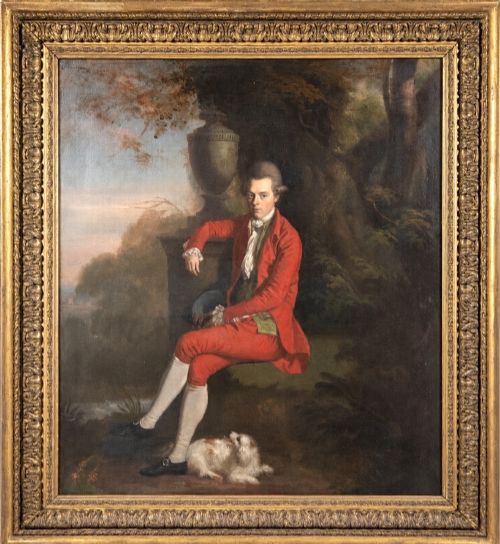
Many of these works emerge from the Victorian and Edwardian eras, reflecting a period when canine portraiture became a prominent part of sporting art and domestic display. Pieces range from intimate oval studies of single terriers to large canvases recording prized hounds, working gun dogs, and family pets alongside their owners.
Materials and construction
These works rely on oil paint applied to canvas, wood panels, or board, often finished with varnishes that have deepened over the decades into rich amber tones. The surrounding frames utilise carved wood, gesso, and gold leaf or gilt finishes, sometimes featuring heavy swept rococo moulding.
Painters built up the subjects through layered brushwork to capture the texture of coats, from the smooth hair of pointers to the shaggy fur of rough collies. Gilding on the frames was applied over prepared gesso grounds, creating the metallic brilliance that contrasts with the dark backgrounds of traditional portraiture.
Gold Frame Dog Portrait Retail Price Guide 2026
Typical asking prices for gold frame dog portrait among the pieces listed under this phrase on Sellingantiques today, from the lower quarter to the upper quarter. They describe what is for sale here now, not the wider market.
Listings feature works spanning the eighteenth, nineteenth, and twentieth centuries, executed in oil on canvas, board, and watercolor.
What separates the finest examples
Quality in a gold frame dog portrait rests on the anatomical accuracy of the animal, the expressiveness in the eyes, and the handling of the surrounding landscape or interior. Master painters captured posture and disposition with precision, whereas lesser works result in stiff, generic silhouettes that lack individual character.
The integrity of the frame also influences the piece, with original gilded wood and untouched period leaf holding greater harmony with the canvas than later replacements. The preservation of the original paint surface, free from heavy overpainting or stabilization patches, marks the distinction between standard decorative pictures and accomplished fine art.
Valentine T Garland·Martin Theodore Ward·John Sargent Noble·John Frederick Herring Senior·William Barraud·Colin Graeme Roe·John Trivett Nettleship·Henri Schouten
The Gold Frame Dog Portrait Glossary
- Giltwood
- Wood carved and coated with gold leaf or metallic powder to create a bright, reflective surface. This finish defines the traditional housings for nineteenth-century canvases.
- Oil on Canvas
- Pigment mixed with drying oils applied to stretched woven fabric. This medium allowed artists to build rich textures and deep tones for animal portraits.
- Sporting Art
- Genre of painting dedicated to hunting, shooting, horses, and dogs. These works record prized packs, gun dogs in the field, and working animals.
- Gesso
- Plaster-like mixture applied to wood frames as a smooth base for subsequent gilding. It enables crisp carved details beneath the gold leaf.
Gold Frame Dog Portrait: Frequently Asked Questions
How do I date a dog portrait?
Dating relies primarily on the style of the clothing in any human figures, the stretcher construction of the canvas, and the framing techniques characteristic of specific decades.
Signatures, inscriptions on the reverse, and the artist's recorded working dates provide the most precise chronological markers for these paintings.
Are these paintings original works?
The majority of pieces listed are original oil paintings on canvas or board created by period artists, though the selection also includes period prints.
Catalogue descriptions specify whether a work is a unique painted creation or a later reproduction print housed in a period frame.
How should I hang and light them?
These portraits require stable wall environments away from direct sunlight and excessive humidity to protect both the oil pigments and the wooden frames.
Directional picture lights set at a low wattage help illuminate the dark varnishes typical of nineteenth-century canvases without generating damaging heat.
Why are some dogs shown in landscapes?
Sporting and working dogs were traditionally painted in natural outdoor settings that reflected their specific roles in hunting, shooting, and estate management.
Landscapes provided artists with an opportunity to demonstrate their skill with natural light, foliage, and skies while anchoring the animal in its working context.