


Gold Filled Chain
These gold filled chain pieces are durable wearable links of the early twentieth century that offer the rich gleam of solid metal without the immense cost.
Gold Filled Chain
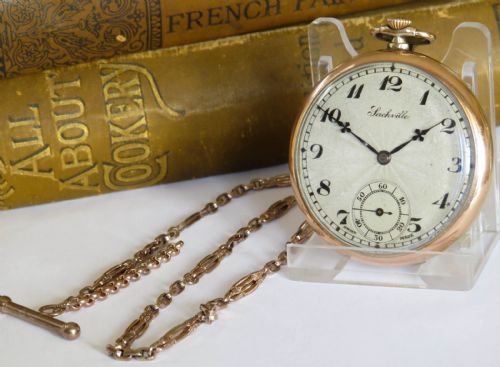
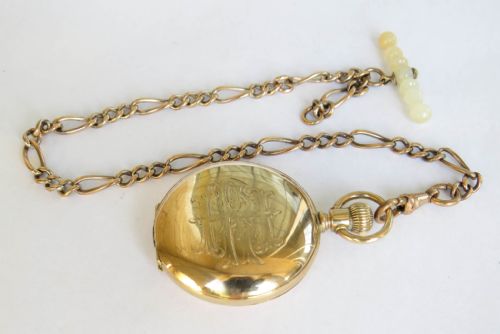
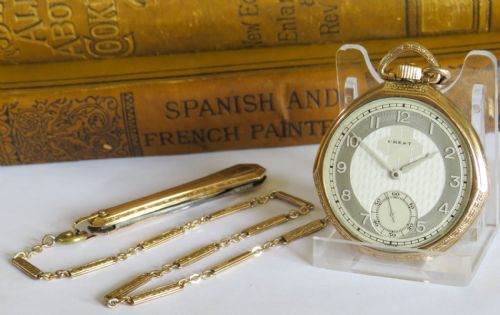
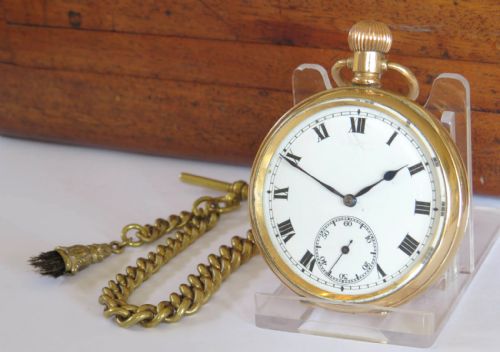
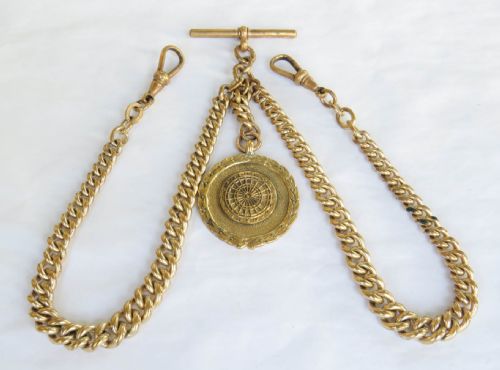
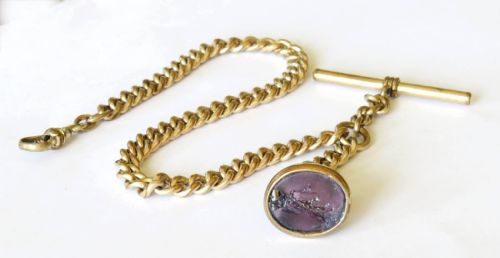
When you search for gold filled chain, you find robust wearable ornaments spanning the Edwardian era through the mid-century decades. These items most frequently appear as double watch chains, pocket watch chains, and fancy gate bracelets, often paired with intaglio fobs or heart padlocks.
The objects stem from periods including the 1900s, 1910s, 1920s, 1930s, and 1960s. Victorian, Edwardian, Art Deco, and Mid-Century styles dominate the forms, reflecting changing tastes in adornment across those decades.
How they were made
These items rely on rolled gold, gold plate, and gold filled techniques over base metal cores, supplemented by occasional steel components. Artisans fused thin sheets of gold to base metal substrates through heat and pressure, producing resilient links that withstand daily wear.
Surface ornamentation involved floral engraving, enamel detailing, and glass inserts, while mechanisms like heart padlocks and spring rings provided secure fastening. Watch chains frequently incorporated swivel clasps and T-bars designed to anchor pocket timepieces securely to a waistcoat.
Some chains come paired with hay making intaglio fobs, proving that even agricultural tasks once demanded high style.
What varies in quality
Quality rests upon the thickness of the gold layer and the crispness of any hand-engraved floral motifs. Thicker rolled gold applications resist base metal show-through far better over decades of handling.
The integrity of mechanical links, swivel clasps, and associated fobs dictates the overall standard. Pieces retaining their original components and crisp surface patterns represent the finer end of the surviving selection.
Tavannes·Elgin·Pioneer·Sackville
The Gold Filled Chain Glossary
- Gold filled
- A composite material where a substantial layer of gold is mechanically bonded to a base metal core. This method ensures a thick and durable gold surface compared to simple electroplating.
- Rolled gold
- A closely related technique to gold filling, often associated with British manufacturing standards of the early twentieth century. It provides a reliable and durable layer of gold over metal.
- Albert chain
- A watch chain designed to attach a pocket watch to a garment buttonhole or pocket, named after Prince Albert. Double versions feature two distinct strands meeting at a central T-bar.
- Intaglio
- A gem or glass seal carved beneath the surface so that a raised impression is left when pressed into hot wax. These were frequently suspended as fobs from watch chains.
- Gate bracelet
- A flexible bracelet constructed from numerous parallel metal links joined by vertical connector bars, resembling a traditional gate. They often fasten with an engraved padlock clasp.
Gold Filled Chain: Frequently Asked Questions
What is a gold filled chain?
A gold filled chain consists of a base metal core encased in a mechanically bonded layer of gold. This construction provides the appearance and durability of solid gold at a different scale.
Such chains were widely produced during the late nineteenth and early twentieth centuries for functional and decorative daily wear.
How do I wear a watch chain today?
Watch chains can be worn as traditional necklaces by securing the clasps together, or wrapped around the wrist as a substantial multi-strand bracelet. The T-bar and swivel clasps offer creative attachment points for pendants and charms.
Alternatively, they can be styled on a lapel or looped through belt loops for a distinct historical accent.
What is an albert chain?
An albert chain is a specific style of pocket watch chain featuring a T-bar at the centre and one or two hanging strands. The T-bar slipped through a waistcoat buttonhole while the watch sat safely in the pocket.
Double albert chains feature two primary strands dropping from the central bar, often supporting a decorative fob or drop.
How do I date these chains?
Dating relies on stylistic markers, clasp types, and accompanying components such as pocket watches or engraved fobs. Edwardian pieces often display delicate openwork, while Art Deco items favour geometric precision.
Makers' marks and stamps indicating rolled gold standards also help narrow down the decade of production.