

Antique Pocketwatch Chain
An antique pocketwatch chain is a wearable link to an era of precision, securing timepieces or adapting as necklaces and bracelets.
Antique Pocketwatch Chain
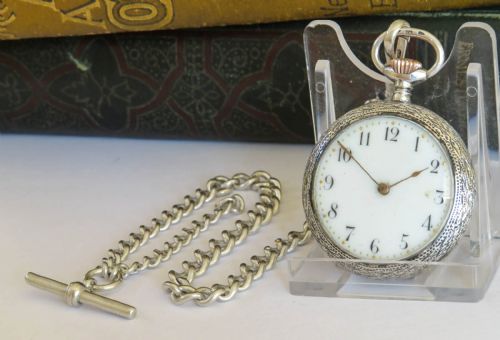
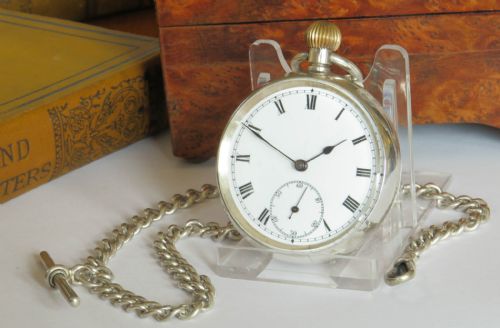
An antique pocketwatch chain connects a timepiece to a waistcoat or jacket buttonhole, though many examples now function purely as necklaces or bracelets. The selection on this page ranges from the late Victorian era through the Edwardian period and into the 1920s and 1930s.
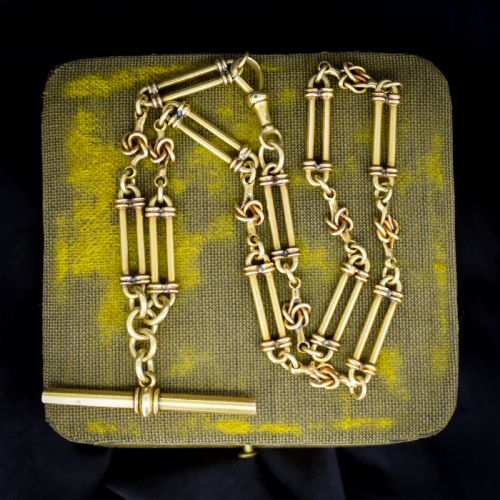
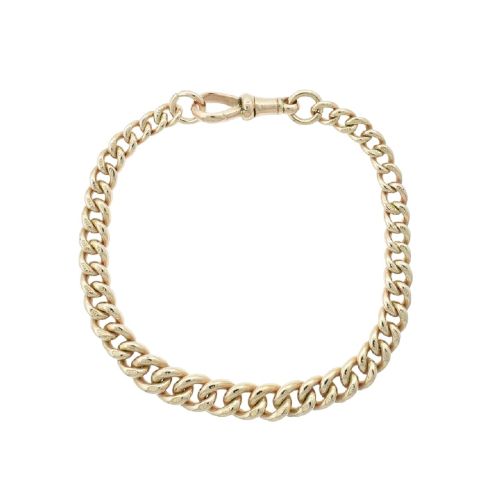
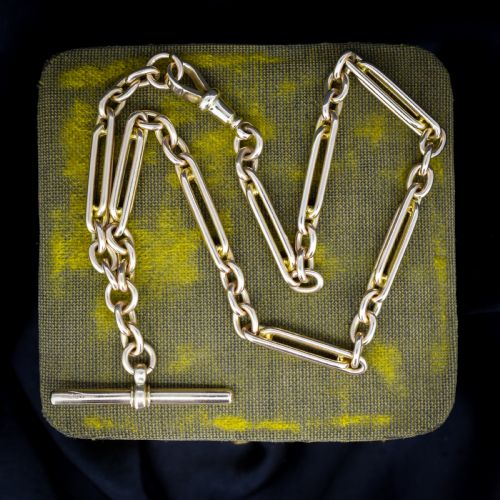
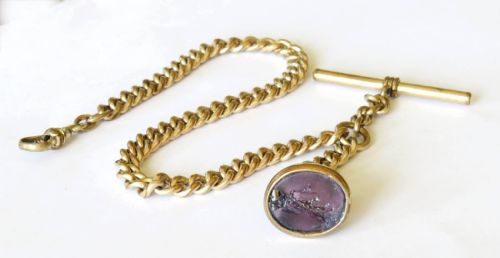
Forms include Albert chains, trombone links, love knots, and graduated bracelets, sometimes accompanied by fobs such as intaglios. Materials span silver, gold filled, rolled gold, steel, and higher purities including nine carat, ten carat, and eighteen carat yellow and rose gold.
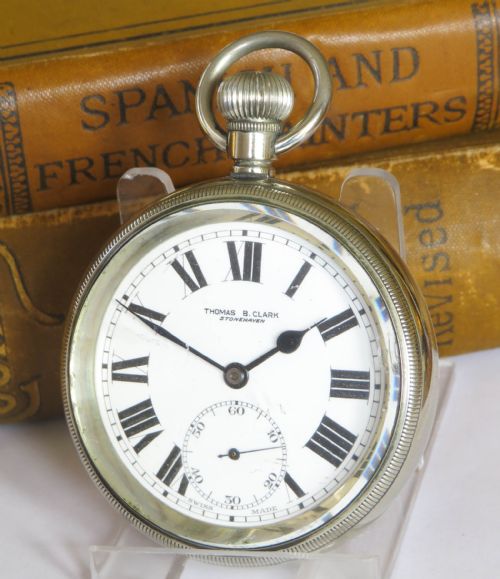
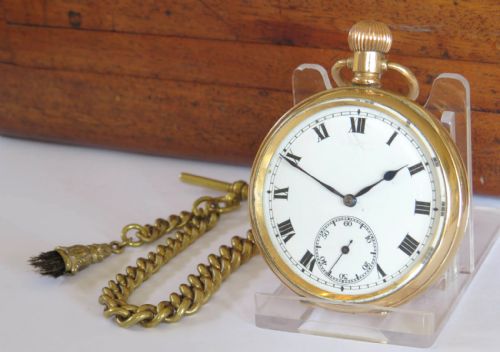
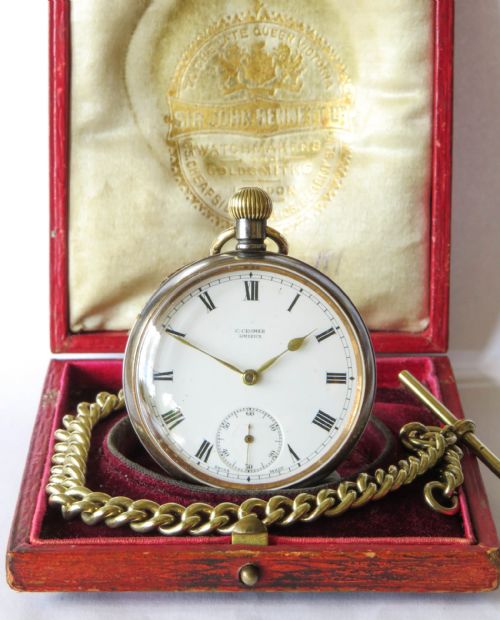
Makers and brands appearing alongside these pieces include Waltham, Revue, Syren, Omega, Swiss makers, and Electa. Buyers encounter both complete watch and chain sets and standalone chains suited for modern personal adornment.
How they were made
Goldsmiths and silversmiths utilised solid precious metals like silver, eighteen carat gold, and ten carat yellow gold, alongside more accessible alternatives such as rolled gold and steel. Hallmarking occurs frequently on links from the Edwardian period, confirming metal standards.
Construction techniques involve interlocking specialised link formats such as trombone bars and oval rings, interspersed with decorative elements like love knots. Enamel and glass details occasionally enrich accompanying fobs or related pocket watches.
Periods represented span from late Victorian and Edwardian eras through the 1920s and 1930s.
What varies in quality
Quality rests upon the integrity of the individual links and the consistency of the metal across the entire length. Hallmarking on every link, as seen in certain Edwardian examples, indicates superior manufacture and higher original cost.
The presence of distinct link patterns, such as alternating trombone bars with love knots, elevates the visual interest compared to simpler uniform chains. Inclusion of original components like intaglio fobs or paired branded pocket watches adds substantially to the character of the piece.
The Antique Pocketwatch Chain Glossary
- Albert chain
- A traditional watch chain designed to secure a pocket watch through a waistcoat buttonhole, featuring a T-bar at one end. Many survive today converted into necklaces or wrapped as bracelets.
- Trombone link
- A type of watch chain link shaped like a miniature musical trombone, alternating long rectangular bars with smaller connecting rings. This style provides structural strength and distinctive visual rhythm.
- Love knot
- A decorative motif formed by intertwined strands of metal representing affection and connection. These appear as central junctions within Victorian and Edwardian chains.
- Graduated
- Describing a chain whose links increase in size progressively toward the centre. This design creates a balanced drape when worn around the neck or wrist.
- Rolled gold
- A material made by mechanically bonding a layer of gold to a base metal core. It offers the appearance and durability of solid gold without the equivalent weight and cost.
Antique Pocketwatch Chain: Frequently Asked Questions
Can I wear a pocketwatch chain as a necklace?
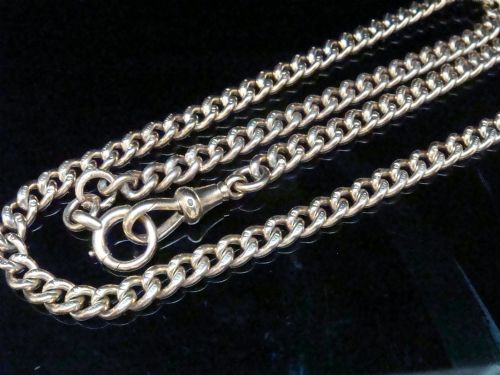
Many antique chains match modern necklace lengths, such as seventeen inches, allowing direct wear around the neck. Removing any attached watch or T-bar is unnecessary for this styling.
Heavier specimens with secure clasps or spring rings adapt well to daily rotation. Their historic links provide a distinct texture compared to modern manufactured chains.
What is an Albert chain?
An Albert chain is a specific style of pocket watch chain popularized during the Victorian period. It typically includes a T-bar that slips through a garment buttonhole to anchor the chain securely.
Double Albert variations feature two strands meeting at a central drop for a fob. Single versions connect directly from pocket to buttonhole.
How do I care for antique gold and silver chains?
Gentle cleaning with a soft cloth preserves the historic metal surface and any aged patina. Avoid harsh chemical dips that strip character from precious metals.
Store chains flat or hung carefully to prevent kinks in intricate link assemblies like trombone or love knot patterns. Regular checks on spring clasps ensure safe daily wear.
What periods do these chains come from?
The pieces span from the late nineteenth century through the Edwardian era, extending into the 1920s and 1930s. Victorian examples often showcase robust silver or yellow gold construction.
Later items from the Art Deco period reflect changing geometric tastes and incorporate brands like Omega or Revue alongside watches. Each decade brings distinct link geometry and metal purities.