

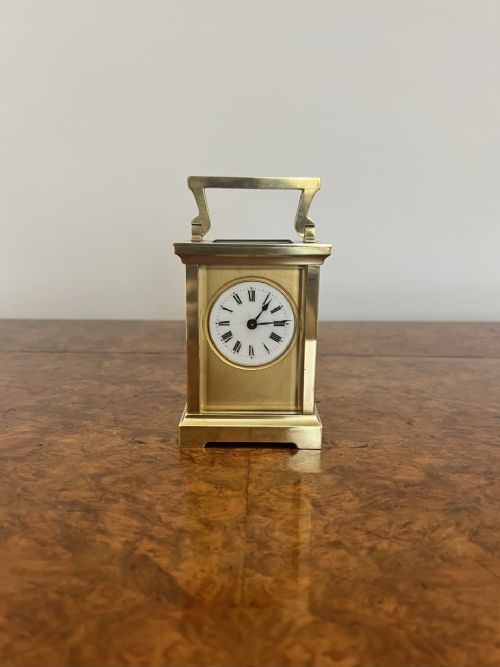


Gold Enamel Travel Clock
A gold enamel travel clock combines precise horology with portable luxury, serving as a sophisticated companion for the discerning traveller.
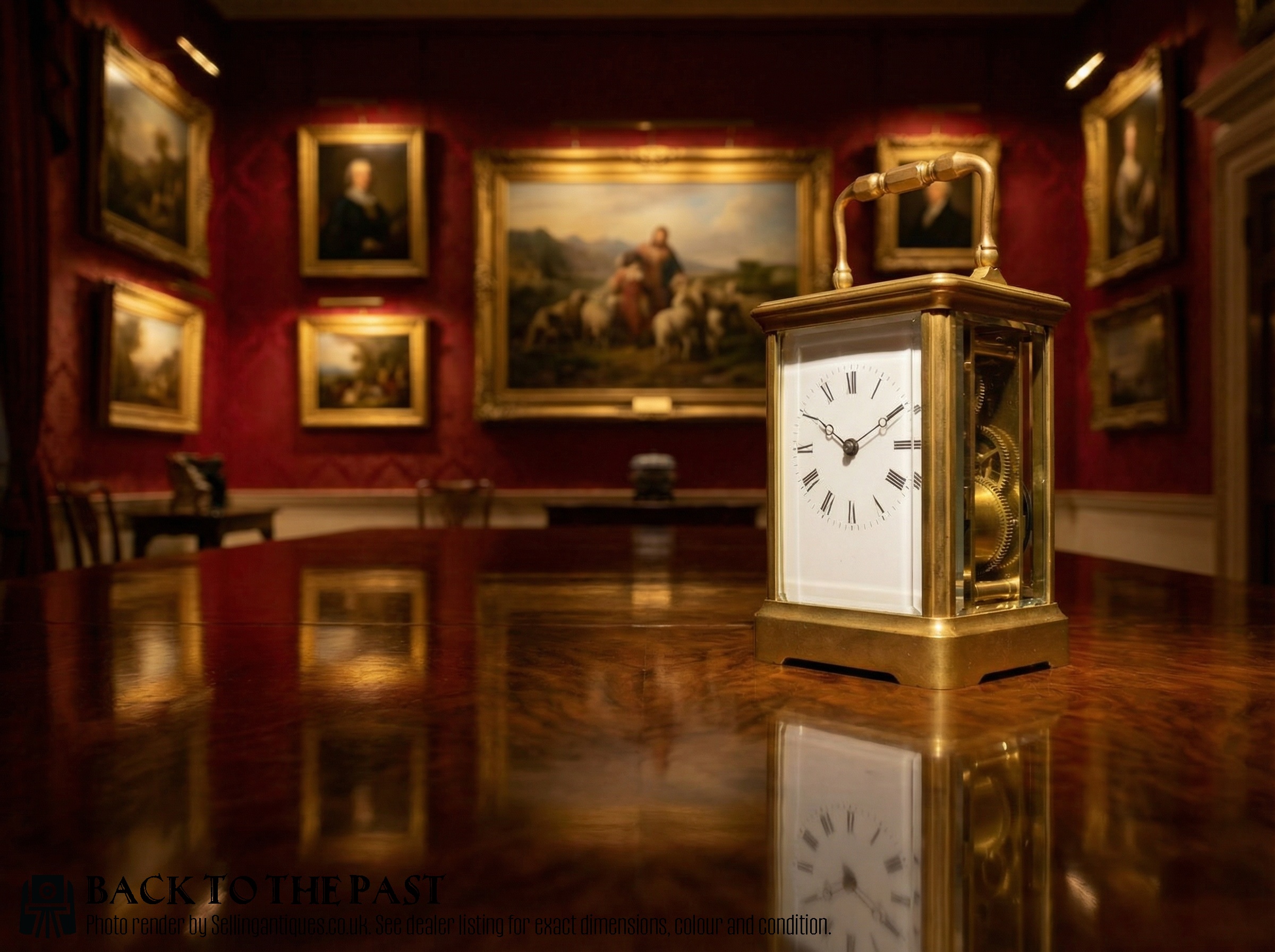
Gold Enamel Travel Clock
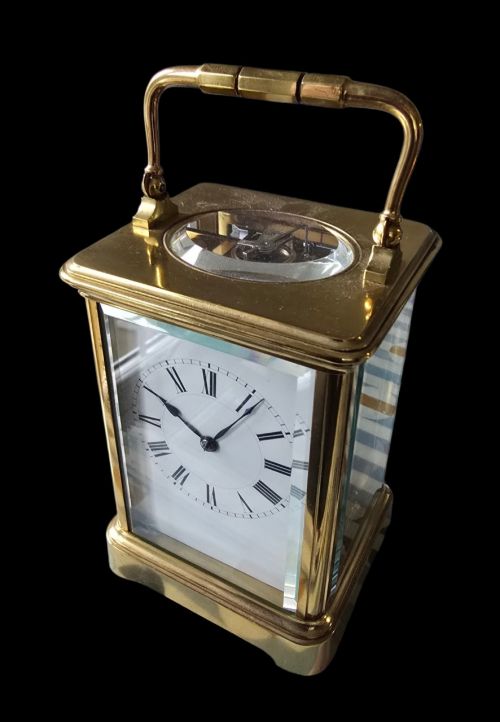
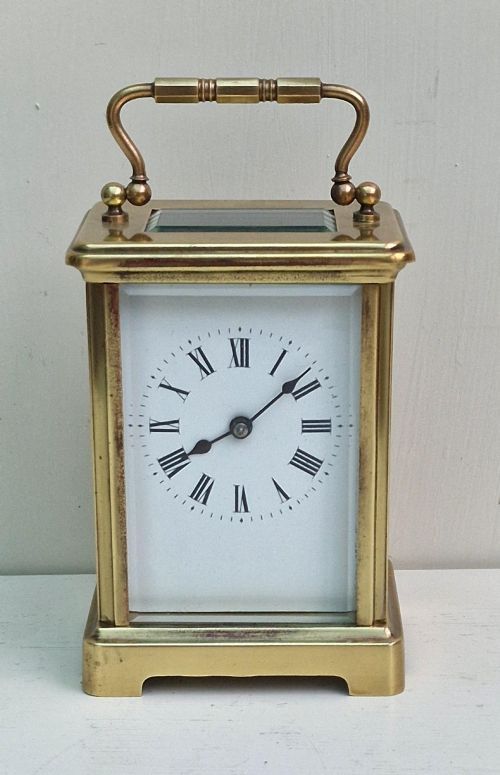
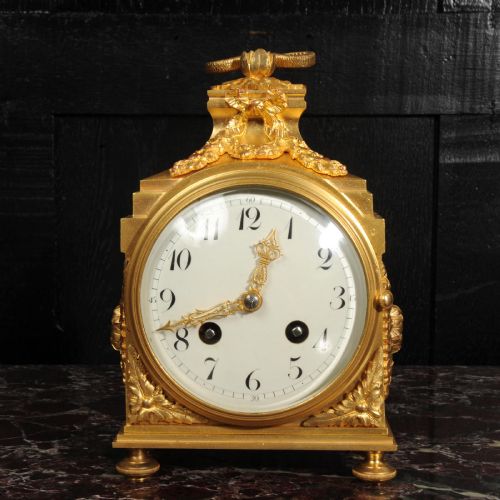
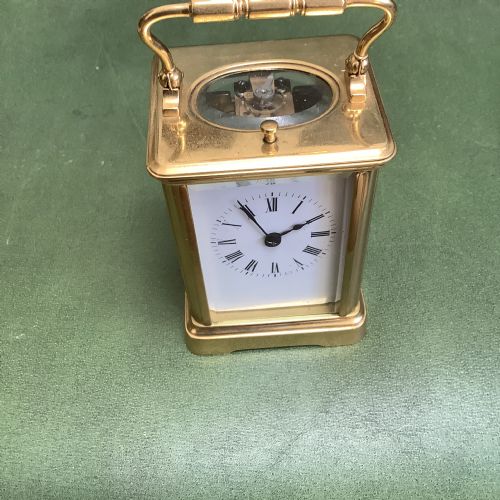
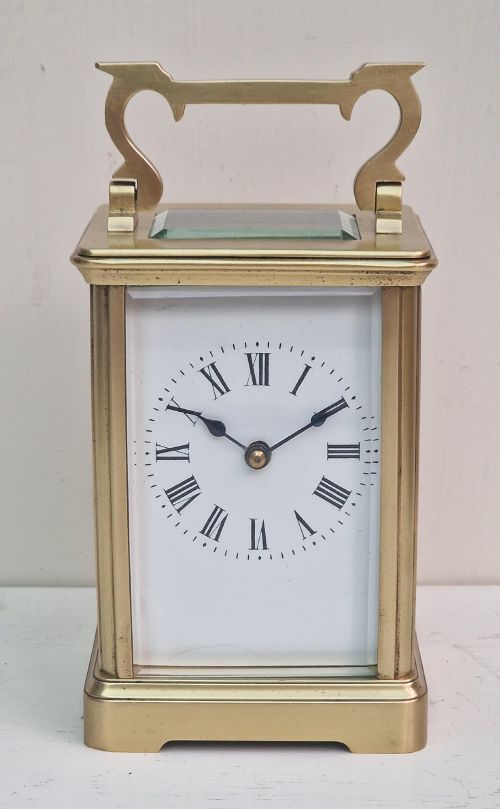
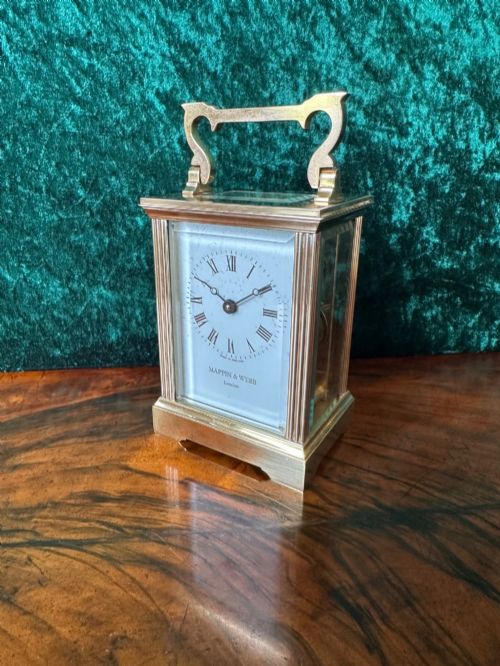
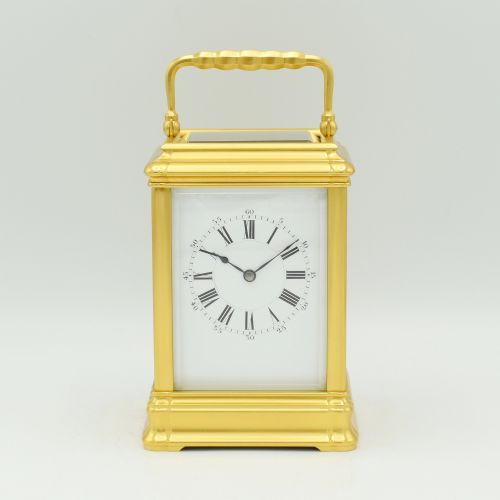
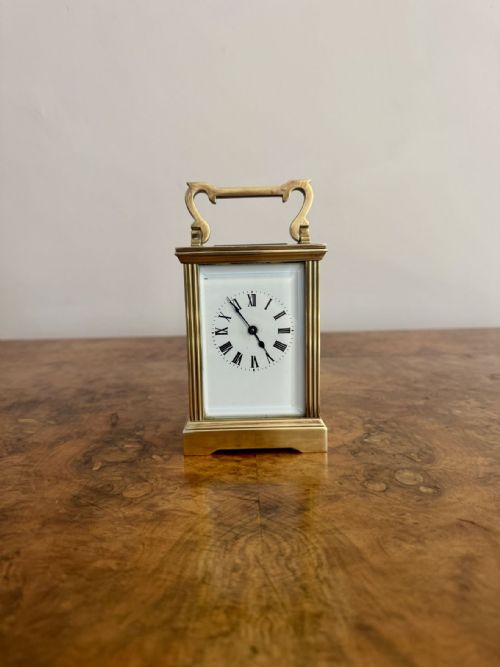
A gold enamel travel clock is a portable timepiece designed for mobility, typically housed in a robust metal case suitable for transit. When searching for a gold enamel travel clock, buyers encounter pieces primarily from the nineteenth century and the early twentieth century, spanning periods such as the Victorian and Edwardian eras. These items frequently take the form of carriage clocks and desk accessories originating from French and Swiss makers.
The most common examples on this page are brass and gilt brass carriage clocks equipped with traditional glass panels. While the search phrase specifies gold and enamel, the physical evidence on this page records materials predominantly consisting of brass, gilt brass, ormolu, glass, and leather, alongside general enamel work. Buyers find traditional forms ranging from miniature carriage clocks to larger striking and repeating examples.
Materials and construction
Clockmakers constructed these portable timepieces using sturdy base metals such as brass, gilt brass, and ormolu to form the structural cases. Glass panels protect the delicate dials and movements, allowing visibility from multiple angles while shielding the internal gears from dust during travel.
Movements incorporate steel components alongside traditional gear trains, often featuring specialised mechanisms like Swiss movements, alarm functions, or striking and repeating capabilities. Leather travel cases frequently accompanied these clocks to provide additional protection during journeys.
Gold Enamel Travel Clock Retail Price Guide 2026
Typical asking prices for gold enamel travel clock among the pieces listed under this phrase on Sellingantiques today, from the lower quarter to the upper quarter. They describe what is for sale here now, not the wider market.
Listings feature nineteenth-century and early twentieth-century periods, utilising brass, gilt brass, ormolu, glass, and leather materials.
Distinctions in quality
Quality in these timepieces rests upon the precision and complexity of the internal mechanism, particularly whether the movement includes striking, repeating, or alarm complications. Enhanced craftsmanship appears in fully engraved gilt brass cases and complex dial configurations rather than basic time-only models.
The finesse of the exterior casting, the preservation of original gilding, and the presence of signed maker details elevate certain pieces above standard production models. The inclusion of original matching leather travel cases further distinguishes finer examples from those lacking complete accessories.
Mappin and Webb·Henri Jacot·Drocourt Paris·T. Martin and Co·C. Detouche Paris·Paul Garnier·Leroy Paris
The Gold Enamel Travel Clock Glossary
- Carriage clock
- A small, spring-driven clock designed for travellers, featuring a carrying handle on top and glass panels to view the movement. These portable timepieces originated in France during the nineteenth century.
- Gilt brass
- Brass coated with a thin layer of gold or gold-coloured metal to provide a bright, decorative finish. This material offers durability while mimicking solid gold.
- Ormolu
- Finely chased and gilt bronze used for decorative mounts and clock cases. The technique requires applying a mercury and gold amalgam to bronze.
- Striking clock
- A timepiece that automatically sounds the hours or quarters on a bell or gong. Complex versions include repeating mechanisms to resound the last hour upon demand.
Gold Enamel Travel Clock: Frequently Asked Questions
What is a carriage clock?
A carriage clock is a portable spring-driven timepiece developed in the nineteenth century for officers and travellers. They typically feature glass panels and a folding handle on top.
These clocks rely on a balance wheel rather than a pendulum, allowing them to keep time while being transported from place to place.
How do repeating mechanisms work?
A repeating mechanism allows the user to press a button on the case to make the clock restrike the last hour or quarter-hour. This function was essential during the night before electric lighting.
Clocks with this feature required intricate internal gear trains to calculate and sound the correct time on demand.
How do I date a brass travel clock?
Dating involves examining the style of the case, the escapement type, and any maker signatures or serial numbers inscribed on the movement plate. Victorian and Edwardian examples often display distinct aesthetic traits.
Earlier nineteenth-century models tend to feature heavier brass casting and specific platform escapements that evolved over the decades.
Were leather cases original?
Many portable clocks were originally sold with fitted leather outer cases designed to protect the gilt brass and glass during transit. These fitted cases often feature velvet or silk linings.
Finding a clock with its original leather travel case adds significantly to its historical completeness and preservation.